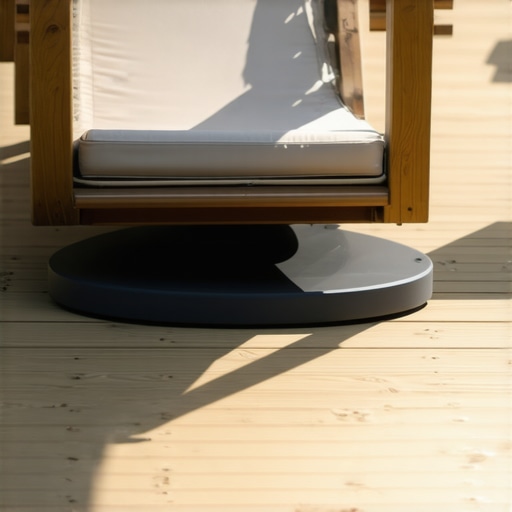
I was halfway through a perfectly chilled lemonade last July when my favorite Adirondack chair decided to eat my deck. One second I was the king of my backyard, and the next, I was lurching sideways, wearing my drink, because a single chair leg had slipped perfectly into the gap between my boards. It is a visceral, annoying experience that ruins the flow of a great afternoon. If you have spent any time on a deck, you know exactly what I am talking about. We spend thousands on custom composite decking ideas only to feel like we are walking—and sitting—on a giant cheese grater. Today, I am going to show you exactly how to stop that sinking feeling for good.
Stop the Sinking Feeling Once and for All
[IMAGE_PLACEHOLDER] The problem usually comes down to a mismatch between your furniture’s feet and the spacing required for your deck’s health. When I first started as a DIYer, I thought I would be clever and just close the gaps. Big mistake. I learned the hard way that choosing the right composite decking requires respecting those gaps for drainage and expansion. If you close them up, you are just inviting rot. I actually ended up warping a whole section of my first build because I did not listen to the deck builder insights regarding airflow. Instead, the solution lies in how the furniture interacts with the surface. Most outdoor chairs come with those tiny, hard plastic glides that are almost precision-engineered to fall into a standard 3/16-inch or 1/4-inch gap. It is a design flaw that makes the mistake of using indoor furniture on an outdoor deck even more apparent, though even high-end outdoor sets suffer from it.
Is fixing your chair legs really worth the hassle?
You might think you can just watch where you sit, but that is no way to live. Stability is not just about comfort; it is a safety issue. According to data from the Consumer Product Safety Commission, furniture-related tipping incidents contribute significantly to the thousands of injuries reported each year in outdoor living spaces. Beyond the safety aspect, a chair leg catching in a gap puts immense lateral pressure on the board’s edge. Over time, this constant prying can chip your boards or even loosen the fasteners. Have you ever had that heart-stopping moment where a chair leg dipped into a gap just as you were sitting down? It is not just you, and you do not have to live with it. We are going to look at everything from simple hardware store hacks to the rug trick that keeps your seating area rock-solid without suffocating your boards.To fix the sinking problem, you have to think like a hiker in deep snow. You wouldn’t walk through a powder field in high heels; you would wear snowshoes. The goal is to distribute the weight across a larger surface area so the chair leg cannot physically fit between the boards. When the surface area is wider than the gap, the physics of the ‘sink’ disappear.
Turn Your Tiny Chair Legs into Snowshoes
The most immediate fix is to swap out those pencil-thin plastic caps for oversized furniture glides. You can find extra-wide outdoor glides that are about 1.5 to 2 inches in diameter. Since most deck gaps are under a quarter-inch, these glides act as a bridge. I once tried to shortcut this by using adhesive felt pads I had left over from my dining room set. It was a disaster. Within two days of rain, those pads became soggy grey sponges that trapped moisture against my boards and eventually fused to the surface like barnacles. I spent a whole Saturday morning with a plastic scraper trying to fix that mistake of using indoor furniture on an outdoor deck accessories. Always go with hard plastic or rubber specifically rated for UV exposure.#IMAGE_PLACE_HOLDER_B#
The Secret to Rugs That Do Not Rot Your Floor
If you do not want to mess with the furniture itself, an outdoor rug is your best friend. It creates a continuous surface that completely ignores the gaps. However, you cannot just throw any rug down. If you choose a rug with a rubber or latex backing, you are essentially sealing the deck’s skin. This traps moisture and heat, which is a recipe for disaster. I have seen beautiful choosing the right composite decking setups ruined by a cheap rug that left a permanent ghost-stain on the boards. You need to how to choose a deck rug that doesnt rot your boards by looking for woven polypropylene. These allow the deck to breathe and dry out after a storm, keeping your boards healthy while providing a rock-solid floor for your chairs.
Why Wide Feet Beat Narrow Ones Every Time
When you are shopping for new pieces, look at the base of the legs. Mid-century modern styles with thin, tapered metal legs are the primary offenders. Instead, look for furniture with sled bases or wide, flared feet. A sled base—where the legs are connected by a continuous rail that sits flat on the deck—is the gold standard for stability. It is physically impossible for a sled base to fall into a gap. This is the kind of practical wisdom you get from deck builder insights when planning a layout. If your deck has significant movement because of temperature, you should also consider why your composite boards are expanding more than expected before choosing furniture that might pinch against railing posts or stair transitions.
Check Your Hardware Before the Party Starts
Finally, take five minutes to inspect the existing glides. If they are cracked or worn down to the metal, they are not just sinking; they are scratching. On a high-end composite surface, a jagged chair leg is like a glass cutter. If you find a damaged foot, do not wait. A quick set of rubber crutch tips from the hardware store can save your evening and your deck’s finish. It is a small move, but it is the difference between a relaxing sunset and a frantic search for a repair kit.Most homeowners believe that once they’ve picked a high-end board, their job is done. I’m here to tell you that’s a dangerous assumption.
Everyone Thinks Composite is Bulletproof—They Are Wrong
You see it in every marketing brochure: ‘maintenance-free.’ But in my years of experience, I’ve seen more ‘maintenance-free’ decks fail in five years than old-school cedar ones. Why? Because people believe the marketing and ignore the underlying physics of moisture. While the surface might not rot, the structure underneath is still wood, and the way you attach your boards matters more than the brand of the board itself. For instance, the truth about maintenance-free decking claims is that they only apply if you follow strict moisture-management protocols. If you trap water between a plastic-capped board and a wooden joist, you’ve created a permanent petri dish for rot. This is exactly how to keep your deck joists from rotting under the boards—by using joist tape to create a waterproof barrier that screws can penetrate without inviting decay.
Why do my stairs feel like they are shifting even though the screws are tight?
This is the advanced question that separates the pros from the weekend warriors. You can tighten a screw until the head snaps off, but if you haven’t addressed the structural reason your stairs feel like they are leaning, you’re just putting a band-aid on a broken leg. Often, the issue isn’t the tread; it’s the lack of a proper landing or the failure to use the bracket that makes your deck stairs feel rock-solid. Without mechanical tension ties, your stairs are essentially trying to walk away from your house every time someone steps on them. According to the North American Deck and Railing Association (NADRA), stairs are the most common point of structural failure in residential decks, often because the connection to the rim joist relies solely on nails which have almost zero withdrawal resistance.
The Invisible Trap of Cut Ends and Shims
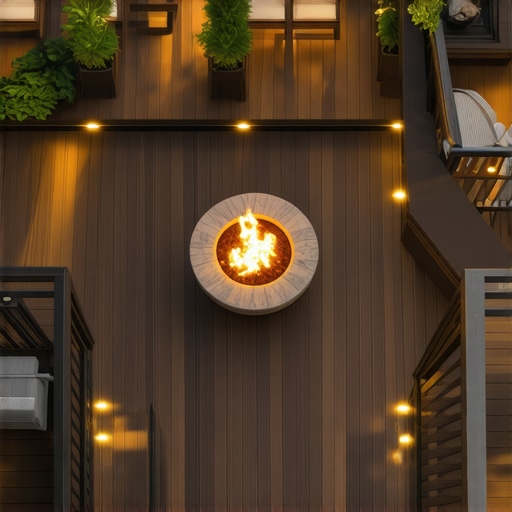
One ‘oops’ factor that ruins thousands of builds is failing to treat the ‘open’ parts of the board. When you cut a composite board to fit a stair tread or a perimeter, you expose the core. If you don’t know the best way to seal the cut ends of composite boards, that core will suck up moisture like a straw, leading to internal swelling that no warranty covers. 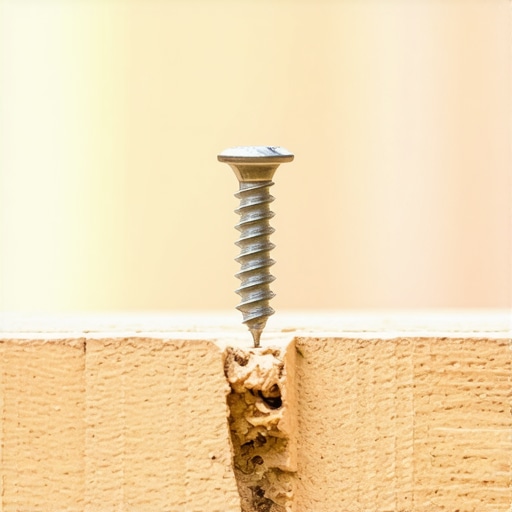 I’ve also seen DIYers use thin cedar shingles to level their joists. Stop doing that. You need to understand why you should use block shims instead of shingle shims for joists because shingles will compress and rot, leaving you with a bouncy, uneven floor in eighteen months. That’s why I use structural screws instead of lag bolts for ledgers. They offer superior shear strength and don’t require the massive pilot holes that weaken your house’s rim joist. Have you ever fallen into this trap? Maybe you followed the instructions but the boards still warped? Let me know in the comments.I’ve spent too many hours squinting at paper sketches only to realize the stairs didn’t line up with the fire pit once the first joist was set. Now, I refuse to lift a hammer until I’ve seen the project in three dimensions. Using a digital designer is the best move for planning because it reveals the ‘clashes’ you can’t see on paper. I once caught a major issue where a structural post was going to block a basement window—a mistake that would have cost $2,000 to move later. This is why I never start a complex deck project without a digital 3d walkthrough first. It’s about more than just a pretty picture; it’s about precision engineering your innovative outdoor living ideas.
Stop the wiggle before you build it
Keep it clean without scrubbing the life out of it
Even with the best planning, life happens. Someone drops a burger, or a bird decides your dark brown boards are a target. You need to know how to clean grease stains off composite without ruining the finish. I use a simple mix of warm water and Dawn dish soap, but for those stubborn spots, a soft-bristle brush is your best friend. Don’t reach for the pressure washer; you’ll just etch the plastic. For the organic stuff, the best way to clean bird droppings off dark brown composite boards is to soak them first. It’s all part of the truth about maintenance-free decking claims—you still have to do the work, just less of it.
How can I make my composite deck structure last for thirty years?
According to the American Wood Council (AWC) Design for Code Acceptance #6, the ledger connection is the most critical point of failure in any residential deck. This is exactly why your deck ledger needs a tension tie to stay secure. It’s not just a suggestion; it’s about making sure your top stairs designs don’t end up on the ground during a family gathering. If you want the long-term results we all dream of, you have to treat the frame with as much respect as the surface boards.
The next frontier for your backyard
As we look toward composite decking trends 2025, I’m seeing a massive shift toward integrated tech. We aren’t just building floors anymore; we’re building ‘smart’ platforms. Think integrated audio and a glare-free way to light your deck stairs that you control entirely from your smartphone. I challenge you to try one specific move this weekend: grab a high-quality structural screw, go underneath your deck with a flashlight, and verify your joist-to-ledger connections. If you see old-school nails or loose bolts, making that upgrade is the best insurance policy your outdoor space can have.
What My First Big Mistake Taught Me About Board Gaps
Looking back at that first deck I built, I realize I was obsessed with the color of the boards while completely ignoring the skeleton underneath. I learned that your framing isn’t just a support system; it’s the insurance policy for your entire investment. If you want expert deck builder tips for stunning outdoor living, start with the joists. I’ve seen beautiful surfaces fail because the builder skipped joist tape or used cheap nails that rusted out in three years. Also, never underestimate the power of airflow. Those gaps you’re worried about chairs falling into? They are the lungs of your deck. Instead of closing them, focus on maximizing space with modern designs that accommodate the right furniture from the start.
The Three Tools That Save My Projects Every Time
[IMAGE_PLACEHOLDER]
I don’t leave for a job site without a few specific items that make a world of difference. First, I always carry a box of structural screws. I’ve transitioned away from old-school hardware because the reason we use structural screws instead of old-fashioned lag bolts is simply about superior hold and less wood splitting. Second, a high-quality 3D rendering tool is non-negotiable for working with a professional deck builder to visualize the flow before a single board is cut. Finally, I always have a roll of butyl joist tape. It’s the cheapest way to add twenty years to your deck’s lifespan by preventing rot at the most vulnerable contact points.
Go Build a Deck That Doesn’t Wiggle
Your backyard should be a place of relaxation, not a source of constant foot-snagging anxiety. By focusing on wide furniture bases, smart rug choices, and rock-solid structural connections, you can create a space that feels as stable as your living room floor. Whether you are creating seamless transitions with your stairs or just updating your seating area, remember that the best outdoor living spaces are built on a foundation of details. Don’t be afraid to pull up a board and check a joist—it’s the mark of a homeowner who cares about quality and safety. Your future self, sitting comfortably in an un-stuck Adirondack chair, will thank you.
Have you ever had a chair leg vanish into a gap at the worst possible moment? Let me know your most frustrating deck stories in the comments below!