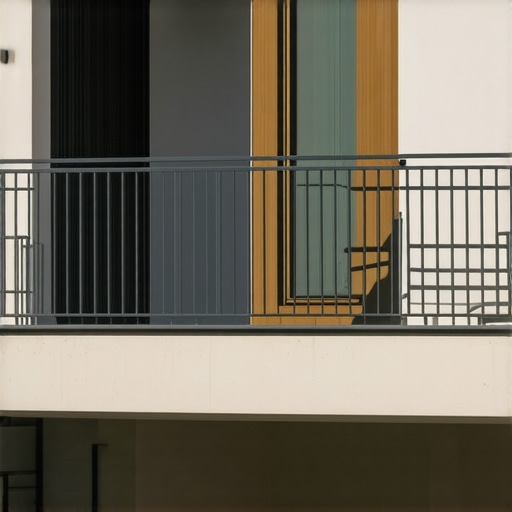
I remember the day I realized my wooden deck railing was more of a liability than a feature. It was a bright Saturday afternoon, and I was trying to grill peacefully while my kids played nearby. Suddenly, I heard a creak—my heart sank as I watched one of the spindles wobble dangerously. That moment was a lightbulb for me: traditional wood railings, charming as they are, can become a maintenance nightmare and safety hazard over time. Like many homeowners, I’d been captivated by the classic look of wood and vinyl, but reality hit hard when durability and low-maintenance became my top priorities.
Today, I want to share why I completely favor aluminum railings over their wood or vinyl counterparts. If you’ve ever faced similar frustrations—rotting posts, peeling paint, or swelling vinyl—then stick around. We’ll explore the real benefits of aluminum, backed by my personal experience and expert insights, so you can make an informed choice for your outdoor living space.
Rethinking the Railing Approach for Outdoor Safety and Style
When I first started renovating my deck, I underestimated the importance of sturdy, long-lasting railings. I figured a simple paint job or vinyl cover-up would suffice. But quickly, I ran into issues: the wood rails warped, the vinyl dented from impacts, and the constant upkeep drained my weekend free time. It was then that I discovered aluminum railings—robust, weather-resistant, and virtually maintenance-free. Not only do they resist moisture and corrosion much better than wood, but they also don’t require staining or painting to stay attractive. According to a trusted industry resource, aluminum posts can outlast wood in wet climates by up to five times. This longevity is a game-changer.
Have you encountered issues with your current railing system, such as rotting, warping, or paint peeling? If so, you’re not alone. Many homeowners realize that what seems like a small aesthetic choice can significantly impact safety, cost, and the overall look of their outdoor space. In the sections that follow, I’ll guide you through why aluminum stands out and how it can solve common deck railing problems, ensuring your outdoor area remains both beautiful and secure for years to come.
Preparing Your Deck Frame Properly
Start by evaluating your existing structure or planning a new frame. Use pressure-treated lumber for the foundation, ensuring joists are spaced 16 inches apart for stability. I once made the mistake of using 24-inch spacing on a DIY project; the decking bowed under weight, leading me to redo the joists — a costly lesson. To prevent rot, always install a proper drip edge and flashing tape beneath ledger boards, following the guidance from expert tips.
Choosing the Right Composite Decking Material
Opt for a high-quality composite decking board that offers durability and low maintenance. I selected boards with mineral core technology, which resist fading and staining better than traditional wood composites. When installing, use hidden fasteners to create a sleek surface and avoid pitch issues that trap debris. Check out latest trends for design inspiration and performance insights.
Cutting and Fitting Deck Boards Accurately
Use a circular saw with a fine-tooth blade to make precise cuts. Measure length twice to avoid mistakes, especially when fitting boards around posts or stairs. I once misjudged a cut and had to redo an entire section, which delayed my project — double-check measurements with a tape measure and mark cut lines carefully. When treating cut ends, seal them immediately with a deck-end sealant to prevent water infiltration, extending your boards’ lifespan.
Constructing Safe and Stylish Stairs
Design your stairs with comfort and safety in mind. Follow the 11-inch tread rule, making each step wide enough to comfortably land your foot, then secure stringers on both sides for stability. For added safety, incorporate a mid-rail and ensure a handrail height of 36 inches. I installed a custom stringer with brackets and added subtle step lighting, which significantly improved visibility at night—see stair design tips for more ideas.
Securing the Deck and Stairs Effectively
Use structural screws instead of nails for attaching decking boards; they resist elongation and loosen over time. For the stairs, anchor stringers using lag bolts into concrete footings, ensuring they won’t shift. I once overlooked this step, and a heavy rain caused my stairs to wobble; I fixed it by adding extra anchors and tightening bolts, which permanently stabilized the structure. Applying joist tape beneath all framing components keeps moisture out, preventing rot and extending the deck’s life—more on this technique at professional advice.
Final Touches for a Deck That Lasts
Seal all cut ends and joints with an appropriate water-resistant sealant. For aesthetics, stain or paint your rails and balusters to match your home or environment, but opt for low-VOC options if possible. To prevent pests from nesting, leave gaps beneath the deck and trim back any nearby foliage. Once complete, step back and evaluate the stability and safety — a wobble-free, well-secured deck provides peace of mind and a perfect outdoor space for years to come. For personalized advice, consider consulting a skilled deck builder expert.
While most DIY enthusiasts and even seasoned homeowners focus on choosing the right materials or following standard building codes, there’s an often overlooked nuance that can make or break your outdoor project: understanding the complex interplay of environmental factors and material behavior over time. Many believe that selecting a high-quality composite decking or sturdy stairs is enough — but the real advantage lies in anticipating how these components interact with your specific climate and usage patterns. For example, a common myth is that composite decking is completely maintenance-free; however, without proper installation techniques that account for expansion and contraction, issues like warping or buckling can occur. According to a study by the University of Florida Extension Service, inadequate spacing and improper fasteners are major causes of these problems, highlighting the importance of nuanced installation practices. Furthermore, homebuilders often underestimate the impact of local microclimates—shade, wind exposure, humidity—that influence material longevity and safety. An advanced mistake I see repeatedly is installing stairs with the standard 36-inch handrail height without considering the stair incline or user needs, which can compromise accessibility and safety. For an optimal outdoor living setup that lasts for years, it’s crucial to tailor your approach based on these nuanced factors. To dig even deeper, consult with professional deck builders who understand the subtle intricacies involved. Have you ever fallen into this trap? Let me know in the comments, so we can learn from each other’s experiences and elevate our outdoor projects.
Keeping your outdoor deck in top condition requires the right tools and a strategic approach to maintenance. Over the years, I’ve refined my toolkit to include equipment that not only accelerates the process but also ensures quality. For instance, I swear by a cordless oscillating multi-tool for cleaning tight corners and detailed touch-ups, especially on composite boards where precision avoids damaging delicate surfaces. Its oscillating action allows me to remove debris from textured surfaces without abrasive scrubbing, extending the lifespan of my decking material.
Another essential is a high-pressure hose fitted with a fan-nozzle attachment. While power washing can be tempting, I avoid using excessively high PSI that might damage composite decking. Instead, I set my pressure washer to around 1,200 PSI, which effectively clears dirt and algae without risking surface damage. Using this setup, I maintain a clean, safer surface, reducing slip hazards and preventing mold buildup. Regular cleaning also preserves the aesthetic appeal, especially as trends in composite decking in 2025 lean toward sleek, modern finishes that require minimal upkeep.
For long-term results, I rely on a moisture meter to monitor the wood or composite condition. Understanding moisture levels helps me decide when to reseal or conduct detailed inspections before problems escalate. Pairing this with a breathable, UV-resistant sealant protects against sun damage and moisture intrusion, particularly critical in climates with high humidity or frequent rain. I prefer brands that specifically mention compatibility with composite boards—reviewing technical datasheets helps me select the optimal product.
When it comes to tools for stairs and railing repairs, a digital angle finder ensures my measurements are spot on. Proper angles are vital for safety and aesthetic consistency, especially when installing custom lighting or trim details. I also keep a set of structural fasteners designed for outdoor conditions—these resist corrosion and hold up even under harsh weather. Using a high-quality impact driver with a torque control feature allows me to drive fasteners flush without overtightening, preventing damage to composite or wood components.
Looking ahead, I foresee automation and smart sensors becoming standard in deck maintenance. Imagine a system that monitors moisture and structural stress updates via an app, alerting you when maintenance becomes urgent. It’s an exciting trend that complements my current routine.
One question I often get is, “How do I maintain composite decking over time?” The key lies in regular cleaning with gentle tools, proper sealing, and monitoring moisture. A practical tip I recommend is incorporating a soft-bristle scrub brush into your toolkit—this assists in routine cleaning without scratching surfaces, especially when tackling stubborn stains like algae or sap. Try adding this to your maintenance regimen, and you’ll notice your deck stays pristine longer.
For more detailed strategies, consider consulting expert advice on composite maintenance. Remember, investing in quality tools and preventative routines now can save you significant time and money later, especially as innovative trends in outdoor living continue to evolve.
Lessons That Changed My Approach to Deck Building
One of the most eye-opening lessons I learned was the importance of detailed environmental assessment before starting construction. I once ignored the shade patterns around my yard, only to realize that my dark composite decking absorbed heat excessively, making it uncomfortable in summer. Taking time to understand microclimates helped me select materials and colors that stay cooler and last longer. Additionally, investing in proper flashing and drainage techniques early on prevented costly rot issues, reinforcing that meticulous prep work saves trouble later. Another unexpected insight was realizing that human comfort and safety—like planning for adequate stair width and handrail height—are as vital as choosing the right materials. These lessons have empowered me to create outdoor spaces that are both beautiful and resilient for the long haul.