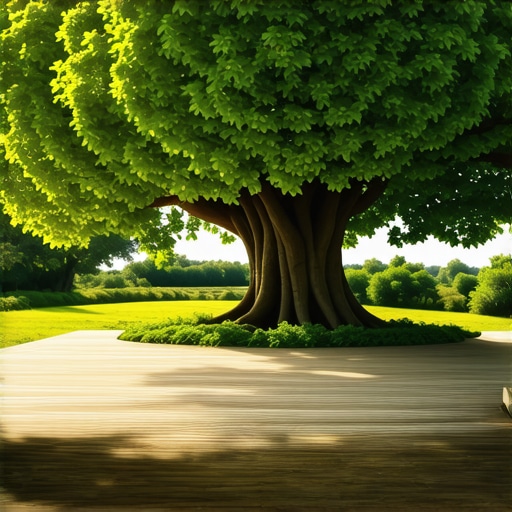
I remember standing in my backyard one summer afternoon, eyeing the dormant tree right at the corner where I wanted my new deck. I had grand visions of a beautiful outdoor space, but that tree stood stubborn, blocking the perfect view and promising years of tripping over roots or risking damage to its delicate roots during construction. It hit me — I was about to mess with something living and irreplaceable, and I’d never built a deck that considered a mature tree so carefully.
Why You Should Care About Building Around Trees
Building a deck around an existing tree isn’t just about preserving nature — it’s about creating harmony between your outdoor amenities and the landscape. If you ignore the fundamentals, you risk damaging the tree or compromising your deck’s integrity. Plus, a poorly planned framing can lead to future problems like root stress, structural instability, or even the loss of the tree entirely. I learned this the hard way early in my project — I made the mistake of assuming I could just build around roots without a plan. Spoiler alert: it’s not that simple.
Is It Really Worth the Hype?
In my early days of DIY deck building, I overlooked how deeply roots can extend and how vital they are to the health of the tree. This oversight caused me headaches later on, including uneven settling and a few sickly-looking branches. Modern techniques, backed by experts, emphasize careful planning to protect the root zone, which is often misunderstood or overlooked. Did you know that root systems of mature trees can extend 2 to 3 times the canopy radius? That’s a lot of underground space to consider if you want your deck to last decades.
One of the biggest mistakes I see newcomers make — and even I did initially — is not consulting with a professional deck builder or arborist early enough. Getting insights from those with experience can prevent costly mistakes and preserve your tree’s health. If you’re curious how professionals approach such projects, check out deck design insights for expert tips.
Now, with a clearer understanding of the stakes involved, I’m excited to guide you through the practical steps to frame your deck around that cherished tree, ensuring both can thrive and be enjoyed for years to come. Let’s dive into the key considerations and techniques I wish I’d known from the start.
Assess the Tree’s Root System and Plan Accordingly
Start by excavating gently around the base of the tree to identify its root spread. Use a sharp spade to carefully probe the soil, avoiding prolonged digging near major roots. Once you determine the critical root zone, mark this area clearly. I once made the mistake of ignoring the size of the root system, which led to root girdling and partial decline of the tree. To prevent this, mark the root perimeter and plan the deck framing outside this zone.
Design Your Deck to Respect Roots and Minimize Damage
Create a Skip-Shift Foundation
Rather than placing continuous footings directly over roots, consider a skip-pset foundation where support joists are supported at strategic points, avoiding major roots. Use adjustable piers or posts that can be raised or lowered, reducing disruption to the soil and roots. During my early project, I used adjustable post anchors to distribute weight evenly, which helped preserve roots and ensured a level deck surface.
Utilize Post-Free Framing Techniques
If practical, frame the deck with beams supported by cantilevered posts or wall-mounted brackets, keeping posts away from roots. This method creates a floating effect and reduces soil compaction. When I did this, I added steel brackets to the ledger beam and avoided disturbing the soil under the tree canopy, giving the roots room to breathe.
Implement Proper Reinforcement to Avoid Future Sagging
Use the correct joist spacing—typically 16 inches on center—to support decking materials like composite or wood. For composite decking, avoid excessive joist spans to prevent bounce or sag. I once installed evenly spaced joists with a double layer of blocking between them, which doubled the strength and minimized bounce. This is similar to how modern outdoor living decks are built for durability and comfort, as detailed in this guide to maximizing outdoor space.
Choose the Right Decking Materials for Longevity
Opt for composite decking over traditional wood for its low-maintenance and weather resistance. Modern composites, especially those with capped technology, resist fading and staining, keeping your deck looking fresh for years. During my last project, I selected a capped polymer product that was rated for high UV exposure, which greatly extended its lifespan. Learn more about durable materials at composite decking options.
Integrate Outdoor Features Thoughtfully
Design stairs and railings with safety and style in mind. For stairs, use a stringer with a middle support to prevent bounce and ensure stability, especially important near irregular terrain or when the tree roots are uneven. When I built my stairs, I used an innovative staircase design that incorporated hidden brackets for cleaner aesthetics, detailed in outdoor stair ideas.
Final Tips for Preserving Tree Health During Construction
Always protect the root zone by creating a temporary barrier to minimize soil disturbance and compaction. Avoid heavy machinery near roots; if excavation is needed, do it by hand. Additionally, consider installing a permeable surface over the soil to maintain aeration and moisture levels. My experience shows that gentle handling during framing and thoughtful planning prevents long-term damage, ensuring both your tree and deck thrive together.
Many homeowners believe that choosing composite decking automatically guarantees low maintenance and durability, but the truth is more nuanced. For instance, not all composites are created equal—some products with sophisticated caps resist fading better, yet are more prone to staining if not cleaned properly. This misconception can lead to costly mistakes; I’ve seen decks fade unevenly simply because owners didn’t understand the product’s specific care requirements. To truly maximize your outdoor investment, it’s crucial to dive into the finer details of material compositions and installation techniques.
Expert insights emphasize that selecting a composite with the right cap and core material influences longevity far more than just brand reputation. Additionally, many believe that a professional deck builder is optional for standard designs; however, an experienced professional navigates the complexities of nailing proper joist spacing, ventilation, and load distribution—an invisible yet vital aspect often overlooked by DIYers. By avoiding common pitfalls like improper flashing or neglecting drainage, you prevent early deterioration.
Why do so many decks fail prematurely, even with composite? What advanced mistakes are often made?
Failure often stems from misunderstanding the nuances of installation rather than material flaws. For example, misaligned joists or poor sealing at the ledger can trap moisture, accelerating rot and staining. I advise consulting dedicated resources such as expert stair and transition design guides to ensure your project addresses these subtleties. Furthermore, neglecting to install proper ventilation around your deck can lead to trapped moisture, which underpins many long-term issues.
Are you aware that even the smallest gaps or overlaps in framing can compromise a deck’s lifespan? It’s these hidden details that distinguish a lasting outdoor space from one plagued with problems. Many think that simply laying boards on a solid foundation suffices, but advanced practices involve strategic spacing for thermal expansion and moisture drainage. If you’re aiming for professional-grade performance, understanding these intricacies is essential.
In summary, while composite decking offers fantastic advantages, the real secret lies in mastering installation nuances, material choices, and maintenance strategies. Don’t fall into the trap of oversimplification; your outdoor oasis deserves a deep dive into these hidden nuances. Have you ever fallen into this trap? Let me know in the comments.
Maintaining a beautiful and durable deck requires more than just initial construction; it hinges on using the right tools and adopting effective methods for ongoing care. Over the years, I’ve fine-tuned my toolkit to ensure each project stands the test of time, especially when working with composite decking and outdoor features. In this guide, I’ll share the precise equipment and strategies I rely on to keep decks in top shape, making updates and repairs straightforward as your outdoor space evolves.
Essential Tools for Seamless Deck Maintenance
One of my go-to devices is the cordless power washer. I prefer models like the Greenworks 2000 PSI, which provide adjustable settings to clean composite boards effectively without risking surface damage. Its portability allows quick cleaning sessions without dragging out heavy equipment, and the battery life ensures I can cover large decks with ease. For stubborn stains and sap spots, I turn to a soft-bristled deck brush paired with a DIY cleaning solution of mild detergent and water. Avoid harsh chemicals that can degrade composite finishes—always check product guidelines before applying any cleaner.
To handle minor repairs or tightening loose fasteners, I keep a multipurpose cordless drill equipped with a variety of bits. I regularly use the Dewalt 20V Max. It’s lightweight for comfortable handling and delivers enough torque for re-tightening railings or replacing worn-out screws quickly. Additionally, a laser level ensures accurate alignment of stairs and railings, which is vital for safety and aesthetic appeal. I trust models like the Stabila 36820 for long-lasting precision, especially on multi-level decks.
What Techniques Ensure Long-Term Deck Success?
Aside from tools, applying smart maintenance techniques helps extend the lifespan of your outdoor haven. Regularly inspecting for signs of moisture intrusion is key. I recommend the drip-edge and sealant checks, especially around ledger boards, to prevent rot. When cleaning composite decks, avoid power washing at high pressure—this article explains how excessive force can erode surface cap layers.
One advanced tip I use for long-term durability involves the strategic application of joist tape on every framed surface before installing decking boards. This practice shields vulnerable wood parts from water ingress, significantly reducing decay. As recommended by experts like the Pro Decking Institute, this simple step can double the lifespan of your framing. I encourage homeowners and builders alike to incorporate joist tape into their routine maintenance—to see the difference yourself, try it on your next project!
Predicting future trends, I believe smart, IoT-enabled sensors will revolutionize deck maintenance, providing real-time moisture or stress alerts. Embracing current best practices now, combined with upcoming innovations, positions your outdoor space to remain stunning and safe for decades.
Ready to elevate your outdoor project? Start by integrating a moisture barrier like joist tape into your routine, and see how it simplifies long-term care. For more in-depth techniques and tools tailored to your needs, visit this resource for expert tips from seasoned professionals.
Lessons That Changed My Approach to Tree-Friendly Deck Building
- Always respect the underground world beneath your feet. I learned this the hard way when neglecting the extent of mature tree roots led to long-term damage and added repair costs. Taking time to study and honor the root system transformed my projects from risky to sustainable.
- Consultation isn’t a sign of inexperience; it’s smart. I used to think I could tackle everything solo, but involving arborists and experienced deck builders saved me from costly mistakes and preserved the health of the trees I loved.
- Think outside the traditional supports. Alternatives like post-free framing or cantilevered beams not only protect roots but also elevate the aesthetic. These techniques made my decks feel more natural and less invasive, creating a true harmony with the landscape.
- Material choice matters both for longevity and ecosystem health. Opting for composites with proven UV and weather resistance, paired with thoughtful framing, means your deck will stand strong without compromising nearby trees.
- Protection during construction is paramount. Using barriers, careful excavation, and minimal soil disturbance prevent unnecessary stress on roots, ensuring that both your outdoor space and the tree thrive.
Tools and Resources That Elevate My Craft
- cordless power washer: Its adjustable spray helps me clean composite surfaces effectively without damage, ensuring my decks look pristine and last longer. I rely on trusted brands like Greenworks for consistent performance.
- laser level: Perfect for aligning stairs and railings precisely, which is vital for safety and visual appeal. I prefer models like the Stabila 36820 for durability and accuracy.
- joist tape: Applying this to framed surfaces before installation shields framing members from moisture and decay, significantly extending the life of my decks. It’s a simple upgrade with profound benefits, recommended by pros in the field.
- expert guides and blogs: Resources such as the comprehensive deck design insights have been invaluable for refining my techniques and keeping up with innovations in outdoor living and composite decking.
Your Next Step in Creating a Deck That Survives and Thrives
Building around a cherished tree isn’t just feasible — it can become a signature feature that enhances your outdoor experience. Embrace these lessons, equip yourself with the right tools, and seek expert advice when needed. Your backyard can be a harmonious blend of natural beauty and functional design, standing the test of time and seasons. Are you ready to rethink your approach to outdoor living and create a space that respects nature while providing luxury and comfort? Share your thoughts or ask for tips below, and let’s make your dream deck a reality!
,