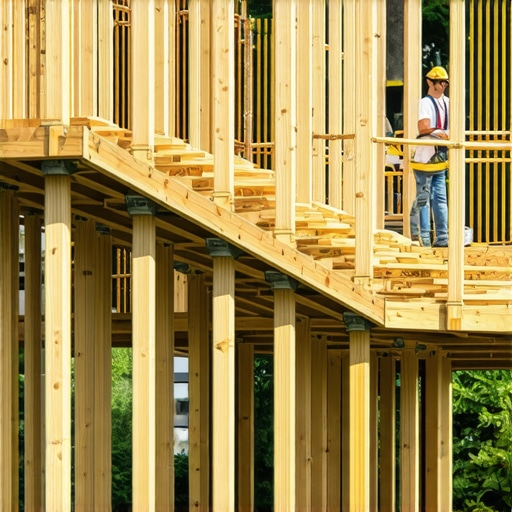
I remember the moment vividly—looking out at my newly constructed multi-level deck, proud of the space I thought would be my outdoor oasis. But as weeks turned into months, the initial excitement faded into frustration. The costs? Not just monetary, but the unexpected surprises that came along with building those extra levels and stairs. It was then I realized something crucial: many of us overlook the hidden costs buried beneath the surface of designing a stunning outdoor retreat.
Why the True Price of a Multi-Level Deck Can Catch You Off Guard
Building a multi-level deck isn’t just about stacking wood and choosing pretty finishes. It’s a complex process that involves careful planning, structural considerations, and some unseen expenses that can quickly escalate if you’re not prepared.
Have you ever started a project confident it will stay within budget, only to find surprise costs sneaking in when you least expect? If so, you’re not alone. Early on, I made the mistake of underestimating the importance of proper framing and drainage systems, which are vital for long-term durability—trust me, ignoring these details can lead to costly repairs down the line. For a deeper understanding of innovative solutions, check out [this guide on composite decking trends for 2025](https://deckdesignbuild.com/composite-decking-trends-2025-the-ultimate-guide-for-outdoor-enthusiasts).
The real challenge lies in anticipating the ongoing costs associated with multi-level structures—expenses that often get overlooked during initial estimates. These include special footings, extra bracing, and safety features, especially when stairs are involved. If you’ve ever struggled with designing stairs that are both safe and stylish, you’ll want to explore [these insights on stairs as key elements in outdoor living](https://deckdesignbuild.com/creating-seamless-transitions-stairs-as-key-elements-in-outdoor-living).
Let’s face it. Without a clear plan that accounts for these hidden expenses, you might find your dream deck turning into a financial nightmare. That’s exactly what I want to help you avoid. Today, I’ll share practical tips and insider knowledge to prepare you for the real costs and help you build a multi-level deck that’s both beautiful and budget-conscious.
But before we dive into how to tackle these hidden costs head-on, I want to ask: Have you faced unexpected expenses when building outdoor spaces? If so, let’s learn from those lessons and ensure your next project stays on track.
Design with Precision from the Get-Go
Start by mapping your deck layout on paper or using design software. Plot out each level, stairs, and transitions to visualize space and flow. During my last project, I used a laser level to set exact post heights, avoiding unevenness later. This not only saved time during construction but also prevented costly adjustments. Incorporate elements like composite decking in trending styles by consulting this guide on outdoor decking trends.
Choose Durable and Suitable Materials
Select materials that fit your climate, budget, and maintenance preferences. For coastal areas with salt spray, I recommend corrosion-resistant fasteners, which I detail in this article on fastener choices. When opting for composite decking, compare capped versus mineral core options and check warranties. Reliable materials reduce future repair costs and ensure your deck lasts decades.
Plan the Structural Framework Carefully
Focus on sturdy footings and supports, especially for multi-level sections and stairs. Employ double joists under stair landings to account for weight, as shown in this structural fix. Use a level and precise measurements to set posts. Secure braces and blocking to prevent movement over time. This foundation is the backbone that keeps everything safe and level, impacting the long-term cost.
Install Stairs Thoughtfully
Stairs are often neglected yet are critical for safety and visual appeal. Decide on tread depth and riser height based on these ergonomic standards. Use appropriate stringer support and winders if necessary for tight corners. For safety, consider motion-sensor lighting, which I’ve installed for nighttime access, detailed here. Properly designed stairs prevent trips and reduce liability, saving potential costs from accidents.
Optimize Material Cuts and Waste
To control expenses, minimize offcuts by precise measurements and planning. Utilize a miter saw and scribing tools for accurate cuts against complex surfaces like uneven house walls. For composite boards, avoid melting edges by using correct saw blades and cutting techniques, outlined here. This careful approach prevents waste and future replacement costs.
Finish with Sealants and Protective Measures
Apply waterproofing coatings, such as flashing tape and joist tape, to protect against moisture intrusion. These small steps extend your deck’s lifespan significantly, as demonstrated in this sealing strategy. Regular inspections, especially on joints and fasteners, help spot early signs of wear, avoiding expensive repairs later.
Benefits of Professional Help
While many steps can be DIY, collaborating with a seasoned deck builder ensures precision and safety. Professionals bring expertise in structural codes, material selection, and custom design, ultimately saving you from costly mistakes and rework.While many homeowners think they understand the basics of building a deck, there are subtle nuances that can make or break your project’s success. One common trap is oversimplifying stairs design; many believe that standard stringers suffice, but in reality, improper support and riser calculations can lead to unsafe, uncomfortable steps. Advanced builders know that integrating winders or curved stairs requires precise framing, as detailed in this resource on stair safety.
Are composite decks really low-maintenance, or is that a myth?
Contrary to popular belief, composite decking isn’t entirely maintenance-free. Hidden issues like improper drainage, incorrect fastening, and poor ventilation can accelerate wear, resulting in costly repairs. Experts emphasize that selecting materials with proper venting and ensuring adequate airflow beneath boards can double their lifespan, as highlighted in this guide on composite decking. Additionally, many overlook the importance of sealants and protective coatings, which are vital for resisting moisture intrusion and UV damage. A common mistake is assuming newer, capped composites eliminate maintenance needs—yet, neglecting regular inspections can lead to mold growth and warping over time. Delving into the nuances, seasoned professionals understand that the quality of fasteners and support structures often determines the deck’s longevity more than surface materials alone. They also recognize that decks near saltwater or humid climates require corrosion-resistant hardware, such as stainless-steel screws, to prevent premature failure, a point stressed in this article on fastener choices. Now, consider the common myths surrounding deck builders: many assume that hiring a contractor is merely about convenience. In reality, working with a skilled professional deck builder can save you from costly mistakes, ensure code compliance, and deliver a design tailored to your space. Their expertise can help you avoid pitfalls like inadequate support for hot tubs or overlooking load-bearing requirements, issues that often lead to structural failures and safety hazards. Remember, a well-constructed deck isn’t just about aesthetics; it’s about meticulous planning and understanding the subtle forces at play. That’s why investing in expert guidance often translates into long-term savings and enhanced enjoyment of your outdoor oasis. Have you ever fallen into this trap? Let me know in the comments.Maintaining your outdoor deck, especially one made of composite materials or built with stairs, requires specialized tools and a strategic approach. Over time, debris, weather, and wear can compromise the integrity and beauty of your space, but with the right equipment, you can keep it looking pristine and functioning safely. One of my favorite go-to tools is a quality power washer. I personally recommend a cordless electric model with adjustable pressure—this allows me to clean the deck surface thoroughly without risking damage to the composite boards or delicate stair balusters. Using a pressure washer at the proper PSI ensures you remove dirt and grime efficiently, extending the lifespan of your decking materials.
For meticulous repairs and touch-ups, I swear by a multi-scribe tool. Its precision versatility lets me scribe and trim composite boards to fit perfectly against uneven surfaces or house walls, reducing waste and ensuring tight joints, as detailed in this guide on scribing techniques. Additionally, maintaining the safety of stairs is crucial; I often use an angle grinder fitted with a specialized diamond blade to remove any warped or splintered stair treads—a task that’s much more controlled with this setup.
For ongoing inspections, I rely on a moisture meter and a level. These tools help me identify hidden issues like mold infiltration or uneven support that can cause long-term damage. Keeping your deck in top shape isn’t just about cleaning; it’s about proactive care. Applying sealants and waterproofing especially around fasteners and joints prolongs the deck’s life and prevents costly repairs. For composite decking, I prefer a sprayer designed for polymer-based finishes because it ensures even coverage without overspray.
Looking ahead, I predict that smart, connected inspection tools will become the norm. Imagine sensors that detect moisture or movement and send alerts straight to your smartphone—making maintenance even easier. To make the most of your next project, I suggest trying one of these advanced tools. Start with a quality power washer and learn the nuances of adjusting pressure. This small investment will pay off in extended deck durability and beauty, aligning with the latest trends in outdoor living ideas with composite decking, as seen in the 2025 decking trends.
The Hardest Lesson I Learned About Stairs and Deck Design
One of the biggest surprises I faced was underestimating the complexity of stair safety and structural support in multi-level decks. Skipping detailed planning led to costly rework and safety compromises, teaching me that meticulous measurement and professional guidance are non-negotiable for long-term success.
3 Myths About Composite Decking and Long-Term Maintenance That Held Me Back
I once believed that choosing a capped composite meant zero maintenance. But I learned that materials alone don’t guarantee longevity; proper installation, drainage, and protective coatings are vital. Understanding these nuances helps avoid premature repairs and preserves your outdoor oasis.
What Experts Won’t Say About Budgeting for Your Dream Deck
Many homeowners overlook the true ongoing costs—like extra support for stairs, drainage needs, and protective seals—that accumulate over time. Partnering with experienced deck builders can reveal these hidden expenses early, saving money and stress down the line.
Curated Resources for Building Better Decks
My essential toolkit includes a laser level—crucial for precise post-setting, I trust it for flawless alignment. The book Designing Your Outdoor Space offers expert insights that elevate my projects, while this guide on composite trends keeps me ahead of design innovations. Finally, consulting with seasoned professionals from this expert team provides peace of mind and quality assurance.
Your Next Step to Outdoor Excellence
Building a multi-level deck is a rewarding venture, but it demands careful planning, attention to detail, and expert advice. Don’t let hidden costs or design pitfalls dampen your outdoor dreams—embark confidently, knowing you’re equipped with knowledge and resources that stand the test of time.
Have you ever been caught off guard by unexpected costs in outdoor projects? Share your experience below and let’s learn together!