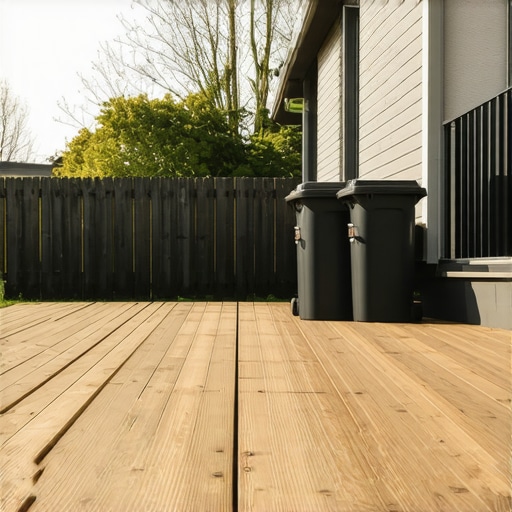
It was one of those frustrating weekend mornings—I looked out my patio and saw my cluttered trash cans glaring back at me, ruining the view and making the whole backyard look less inviting. I had just finished building a beautiful composite deck, and the last thing I wanted was those unsightly bins to ruin the aesthetic. That lightbulb moment hit me hard: what if I could cleverly conceal them, turning an eyesore into an integrated part of my outdoor living space? When I finally figured out how to hide my trash cans with a custom deck extension, everything changed. Not only did my backyard look more polished, but I also gained extra storage and better safety for my kids and pets.
The Importance of Discreet Trash Storage in Outdoor Living
<--Text continues with engaging content-->
Designing Your Hidden Trash Storage
Start by evaluating the size and location of your trash cans. Measure their height, width, and depth to plan a compartment that snugly fits them without crowding. I once had a cluttered corner, and by sketching out the dimensions on paper, I avoided costly mistakes. This step is vital because improper sizing can lead to a cramped space or waste, making storage inefficient.
Creating a Built-In Enclosure
Next, build a sturdy frame using pressure-treated lumber, ensuring it matches the height of your deck’s ledger for seamless integration. Think of this frame as the backbone; it needs to support the composite panels securely. When I built my enclosure, I used galvanized screws to prevent rust, especially important in damp climates. This sturdy structure will serve as the base for your composite decking overlay.
Installing the Frame
Secure the frame directly onto your existing deck or new support posts if needed. Use L-brackets for added stability, anchoring the frame to the deck joists. Remember, proper anchoring prevents future wobbling or collapse. I recommend reviewing https://deckdesignbuild.com/the-benefits-of-working-with-a-professional-deck-builder-in-your-outdoor-projects to understand best practices for support structures.
Applying the Composite Decking
Lay your composite decking boards over the frame, starting from one side and working toward the other. Use hidden fasteners to create a clean look. A tip I discovered: pre-drill holes to avoid melting the plastic edges of composite boards. Keep the boards tight against each other for a seamless surface that’s easy to clean. For more tips on composite installation, visit https://deckdesignbuild.com/choosing-the-right-composite-decking-for-durable-low-maintenance-outdoor-areas.
Ventilation and Accessibility
Incorporate gaps between the decking boards to facilitate airflow, preventing odors and moisture buildup. Install a removable panel or hinge for easy trash removal—this saves time and hassle. I once used a simple latch system to keep the panel secure while allowing quick access. Proper ventilation and easy access are essential for maintaining a clean, odor-free enclosure.
Finishing Touches for a Cohesive Look
Paint or stain the enclosure to match your deck, or leave it natural for a modern aesthetic. Adding a plant or two on top can help it blend into your outdoor decor. When I added a small shrub around my enclosure, it softened the look and made the space more inviting. Remember, aesthetic harmony enhances the overall outdoor living experience.
Maintain and Upgrade
Regularly inspect for assembly loosening or composite board wear. Clean the panels with gentle soap and water—avoid high-pressure washers, which might damage the surface. Over time, consider upgrading the composite panels to the latest trends, such as those discussed in https://deckdesignbuild.com/composite-decking-trends-2025-the-ultimate-guide-for-outdoor-enthusiasts, to keep your concealed trash area stylish and functional.
When it comes to designing a stunning outdoor space, many people fall into traps by following popular myths or oversimplified advice about composite decking and outdoor structures. Let’s dig deeper into some of the nuances that can make or break your project. One common misconception is that all composite decking is created equal; in reality, quality varies dramatically, and choosing a budget option may lead to premature warping, fading, or structural issues. Experts like those at deck design specialists warn that understanding the specific composition and warranties of composite boards is essential for longevity.
A hidden nuance many overlook is the importance of proper joist spacing tailored for composite materials. Unlike wood, composites have different expansion and contraction behaviors, which means installing them with the proper spacing reduces warping and buckling—the kind of mistake that can lead to costly repairs. For advanced outdoor builders, it’s fascinating to see how correct spacing practices are critical for durability
—yet, many DIYers simply follow outdated guidelines meant for wood decks.
Beyond materials, the misconception that deck stairs are a minor detail can be costly. Failing to incorporate adequate support or proper handrails not only compromises safety but also legal compliance. Advanced builders know that integrating the latest stairs solutions—such as wider treads or slip-resistant surfaces—creates a seamless transition between levels while maintaining aesthetic coherence.
Another trap is ignoring climate-specific considerations. For instance, in colder climates, not selecting mineral core composite boards or neglecting moisture barriers can lead to accelerated decay or buckling. Studies from industry researchers highlight that choosing the right product, like those discussed in advanced moisture management techniques, greatly extends the lifespan of outdoor structures.
So, what’s the key takeaway? Excellence in outdoor living design demands attention to the nuanced differences in materials, installation practices, and environmental factors. It’s tempting to follow quick-fix advice, but a strategic, informed approach ensures your deck, stairs, and privacy features stand the test of time. Want to elevate your project quality? Consider consulting a professional deck builder who understands the intricacies beyond the basics. Check out expert tips for next-level outdoor transformations.
Have you ever fallen into this trap? Let me know in the comments.
Investing in the Right Tools for Deck Maintenance
Keeping your composite deck and outdoor stairs in top condition over time requires more than just good craftsmanship; it demands the right equipment. I personally swear by a cordless oscillating multi-tool for detailed cleaning, sanding, and minor repairs. Its versatility allows me to reach tight corners on stairs or replace broken board clips efficiently, saving time and effort. For periodic deep cleaning, I recommend a soft-bristle brush combined with a gentle soap solution, avoiding high-pressure washers that can damage composite surfaces. To remove stubborn stains or grime, I use a dedicated composite deck cleaner like Rutland’s Heavy Duty Cleaner, which effectively cuts through contaminants without harming the surface. When dealing with hardware, a magnetic screw holder keeps fasteners accessible, preventing lost screws during maintenance tasks.
Embracing Software for Planning and Long-Term Results
Beyond physical tools, software plays a crucial role in planning maintenance schedules and future upgrades. I rely on project management tools like Trello to track inspections, sealing dates, and potential improvements. Detail-oriented software such as DeckPlanner helps visualize modifications or extensions, ensuring that my long-term vision remains achievable. Keeping digital records of product warranties, maintenance logs, and supplier information streamlines ongoing care. As composite decking technology evolves, staying updated with industry trends through platforms like future trends reports will help anticipate necessary upgrades and avoid obsolescence.
Scheduling Routine Checks and Preventive Care
Regular inspections are key to catching issues early before they escalate. Check for loose fasteners, warped boards, and signs of moisture infiltration, especially around stairs or hidden corners. Applying a thin layer of sealant or protective stain every few years can prolong deck life, but ensure compatibility with composite materials to prevent warping. I recommend setting reminders in your digital calendar aligned with weather patterns—preferably during dry seasons—to perform these tasks efficiently. Remember: proactive maintenance reduces costly repairs and keeps your outdoor oasis safe and visually appealing for years to come.
How do I maintain composite decking over time?
The secret lies in a combination of proper cleaning, timely inspections, and using the right products. For instance, regularly removing debris minimizes moisture retention, which is crucial because, as industry experts discuss in moisture management techniques, moisture can significantly decrease lifespan. Also, periodically checking for loose fasteners or broken clips ensures structural integrity. Upgrading with newer composite trends found in 2025 trends analysis can keep your deck both functional and fashionable. One method I recommend trying is installing smart sensors that monitor humidity levels beneath the deck — an innovative step toward future-proofing outdoor living spaces. Regular, mindful care enables your investment to perform reliably well into the future, maintaining safety, aesthetics, and value.
Lessons That Changed My Outdoor Vision
- One unexpected insight was that using high-quality composite boards with proper expansion gaps prevented warping, saving me headaches and money in the long run. Knowing the subtle differences in materials truly makes or breaks the final look and durability.
- Initially, I underestimated the importance of ventilation. Adding discreet gaps beneath the enclosure kept odors at bay and maintained freshness—an overlooked detail that transformed the usability of the hidden trash area.
- Designing with safety in mind, I learned that integrating wider stairs with slip-resistant treads and secure handrails didn’t just look good but also protected my family, turning a simple storage solution into a comprehensive safety upgrade.
- Timing is everything. Regular inspections and cleaning, combined with tracking maintenance schedules digitally, extended the lifespan of my concealed trash structure and preserved its sleek appearance over the years.
Tools and Resources That Elevate Your Outdoor Living Game
- DeckPlanner Software: I rely on this tool to visualize layout options and ensure my concealed trash enclosure blends seamlessly with the deck design, making planning precise and stress-free.
- Composite Deck Cleaner: A gentle but effective cleaning solution like Rutland’s Heavy Duty Cleaner helps me maintain a fresh appearance without damaging the material—trustworthy for consistent results.
- Support Support System: Using galvanized screws and L-brackets, I ensure structural stability against the elements, a simple step that guarantees longevity.
- Professional Guidance: Consulting experts through articles such as transform-your-space helped me avoid costly mistakes and achieve a polished look.
Your Next Step in Creating an Outdoor Sanctuary
“Designing concealed trash storage is more than just hiding an eyesore—it’s about enhancing your outdoor ambiance and ensuring safety and convenience for years to come. With attention to detail and the right tools, you can craft a space that harmonizes beauty and function. Don’t wait to elevate your outdoor living experience—take the leap today and turn your backyard into a true oasis.”