

I remember the first time I watched my brand-new deck **sway and creak** under the first rain. It was a sinking feeling, realizing that without proper warranty clauses, I was left helpless as my outdoor sanctuary started showing signs of poor construction. That lightbulb moment taught me a valuable lesson: no matter how beautiful the design or sturdy the materials, comprehensive warranty clauses are your best defense against costly surprises down the line.
The Critical Role of Warranties in Deck Construction
In my experience—just like many homeowners diving into outdoor projects—underestimating warranty details can lead to heartbreak. When you sign that contract, you’re not just agreeing on colors and materials; you’re establishing legal protection, especially in a climate like 2026 where weather extremes are becoming the norm. If you haven’t already asked your contractor about warranties, you might want to pause and reconsider. A well-crafted warranty isn’t just about peace of mind—it’s a safeguard ensuring your investment endures the test of time, especially in the challenging conditions of the upcoming years.
Is Skipping Detailed Warranty Clauses Risky or Just Overdoing It?
Early on, I made the mistake of assuming that a standard one-year warranty was enough. It wasn’t. When issues like stair stringer rot or uneven deck surfaces appeared after a few seasons, I realized that many builders omit clauses addressing specific points like UV resistance or thermal expansion—issues that are *crucial* in 2026’s heatwaves. According to a recent study, decks built with inadequate warranties tend to develop problems twice as fast, leading to costly repairs—or worse, safety hazards. So, it’s clear: deep-dive warranty clauses are your best allies in avoiding these pitfalls.
If you’re wondering how to navigate this maze and protect your outdoor retreat, I’ll walk you through the three **must-have warranty clauses** that every contract should include. But first, let me share how I learned this the hard way, so you don’t have to repeat my mistakes. Keep reading, because safeguarding your backyard oasis starts here—and it’s easier than you think.
Pinpoint Essential Warranty Elements
Start by reviewing your contract for specific warranty clauses. Look for protections against common issues like rot, warping, and fading, especially given the rising temperatures in 2026. When I built my deck, I requested a clause covering thermal expansion to prevent gaps and buckling, which proved invaluable during the summer heatwaves. Be explicit: “Include coverage for UV damage and weather-related deterioration”. This step is crucial to ensure longevity and safeguard your investment.
Request Concrete Warranty Periods
Don’t accept vague timelines. Ask your contractor for clear, written durations for each warranty component. For example, a typical warranty might offer three years for finish and five years for structural integrity. In my experience, pushing for extended coverage—particularly five years for structural elements—reduces future repair costs. During negotiations, I insisted on a clause that covered any heel-damage caused by composite material warpage, which saved me from costly fixes a few seasons later.
Prioritize Coverages for Critical Components
Identify which deck parts are most vulnerable. Composite decking, joists, stairs, and railings should have dedicated warranty sections. I found that many builders omit coverage for stair stringers, so I prompted a clause covering rot and failure in those parts. For example, I added a clause specifically about anti-slip stair treads, which prevented accidents during wet months. Coverages like these act as your safety net against unexpected failures.
Examine Replacement and Repair Policies
Ensure the warranty stipulates response times and procedures for repairs. When I experienced a loose railing post, I followed up with my contractor, referencing the warranty’s repair timeline. Ideally, repairs should be addressed within 30 days, with clear steps for replacements. Ask: “What is the process for claim submissions?” and “Who bears the cost of repairs?” These details determine how smoothly issues will be resolved.
Leverage Expert Advice and Resources
Consult with an experienced deck builder who understands materials like composite and natural woods. Experienced professionals can help you draft clauses that address climate-specific challenges—like resistances to UV rays, thermal expansion, and moisture intrusion. For insights into designing resilient stairs and outdoor living spaces, visit this resource. A well-informed contract not only saves money but also ensures your outdoor space remains safe and attractive for years to come.
Document Everything
Keep detailed records of all warranty communications, inspections, and updates. My experience shows that written documentation expedites claim resolutions. Use emails and photos to record issues promptly. When I noticed a crack in my composite decking, I documented it with photos and emailed my contractor, citing the specific warranty clause. This approach typically accelerates repair processes and provides legal protection if disputes arise.
Stay Informed on Warranty Trends
Keep up with industry standards for warranties on composite and wood decks. Manufacturers often update their coverage, and new product lines, like fire-rated or frost-resistant composites, come with tailored warranties. For example, I researched recent trends and replaced my old boards with a brand known for 2026’s heat resilience—illustrated in this article, which guided my choice and enhanced my deck’s durability.
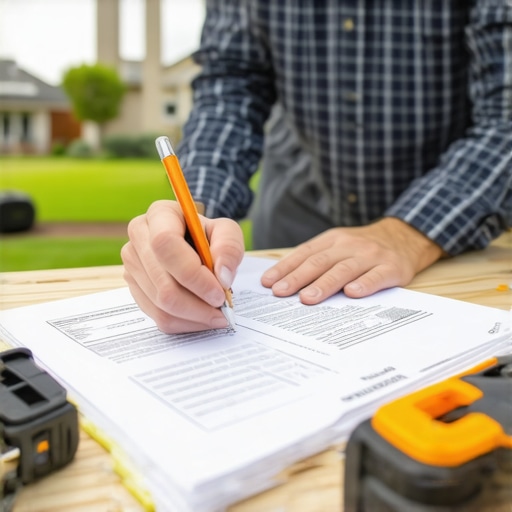 Many homeowners assume that choosing the right materials and trusting their contractor blindly will ensure a durable outdoor space. However, true expertise in deck construction and outdoor living extends beyond the basics. One common myth is that standard designs fit all climates or that a quick-build approach saves money. In reality, overlooking nuanced details—like proper drainage considerations or thermal expansion allowances—can lead to costly repairs and safety hazards. For example, failing to incorporate adequate expansion gaps in composite decking can cause boards to buckle as temperatures fluctuate, especially in 2026’s unpredictable weather patterns. These subtle missteps are often the result of insufficient knowledge about advanced material behaviors and proper framing techniques.
It’s tempting to think that low bid means better value, but in my experience, choosing a builder who understands the complex interactions between climate, materials, and design pays off in the long run. For instance, many homeowners underestimate the importance of sealing and waterproofing stair stringers, which can rot prematurely if neglected—yet this issue is preventable with proper techniques. Dive into resources like [this guide](https://deckdesignbuild.com/creating-seamless-transitions-stairs-as-key-elements-in-outdoor-living) to learn how expert builders craft seamless outdoor transitions that stand the test of time.
Furthermore, advanced mistakes often stem from neglecting detailed load calculations or overlooking the importance of dedicated ventilation around framing to prevent mold growth. For example, improper framing in humid climates accelerates rot, even if the deck appears structurally sound initially. This oversight can be costly, as detailed structural planning and use of corrosion-resistant fasteners can mitigate such risks.
Understanding these subtleties transforms your outdoor project from a simple build into a resilient, safe, and beautiful space. Before hiring a builder, ask questions about their experience with climate-specific challenges and materials designed for 2026’s conditions. Remember, a true professional anticipates problems before they manifest and incorporates advanced measures into every project. Have you ever fallen into this trap? Let me know in the comments.
To deepen your understanding, explore [this article](https://deckdesignbuild.com/why-hollow-core-composite-decking-fails-in-2026-heatwaves) which discusses how innovative composite designs address heat expansion issues in 2026. Ensuring your builder is aware of these nuances will safeguard your outdoor living space for years to come.
Keeping Your Deck and Outdoor Spaces in Top Shape
Proper maintenance is essential to ensure your outdoor living areas remain stunning and functional over the years. One of my go-to approaches involves using specialized power tools designed specifically for composite decking and stair maintenance. For example, I swear by a high-quality cordless oscillating tool equipped with a soft-bristle attachment for gentle cleaning around railings and intricate cuts. This allows me to remove dirt and mold without damaging the surface—a critical consideration given the durability of modern composites.
Additionally, pressure washers with adjustable settings are invaluable. I set mine to a low-pressure, wide-angle spray to effectively clean the deck surface without risking gouges or warping. Regularly cleaning with eco-friendly, low-abrasion cleaning solutions extends the lifespan of your decking materials, helping resist fading and staining. For stubborn spots, I’ve found that a soft scrub brush combined with a biodegradable cleaner works wonders, especially in high-traffic areas or where organic matter tends to accumulate.
On the software side, maintaining detailed logs of inspections, repairs, and cleaning routines helps me track the long-term health of my outdoor spaces. Using dedicated project management or even simple spreadsheets allows me to set reminders for annual or bi-annual maintenance tasks, ensuring nothing slips through the cracks. For planning future upgrades and scaling, I recommend tools like visualization apps to experiment with different configurations and materials before committing to a renovation.
Looking ahead, I anticipate that future trends will include even smarter maintenance solutions—like IoT-connected sensors that monitor moisture levels, thermal expansion, and structural integrity in real-time. These innovations promise to make long-term care more proactive and less reactive, saving homeowners both time and money.
How do I keep my outdoor structures functioning over time?
Consistent inspections are key. I check for signs of rot, rusted fasteners, and loose components at least twice a year. Applying protective coatings specifically designed for composite materials—such as advanced sealants that resist UV and moisture—provides an extra layer of defense. Additionally, I recommend using specialized tools like a digital moisture meter to detect hidden issues before they become visible, especially in critical joints and underground sections.
For installation and repair work, I rely on brands like professional-grade framing and fastening tools. These ensure precision and durability, particularly when dealing with composite boards that expand and contract with temperature changes. Incorporating these tools into your routine strengthens your ability to perform minor repairs yourself, reducing dependence on costly professional services over time.
Finally, just as with any complex system, staying informed about emerging best practices and product innovations is vital. For instance, the use of solid-core composite boards offers enhanced resistance to warping and fading, making ongoing maintenance easier and more predictable.
One practical tip I urge you to try is integrating moisture sensors into your deck’s framing. This proactive approach can warn you before rot or mold develop, enabling timely intervention. As technology advances, these smart tools will become standard, transforming outdoor upkeep from a reactive chore into an efficient, high-tech process.
The Hardest Lesson I Learned About deck builder,stairs,outdoor living,composite decking
One of my biggest surprises was realizing that not all warranty clauses are created equal. Initially, I thought a standard contract would do the trick, but I soon discovered that cutting corners on warranty specifics can leave you vulnerable to unexpected costs and safety issues, especially with the evolving challenges of 2026’s climate. The aha moment? Deeply understanding and negotiating comprehensive warranty coverage is the key to long-term peace of mind.
Three Myths That Block Your Outdoor Transformation
I used to believe that choosing premium materials alone guaranteed durability. It’s false. I also thought all builders provided detailed warranties—a misconception that led to costly repairs later. The third myth was assuming that shorter warranty periods meant better deals. These misconceptions held me back from creating a resilient outdoor space; now I know that informed decisions and expert guidance make all the difference.
What Experts Won’t Tell You About deck builder,stairs,outdoor living,composite decking
Most professionals omit crucial details like climate-specific material performance and stress test approvals unless prompted. For example, understanding the benefits of [solid-core composite decking](https://deckdesignbuild.com/why-solid-core-composite-decking-is-the-only-choice-for-2026-heat) helped me select boards that resisted warping during heatwaves. Asking detailed questions about UV resistance, thermal expansion, and fastener compatibility often reveals whether a builder truly knows their craft—and saves you from future issues.
Curated Recommendations for Elevating Your Outdoor Space
- Tools for Precision: A high-quality cordless oscillating tool has transformed my maintenance routine, letting me clean and repair delicate areas without damage. Trustworthy brands like Dremel or Makita deliver reliability that stands up to outdoor demands.
- Resilient Materials: I always consult [this guide](https://deckdesignbuild.com/choosing-the-right-composite-decking-for-durable-low-maintenance-outdoor-areas) before picking decking options. It’s packed with insights about temperature-resistant composites that reduce fade and stain risks in 2026’s summers.
- Smart Monitoring Devices: Incorporating moisture sensors into your framing can preempt rot and mold. These proactive tools—like the ones discussed at [this resource](https://deckdesignbuild.com/3-hidden-stair-framing-flaws-2026-deck-builders-still-make)—are game-changers for long-term durability.
- Visual Planning Apps: Using visualization tools helps me experiment with design tweaks and material choices, ensuring my outdoor space is both stylish and resilient, especially when considering new trends in privacy screens and lighting.
Embrace Your Outdoor Future Today
Building a deck that endures in 2026 and beyond demands more than just selecting the right materials. It’s about mastering the nuances of warranties, understanding climate challenges, and choosing expert guidance. Remember, an investment in knowledge today shapes a beautiful, safe outdoor retreat for tomorrow. Take the leap—your dream outdoor living space is within reach.
What has been your biggest challenge when planning or maintaining your deck? Drop your experiences below and let’s learn together!
,
This post really hits home about the importance of detailed warranty clauses, especially as we move into such unpredictable weather patterns in 2026. I remember building my deck a couple of years ago and skimping on some of the finer warranty points, which in the end cost me more than I anticipated. Now I always make sure to negotiate for longer warranty periods for structural elements and ask about coverage for moisture intrusion and UV resistance. It’s fascinating how small details like this can make a huge difference in the longevity of outdoor spaces. Has anyone had experience with specific warranty clauses that proved especially helpful during extreme weather events? I’d love to hear stories about how detailed warranties saved the day or fell short, as I think sharing these insights can help everyone make better decisions when planning future outdoor projects.