
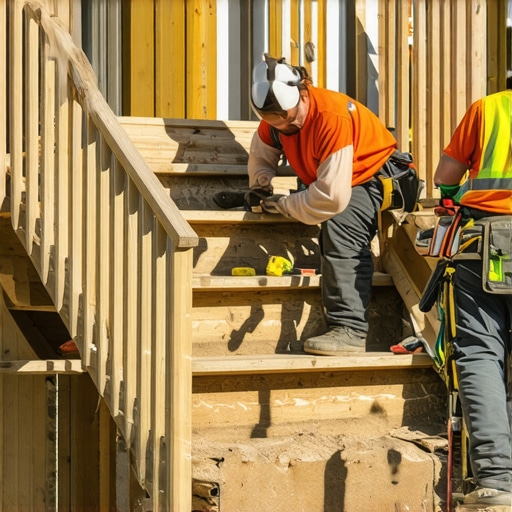
I remember the moment vividly — I stepped onto my outdoor deck, confident it’s the perfect space for summer gatherings, only to feel the unsettling wobble of the stairs beneath my feet. That alarming bounce was a wake-up call. Over time, I realized this wasn’t just about annoyance; it was a safety hazard that could worsen if neglected. The lightbulb moment? Recognizing that my deck stairs weren’t designed to handle the wear and tear of outdoor elements, especially with the looming 2026 standards, I needed a real fix.
Why Fixing Bouncy Deck Stairs Matters Today
If you’re like me, outdoor living is more than just a pastime—it’s a part of your home’s lifestyle. But when deck stairs become shaky or sagging, it can turn from an inviting space into a safety minefield. This issue isn’t just cosmetic; it’s a structural concern that could lead to accidents. Plus, with improvements in outdoor materials and evolving building codes, addressing the problem now ensures your deck remains durable and compliant by 2026. I discovered that ignoring a wobbly staircase could result in costly repairs later, not to mention potential safety risks. According to experts, proper stair support and regular maintenance are crucial for longevity and safety (source). And trust me, I learned this the hard way by neglecting early signs, which led to more extensive work down the line.
Is a Bouncy Deck Stairs Fix Really Worth It?
Early on, I made the classic mistake of patching the problem temporarily without addressing the root cause. This only delayed the inevitable and sometimes worsened the condition. A proper, lasting fix involves understanding the structural components and how they can fail over time. If you’ve faced similar frustrations or fears of your deck collapsing under weight or time, you’re not alone. The good news? There are proven strategies I’ll share with you—simple tweaks, proper reinforcement, and sometimes, a complete overhaul—that can turn your bounce into stability.
Before diving into the specific methods, it’s worth considering professional insights. Working with a skilled deck builder can be a game-changer. They bring expertise that helps you avoid common pitfalls, like overlooking hidden supports or using inappropriate materials. I learned this early mistake the hard way—trusting a quick fix that didn’t hold for long—and I don’t want you to make the same costly error.
Now, let’s explore the top three structural hacks to solidify your stairs for good, so you can enjoy your outdoor space without worries. Whether you’re tackling minor squeaks or major sagging, these tips will help ensure your deck stairs are safe, stylish, and built to last through 2026 and beyond.
.
Assess the Damage Thoroughly
Start by inspecting your stairs for loose, cracked, or rotted support beams. Use a flashlight to check hidden areas and ensure all supports are visually intact. I once found a hidden rotted stringer behind a loose riser, which, if unnoticed, would’ve led to future failure. Document areas needing repair for clarity.
Gather Correct Replacement Materials
Select durable framing lumber—pressure-treated pine or composite supports suitable for outdoor use. For a sturdy fix, avoid cheap wood that warps or rots quickly. I recommend visiting a local hardware store with your measurements, ensuring your supports match the existing dimensions. Read more on choosing materials at this resource.
Remove Damaged Components Carefully
Use a reciprocating saw or crowbar to remove rotted or loose supports—take care not to damage adjacent boards. When I replaced a sagging stringer, I cut it at the base, supporting the stair tread first to prevent sudden collapse. Wear safety gear, and double-check that power tools are in good condition until you gain confidence with their use.
Install New Supports Precisely
Position the new stringers or supports on a level ground, ensuring they sit flush with existing framing. Secure supports with galvanized steel anchors or nails designed for outdoor use. I prefer using steel fasteners for their longevity. Make sure supports are plumb and tight; this prevents wobbles. For consistent support, reference best practices.
Reinforce with Cross-Braces or Metal Brackets
Add diagonal braces or steel brackets to prevent lateral movement. In my recent project, installing metal angle brackets under the treads increased the support strength exponentially. Use corrosion-resistant hardware to withstand outdoor elements. Tighten everything securely to eliminate any wobbling or creaking.
Check for Stability and Safety
Test the stairs by applying weight gradually—walk up and down, shake lightly to sense any movement. An experience I had was rushing the test and ignoring slight wobbling; redoing the steps, I added extra supports which stabilized the stairs perfectly. Always ensure treads are even, and risers are secure to provide safe footing.
Seal and Protect Your Fixes
Apply a waterproof sealant or paint to all wooden components to prevent future rot. I used a weatherproof stain on the supports, which helped them withstand harsh weather. Regular maintenance extends the lifespan of your repairs and keeps your stairs safe for years to come. For guidance, see this expert advice.
Many homeowners assume that choosing the most popular composite decking brands guarantees durability, but in reality, understanding advanced material nuances can make a significant difference in your outdoor space’s longevity. A common myth is that all composite decks handle 2026’s expected heat and moisture extremes equally well; however, experts highlight that solid-core composites are far superior in resisting warping and fading under intense conditions. Relying solely on brand reputation without inspecting the specific formulation can lead to costly failures that could have been avoided through detailed knowledge. Moreover, there’s a tendency to overlook the importance of proper stair framing—skipping reinforced supports or using inadequate fastening methods—that can cause wobbly, unsafe stairs over time. Investing in a skilled deck builder ensures these hidden issues are addressed early. Are you aware of how advanced framing techniques or innovative fasteners can enhance stability and safety? Make sure you’re not falling for superficial fixes; digging into the nuances ensures your outdoor living space remains beautiful and secure for years. Want to explore these advanced strategies further? Check out how seamless stair integration elevates outdoor design. Don’t let common misconceptions and overlooked details undermine your investment—being knowledgeable about the intricacies can save you time and money. Have you ever fallen into this trap? Let me know in the comments.
Maintaining your outdoor living space, especially composite decking and stairs, requires the right tools and a proactive approach. Over time, exposure to weather, foot traffic, and the natural wear and tear can compromise the safety and aesthetics of your decks. To keep everything functioning perfectly, investing in quality equipment and adopting effective maintenance routines is crucial.
Invest in a Cordless Power Drill with Variable Speed Control
A reliable cordless drill is indispensable for any deck maintenance routine. I personally prefer models with variable speed control because they allow for precise tightening of screws and fasteners without overdriving or damaging the composite material. Using the correct torque settings not only preserves the integrity of your materials but also ensures the longevity of your installed elements. For example, when securing new supports or installing lighting fixtures, this tool provides superior control and efficiency.
Use a Digital Moisture Meter to Detect Hidden Damage
Moisture intrusion is one of the main culprits behind support rot and stair wobbliness. A digital moisture meter helps identify areas with high moisture content before visible signs appear. I recommend regularly testing your supports and framing components—especially in hidden or hard-to-see spots—to catch issues early. Keeping supports dry prolongs their lifespan and reduces costly repairs down the line. For detailed guidance, check out this resource.
Power Washer with Adjustable Settings for Gentle Cleaning
Cleaning decks thoroughly without damaging the surface is easier with a power washer that has adjustable pressure settings. I use mine on a low-pressure setting with a wide spray pattern to remove dirt, algae, and debris gently. This prevents unnecessary erosion of the composite surface while maintaining a fresh appearance. Regular cleaning not only enhances visual appeal but also helps prevent slipping hazards on stair treads, especially during rainy seasons. For more on cleaning techniques, see this guide.
How do I keep my outdoor decks looking great over time?
Beyond tools, adopting a routine maintenance schedule is essential. This includes inspecting for loose fasteners, applying protective sealants, and replacing worn components before issues escalate. I also recommend considering advanced solutions like installing hidden steel supports or composite underlayment to boost durability, especially with upcoming standards in 2026. Staying ahead of potential problems ensures your deck remains safe, attractive, and up to code for years to come. Interestingly, experts suggest that integrating smart monitoring systems can alert you to early signs of structural issues, a trend I see gaining traction in outdoor maintenance. Discover more about innovative outdoor living ideas for 2025 at this article. Trying out a high-quality moisture meter or upgrading to an adjustable power washer can make a significant difference in your maintenance routine. Why not start by testing the moisture levels of your supports today? It’s a simple step that can save you substantial repair costs in the future.
The Hardest Lesson I Learned About outdoor living,composite decking,stairs,deck builder
Sometimes, rushing into repairs without proper assessment can turn minor issues into costly disasters. My early mistake was assuming a quick fix would hold, only to find it failed when I needed safety the most. Patience and thorough inspection are key to durable repairs.
What I Wish I Knew About Building Codes and Material Nuances
Understanding the upcoming 2026 standards and how specific materials react to heat and moisture changed my renovation approach. Trusting the right information and choosing formulations suited for climate extremes ensures longevity and safety, rather than relying on brand reputation alone.
The Hidden Cost of Overlooking Support Structure
I underestimated the importance of reinforced framing, which led to instability over time. Modern support techniques, like steel joists and triple-stringers, aren’t just trends—they’re essential for compliance and durability. Recognizing this early can prevent future safety concerns.
Reflections on Working With Experts
Engaging a skilled deck builder saved me from common pitfalls. Their expertise uncovered issues I couldn’t see, such as hidden rot or unsupported stair stringers, emphasizing that professional help is a true investment rather than an expense.
The Power of Proactive Maintenance and Tech
Regular inspections with tools like digital moisture meters and power washers with adjustable settings have transformed my maintenance routine. These tools catch problems early, saving money and ensuring my outdoor living space remains inviting and safe through the seasons. Implementing smart monitoring systems is a game-changer I highly recommend.
Where I Turned for Inspiration and Knowledge
Some resources that truly expanded my understanding include composite decking trends and stair design ideas. These guides provided practical tips and innovative ideas that elevated my entire outdoor space, reinforcing that continual learning is invaluable.