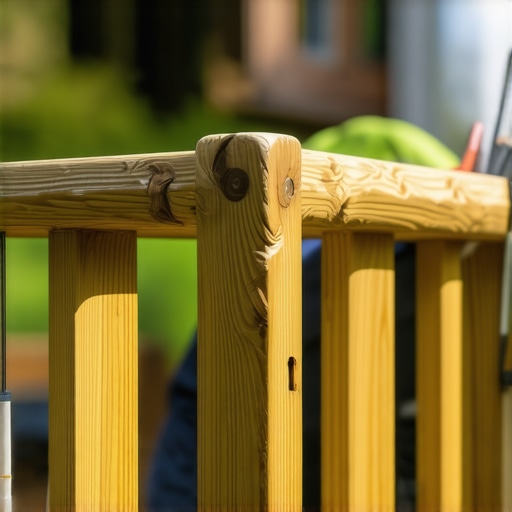
It was a sunny Saturday afternoon when I reached out to grab my favorite outdoor mug, only to be met with a frustrating wobble in my deck railing. That unsettling jiggle made me realize: my precious backyard sanctuary needed immediate attention. If you’ve ever leaned against your deck railing and felt it shift beneath your hand, you know exactly what I mean—it’s that tiny, nagging worry that your outdoor oasis isn’t as secure as you thought.
Why Loose Deck Railings Are More Than Just an Annoyance
A loose railing isn’t just an inconvenience; it’s a safety concern. Every year, countless outdoor injuries occur due to poorly secured railings, especially in homes with kids or elderly family members. Not to mention, a wobbly railing can dramatically diminish your deck’s aesthetic appeal, making the entire space look neglected and unsafe. Imagine hosting friends and suddenly noticing that your deck’s stability feels compromised—it’s enough to ruin the vibe.
But here’s the kicker: most of us don’t realize that the fix might be simpler than we think. If your railing has started to feel loose, it likely means the fasteners or support posts need tightening or replacing. Early intervention can prevent more extensive damage and preserve your outdoor space’s integrity.
Is Fixing a Loose Railing Honestly Worth the Hassle?
I remember making the mistake early on of assuming that a wobbly railing was just a cosmetic issue or, worse, something I could ignore until it became critical. That was a costly oversight. In fact, neglecting it could lead to more severe structural problems or even accidents. As an experienced deck builder emphasizes, “Addressing railing issues early can save time, money, and potentially prevent injuries” (source: [How a Skilled Deck Builder Can Turn Your Garden Into a Private Oasis](https://deckdesignbuild.com/how-a-skilled-deck-builder-can-turn-your-garden-into-a-private-oasis)).
If you’re like me, you want your outdoor living area to be both beautiful and safe—without the looming worry that your deck might give way. Now, let’s dive into how you can tighten and secure those rebellious railings, restoring peace of mind and style to your backyard.
Assess the Damage and Gather Your Tools
Start by inspecting your railing to identify loose or wobbly areas. Use a sturdy ladder to reach the top and look for loose fasteners or support posts. For tools, you’ll need a cordless drill, screwdriver bits, replacement fasteners (bolts, nuts, or screws), a wrench, and safety gear like gloves and goggles. Remember, a thorough initial assessment saves you from missed issues during repair.
Remove and Replace Faulty Fasteners
Loosen and remove any rusted or stripped fasteners using the cordless drill or screwdriver. Compare old fasteners with new ones of the same size and type to ensure a secure fit. When replacing, consider upgrading to stainless steel fasteners for better durability against weathering—especially important in coastal or humid areas. This step is akin to replacing worn-out bolts in machinery, ensuring your railing’s core support remains strong.
Tighten Support Posts Properly
If support posts are wobbly or unsteady, they may need reinforcement. Use a wrench to tighten base bolts or screws attaching posts to the deck framing. For posts embedded in concrete footings, check for movement and consider adding adjustable post saddles or shims. Secure support posts help maintain the railing’s integrity, much like braces stabilize a leaning ladder, preventing future wobble.
Apply Sealant and Reinforce Joints
Once fasteners are tightened, apply a weather-resistant sealant around joints and fasteners to prevent moisture intrusion, which accelerates corrosion. For added support, install additional brackets or blocking between support posts and the deck framing—similar to adding braces to a structure under construction. These reinforcement techniques prolong the lifespan of your railing and maintain safety.
Test and Finalize the Fix
Gently shake the railing to assess stability after adjustments. Ensure all fasteners are snug and support posts are firm. If there’s still play, repeat the tightening process or replace stubborn fasteners. Finishing this step provides confidence that your railing can withstand wind or accidental bumps, much like tightening the bolts on a well-built staircase.
Upgrade for Aesthetics and Safety
Consider replacing worn-out support brackets with modern, corrosion-resistant designs available through your local deck builder. Enhancing your railing’s appearance not only improves safety but elevates your outdoor space’s overall vibe, aligning with current design trends seen in outdoor living ideas.Many homeowners and even seasoned deck builders fall prey to misconceptions about composite decking, stairs, and outdoor design that can lead to costly mistakes. Let’s dig deeper into some of these nuanced pitfalls that are often overlooked. Contrary to popular belief, composite decking isn’t entirely maintenance-free—certain brands require specific cleaning protocols to prevent discoloration, and assuming all composites behave similarly can be a mistake. Expert insights from the deck building industry suggest that understanding the composition and warranties of your chosen product is crucial for longevity. Moreover, many believe that composite decks are immune to weather effects, but UV exposure and moisture can cause warping or fading if the material isn’t rated for your climate. This nuance often escapes casual DIYers. When it comes to stairs, a common myth is that standard stringer calculations suffice; however, advanced load calculations and proper riser-tread ratios are vital for safety and comfort, as highlighted by stair design experts. Ignoring these details can lead to uneven steps or structural failure over time. One trap to avoid is overestimating the ease of designing seamless transitions between different outdoor levels. In my experience, neglecting proper framing techniques or not incorporating a professional’s input can result in awkward elevations or safety hazards. For a sophisticated project, consider consulting your local deck builder to ensure smooth flow and structural integrity. Are you aware that many overlook the importance of including slip-resistant surfaces on stairs, especially in moist environments? This simple addition can prevent accidents significantly. Another subtle mistake is underestimating the impact of proper lighting on outdoor stairs and decks, which can compromise safety after sunset. External experts warn that poor lighting setup not only diminishes usability but also creates aesthetic pitfalls, detracting from your outdoor area’s allure. Building a deck or stairs isn’t just about placing boards and supports; it involves strategic planning—consider how integrating innovative outdoor living ideas can enhance both functionality and style. Remember, a well-designed deck elevates your entire outdoor experience. Do you think composite materials are truly low-maintenance? Or have you encountered the unexpected cleaning challenges? Share your experience, and let’s learn from each other. Have you ever fallen into this trap? Let me know in the comments.Maintaining your outdoor living area, especially with composite decking and custom stairs, requires not just knowledge but the right tools to ensure long-term durability and aesthetic appeal. I personally recommend investing in a high-quality cordless drill, such as the Milwaukee M18 Fuel, because of its power and battery life, making tightening fasteners or replacing hardware straightforward without interruptions. Pair this with a set of precision screwdriver bits designed for metal fasteners, which help avoid stripping screws and ensure strong, reliable connections. For assessing the stability of your railings and support posts, a digital level like the Johnson Level & Tool 48″ is invaluable—it guarantees that your structures are perfectly aligned, preventing uneven wear over time. When it comes to sealing joints and reinforcing connections, a weather-resistant sealant like Dicor 552LS Lap Sealant is my top choice; it provides a durable barrier against moisture ingress, extending the lifespan of your railing system. For cleaning composite surfaces without causing scratches, I prefer the McCulloch MC1275 Heavy-Duty Steam Cleaner because it effectively removes dirt and stains using hot steam, reducing the need for harsh chemicals.Thinking ahead, I believe the future of outdoor maintenance is moving toward smart tools equipped with Bluetooth connectivity that monitor wear and alert you for inspections, making upkeep even more manageable.
How do I maintain my outdoor structures over time?
Regular inspections are the backbone of upkeep. Use a digital level to check for shifts in your deck’s surface or support posts—any movement here signals potential issues before they escalate. Clean your composite decking with a soft-bristle brush and steam cleaner periodically to prevent stain buildup, and seal joints annually with quality weatherproof sealant to fend off moisture damage. Upgrading fasteners to stainless steel variants can also prevent corrosion, especially if your area experiences harsh weather or salt air. As another layer of protection, consider installing a concealed fastener system, which not only offers a sleek, finished look but also reduces exposure to elements that cause rust or loosening. Remember, the key to a beautiful outdoor space is consistent care, leveraging the right equipment, and staying vigilant to early signs of wear. Try out the sealing technique with Dicor sealant on your deck’s joints this season—it’s a simple step that pays off in durability and safety. For tailored advice or detailed project support, don’t hesitate to contact a professional deck builder through our contact page. Proper maintenance combined with the right tools makes all the difference in preserving your outdoor sanctuary for years to come.
Unspoken Lessons in Deck Durability That Changed My Approach
One key realization I had was the importance of proactive maintenance over reactive fixes. Waiting until a railing wobbles or a support post shows signs of fatigue often leads to costly repairs or safety hazards. Regular inspections and early tightening can save you time and money, and ensure your outdoor space remains inviting and secure. Additionally, I learned that upgrading fasteners to corrosion-resistant materials not only extends the lifespan of your deck but also maintains its aesthetic appeal for years to come. Lastly, consulting with professionals has been invaluable in understanding the nuanced differences in materials and design, which can make all the difference between a safe deck and a potential hazard.
Tools and Resources That Make Deck Safety Easier
My go-to toolkit includes a high-quality cordless drill with precision screw bits, which simplifies fastener replacement. A digital level helps verify structural alignment, catching issues before they become major problems. For sealing joints and reinforcing support posts, I rely on weatherproof sealants like Dicor 552LS Lap Sealant—trustworthy for prolonged outdoor exposure. For cleaning composite decking without damage, a steam cleaner such as the McCulloch MC1275 has been a game-changer, removing stains and grime effortlessly. These tools, paired with trusted resources like professional guides and industry insights, keep my outdoor spaces safe and beautiful, season after season.
Your Next Step Toward a Safer, More Beautiful Deck
Taking action now can transform your outdoor living area into a sanctuary that lasts for decades. Remember, a well-maintained deck not only enhances your home’s value but also provides peace of mind when hosting loved ones. Whether you’re tightening a loose railing or upgrading support brackets, each small step builds toward a stunning, safe outdoor oasis. So, what’s your first move toward reinforcing your deck, and how do you plan to enjoy it in the seasons ahead? Let’s keep the conversation going—share your experiences or questions below to inspire others in their outdoor living journeys.