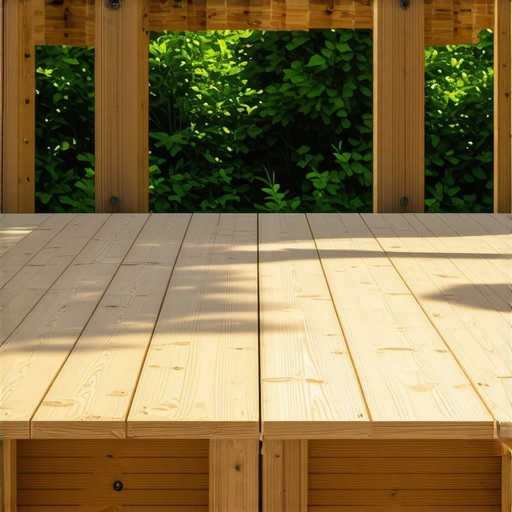
I vividly recall the day I stepped onto what I thought was a beautifully crafted deck. It looked stunning from afar, but as I approached, I was greeted not by the inviting space I envisioned, but by warped boards, squeaky stairs, and a feeling that something was just…off. It was a real lightbulb moment for me—realize that beauty alone doesn’t guarantee value or long-term enjoyment. Have you ever built or admired a deck that looked perfect but lacked that certain charm or functionality, only to find it aging poorly or missing that wow factor? If so, you’re not alone.
Why Timber-Frame Accents Might Be the Game-Changer You Need
One of the most overlooked ways to add instant value—and genuine appeal—to your outdoor space is incorporating timber-frame accents. These features aren’t just about aesthetics; they also bring structural integrity, warmth, and timeless style. Ever wondered why some decks feel more inviting and upscale without breaking the bank? The secret often lies in thoughtful details like these, which can turn a mundane deck into the backyard retreat of your dreams. According to a recent 2025 outdoor living trend report, homeowners are increasingly prioritizing design elements that blend function with charm—timber accents are at the top of that list.
Is All the Hype About Timber Accents Just Style?
Now, I admit, I was initially skeptical about investing extra time and money into accents when I was first planning my deck. I made the mistake early on of thinking that trimming and decorative touches were unnecessary frills. But I quickly learned that these small details have a big impact. Properly executed timber-frame details can add substantial value, both visually and in durability. They help define spaces, conceal less attractive structural elements, and elevate the overall aesthetic, making your deck stand out in your neighborhood. Want to learn how to do this right? Check out tips from experts or get prompts to avoid common pitfalls by exploring the transformative power of seamless transitions and accents. After all, upgrading your outdoor area is about more than just materials; it’s about creating an experience—something I’m eager to help you achieve.
Plan Your Design Precision Before Cutting
Start by sketching your deck layout, deciding on locations for timber accents, stairs, and seating areas. I once spent an entire day measuring and re-measuring my space, only to realize I had miscalculated the stair stringer length. To avoid this, use a laser level and a detailed blueprint to ensure everything aligns perfectly. This preparation lays the foundation for a smooth construction process.
Choose the Right Materials for Long-Term Satisfaction
Select composite decking that resists moisture, UV damage, and warping. For example, capped polymer composites offer superior durability and low maintenance, suitable for various climates. When I opted for a mineral core board for an outdoor project, I noticed less expansion during hot days, reducing my worries over warping. Review options like those in the composite decking guide.
Construct a Solid Foundation for Safety
Begin by installing robust footings and support beams, ensuring they are level and anchored correctly. I once overlooked a soil shift and faced a sagging deck after a year. To avoid this, I should have used a moisture barrier under the support posts, which I later added for added stability. Use post anchors and double-verify levels before proceeding to framing.
Frame with Precision and Attention to Detail
Build the rim joists and intermediate supports using galvanized fasteners to prevent rust. I remember cursing the noise and rust buildup from using inferior nails. Replacing them with stainless steel screws made a noticeable difference. Consider using hidden fasteners for composite boards to achieve a clean surface, and ensure spacing between boards accommodates expansion and contraction. Review fastening techniques to get a seamless appearance.
Install Staircases That Are Both Safe and Stylish
Support stair stringers with blocking and ensure treads are wide enough—wider treads give a luxurious feel and increase safety. I once installed narrow stairs, which felt cramped and wobbly, so I replaced them with wider ones, adding grip-friendly fascia. Use stringer templates for consistency, and attach treads securely with corrosion-resistant screws. For added safety, incorporate low-profile lighting into stair risers, following professional lighting tips.
Finish with Timber Accents for Style and Functionality
Frame your deck edges and stairs with timber beams to add warmth and structure. I cut and stained each piece carefully, using a jig to ensure clean mitered corners. This not only enhanced the visual appeal but also protected the edges from weathering. Remember to seal timber with a weatherproof finish to extend its lifespan and maintain aesthetics. Think of timber accents as the jewelry of your deck—small details that elevate the overall look and feel.
Seal and Protect for Longevity
Apply a weatherproofing stain to timber accents and a protective coating on composite surfaces. I learned this the hard way by neglecting sealing the timber, leading to early warping. Regular maintenance, like reapplying sealants every couple of years, keeps your deck looking pristine. Use sealers compatible with your chosen materials, and ensure proper application techniques for even coverage.
Final Checks and Adjustments
Walk through your completed deck, testing stability and adjusting loose fasteners. I once missed a loose stair tread, which was fixed easily before use. Double-check all connections, ensure proper drainage, and confirm that timber accents are secure and sealed. Once everything is in place, enjoy the process of transforming your outdoor space into a sturdy, stylish retreat that combines durability with visual appeal.
Many homeowners and even some experienced deck builders share common misconceptions about composite decking and outdoor living projects. While the surface appears straightforward—select the right materials, follow basic construction steps—the nuanced realities often trip up even seasoned enthusiasts. Let’s dig deeper into the overlooked details and advanced pitfalls that can make or break your project.
Why DIY Myths About Composite Decking Can Backfire
A prevalent myth is that all composite decking products are maintenance-free and will age uniformly. In reality, not all composites are created equal. Some lower-grade products, especially those with inferior core materials, are more susceptible to fading, warping, or staining over time—especially in harsh climates. As highlighted in expert comparisons, investing in high-quality capped polymer composites and understanding their specific installation requirements is crucial for long-term satisfaction. Rushing this choice or ignoring product specifications can lead to costly mistakes.
The Hidden Trap of Improper Fastening
Many overlook that the type of fastener impacts both aesthetics and deck stability. Using nails instead of corrosion-resistant screws, or neglecting to drill pilot holes, can induce board movement, creaking, or even cupping. Hidden fasteners are often touted as the solution, but without precise spacing and correct alignment, they can leave unsightly gaps or cause surface telegraphing. This subtle detail is why working with a professional deck builder can be invaluable—they understand what tricks to employ for a flawless finish.
Are All Steps Created Equal When Building Outdoor Stairs?
Stairs are a critical component where many advanced mistakes occur. Overlooking proper support, using inappropriate stringer sizing, or not accounting for outdoor-specific materials can result in wobbly or unsafe steps. An often missed nuance is the importance of correct riser and tread calculations based on local code and slope variations—an essential for both safety and comfort. For a thorough walkthrough of how to achieve durable, safe stairs, I recommend reviewing expert stair design tips. Remember, even small inaccuracies here can turn into major safety hazards.
In all these cases, understanding the nuanced differences—like the quality of materials, fastening techniques, or precise measurements—differentiates a mediocre deck from an enduring outdoor space. Don’t fall prey to oversimplifications or outdated assumptions. Instead, approach your project with a critical eye and leverage expert insights for best results. Have you ever fallen into this trap? Let me know in the comments.
Maintaining your outdoor deck, especially one built with composite materials, requires the right tools and a strategic approach to ensure long-term performance. I personally swear by a few key pieces of equipment that streamline the upkeep process and keep my deck looking pristine. One indispensable tool is a high-quality power washer fitted with a soft brush attachment. Unlike standard pressure washers, this combo allows for thorough cleaning of the surface without risking damage to the composite or timber accents. I use it annually, setting the pressure to around 1500 PSI and holding the nozzle at a safe distance, effectively removing dirt and algae without causing erosion.
Another game-changer in my maintenance arsenal is a digital moisture meter. Composite decks are designed to resist moisture, but over time, trapped water can lead to warping or mold—especially beneath timber accents or in shaded areas. With a reliable moisture meter, I regularly check the wood components, ensuring they stay below 15% moisture content. This proactive step helps prevent decay and extends the lifespan of timber in your outdoor living setup.
For sealing and protective finishes, I opt for a high-quality, weather-resistant stain designed specifically for outdoor timber. Applying it with a fine synthetic brush or a foam roller ensures even coverage, especially on intricate trim or timber accents. I usually schedule this maintenance before winter, to prepare my deck for harsh conditions, and then reapply every two to three years, depending on exposure.
When it comes to tools that support long-term results, I also keep a set of precision screwdrivers and a cordless drill handy, to tighten loose fasteners and replace worn hardware efficiently. Regular tightening prevents creaking and maintains structural integrity, especially in areas like stairs and railings, where safety is paramount. Additionally, for ongoing cleaning, I recommend a natural, biodegradable cleaner with water—avoiding harsh chemicals that could degrade composite surfaces or leach into nearby soil.
Looking ahead, the trend seems to lean towards smart maintenance. Imagine integrating moisture sensors into timber accents that alert you when re-sealing is needed, or using powered cleaning bots for routine upkeep—similar to robotic vacuums, but designed for exterior surfaces. Such advancements could revolutionize how we care for outdoor living spaces in the coming years. For an insightful look into composite decking innovations, check out the 2025 trends report.
How do I maintain my outdoor deck over time?
The key to preserving your deck’s beauty and safety lies in regular inspection and timely intervention. Use tools like moisture meters after storms or heavy rains to check for hidden water damage, and schedule power washing with gentle settings annually. Applying protective sealants every few years, especially on timber accents, prevents weathering and fungal growth. Don’t forget to tighten fasteners periodically—loose hardware can lead to wobbly stairs or unstable railings. As I discovered through personal experience, staying vigilant and armed with the right equipment makes your outdoor space a source of pride and comfort for years to come. Ready to elevate your maintenance game? Try out a moisture meter this season and see how much longer your deck lasts with just a few simple checks.
What I Wish I Knew Before Crafting My Dream Deck
- I once believed that choosing the right materials was all it took, but I learned that meticulous planning and precise measurements are equally vital to avoid costly mistakes in the long run.
- Rushing through fastening or skipping proper support structures can lead to wobbly stairs or warped decking—attention to detail here is a game-changer.
- Overlooking the longevity of timber accents and sealants resulted in early weathering; investing in quality finishes and regular maintenance pays for itself over time.
- Understanding that professional insight can save hours of troubleshooting and ensure safe, stunning results, especially on complex staircase designs.
A Few Resources I Swear By for Deck Success
- Deckdesignbuild.com’s Trends Guide: The ultimate resource for upcoming outdoor living styles with composite decking, keeping my projects looking fresh and modern.
- Choosing the Right Composite: This detailed guide helped me select durable, low-maintenance materials perfectly suited for my climate.
- Transformative Stair Tips: Expert advice on designing safe, stylish stairs that become statement features of my deck, not afterthoughts.
- Professional Deck Builder Insights: I consult their articles for robust framing techniques and innovative accents that elevate my outdoor spaces.
Your Next Step Toward Outdoor Excellence
Owning a beautiful, lasting outdoor deck with seamless stairs is more than a project—it’s an invitation to enjoy and share nature’s beauty. Embrace the journey, apply these insider lessons, and don’t be afraid to add that personal touch that makes your outdoor space truly yours. Dive into the latest trends and expert tips through 2025’s leading outdoor living insights, and watch your vision come to life with confidence. Your backyard oasis awaits—start designing today!