I vividly remember the time I built my first deck, proud as can be, only to discover a year later that the cut ends of my pressure treated lumber were rotting away faster than I had anticipated. It was a lightbulb moment—despite all my research, I had overlooked a simple step that would have made a huge difference. Now, I want to share that lesson with you, especially if you’re feeling frustrated by the premature deterioration of your outdoor projects.
The Hidden Weak Spot in Your Pressure Treated Wood
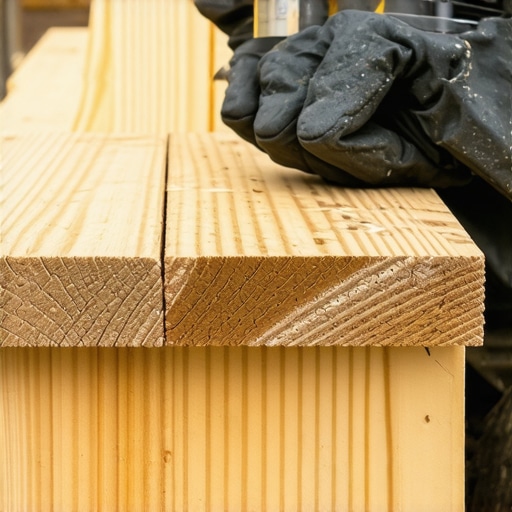
Pressure treated lumber is designed to resist rot, insects, and moisture—at least on the surface. But the truth is, once you cut into the wood, the untreated ends are vulnerable. Water and ground contact can seep into these exposed areas, accelerating decay. I learned this the hard way when my deck’s stairs started to sag and develop mold, even though I had followed all the standard procedures. An early mistake I made was neglecting to seal the cut ends, which left them exposed to the elements.
The importance of sealing these cut areas cannot be overstated. It’s a simple step that can drastically extend the life of your wood. Skilled deck builders know this trick, and I encourage you to adopt it too. It’s like giving your wood a protective barrier where it’s most vulnerable. Plus, sealing the cut ends prevents water infiltration and reduces moisture absorption, which are primary causes of rot and warping. According to industry experts, properly sealing your cut ends can double the lifespan of your pressure treated lumber, especially in outdoor environments.
So, if you’re like me and underestimated this step before, don’t worry. It’s never too late to improve your approach. In the sections ahead, I’ll walk you through exactly how to properly seal those cut ends and keep your outdoor space beautiful and durable for years to come. Whether you’re building new stairs, replacing deck boards, or tackling any outdoor project, sealing your cut ends is a small investment of time with huge dividends.
Could this be the reason your wood isn’t lasting?
Before we get into the practical steps, I want to ask—have you faced the problem of your pressure treated wood deteriorating sooner than expected? If so, you’re not alone. Many DIYers and even seasoned pros overlook this crucial detail, and it costs them in the long run. By understanding and addressing this weak point, you’ll save yourself time, money, and frustration.
Ready to learn the best ways to seal your cut ends and boost your project’s longevity? Let’s dive into the methods that have worked wonders in my experience—and can do the same for yours.
Apply a Quality Wood Preservative or Sealant
Start by cleaning the cut ends thoroughly, removing sawdust and debris with a brush or vacuum. Then, choose a high-quality penetrating preservative or sealant specifically designed for pressure treated wood. I once used a simple outdoor-grade wood sealer on a project, and the result was impressive—those cut ends remained water-resistant for several seasons. Applying the sealant with a brush ensures deep penetration into the fibers, creating a robust barrier against moisture infiltration.
Use End Grain Sealers or Paints for Extra Protection
For added defense, consider applying an end grain sealer or paint, which is formulated to seal the porous surface of cut wood. This extra layer prevents water from wicking into the wood more quickly. When I built my deck stairs, I used an end grain preservative on all cut ends, which noticeably slowed deterioration. Be sure to coat all exposed ends thoroughly, including any minor nicks or scratches that might have occurred during handling.
Implement a Drip-Free, Waterproof Barrier
After sealing, it’s wise to apply a waterproof flashing tape or rubberized sealant around the ends if they’re directly in contact with the ground or exposed to standing water. Think of it as installing a raincoat—keeping moisture out ensures the wood remains dry and healthy. I once wrapped the ends of some stair stringers with self-adhesive flashing tape, which prevented water intrusion during a heavy rainstorm, preserving the integrity of the wood for years.
Consistency and Regular Maintenance
Seal all cut ends immediately after cutting and reapply sealants every 1-2 years, especially in harsh climates. Don’t skip this routine; I neglected this step on a small project and ended up replacing parts prematurely. Regular inspections help catch any cracks or peeling sealant so you can address them before water damage sets in. Remember, sealing isn’t a one-time fix but part of ongoing maintenance that pays off in longer-lasting pressure treated lumber.
Consider Professional Assistance
If you’re unsure about the best sealant to use or want a flawless job, consulting a professional deck builder can be worthwhile. Their expertise ensures that every cut end is properly protected. Additionally, they can advise you on the latest products or techniques, like using mineral-based sealants or specialized preservers, which can further extend your project’s lifespan. For inspiration and professional guidance, explore tips for stunning outdoor living.
Final Touches for Durability
Once sealed, avoid exposing the cut ends to standing water or ground contact whenever possible. Installing gravel or concrete footings can elevate the wood, reducing moisture contact. Think of it as raising a valuable piece of furniture off the damp floor—keeping it dry protects it. These small measures, combined with sealing, greatly diminish the risk of rot and prolong your pressure treated wood’s effective lifespan.
 Many outdoor enthusiasts and even experienced deck builders often hold onto misconceptions that can compromise the longevity and safety of their decks. One common myth is that choosing cheaper materials or ignoring detailed design nuances won’t impact durability—nothing could be further from the truth. In reality, overlooking the nuanced aspects of stair construction and decking choices can lead to costly repairs and safety hazards down the line.
For instance, a significant oversight is neglecting proper support framing under stairs, which can cause sagging or dangerous wobbling over time. Building codes They are based on sophisticated engineering principles, and deviations—like insufficient joist spacing or improper ledger attachments—compromise structural integrity. Experts like professional deck builders emphasize these factors for longevity and safety.
Another misunderstood area involves composite decking. While many assume it’s maintenance-free and indestructible, advanced users know that proper installation practices—like correct fastening methods and sufficient ventilation—are essential. Ignoring these nuances can lead to warping, mold, and premature failure, especially if the climate is humid or salty. Trendy composite materials with mineral cores, as outlined in latest trends, highlight the importance of understanding material science beyond aesthetic choices.
How can I ensure my outdoor stairs and decking are truly durable beyond basic installation?
Let’s dig deeper—attention to detail, proper support structures, high-quality fasteners, and adherence to design best practices are crucial. For example, many overlook the importance of using corrosion-resistant fasteners designed specifically for outdoor environments, which can prevent the notorious rust and degradation that weakens connections. Additionally, implementing effective drainage and sealing techniques protects wooden components from moisture-related decay. Regular inspection and maintenance, including sealing and checking fasteners, are often underappreciated in DIY projects but are vital for sustainable outdoor spaces. External studies, such as those from the National Concrete Masonry Association, confirm that thoughtful design and material choice extend the lifespan of outdoor constructs significantly. Don’t fall into the trap of thinking that initial savings outweigh long-term durability—proper planning and execution are investments in your outdoor living enjoyment and safety. Have you ever fallen into this trap? Let me know in the comments.
Maintaining your outdoor living space isn’t just about initial construction—it’s about investing in the right tools and techniques to keep your deck, stairs, and composite materials performing flawlessly over time. As a seasoned builder myself, I rely on specific equipment and methods that ensure durability, precision, and efficiency. In this section, I’ll share the go-to tools I recommend and how they contribute to lasting results.
Why a High-Quality Circular Saw Is a Must
I swear by my cordless circular saw with a carbide-tipped blade, like the Makita XSH06Z. Its power and precision allow me to make clean, straight cuts through pressure treated lumber and composite decking with minimal splintering. Using a good saw reduces material waste and ensures tight-fitting joints, which are crucial for long-term stability and safety. When you’re dealing with complex cuts or outdoor-grade materials that resist moisture and decay, the right saw makes all the difference.
The Value of a Digital Moisture Meter
Understanding moisture levels in your wood is key to preventing rot and warping. I use a professional-grade digital moisture meter that provides instant readings, helping me select the best areas for support and sealing. Regularly checking moisture content during construction and maintenance helps catch potential issues before they escalate. This practice aligns with industry standards, such as those outlined by the National Wood Flooring Association, emphasizing moisture control for durability.
Sealants and Their Application Tools
Applying sealants accurately and thoroughly is critical. I prefer using a high-quality caulking gun with an adjustable flow control, like the IRWIN Ultra HD. It offers smooth application and prevents waste, especially when sealing cut ends or protecting joist cavities. Pairing this with a quality brush or sponge ensures the sealant penetrates deeply, forming an effective barrier against moisture. Proper application extends the life of your pressure-treated lumber, as recommended by professionals in deck maintenance.
Power Washing Equipment for Routine Cleaning
Keeping your deck clean is vital. I use a variable-pressure power washer equipped with a wide-angle nozzle, such as the Sun Joe SPX3000. Proper pressure settings prevent damage while removing dirt, mold, and algae. Regular cleaning with this equipment maintains the aesthetic appeal of composite decking and wood stairs, preventing deterioration. Remember, avoiding high pressure or improper nozzle angles protects the surface and underlying structures.
Future of Outdoor Maintenance Tools
Looking ahead, I predict automation and smart technology will revolutionize outdoor maintenance. Imagine robotic cleaners that can inspect for damage or advanced moisture sensors linked to your smartphone. As technology progresses, integrating these tools will streamline upkeep and extend your outdoor project’s lifespan significantly. Companies like Decks.com are already exploring innovative solutions to make outdoor living spaces smarter and more durable.
How do I keep my deck functioning year after year?
The key is consistency combined with the right tools. Regular inspections, timely sealing, and using equipment designed for outdoor materials ensure your deck remains safe and beautiful. Don’t forget to reapply sealants every couple of years and address issues promptly. By investing in reliable tools and following best practices, you’ll save money and effort in the long run.
Try implementing these methods—starting with a moisture meter or upgrading your sealing tools—and you’ll notice a significant difference in your outdoor area’s longevity. Want personalized advice on selecting the best equipment for your specific project? Feel free to reach out.
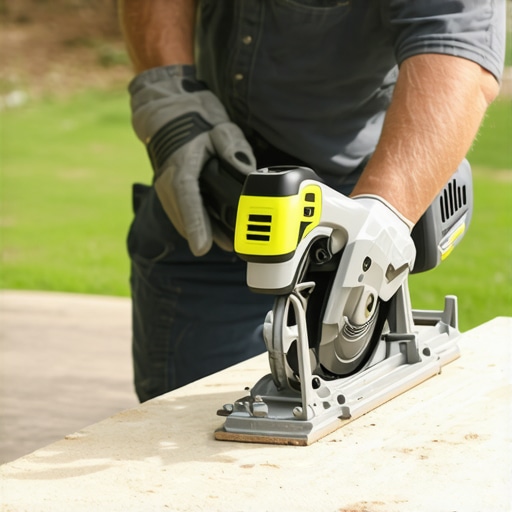
Image Prompt: A professional deck builder using a cordless circular saw and moisture meter on a wooden deck, outdoor workshop setting, high detail, natural lighting.
Over the years, I’ve realized that the most impactful lessons in outdoor construction often come from my own mistakes—lessons that don’t always make it into the DIY guides but are invaluable once learned. Beyond sealing cut ends of pressure-treated wood, there’s a deeper understanding that transformed how I approach every project, prioritizing longevity and safety over quick fixes.
Lessons That Surprisingly Took Me Off Guard
- The Myth of Material Independence: I once believed that selecting the highest grade of decking material meant I could skip detailed support considerations. Reality struck when even premium composite boards warped under improper framing. It taught me that no matter the material, sound support and proper installation are non-negotiable.
- The Sealed End Trap: Initially, I thought sealing cut ends was enough. However, regular maintenance and inspection revealed small cracks that let moisture in. It reminded me that sealing is an ongoing process, not a one-and-done task.
- Ignoring Ground Contact Risks: I used to underestimate ground moisture’s impact. Elevating supports and installing drainage made a noticeable difference—something I wish I practiced earlier. Elevation and proper drainage are your allies against rot.
Tools and Resources I Trust to Keep My Projects Solid
- High-Quality Circular Saws: Nothing beats a durable, carbide-blade saw for clean cuts—essential for tight-fitting joints that last. I swear by models like the Makita XSH06Z for their reliability and power.
- Moisture Meters: Regularly checking wood moisture content prevents unexpected decay. My digital meter from Wagner has been a game-changer in maintenance routines.
- Premium Sealants and End Grain Protectors: Investing in products recommended by professionals ensures deep protection. I often use penetrating preservatives and apply end grain sealers for maximum efficacy.
- Drainage and Elevation Supplies: From gravel beds to concrete footings, these essentials help keep the wood dry and prolong lifespan, as detailed in trusted guides like this resource.
Your Next Step in Building Outdoor Resilience
Embarking on your outdoor project with a mindset of continuous learning and attention to detail makes all the difference. Incorporate sealing, support, maintenance, and proper tool use, and you’ll find your decks, stairs, and outdoor spaces standing strong through the seasons. Remember, investing time and effort upfront pays off in durable, safe, and beautiful outdoor environments.
What’s the one step you’re eager to improve or implement next? Share your plans or questions below, and let’s build stronger outdoor spaces together!
88,