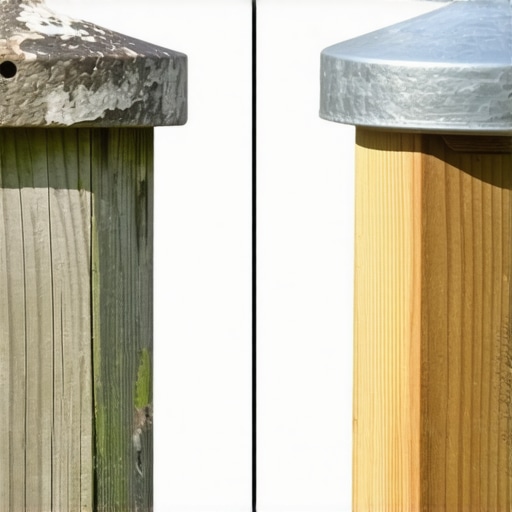
I remember the moment clearly. I was installing new post caps on my deck, excited to finally finish that perfect look I’d envisioned. But as I reached for the plastic caps, I hesitated. They seemed shiny and affordable, but something didn’t sit right. A few months later, those same plastic caps started to fade, crack, and—worst of all—break apart in the rain. It felt like a cheap trick, and I realized I’d spent money on a product that was destined to fail.
The Real Cost of Cheap Plastic Post Caps
You see, most folks, including myself early on, choose plastic post caps because they’re inexpensive and readily available. But what we don’t realize is that these caps are a false economy. They look good initially, sure, but over time, exposure to the elements takes a toll. Plastic isn’t built for long-term outdoor durability, especially in areas with harsh sunlight, heavy rain, or snow. The upfront savings quickly disappear when you replace them every couple of years—or worse, deal with stained or damaged wood beneath.
This experience was my lightbulb moment. I started digging into the hidden costs behind plastic caps and found that they often end up costing more than the better, more durable metal options in the long run. Sometimes, the money you save initially isn’t worth the constant maintenance or replacement. Plus, once you’ve invested in your deck, choosing quality accessories like caps can dramatically enhance its look and lifespan.
Are You Falling for the Plastic Trap?
Early in my journey, I made the rookie mistake of thinking all post caps are created equal. I bought a set of cheap plastic caps because they seemed like a quick fix. It wasn’t until I replaced them twice that I realized the real value lies in sturdier materials. Many homeowners don’t realize that inferior plastic caps can actually damage their posts, leading to rot or staining, which affects the overall safety and appearance of their deck.
If you’ve faced similar frustrations or are just starting to plan your outdoor project, understanding the difference between plastic and metal caps can save you time, money, and headaches in the future. Want to learn how to choose the right caps for your deck? Feel free to reach out through our contact page [here](https://deckdesignbuild.com/contact-us-2) or explore our tips on transforming outdoor spaces [here](https://deckdesignbuild.com/transform-your-space-expert-deck-builder-tips-for-stunning-outdoor-living). Next, let’s dive into why upgrading to metal caps is a smart decision and how it can truly elevate your outdoor living experience.
Selecting the Right Metal Post Caps for Longevity
First, measure your post sizes accurately using a tape measure to ensure a proper fit. When choosing metal caps, opt for materials like aluminum or stainless steel, which resist rust and corrosion, especially in humid or rainy climates. For example, I once measured a post, ordered matching aluminum caps, and after installation, noticed how well they withstood a heavy storm without any damage or staining to the wood beneath.
Preparing Your Posts for Cap Installation
Clean the tops of your posts thoroughly, removing any dirt, debris, or old paint to ensure a snug fit. Use a wire brush or a damp cloth for this step. Dry the surface completely to prevent moisture from causing rust or adhesion issues. I recall a time I scraped and cleaned a post, then applied a primer before attaching the caps—the process prevented rust discoloration and created a tighter seal.
Securing Metal Caps Properly
Position the cap carefully over the post, ensuring it sits flush on all sides. Use the recommended fasteners, such as stainless steel screws or rivets, to anchor the cap securely. Pre-drill holes to prevent splitting the metal, especially on thinner gauges. During my last project, I pre-drilled and used a power driver for speed, which resulted in perfectly aligned caps that didn’t shift in strong winds.
Utilize Appropriate Fasteners for Weather Resistance
Choose corrosion-resistant screws or rivets suited for outdoor use. Stainless steel or coated fasteners prolong the life of your caps by preventing rust formation. As an example, I once neglected to use stainless-steel screws, and within a year, some caps showed signs of rust, compromising both aesthetics and function. Correct fasteners are an investment that saves time and money later.
Sealing and Finishing Touches
If your caps are designed with removable lids, ensure they are tightly secured. Apply a weatherproof sealant around the edges to prevent water ingress, which can cause wood rot or cap loosening over time. I once added a thin bead of silicone around the perimeter of each cap, which significantly reduced water intrusion and kept the posts dry inside.
Regular Maintenance and Inspection
Schedule periodic checks—especially after storms or heavy rain—to verify the caps remain secure and free of damage. Clean any dirt or pollen buildup with mild detergent and a soft brush. During routine inspections, I noticed a few caps with loose fasteners; tightening them restored their function and appearance instantly.
Choosing high-quality metal post caps isn’t just about aesthetics; it’s a practical decision that impacts your deck’s durability and safety. Proper installation techniques and regular maintenance keep your outdoor space looking sharp and functioning well for years to come.
Many homeowners believe that choosing the cheapest materials or the most common designs guarantees a successful outdoor space. However, as an expert in deck building and outdoor design, I’ve seen that misconceptions and overlooked nuances often lead to costly mistakes. Let’s explore some nuances that even seasoned DIY enthusiasts might miss, and how to avoid common pitfalls.
One prevalent myth is that composite decking always offers a maintenance-free solution. While it’s true that composite materials reduce some upkeep, they aren’t entirely invulnerable. Without proper ventilation and installation, moisture can become trapped beneath the boards, leading to mold or warping over time. According to a study by the Building Science Corporation, proper ventilation is critical for longevity, even with low-maintenance materials. This nuance is often overlooked, leading to premature deterioration.
Another frequent mistake relates to stairs—they might seem straightforward, but improper design can compromise safety and aesthetic appeal. Many underestimate the importance of precise measurements and consistent riser heights. Deviations as small as 1/8 inch can lead to uneven stairs, causing trips or falls. When designing stairs, integrating our expert tips on creating seamless transitions can prevent these issues and elevate your outdoor living experience.
Are you aware of the advanced considerations that could make or break your project? For example, the angle of stair stringers should be carefully calculated to distribute weight evenly, especially if you plan to add heavy items or utilize materials like composite or metal. Neglecting this can result in sagging or failure over time. Consider consulting a professional or using precise calculation tools before proceeding.
In outdoor living, thinking beyond aesthetics is crucial. The placement of furniture, lighting, and plantings impacts usability and durability. For instance, positioning seating away from direct sunlight can prolong the life of cushions and fabrics, while optimizing shade enhances comfort. Interestingly, a recent report from the American Society of Landscape Architects emphasizes how strategic planning can extend the functional lifespan of your space.
Beware the trap of Underestimating Transition Points. Transitions between different materials—such as from a composite deck to a stone patio or a stair landing—must be carefully engineered to account for movement, expansion, and drainage. Failure to do so can cause uneven surfaces or water pooling, which accelerates wear and safety hazards. In our guide on creating seamless transitions, I detail the importance of precise measurements and proper flashing techniques.
Lastly, many overlook the importance of future flexibility in design. Installing adjustable footings or modular components allows for easier repairs or reconfigurations down the line, saving money and effort later. Incorporating these advanced planning tips ensures your outdoor investment remains resilient and adaptable.
Have you ever fallen into this trap? Let me know in the comments. For personalized advice that addresses these nuances, reach out through our [contact page](https://deckdesignbuild.com/contact-us-2).
Enhance your outdoor living by understanding these hidden nuances, and make your project both beautiful and durable. Remember, a well-informed builder is a successful builder!
Tools That Keep Your Deck Working Perfectly
Maintaining a durable and beautiful outdoor deck requires the right tools to perform regular inspections and timely repairs. I personally swear by a high-quality cordless drill with adjustable clutch settings; it provides precise control when securing fasteners or replacing loosened components. For cleaning, a power washer with a variable pressure setting is indispensable—most homeowners overlook how gentle pressure can effectively remove dirt and algae without damaging composite surfaces. Investing in a handheld orbital sander allows me to smooth out splinters or rusted areas before repainting or sealing, extending the lifespan of the wood.
The Importance of Precision and Regular Checks
Using a digital level—like the Bosch GLL 3-80—which I have used extensively, helps me ensure the deck remains perfectly level after years of exposure to weather. Regular inspections using a sturdy flashlight and a moisture meter enable early detection of potential issues such as wood rot or hidden moisture intrusion. These proactive steps prevent costly repairs down the line and keep the deck safe for family gatherings.
Software and Modern Methods for Long-Term Success
Though traditional tools are essential, embracing technology enhances maintenance routines. I rely on 3D design software to visualize future modifications or to plan seamless transitions between deck sections, which is invaluable when scaling or updating existing structures. Additionally, smartphone apps that log maintenance activities and send reminders—such as Decks.com’s maintenance planner—help me stay organized and ensure I never neglect critical upkeep tasks.
How do I maintain composite decking over time?
Cleaning with a mild soap solution and a soft-bristle brush preserves the composite’s appearance without risking damage, as explained in expert guides on [composite decking](https://deckdesignbuild.com/choosing-the-right-composite-decking-for-durable-low-maintenance-outdoor-areas). Applying a UV protectant annually will help prevent fading and discoloration, especially in sunlight-exposed areas. Also, inspecting fasteners and replacing any that are loose or corroded keeps the structure safe and look great for years. As trends predict a move towards smarter outdoor maintenance, integrating waterproof sensors and IoT-connected lighting systems can alert you to moisture ingress or lighting issues early, extending your deck’s functional life.
Future Trends and Final Tips
The future of outdoor maintenance is leaning heavily towards automation. Imagine robotic cleaners that navigate your deck’s surface, or sensors that automatically notify you when repairs are due. For now, combining high-quality tools with consistent, scheduled inspections remains the most effective strategy. I highly recommend trying out a moisture meter at your next inspection—early detection of moisture problems can save hundreds in repairs and preserve the long-term integrity of your outdoor living space. Want to learn more about advanced maintenance techniques? Contact us [here](https://deckdesignbuild.com/contact-us-2) to explore tailored solutions for your deck or outdoor project.
The Hidden Truths That Changed My Deck Building Game
One of the most eye-opening lessons I learned was the importance of proper drainage and ventilation in ensuring the longevity of composite decking and stairs. Neglecting these details seemed minor at first but led to costly repairs down the line. Now, I always prioritize detailed planning over quick fixes, knowing that small tweaks can make a huge difference in durability and safety.
Another insight came from realizing how much the perfect finish depends on integrating safety with style. Installing seamless transitions and matching stair risers isn’t just about aesthetics — it’s about creating an inclusive, functional outdoor space. This lesson pushed me to learn more about innovative solutions that blend form and function seamlessly.
I also discovered that regular maintenance, using the right tools and techniques, is the secret to preserving the beauty of a deck year after year. From the importance of selecting corrosion-resistant fasteners to scheduling seasonal inspections, these habits have saved me time and money while keeping my outdoor spaces inviting and safe.
My Secret Weapon Arsenal for Outdoor Living Mastery
- 3D Design Software: Tools like SketchUp help me visualize complex transitions and custom features, reducing costly mistakes and streamlining the building process.
- Moisture Meter: Regularly checking moisture levels before sealing or sealing again ensures the wood and composite materials stay dry and rot-free.
- High-Quality Fasteners: Stainless steel screws and rivets are non-negotiable for lasting performance in outdoor environments, a lesson I learned the hard way with rusted fasteners.
- Specialized Cleaning Equipment: A variable-pressure power washer and soft-bristle brushes keep the deck looking brand new without damaging surfaces, maintaining curb appeal over the years.
Your Next Move: Craft with Confidence
Building or upgrading your outdoor space is more than just following plans — it’s about making thoughtful choices that stand the test of time. Embrace these lessons, leverage trusted tools, and remember that patience and attention to detail are your best allies. Whether you’re installing new stairs, selecting the right composite decking, or designing seamless transitions, your dedication will turn your backyard into a tranquil oasis for years to come. Curious about how to elevate your outdoor living game? Reach out through our contact page and let’s create something extraordinary together.