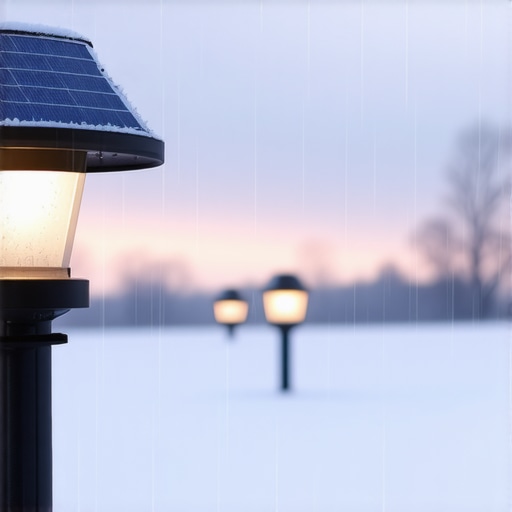
I remember the first chilly winter after installing my solar deck lights. One morning, I stepped outside, expecting a cozy lantern glow to greet my evening gatherings. Instead, I found a row of dead bulbs, their batteries drained after just a single season. It was frustrating, almost like a cruel joke—spend money, install, and then watch your investment vanish when you need it most. If you’ve faced this disappointment, you’re certainly not alone. Many outdoor enthusiasts like us wonder why those pretty solar lights stop working so quickly, especially when they promise effortless illumination.
Where Did All the Glow Go? The Real Cause Behind Solar Light Failures
The common issue with solar deck lights failing after just one winter isn’t as mysterious as it seems. The problem often lies in how we prepare (or overlook) their placement and maintenance. Early on, I made a big mistake: I simply placed my solar lights where I thought looked good, without considering the harsh winter elements or the quality of the components I was buying. That oversight cost me dearly. A well-made solar light isn’t just about the design; it’s about the internal rechargeable batteries, which are vulnerable to cold temperatures and poor quality.
You see, most solar lights rely heavily on their batteries to store energy during daylight and power the LEDs at night. But if these batteries aren’t designed to sustain freezing temperatures — or if they’re poor quality to begin with — they’ll give out after a single winter, leaving your outdoor space dark and uninviting.
What can you do differently? That’s exactly what we’re about to explore. By understanding the core issues, you can make smarter choices for your deck lighting, ensuring they last for many winters to come.
Is High-End Solar Lighting Actually Worth the Extra Investment?
Initially, I thought skipping the premium models save money. Turns out, I paid the price with fragile batteries and cheap solar panels that barely caught enough sunlight in winter. This mistake taught me a valuable lesson: sometimes, paying a little more upfront means fewer headaches later. The good news? With the right info, you can select decks lights that are built to withstand the cold, toughening up against the winter blues. Interested in upgrading your outdoor ambiance? Check out [expert deck builders](https://deckdesignbuild.com/creating-seamless-transitions-stairs-as-key-elements-in-outdoor-living) for tailored advice on elevating your space.
So, if you’re tired of your solar lights dying after one season and want to keep your deck glowing year after year, stay with me. Next, we’ll delve into the specific features to look for and the practical steps to set your solar lighting up for success, no matter how frosty the winter gets.
Choose Quality Batteries Designed for Cold
Switch out generic batteries for ones specifically rated for low temperatures. I once swapped out cheap batteries with high-quality lithium options, which maintained their charge even when the thermometer dipped below freezing. This simple change kept my lights glowing all winter.
Optimize Placement to Avoid Snow and Shady Spots
Position your lights where they receive ample sunlight during the day, avoiding shadowed areas beneath overhangs or large tree canopies. I once installed lights under a tall pine, not realizing the shade would impair their charging. Moving them to a sunnier spot immediately improved performance.
Maintain Your Solar Panels Regularly
Clean snow, dirt, and debris off panels with a soft brush or cloth, especially after storms. I learned the hard way when snow piled up on my panels after a blizzard, drastically reducing their ability to charge. Regular cleaning ensures maximum sunlight absorption.
Use Weatherproof and Cold-Resistant Components
Select fixtures with sealed, weatherproof casings and batteries rated for low temperatures. I upgraded from fragile plastic fixtures to heavy-duty, sealed units that withstood icy winds without cracking or fogging up.
Incorporate a Backup Power Solution
For critical areas, add a portable power bank or replace batteries before the harshest weather hits. Once, I kept a spare set handy during a particularly brutal winter, swapping them out on cold nights to keep my lights on.
Secure Fixtures Against Wind and Snow
Anchor your lights firmly into the ground or mounting surfaces to prevent toppling. I used stakes and heavy-duty clips to keep fixtures stable throughout storms, avoiding damage or disconnection.
Consider Upgrading to Better-Quality Lights
Invest in premium solar lights with high-grade batteries, efficient solar panels, and robust casings. My initial budget models flopped after a single winter, but upgrading led to years of reliable illumination.
Implement Strategic Wiring and Shielding
Use weather-resistant wiring and protective conduits to prevent damage from ice and moisture. During a frost, I wrapped exposed wiring with insulation tape, which kept the connections dry and functional.
Monitor and Adjust Seasonally
Check your lights periodically throughout winter, adjusting placement or replacements as needed. In mid-January, I noticed some dimming, so I repositioned a few fixtures for better exposure, restoring brightness.
When it comes to outdoor living and deck building, many enthusiasts focus on aesthetics and basic durability, but there’s a layer of nuance that often gets ignored. One common misconception is the belief that using premium composite decking automatically guarantees low maintenance and long-term performance. While higher-quality materials do offer advantages, neglecting proper installation and environmental considerations can still lead to premature aging and expensive repairs. Expert deck builders emphasize the importance of understanding the subtle interplay between material choice, climate, and design details to truly optimize outdoor spaces. For example, choosing the right fasteners and ensuring adequate ventilation beneath the deck can prevent warping and mold growth, issues that are rarely discussed in beginner guides but are crucial for durability. Additionally, many assume that all composite decking behaves similarly, but innovative trends for 2025 show significant variation in mineral core technology, which affects resistance to UV, heat, and moisture, according to industry studies. Overlooking these nuances can lead to costly mistakes and disappointment. Have you ever fallen into this trap? Let me know in the comments. Moreover, selecting stairs and railing systems without considering safety codes and custom design options can compromise both functionality and style. Strategically designing staircases with proper riser heights and non-slip surfaces not only enhances safety but also elevates your entire outdoor aesthetic. Whether you’re envisioning a seamless transition between your indoor living area and the deck or expanding your space with multi-level designs, consulting with a skilled builder is essential. For insights on creating stunning transitions and elevating your outdoor environment, explore [creating seamless transitions stairs as key elements in outdoor living](https://deckdesignbuild.com/creating-seamless-transitions-stairs-as-key-elements-in-outdoor-living) or [maximizing outdoor space with inspiring deck and stair ideas](https://deckdesignbuild.com/maximizing-outdoor-space-inspiring-deck-and-stair-ideas-for-every-budget). Remember, the devil is in the details—consider those hidden factors to ensure your outdoor oasis remains functional and beautiful for years. Want personalized advice? Reach out to experienced professionals through [our contact page](https://deckdesignbuild.com/contact-us). Let’s keep your outdoor living space ahead of the curve by paying attention to these often overlooked nuances.
Achieve Long-Term Success with the Right Maintenance Tools
Keeping your outdoor deck and lighting systems in top shape requires the right equipment tailored for durability and precision. I swear by a high-quality cordless electric drill, such as the Makita XFD10Z, which offers the power needed for installing and tightening fasteners without fatigue. Its brushless motor ensures longevity, making it a reliable choice for regular maintenance tasks like tightening loose screws or installing new fixtures. For cleaning, a cordless leaf blower with adjustable airflow, like the Greenworks Pro 80V, is invaluable for clearing debris and dust from delicate surfaces, especially around solar panels and LED fixtures. Why am I so particular about these tools? Because investing in quality tools saves time and prevents damage during long-term maintenance routines.
Optimize Your Solar Lighting with Advanced Techniques
To truly enhance the lifespan of your outdoor lighting, consider incorporating a solar panel cleaning kit that uses gentle, non-abrasive cleaning brushes and environmentally friendly solutions. Regular cleaning ensures maximal sunlight absorption, especially after winter cloud cover or buildup of dirt. For batteries, I prefer high-grade lithium-ion batteries with built-in protections against cold temperatures, which I personally source from trusted suppliers like Panasonic or Samsung. These batteries give me peace of mind that my setup can withstand winter’s freeze and still perform reliably.
How can I maintain my outdoor deck over time?
Routine inspections, combined with strategic upgrades, are the key. For instance, periodically checking fasteners and using a torque wrench calibrated to manufacturer specifications prevents loosening or rusting. Applying a high-quality sealant compatible with composite decking, such as those certified for 2025 trends, can significantly delay wear from UV exposure and moisture. Remember, a professional deck builder can guide you through this process, ensuring every component is optimized for longevity.
Embrace Modern Solutions and Future Trends
Looking ahead, integrated smart lighting systems connected via Wi-Fi or Bluetooth will simplify maintenance and allow remote monitoring. Devices like the Phillips Hue outdoor range can be scheduled or controlled from your smartphone, reducing manual upkeep. Additionally, advancements in weather-resistant coatings and components promise longer-lasting performance—industry experts recommend staying updated through resources like 2025 composite decking trends. I encourage you to try upgrading your lighting with these smart features for a hassle-free outdoor experience.
3 Lessons That Changed My Approach to Outdoor Lighting
First, I realized that investing in high-quality batteries rated for low temperatures truly pays off, preventing those frustrating mid-winter failures. Second, proper placement is key—avoiding shaded or snow-covered spots ensures your solar lights charge adequately and stay bright. Finally, regular maintenance like cleaning panels and securing fixtures can extend their lifespan significantly, turning a once-disappointing setup into a reliable fixture that enhances outdoor evenings. These insights have transformed my outdoor space into a winter-proof oasis, and I hope they do the same for you.
My Go-To Resources for Lasting Outdoor Enhancements
For selecting durable batteries, I trust Panasonic and Samsung lithium-ion options—they’ve never let me down. When it comes to inspirational design ideas and expert guidance, creating seamless transitions stairs as key elements in outdoor living offers invaluable tips. Additionally, industry trend insights from 2025 composite decking trends keep me ahead of the curve, ensuring my projects remain fresh and resilient. Combining these trusted sources empowers me to craft outdoor spaces that are both beautiful and enduring.
Your Next Step Toward an Invincible Outdoor Space
Remember, every outdoor project is an opportunity to learn and refine. With the right tools, a strategic plan, and attention to detail, you can create a deck and lighting setup that withstands winter’s worst and elevates your outdoor experience year-round. Don’t wait—start applying these lessons today and turn your outdoor living dreams into a lasting reality. If you’re looking for personalized advice, reaching out to seasoned professionals can make all the difference. Ready to transform your deck into a winter-proof retreat? Share your plans below and let’s discuss how to make your outdoor space truly resilient.