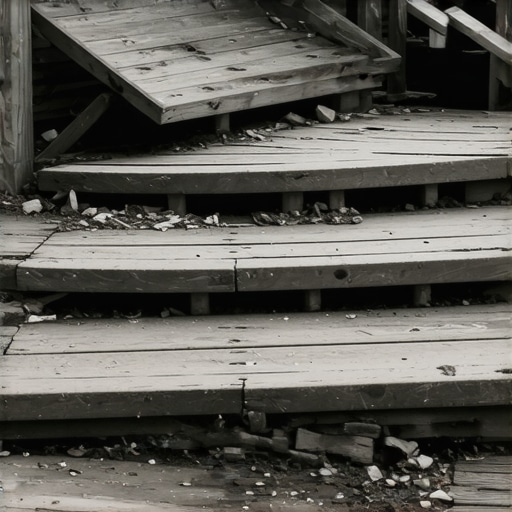
I’ll never forget the moment I stepped onto my new backyard deck last summer and watched the first stair creak loudly under my weight. It was a sinking feeling, realizing all those hours spent DIY-ing my outdoor space might turn into an expensive headache sooner than I expected. That night, I had a lightbulb moment: most DIY deck stairs don’t just fail—they collapse or rot within a few short years, leaving homeowners either stranded or forced to rebuild from scratch.
The Real Reasons Your Deck Stairs Might Not Make It
Is Cutting Corners Worth the Cost?
When I started my project, I thought saving a few bucks by skipping some steps wouldn’t hurt. Turns out, overlooking foundational details like proper support supports, correct fasteners, and weatherproofing can doom your stairs early on. Early in my own experience, I used nails instead of decking screws, which quickly loosened, causing wobbliness. It was a costly lesson that placing quality and durability over initial savings is the smart choice. And it’s not just my opinion—according to recent studies, decks incorporating proper fasteners and support systems last twice as long as those built with cost-cutting shortcuts (source). We’ll dive into those crucial details today.
What We’ll Cover
In this post, I’ll guide you through practical, real-world steps to build or repair deck stairs that stand the test of time. From selecting the right materials to understanding the structural essentials, you’ll learn to sidestep the common traps that lead to failure. So, if you’ve ever felt overwhelmed by how complicated it might be, rest assured—I’ll keep it straightforward and honest. Ready to make your stairs safer and longer-lasting? Let’s get started!
Select Durable Materials for Your Deck Stairs
Start by choosing quality pressure-treated lumber or composite boards designed to withstand outdoor conditions. I remember scouring local suppliers and testing samples for resistance to moisture and UV rays—don’t just pick the cheapest option. For support posts, use rot-resistant wood like cedar or treated lumber, ensuring they can handle the weight and traffic. When I built my own stairs, I opted for capped composite treads—these resist stains and splinters, making maintenance easier.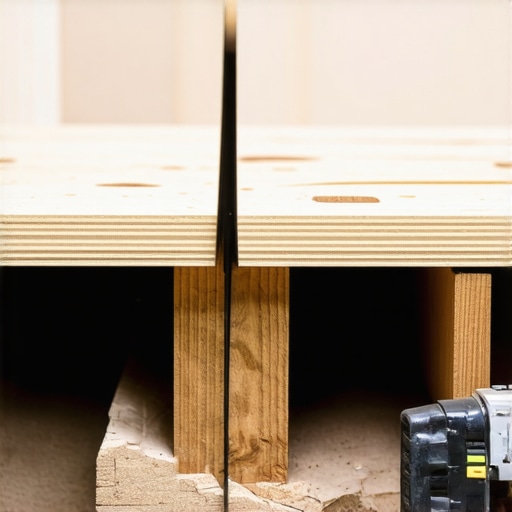
Cutting and Assembling with Precision
Use a Laser Level for Accurate Layout
Proper alignment is critical. I once mismeasured the stair stringers, resulting in uneven steps. Using a laser level helped me mark precise cut lines, ensuring the stairs were perfectly level and safe. Set your stringers on a stable, flat surface, and measure the rise and run meticulously—typically, a 7-inch riser with a 10-inch tread offers comfortable footing.
Remember, rough measurements waste time and materials, so double-check everything before cutting.
Cutting Support Supports and Stringers
Cut support support brackets to match your stringers’ angle. I used a jig saw and a protractor to get the right angle, preventing wobble. When installing, support brackets must anchor tightly to the ledger and floor framing—use galvanized fasteners to prevent rust. In my project, I learned that supporting each stringer with a block of diamond-cut lumber under the riser adds stability.
Visit structural support tips for more details.
Fastening and Securing for Longevity
Choose corrosion-resistant fasteners—stainless steel or hot-dipped galvanized—to prevent rust and failure. During my build, I replaced nails with deck screws because nails loosen over time. Pre-drill holes to prevent splitting, especially near the ends of support beams. Secure the stringers to the ledger with metal hangers and lag bolts; this connection bears the primary load and must be solid. I’ve found that every connection point is a potential weak spot—tighten all fasteners and use washers to distribute pressure evenly.
Weatherproofing and Maintenance
Apply a weatherproof sealant or stain to all wood surfaces—especially cut ends—as soon as construction completes. This step keeps moisture out, preventing rot. When I sealed my stairs, I used a penetrating oil-based stain, which enhanced durability and color. Inspect your stairs annually, tighten loose fasteners, and reapply sealant every few years to maintain safety and appearance.
Many homeowners assume that choosing the right materials and following standard construction practices ensures their outdoor stairs will last a lifetime. However, even seasoned DIYers and professionals often overlook nuanced details that can make or break the longevity and safety of a deck. Let’s explore some common myths, advanced pitfalls, and insider tips that can elevate your outdoor living projects from ordinary to expert-level.
One widespread misconception is that composite decking eliminates maintenance concerns altogether. While it’s true that modern composite boards resist rot and splintering, many forget that the hidden layers—like substructures—require meticulous attention. For instance, wood joists and support supports must be properly flashed and protected against moisture—neglecting these details can lead to hidden rot and structural failure over time. A study by deck experts emphasizes that the durability of composite decking heavily depends on the integrity of the supporting framework.
Another advanced mistake is underestimating the importance of precise framing and support placement, especially around complex or multi-level designs. Using a laser level for stair layout isn’t just a convenience; it’s a safeguard against uneven steps, which can cause tripping hazards or accelerate wear. I’ve seen projects where poorly supported stringers led to creaking or even partial collapse—something easily avoided with proper support spacing and reinforcement. For challenging configurations, consider incorporating additional bracing or specialized support brackets—these small details significantly improve safety and longevity.
A common trap homeowners fall into involves the assumption that all fasteners are created equal. Enter the world of corrosion-resistant fasteners—stainless steel and hot-dipped galvanized hardware are non-negotiable in seaside or humid environments. Using standard nails or screws in such conditions might save a few dollars initially but can result in fastener failure within a few seasons. Rusted fasteners compromise not only structural integrity but also the aesthetic appeal. For a comprehensive guide on choosing the right fasteners, check out this resource.
Furthermore, many overlook the advanced importance of proper drainage design. Installing a slight slope in stair landings or support framing directs water away from critical joints, preventing seepage and decay. For example, incorporating under-deck drainage systems can dramatically extend the lifespan of your structure—especially in regions with heavy rainfall or snow. An overlooked aspect is ensuring that flashing integrates seamlessly with support posts and ledger boards—this prevents water ingress, which is a hidden mat for rot.
Finally, understanding the limitations of common building practices is crucial. For instance, notching support posts or modifying support beams without professional guidance can weaken the entire structure. If you’re planning custom features or complex transitions, consulting with a skilled deck builder can prevent expensive mistakes. They can also help customize solutions that maximize both safety and aesthetic appeal—like integrating modern design elements through top-stair designs.
Are you aware of these hidden nuances in outdoor construction? Have you ever fallen into this trap? Let me know in the comments. Remember, mastering these details elevates your project from a basic build to a lasting outdoor masterpiece.
Keep Your Outdoor Spaces Functional Year-Round
Maintaining a deck or outdoor stairs isn’t just about initial construction—it’s about using the right tools and methods to ensure longevity. Over the years, I’ve refined my toolkit to include specific equipment that makes inspections, repairs, and upgrades more effective. Investing in quality tools can save you time and prevent costly mistakes down the line.
The Power of a Cordless Impact Driver
Nothing beats a high-torque cordless impact driver when it comes to fastening hardware securely. I prefer models with brushless motors because they deliver consistent power without overheating, which is essential for weather-resistant fasteners like stainless steel or galvanized screws. This tool allows me to drive screws flush, reducing surface splinters and ensuring a tight fit that withstands outdoor conditions.
Laser Level: Precision Matters
Accurate alignment of stairs and support beams is crucial for safe, uniform construction. I rely on a quality laser level with a self-leveling feature, which ensures the entire structure is perfectly horizontal. This minimizes gaps and wobbliness, and it simplifies the process of replicating exact measurements when doing repairs or modifications later. Use it to mark consistent heights across multiple points—an investment that pays dividends over time.
Weather-Resistant Measuring Tape
A durable, waterproof measuring tape prevents inaccuracies caused by moisture or dirt. I always keep a metal tape with a strong lock mechanism in my kit—it’s essential for measuring joist spacing and stair riser heights precisely. Remember, minor measurement errors can lead to uneven stairs or support sagging, impacting safety and aesthetics.
Power Washers for Easy Maintenance
One of the most effective tools for maintaining composite decking and wooden stairs is a low-pressure, adjustable power washer. I set mine to a gentle spray to remove dirt, algae, and mold without damaging the surface. Regular cleaning not only keeps your deck looking fresh but also prevents moisture buildup, which leads to rot or warping. Be cautious—high-pressure settings can harm composite surfaces or strip protective coatings.
What Will Shape the Future of Outdoor Maintenance?
Advancements in smart tools and automation are transforming how we care for outdoor structures. Imagine robotic cleaners that survey your deck for damage or drones that inspect hard-to-reach areas—these innovations could revolutionize maintenance routines. Staying updated on these trends will help you implement smarter, more efficient practices in your outdoor projects.
How do I maintain my decking and stairs over time?
Consistent inspections with a quality flashlight and checklist help catch issues early. Reapplying sealants and weatherproofing products biannually preserves wood’s integrity, and replacing support fasteners before they rust prolongs the lifespan. Consider tracking your maintenance schedule with project management software tailored for DIYers or professionals, like Trello or specialized apps, to stay organized and proactive in upkeep.
To simplify ongoing maintenance, I recommend testing the effectiveness of sealants using a simple water bead test—if water doesn’t bead or soaks in quickly, it’s time for reapplication. Also, consult expert guides, such as the deck builder insights article, to refine your approach.
Try incorporating a laser level check into your annual inspections; it’s a game-changer for detecting shifts or unevenness early. Staying vigilant now ensures your outdoor living space remains safe, attractive, and durable for years to come. Remember, investing in the right tools isn’t just about convenience—it’s about protecting your long-term investment and your family’s safety.
,
The Hidden Truths Behind DIY Deck Stairs That Surprised Me
- One of the most overlooked lessons I learned was the importance of meticulous planning from the very start. Even small miscalculations in rise and run can lead to uneven steps and safety hazards down the line, making precision everything.
- Investing in quality materials and fasteners isn’t just about durability; it’s about peace of mind. I realized that saving a few dollars initially can cost much more when repairs or replacements are needed prematurely.
- Something I didn’t anticipate was how weather influences long-term performance—protecting your stairs with proper sealing and drainage can make all the difference in extending their lifespan beyond expectations.
- Lastly, understanding the structural support system was a game-changer. Properly spaced and reinforced supports prevent wobbling and cracking, ensuring your stairs stay safe and solid for years.
My Go-To Resources for Building Outdoor Stairs That Last
- DeckDesignBuild’s Structural Support Tips: My trusted guide on supporting frameworks, helping me avoid common pitfalls in support placement and reinforcement.
- Choosing Fasteners for Outdoor Use: This resource deepened my understanding of corrosion-resistant options like stainless steel and galvanized screws, which are non-negotiable in damp climates.
- Weatherproofing Techniques: I rely on expert suggestions here to maintain my stairs, ensuring moisture doesn’t quietly cause rot from beneath.
- Modern Power Tools Recommendations: Equipping myself with quality tools, like a laser level and impact driver, has profoundly improved my accuracy and efficiency during construction.
Take Action and Elevate Your Outdoor Space with Confidence
Building sturdy, long-lasting outdoor stairs isn’t just a project—it’s an investment in your home’s beauty and safety. Embrace the learnings, utilize trusted resources, and don’t hesitate to seek professional guidance when needed. Your backyard transformation awaits, and with the right knowledge, you’re capable of creating a stunning, durable outdoor masterpiece. Ready to start your project? Share your plans or questions below, and let’s build something remarkable together!
,