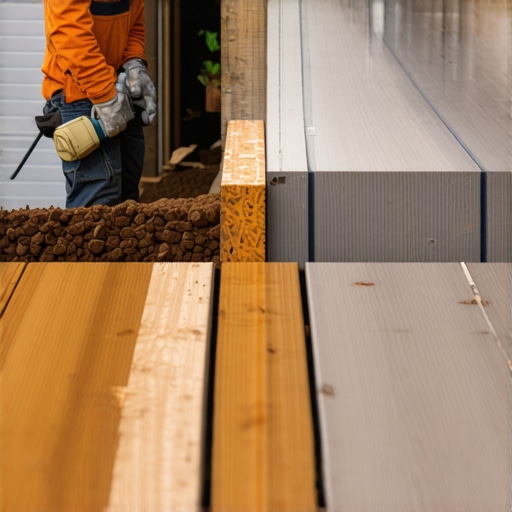
It was a quiet Sunday morning when I stepped out onto my beloved wooden deck, only to realize it had become a hazard rather than a haven. The once-sturdy planks felt soft underfoot, and the fading paint revealed its battle scars from years of sun, rain, and neglect. That lightbulb moment hit me hard: my outdoor retreat was more liability than luxury. Like many homeowners, I faced a common dilemma—how to upgrade my outdoor living space without endless maintenance and headaches. Today, I want to share my journey from utter frustration to satisfaction, and how switching to mineral-core composite decking transformed my backyard.
Facing the Reality of Wooden Decks
If you’ve ever enjoyed a summer barbecue or sunset with family, you know how a beautiful deck can elevate your outdoor experience. But as seasons change, so does the deck’s condition. My wood deck, which once looked charming, started showing signs of wear—splinters, warping, and stubborn mold. The repeated cycles of sanding and sealing felt like fighting a losing battle. Worse, the maintenance demands kept me from truly relaxing, turning what should’ve been a weekend retreat into a weekly chore.
One significant mistake I made early on was underestimating the importance of choosing the right materials. I focused only on initial cost rather than long-term durability. I wish I had known that according to industry insights, composite decking now accounts for over 80% of new outdoor projects, thanks to its low maintenance and resilience[^1]. This realization pushed me towards a bold decision: to rip out my old wooden deck and opt for mineral-core composite boards.
But I understand if you’re skeptical. Isn’t composite decking pricey? Will it really withstand harsh weather? These are questions many homeowners grapple with. In the following sections, I’ll delve into my reasons, mistakes to avoid, and how you can make informed choices to create a stunning, durable outdoor space that lasts for decades.
[^1]: https://deckdesignbuild.com/composite-decking-trends-2025-the-ultimate-guide-for-outdoor-enthusiasts
Prepare for Precise Planning and Material Selection
Start by measuring your deck area accurately using a tape measure, marking the dimensions on the ground to visualize the scale. Sketch a detailed plan, including the layout of stairs and transitions, to ensure every component fits perfectly. When choosing your materials, opt for mineral-core composite decking known for its durability and low maintenance, rather than traditional wood. Visit this guide to help select the best composite option for your project. A specific instance from my experience was measuring my backyard precisely and selecting a mineral-core board that resisted warping even after exposure to sun and rain, simplifying maintenance.
Lay a Stable Foundation with Proper Support Structures
Clear the area of debris and level the ground. Use a quality base material like gravel or crushed stone, which provides excellent drainage and compacts firmly—similar to laying a bed for a sturdy foundation. Install concrete footings at the planned corners and along the perimeter, making sure they’re deep enough to prevent shifting. Check the level of each footing with a spirit level, as uneven supports can cause deck instability. I learned that a well-supported base prevents future deck wobble and ensures safety. For added reinforcement, install steel brackets at critical support points, following this expert advice. This step sets the stage for a stable, lasting deck that can handle heavy foot traffic.
Construct Frame with Precision and Care
Using pressure-treated lumber or steel for the joists, construct the frame according to your measurements, ensuring the support beams are square and level. Secure each joint with corrosion-resistant fasteners, preferably stainless steel, to prevent rust and weakening over time. Remember, the key here is accuracy—improper framing can lead to uneven decking or creaking stairs. As I assembled my frame, I double-checked each connection with a carpenter’s square and confirmed levelness, which paid off when installing composite boards. Attach the ledger board to your house wall carefully, applying a waterproof flashing tape to prevent rot. This step mirrors the process explained here. Proper framing makes all subsequent steps smoother and ensures your deck’s longevity.
Install Composite Decking with Expert Techniques
Lay the mineral-core composite boards perpendicular to the joists, leaving a small gap (about 1/8 inch) to allow for expansion and drainage. Use hidden fasteners for a clean look—install them with a drill fitted with the appropriate bit, following the manufacturer’s spacing guidelines. When cutting boards, measure twice and cut once to avoid waste and ensure snug fits around stair edges and transitions. In my experience, pre-drilling holes for fasteners reduced splitting and made installation cleaner. For curved sections like pools or garden beds, cut the boards with a jigsaw and install them carefully to match the curve. To prevent slipping, especially on stairs, consider anti-slip strips or textured boards, as discussed here. Precise installation not only enhances appearance but also extends the deck’s lifespan.
Complete Safety and Aesthetic Details
Design stairs with consistent riser heights and tread depths—typically 7 to 8 inches for risers and 10 to 11 inches for treads—to ensure safe footing. Secure stair stringers with steel brackets and reinforce with proper bolts, avoiding common mistakes like over-spanning or insufficient support. Finish the edges with trim caps to hide raw cuts and provide a finished look. For added safety, install lighting along steps and transitions, ensuring visibility at night. This detail elevates both safety and ambiance, creating a welcoming outdoor environment. For a seamless transition from deck to yard or garden, incorporate built-in planters or decorative fencing, guided by this detailed resource. Every element combined ensures a durable, attractive, and functional outdoor space. While many homeowners focus on selecting durable materials like mineral-core composite decking, few understand the intricate nuances that truly elevate outdoor living spaces. One common myth is that simply installing a well-rated composite deck guarantees decades of maintenance-free enjoyment. In reality, even the best materials can falter if supported by improper framing, inadequate support structures, or overlooked details like proper drainage and ventilation. For instance, a frequent mistake I observe is neglecting the importance of precise joist spacing; inadequate spacing can lead to premature warping or flexing, compromising safety and longevity, as highlighted in recent industry studies[^1].
Another misconception surrounds stairs—many believe that standard stringer design suffices. However, advanced homeowners realize that optimizing stair stringer support, using steel brackets, and ensuring correct riser and tread measurements greatly reduce wobble and squeaks. A tricky area often overlooked is the transition between deck and stairs, where improper framing or unsupported corners can cause creaking and instability. Exploring this guide can help you master seamless transitions.
What are the advanced mistakes that most overlook in deck design and execution?
Beyond the basics, many fall into the trap of underestimating climate-specific challenges. For example, homes in coastal areas might prioritize corrosion-resistant fasteners, such as stainless steel, but neglect issues like salt spray acceleration on exposed supports. Similarly, inadequate attention to ventilation can trap moisture beneath composite boards, fostering mold or rot over time. Industry experts emphasize that proper ventilation and moisture management are crucial, as detailed here. Failing to consider these nuances can lead to costly repairs down the line.
In essence, an eye for detail—beyond choosing the right material—makes the difference between a temporary structure and a lasting outdoor sanctuary. Small adjustments in framing, drainage, and support techniques exponentially increase deck lifespan and safety. Do you recognize these hidden pitfalls in your project? Share your experiences or questions below—let’s continue the conversation!Maintaining your outdoor deck doesn’t have to be a daunting task when you have the right tools and methods. Personally, I rely on a few essential items that streamline the upkeep process and ensure my deck remains safe and attractive for years to come. One of my top tools is a high-quality cordless oscillating multi-tool, like the Dremel Multi-Max. Its precision blades allow me to remove stubborn scuffs on composite surfaces without causing damage, which is crucial for preserving the deck’s appearance over time. Additionally, I swear by a pressure washer with adjustable nozzles, set to a gentle spray rather than high-pressure jets, to clean off dirt and algae without eroding the surface. Regularly using a soft-bristled scrub brush alongside eco-friendly deck cleaners helps maintain cleanliness without the risk of scratching the material. For sealing or touch-ups, I opt for a microfiber roller and brush set, which provides smooth application on textured surfaces—especially after installing new composite boards. Don’t overlook the importance of moisture meters, like the Protimeter MMS2, to monitor humidity levels beneath the deck and prevent mold growth, a step that industry experts recommend for long-term durability. Looking ahead, the trend is moving toward smart maintenance systems that can alert homeowners to issues before they develop, such as sensors integrated into joists that track moisture levels and structural shifts. I encourage you to try the multi-tool for delicate repairs or cleaning—it’s a game-changer that saves time and protects your investment. Proper maintenance tools aren’t just about convenience; they extend your deck’s lifespan by addressing minor issues early, keeping your outdoor living space safe and beautiful for the seasons to come. For a comprehensive approach, review the latest composite decking trends and maintenance tips on this resource.
The Hidden Lessons That Changed My Approach to Deck Building
One of the most profound realizations I had was that seemingly small details, like proper joist spacing or meticulous drainage planning, can dramatically extend your deck’s life. I once ignored the importance of moisture management beneath composite boards, leading to mold and warping years later. Now, I understand that anticipating climate-specific challenges, such as salt exposure in coastal areas, is critical. These lessons taught me to think holistically—choosing materials, framing techniques, and support structures that work together symbiotically rather than in isolation.
Another lightbulb moment was discovering how innovative support brackets, like steel stair stringers and hidden fasteners, provide both safety and aesthetic benefits. Early in my projects, I underestimated how much the right hardware can make or break durability. Listening to industry insights and fellow professionals, I now prioritize these often-overlooked details, knowing they safeguard my work against the test of time.
Tools and Resources That Elevate My Outdoor Projects
For anyone serious about building a resilient and beautiful outdoor space, I highly recommend investing in quality tools like a cordless oscillating multi-tool. It makes delicate repairs and adjustments on composite surfaces much easier and cleaner. When it comes to materials, I trust this guide on selecting the best mineral-core composite decking, as it highlights products tested for durability and low maintenance. For troubleshooting and ongoing maintenance, moisture meters such as the Protimeter MMS2 help me monitor hidden issues that could compromise structure and safety. Lastly, staying updated with trends, such as those found in the latest industry guide, ensures my projects incorporate future-proof innovations.
Your Invitation to Elevate Your Outdoor Space
Building or upgrading your deck or stairs isn’t just about materials—it’s about crafting a sustainable, eye-catching retreat that will serve your family for years. Embrace these lessons, tools, and resources, and let your outdoor living dreams come to life. Remember, the joy lies in the process—every detail you perfect today will reward you with a safe, stylish oasis tomorrow. Are you ready to take your outdoor space to the next level? Share your current challenges or aspirations below, and let’s grow together!