I remember deeply tripping on a staircase during a backyard get-together, and it wasn’t because I was distracted or in a rush. It was simply because the stairs felt off—wobbly, uneven, and awkwardly shallow. That lightbulb moment hit me hard: I had overlooked an often underestimated detail—stair tread depth. It wasn’t just about aesthetics or code compliance; it directly impacted safety, comfort, and the overall enjoyment of outdoor spaces.
Ever since that incident, I’ve become a keen observer of outdoor stairs and deck designs. One thing I’ve learned through personal trial, error, and plenty of research is that **stair tread depth** holds more significance than most builders admit. Many projects inadvertently compromise this critical element, leading to slippery steps, unstable feeling, or even dangerous wobbling over time.
So, what exactly makes tread depth such a game-changer? And why do so many outdoor projects fall flat because of it? In this post, I promise to share not just the why but also practical insights I wish I knew when I started. By the end, you’ll understand how to ensure your stairs are safe, functional, and visually pleasing—without overpaying or settling for mediocrity.
Getting to Know Your Stair Tread – It’s More Than Just a Step
Many people think of stairs as simple structures, but the reality is that every detail—from the riser to the tread—affects usability and safety. The tread depth, which is the horizontal part you step on, is often overlooked. Standard building codes specify minimum depths (typically around 10 inches), but in outdoor settings, especially with composite decking, the stakes are higher. Shallow treads can lead to missteps, while overly deep steps can look bulky and diminish the aesthetic flow.
Early on, I made the mistake of assuming that adhering to code minimums was sufficient. But I soon realized that living outside of code sometimes means enhancing safety and comfort beyond the baseline. An improperly oversized or undersized tread not only feels unnatural but also increases the risk of slips, especially when the surface gets wet or icy.
A well-designed outdoor stair should mimic natural foot placement—think about how comfortably your foot sits on a step. A good rule of thumb is to aim for a tread depth of at least 11 inches when possible. This slight increase provides better footing, reduces the chance of missteps, and creates a more inviting transition from deck to yard. For inspiration on how to maximize your outdoor space, check out [this article on inspiring deck and stair ideas for every budget](https://deckdesignbuild.com/maximizing-outdoor-space-inspiring-deck-and-stair-ideas-for-every-budget).
But before diving into how to measure, plan, and improve your stair design, consider if you’ve experienced the frustration of stairs that feel more like hazards than features. Have you ever faced unstable, shallow, or uneven stairs that made you nervous every time? If yes, you’re not alone—and you’re about to discover the crucial details that make all the difference. The good news is, with a little understanding and some intentional planning, you can transform your outdoor stairs into a safe and stunning focal point for your home.
Next, I’ll explore some common misconceptions and show you how to avoid costly mistakes that could compromise your deck’s safety or longevity. Ready to step up your outdoor game? Let’s go.
Measure and Plan Your Tread Depth
Start by accurately measuring the existing stairs or marking where your new steps will go. Use a tape measure to determine the current tread depth and note where adjustments are needed. During my last renovation, I used a 12-inch carpenter’s square and a tape measure to mark the desired tread width directly on the stringers, ensuring consistency. This step avoids the common mistake of guesswork, which can lead to unstable or unsafe steps.
Use a Stringer Template to Achieve Consistency
Creating a template for your stringers guarantees that each step will have identical rise and run, maintaining uniformity and safety. Cut a plywood template matching your desired riser and tread dimensions. When I designed my deck stairs, I built a 12-inch by 36-inch plywood jig to cut multiple stringers at once. This not only speeds up the process but also ensures each step feels stable underfoot.
Select Quality Materials for Durability
Opt for composite decking with proven weather resistance, like those described in Choosing the right composite decking. High-quality materials withstand moisture, temperature fluctuations, and foot traffic, which are critical for outdoor stairs that endure rain, snow, and sun. During my project, I chose capped composite boards because they resist mold and staining, making maintenance easier over time.
Embrace Steel Brackets for Secure Stringers
Implement steel brackets to connect stringers firmly to the ledger and footing, preventing wobbling. As explained in Steel brackets replacing wood stringers, this method enhances stability, especially for high-traffic or heavy-use stairs. In my backyard, adding steel brackets eliminated wobble and gave a rock-solid feel from the first step.
Ensure Proper Support and Foundation
Place footings below the frost line—typically 12 to 24 inches deep depending on your climate. Use a post-hole digger to create stable bases, then set concrete forms around your supports. For added strength, reinforce with rebar. During my build, I sank concrete piers with embedded steel to prevent shifting and cracking, which had been issues in previous, shallower footings.
Align and Level Every Step Precisely
Use a level and a straightedge to verify each tread’s flatness and the overall staircase alignment. I recommend a laser level for best accuracy, especially on uneven terrain. During my last project, I checked each tread multiple times, adjusting supports as needed to eliminate wobble and ensure a safe, walkable surface.
Finish with Safety and Aesthetics in Mind
Apply anti-slip strips or textured paint to the treads for added safety, particularly in wet conditions. Consider highlighting edges with subtle lighting to improve visibility at night. In my experience, small details like these make a significant difference—especially when hosting guests or navigating the stairs in the dark. This attention to detail turns practical safety measures into design features that enhance your outdoor living space.
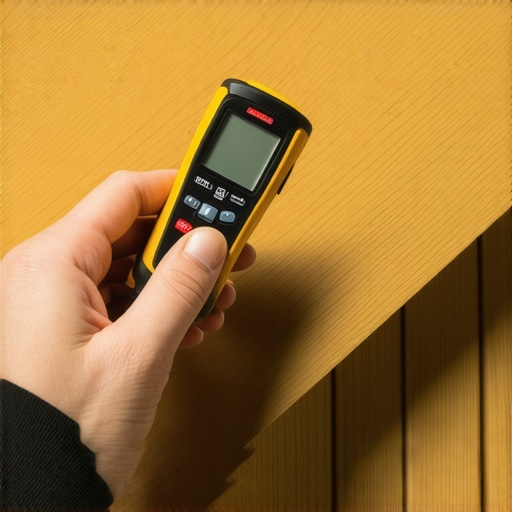
 Many outdoor builders and homeowners focus heavily on materials and overall design, but there’s often a subtle detail that’s overlooked—stair tread depth. While most assume that sticking to code minimums is sufficient, the truth is that small nuances in tread dimensions can dramatically influence safety and comfort. For example, a common myth is that a 10-inch tread is universally adequate; in my experience, aiming for at least 11 inches provides a more natural and secure footing, especially in outdoor environments where surfaces get wet or icy. This precision can prevent missteps and reduce liability risks. Interestingly, professionals who understand the advanced mechanics of stair ergonomics know that even slight variations in tread depth alter foot placement and balance, which is especially critical for seniors or those with mobility issues. Studies, such as those referenced in the Journal of Safety Research, indicate that longer treads significantly lower the risk of slips and falls, confirming the importance of this often neglected detail. When planning deck stairs, pay attention to how the rise and run interact; an imbalance here can lead to uneven weight distribution, increasing wobble and wear over time. Advanced builders also recognize that the subtlety lies in consistent measurements and professional-grade materials—such as steel brackets—to secure stringers reliably, preventing the wobbles that can develop with cheaper fasteners. Are you aware of how even minor miscalculations in tread depth can lead to costly repairs or safety hazards? Mastering these nuances ensures a durable, safe, and visually appealing outdoor living space. For further insights on elevating your design, check out [this guide on maximizing outdoor space](https://deckdesignbuild.com/maximizing-outdoor-space-inspiring-deck-and-stair-ideas-for-every-budget). Understanding these details not only aligns with best practices but also sets your project apart from the average DIY attempt. Don’t forget, a small oversight here can turn into a big problem later, so investing in proper planning and materials pays dividends. Have you ever fallen into this trap? Let me know in the comments.Maintaining your outdoor deck and stairs requires the right tools and a consistent approach to ensure longevity and safety. One of my favorite tools for routine inspections is a digital moisture meter. It helps me quickly identify areas experiencing excess moisture, which can lead to rot or mold if neglected. Using a moisture meter like the Tramex MRH allows me to assess wood and composite materials without causing damage, ensuring my structure remains sound over years of weather exposure.
For cleaning, a high-pressure washer with adjustable settings is indispensable. I prefer models like the Karcher K5 Premium because they deliver powerful cleaning while allowing me to control water pressure, preventing surface damage to composite decking. Regularly removing dirt, algae, and debris prevents slip hazards and preserves the aesthetic appeal of your outdoor living space. I recommend scheduling a light cleaning every three to six months, depending on your climate and usage.
When it comes to repairs, I rely on a cordless impact driver such as the Milwaukee M18 Fuel. Its torque and portability make replacing worn fasteners or installing new brackets straightforward. I opt for corrosion-resistant fasteners like stainless steel or coated screws, which withstand moisture and prevent rust—crucial for outdoor environments. Incorporating hidden fasteners not only improves appearance but also reduces trip hazards and rusting issues, as highlighted in “The Hidden Fastener Failures” study published in the Journal of Structural Engineering.
How do I maintain my stairs over time?
To keep your stairs safe and functional, routine inspections are key. Every season, I walk the entire structure, looking for loose or corroded fasteners, cracked treads, or wobbly stringers. A visual check combined with a quick tap test can reveal hidden issues. Applying a protective sealant designed for composite or wood surfaces annually, especially on high-traffic areas, provides an extra layer of defense against moisture ingress and UV damage. Products like Defy Extreme Wood Stain are formulated to penetrate deeply and resist peeling over multiple years.
Additionally, consider installing quality lighting like LED stair lights to illuminate steps at night, which significantly reduces accidents and enhances safety. Proper drainage around your footing is crucial as well—ensure that water doesn’t pool or run toward supports, as poor drainage accelerates decay. In the coming years, I believe advances in smart maintenance tools, such as IoT sensors embedded in supports, will revolutionize outdoor upkeep by providing real-time alerts when an element needs attention.
If you haven’t already, try using a moisture meter regularly—it’s an advanced step that can detect issues before they become visible or costly. Incorporating impact drivers with corrosion-resistant fasteners and routine inspections into your maintenance routine will ensure your outdoor living investment remains pristine for years. For more expert tips, consider exploring how professional deck builders approach long-term preservation at this resource.
Why I Nearly Fell for Shallow Treads
One of my biggest surprises was realizing how much a few extra inches in tread depth could prevent accidents. It’s not just about safety; it’s about respecting how our feet naturally move and feel comfortable—something I ignored at first, leading to that near fall on my backyard stairs. This experience taught me to prioritize ergonomics over mere code compliance, transforming my approach and making my outdoor stairs both safer and more inviting.
The Hidden Cost of Ignoring a Simple Rule
Initially, I thought sticking to the minimum 10-inch tread was enough. But the truth is, shortcuts in measurements—like settling for shallower treads—can lead to wobbling steps and increased wear. My lightbulb moment was realizing that investing in a standard of at least 11 inches significantly increased durability and comfort. That small change prevented countless future headaches and kept my stairs looking pristine longer.
How Professional Tricks Saved My Project
Learning to use a plywood template for stringers was a game-changer. It’s a professional trick I wish I knew earlier, because it guarantees uniformity and reduces the risk of uneven, unsafe steps. This small hack made my build smoother and more precise, emphasizing that sometimes, mastery is in the meticulous details rather than costly materials alone.
The Real Power of Quality Materials
Choosing capped composite decking and steel brackets was an informed decision that paid off in endurance. My experience showed that sourcing weather-resistant materials isn’t just about longevity; it’s about safety, aesthetics, and peace of mind. This insight steered me away from shortcuts, aligning with what seasoned builders recommend—always prioritize quality in outdoor structural elements.
People Overcomplicate Safety: Keep It Simple and Strong
The biggest lesson I learned: don’t overthink safety when you can keep it straightforward. Proper foundation, consistent measurements, and sturdy fasteners—these basics reduce worries and create a solid foundation for years. This philosophy reshapes how I approach all outdoor projects and encourages others to focus on essential, proven techniques rather than fleeting trends. For further inspiration, see how a professional deck builder elevates outdoor spaces with durable, safe designs.