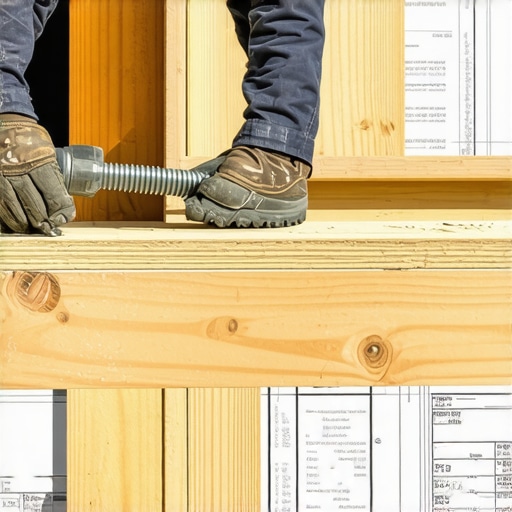
I remember the moment it hit me—standing under my half-built deck, cursing the lag bolts that refused to tighten properly. The shelf of crushed wood and the rattling boards made me realize I was fighting an uphill battle every time I worked on my outdoor space. That frustration led me to a lightbulb moment: maybe there’s a better way to secure my ledger—not just for peace of mind but for a safer, sturdier deck. And that’s when I discovered the magic of structural screws.
Say Goodbye to Lag Bolts: A Game Changer in Outdoor Building
Since that day, I’ve embraced structural screws over traditional lag bolts for deck ledgers—and I want to share why. These screws are designed specifically for outdoor projects that require strength and longevity. Unlike lag bolts, which can sometimes loosen over time due to thermal expansion and contraction or wood movement, structural screws provide a secure, tight hold without the hassle of dealing with nuts or washers. I’ve found that they cut installation time too, making the process less frustrating and more enjoyable. Plus, they significantly reduce the risk of ledger board rot, especially when used with proper flashing and sealing techniques. If you’ve ever experienced loose or wobbly ledgers, I promise this small switch can transform your outdoor projects.
Will Using Structural Screws Hold Up in the Long Run?
Many skeptics worry about durability—do structural screws really last? Early on, I made the mistake of underestimating their strength. A rookie move, perhaps—thinking that regular wood screws just wouldn’t cut it for the heavy load of a deck. But studies show that high-quality structural screws can outperform lag bolts in resisting shear and tensile forces, especially when weathering over time. The secret lies in their corrosion-resistant coatings and strong steel composition, which are essential for outdoor applications. If you’re contemplating which fasteners to choose, considering durability and safety, I urge you to explore the options further. Want to know more about long-term outdoor fastening solutions? Check out this guide to professional-grade outdoor fasteners.
Preparing for Installation
Begin by inspecting your existing ledger board and framing to ensure they are clean, dry, and free of rot or damage. Remove any loose or protruding nails, and verify that the surface is level. Gather high-quality, corrosion-resistant structural screws, appropriate for outdoor use, such as those with a WeatherShield coating. Have a drill with a torque setting, a measuring tape, and a carabiner or extension cord ready to streamline the process.
Marking and Drilling Pilot Holes
Position the ledger board against the house where it will be mounted. Use a measuring tape to confirm placement, ensuring a consistent gap from the structure with spacers or shims. Mark the spots for each screw, aligning with wall studs or blocking. Pre-drill pilot holes slightly smaller than the screw diameter; this prevents wood splitting and facilitates easier insertion. For composite decking, drill through the material to prevent cracking, especially near edges. During my last project, I precisely marked and drilled pilot holes for every third screw, which significantly reduced installation effort and prevented material cracking.
Choosing the Right Screw Length
Opt for screws at least 3 inches long to penetrate the ledger and framing adequately. For thick framing or when fastening into concrete anchors, select longer screws. Using screws that are too short may compromise strength, leading to wobbly decks. I once mistakenly used 2.5-inch screws, which I later regret; upgrading to 3-inch screws made a noticeable difference in stability.
Screwing Down the Ledger
Start by placing the ledger against the wall, aligning it properly. Use a power drill with a suitable bit to drive the screws into the pilot holes, applying steady pressure without over-torquing. Stop once the screw head is flush with the surface; over-tightening can damage the wood or composite material. For added security, alternate the screw positions across the ledger, creating a balanced hold. During my latest deck build, I used a cordless impact driver, which made driving multiple screws faster and easier, reducing fatigue and ensuring consistent torque.
Sealing and Protecting
After fastening, apply a generous bead of high-quality outdoor sealant or flashing under the ledger to prevent water intrusion. Proper flashing is crucial in avoiding ledger board rot, especially in climates with high rainfall. Remember, fasteners alone won’t suffice—combining them with flashing and sealing extends your deck’s lifespan considerably. I always inspect the connection and add extra sealant around screw heads, preventing moisture from seeping behind the ledger.
Additional Tips for Success
Pay attention to weather conditions; avoid working in rain or high humidity to prevent moisture issues. Always wear safety goggles and gloves during drilling and screwing. Keep a repair kit handy for any unforeseen mishaps like cracked wood or misaligned holes. Regular inspections and tightening of screws over time can prevent future wobbling or looseness, maintaining the safety of your outdoor space. For more expert tips on outdoor construction, visit this resource.
While many DIY enthusiasts and even some contractors believe they know the basics of building decks, stairs, and selecting composite decking, there are often overlooked nuances that can significantly impact the longevity and safety of your outdoor space. Let’s dig deeper into these common misconceptions, pitfalls, and advanced insights that can elevate your project from good to exceptional.
Myth-Busting: The Oversimplification of Material Choices
A frequent mistake is assuming all composite decking is created equal. Many think that cheap, big-box store options are sufficient for long-term durability. However, these often lack the high-quality formulations found in professional-grade materials, leading to premature fading, warping, or mold growth. Choosing the right composite requires understanding differences in UV resistance, impact strength, and production processes—parameters backed by recent studies such as those detailed in this comprehensive trend guide. Skimping on materials can be a costly mistake that diminishes your outdoor living experience.
Why Do Some Stairs Feel Uncomfortable Even When Built Correctly?
This question stems from a common oversight: many builders neglect standard ergonomics in stair design. Ensuring riser and tread consistency is crucial, but pay attention to the stair width and handrail placement, which affect safety and comfort. An improperly designed staircase can cause tripping hazards or make guests hesitate to use your deck. Advanced builders often incorporate subtle features like integrated lighting or custom stringer solutions, enhancing safety while maintaining aesthetic appeal, as discussed in this article on stair innovations. Always remember, safety isn’t just about code compliance—it’s about user experience.
Hidden Mistake: Ignoring Moisture Management in Design
One of the most overlooked aspects is how moisture interacts with deck components over time. Many think that applying sealants alone suffices, but neglecting proper flashing, drainage, and ventilation can lead to hidden rot and structural deterioration. For instance, improper ledger flashing is a silent culprit for deck failure, often only visible after significant damage occurs. Incorporating advanced moisture management techniques—such as dual-vented framing and innovative flashing solutions—can drastically extend your deck’s lifespan. Learn how to implement these effective strategies by exploring this expert guide. Remember, building for water runoff and ventilation isn’t optional—it’s essential for outdoor living spaces that last.
What’s the Most Overlooked Detail That Can Tank Your Outdoor Investment?
The answer often involves simple, yet critical, details like deck fastening methods. Using nails instead of screws or ignoring the importance of double joists are common errors that compromise safety. I’ve seen projects where neglecting to account for expansion gaps led to cracked decking and uneven surfaces. Advanced techniques, such as guaranteed fastening patterns and incorporating proper spacing, ensure stability and a premium look. For deeper insights, check out this must-read. Investing in right details today prevents costly repairs and safety hazards tomorrow.
Building a deck isn’t just about following step-by-step instructions; it’s about understanding the intricacies behind each decision. Whether selecting materials, designing stairs, or managing moisture, every nuance counts. Don’t let common myths or overlooked details undermine your outdoor oasis. Have you ever fallen into this trap? Let me know in the comments, and feel free to reach out via this contact form for personalized tips. Remember, mastery lies in mastering the details.
Achieving a stunning, long-lasting outdoor living area requires more than just quality materials and thoughtful design. Regular maintenance, equipped with the right tools and methods, ensures your deck, stairs, and composite decking stay in prime condition for years to come. As an experienced builder, I rely on a suite of specific equipment that streamlines upkeep and safeguards your investment.
How Do I Keep My Deck Looking Its Best Over Time?
The key lies in routine inspections combined with targeted cleaning and minor repairs. I swear by a high-powered, cordless electric pressure washer — models like the Karcher K5, which offer adjustable pressure settings — because they balance power and control, allowing me to remove dirt and algae without damaging finish or composite surfaces. Using specialized deck cleaning solutions, like my homemade mixture of oxygen bleach and mild detergent, helps lift stubborn grime and prevent mold growth. This combination not only restores appearance but also preserves material integrity. Regularly applying a UV-resistant sealant tailored for composite decking, such as those from Eco-Deck, extends color fidelity and prevents fading. For intricate areas, I use a detailing brush with synthetic bristles to reach joist and railing corners, ensuring a thorough cleaning.
Tools That Make Long-Term Maintenance a Breeze
Investing in the right hardware tools simplifies ongoing upkeep. A cordless oscillating multi-tool, like the Dremel Multi-Max, is invaluable for gently removing debris from tight crevices or replacing worn fasteners without dismantling large sections. I also keep a digital moisture meter—for example, the Klein Tool’s MM600—that helps monitor wood and framing moisture levels, informing me when deeper structural maintenance might be necessary. For protecting your surface during cleaning, I recommend using soft microfiber pads attached to your power washer—these prevent scratching and preserve the decking’s surface. Moreover, maintaining a supply of stainless steel screws and fasteners—preferably with a corrosion-resistant coating—supports easy repairs over time, avoiding costly replacements.
Predicting Future Trends in Outdoor Space Upkeep
As technology evolves, I anticipate smart sensors that monitor moisture and structural integrity could become standard in outdoor construction, providing real-time data to homeowners and builders. This integration would enable proactive maintenance, catching issues before they escalate. Additionally, advances in eco-friendly cleaning agents are poised to make routine care safer and more sustainable.
What’s the Best Way to Keep Outdoor Living Spaces Functional and Beautiful?
Consistent maintenance is indispensable, but it’s equally important to adopt a proactive approach. Scheduling seasonal deep cleans, inspecting and tightening fasteners, and applying protective coatings periodically can dramatically improve your outdoor space’s lifespan. For stairs and structural components, using a moisture meter can reveal hidden rot, guiding timely repairs that prevent accidents. Remember, addressing problems early not only keeps your deck safe but also preserves its visual appeal. Curious about more advanced strategies? You might find this guide helpful for understanding how professional insights can further optimize your outdoor living area.
If you’re ready to elevate your maintenance game, I recommend trying out a digital moisture meter combined with a thorough cleaning schedule — it’s a game-changer that can save you time and money while ensuring your deck remains a beautiful, functional spot for outdoor enjoyment for years to come.
The Hardest Lesson I Learned About Deck Building and Outdoor Living
One of my most impactful lessons was realizing that no matter how well I planned, overlooking water management could spell disaster for beautiful decks. Proper flashing and drainage aren’t just technical details—they are the backbone of longevity. Once I started prioritizing moisture control, my projects not only lasted longer but also required fewer repairs, saving time and money in the long run.
Equipment Secrets That Transformed My Maintenance Routine
Investing in high-quality tools like a digital moisture meter and a versatile power washer changed everything. These tools empowered me to detect hidden issues early and clean surfaces without damage. Sharing this insight with clients has helped them better maintain their outdoor spaces, making their investments truly worthwhile.
Why Cutting Corners on Material Quality Backfires
Attempting to save money by choosing cheaper composite decking or fasteners often leads to disappointment. High-grade materials with proven UV resistance and corrosion protection keep your outdoor oasis vibrant and sturdy over time. My own experiences reinforce that quality upfront pays dividends season after season.
Ideas for Elevating Your Outdoor Living Beyond Expectations
Personalized touches like integrated lighting, seamless stair transitions, and thoughtful design details can turn a standard deck into a stunning retreat. I recommend exploring this resource for inspiration on innovative design ideas that blend function and beauty effortlessly.