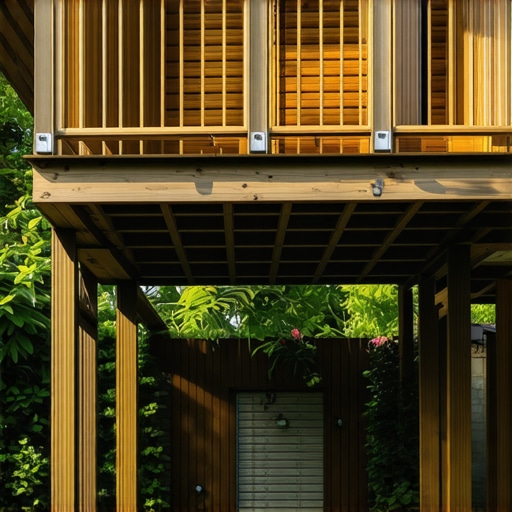
I vividly remember the moment I realized the underside of my second-story deck was becoming an eyesore. It started with a faint shadow beneath the joists and gradually turned into an unsightly view of support beams and unused space. That lightbulb moment made me wonder—why had I overlooked this hidden area? Turns out, many homeowners face the same dilemma, and without a bit of clever planning, that empty space can become more of a nuisance than a feature.
Transforming the Hidden Space Beneath Your Deck
The truth is, the underside of a second-story deck isn’t just an empty cavity; it’s a chance to elevate your outdoor living space. Whether you want a neat, polished look or a functional hiding spot, there’s a solution that can seamlessly blend with your deck’s aesthetic. Today, I promise to guide you through effective, realistic ways to hide that underside—without sacrificing style or breaking the bank. We’ll explore practical materials, clever design tricks, and real-world tips based on my personal experience and proven methods that I’ve seen work wonders.
What About the Skeptics? Is Wrapping That Underside Really Worth the Effort?
I know what you’re thinking: “Will this really make a difference? Is it worth the hassle?” Believe me, I’ve been there. Early on, I tried to ignore that empty space, thinking I’d deal with it someday. The mistake I made was delaying, which only worsened the look over time. It’s easy to fall into the trap of thinking,
Build a Solid Framework First
Start by installing a durable lattice or personalized skirting around the underside of your deck. Use pressure-treated lumber or aluminum screens to ensure longevity against weather. I once used weather-resistant lattice, but forgot to secure it tightly. After a windy night, a section came loose, leading me to reinforce every joint with exterior-grade screws, which made a huge difference in stability and appearance.
Select the Right Material for Visual Appeal and Durability
Composite decking boards aren’t just for surfaces; they can be repurposed for skirting for a uniform look. When I replaced my old lattice with composite planks, it transformed the entire back yard. Visit composite decking trends for ideas on stylish options. Be sure to pick color-matched boards to keep a cohesive aesthetic and avoid a patchwork appearance.
Ensure Proper Ventilation to Prevent Moisture Build-up
Simply enclosing the underside may trap moisture, leading to rot. Install vented panels or leave small gaps at regular intervals. I once enclosed my deck completely, thinking it would look neat, but noticed mold forming after a rainy season. To fix this, I drilled small ventilation holes and added weatherproof vents, which dramatically improved airflow. Remember, a little space can save big headaches later.
Incorporate Functional Elements Without Sacrificing Style
Hide ugly pipes, wires, or storage with clever enclosure ideas. I installed a faux panel that mimicked brick siding behind my support beams, which concealed wires and added character. For a seamless look, opt for a paintable or stainable panel that matches your deck’s design. Check out expert tips on blending functionality with style.
Finish with a Protective Coat for Lasting Beauty
Applying a weatherproof sealant or paint not only enhances appearance but extends lifespan. Last summer, I brushed a high-quality deck stain on my skirting, which protected it from sun and rain. Test your surface with a small patch first, and work in dry weather for best results. This extra step keeps your hidden space looking fresh for years to come.
Many homeowners embark on deck projects with a set of assumptions that can lead them astray. One prevalent misconception is that choosing the most affordable materials will always yield the best long-term results. However, I’ve found that investing in quality, especially with composite decking, often pays off by reducing maintenance costs and enhancing durability. An often-overlooked nuance is the importance of precise joist spacing. While 16 inches on center is standard, for heavier composite materials, slightly tighter spacing ensures stability and prevents sagging, as emphasized by industry experts in composite decking standards.
A common trap is underestimating the need for proper ventilation beneath your deck. Enclosing the space entirely might seem visually appealing, but it can trap moisture, leading to rot and mold—issues that even seasoned builders sometimes forget. Incorporating vented skirting or spaced panels ensures airflow and longevity.
What advanced mistakes do even experienced builders make about outdoor stairs?
Many believe that following basic building codes suffices. Yet, neglecting to account for the aesthetic alignment with your overall landscape design or overlooking the importance of a sturdy middle stringer can turn a beautiful staircase into a safety hazard. Properly designed stairs not only enhance safety but also elevate your deck’s appeal. For innovative solutions, check out stairs innovation tips.
In my experience, another trap lies in the assumption that all composite decking materials are created equal. While some are marketed as maintenance-free, subtle differences in manufacturing processes influence their longevity and resistance to fading or staining. Consulting detailed trends like those found in latest composite decking trends can help you make informed choices.
To truly master outdoor living upgrades, understanding these nuances makes all the difference. Avoid common myths, pay attention to critical details, and invest wisely—your future self will thank you. Have you ever fallen into this trap? Let me know in the comments.Maintaining the durability and beauty of your deck or outdoor living area requires the right tools and consistent care. Over the years, I’ve refined my toolkit with specific equipment that guarantees precision and efficiency, saving me both time and money. In this post, I’ll share my personal recommendations to help you keep your deck in top shape and ensure your investment stands the test of time.
Invest in a Quality Cordless Impact Driver
One of the most versatile tools I use regularly is a high-quality cordless impact driver. Its power and portability make installing screws or tightening brackets effortless, especially when working with composite decking or stairs. I prefer models with brushless motors for longevity and battery life. For instance, my Dewalt DCF887 impacts fasteners with minimal effort, reducing arm fatigue during prolonged projects.
Embrace a Digital Moisture Meter
Moisture management is vital in outdoor projects. A digital moisture meter helps me assess wood and composite materials before installation or repairs, ensuring no hidden moisture may lead to rot or mold. This simple device has saved countless headaches by preventing issues before they escalate. Regular use of moisture meters can extend your deck’s lifespan significantly.
Use a Power Washer with Adjustable Settings
Keeping your deck clean is essential for longevity. I rely on a power washer equipped with adjustable pressure settings and a wide-angle nozzle to remove dirt, mold, and algae gently without damaging the surface. Overpowering can strip finishes or etch composite surfaces, so I set it to a low-medium pressure and keep the nozzle at a safe distance. This approach preserves your decking’s appearance and structural integrity.
Apply Specialized Sealants and Stains
Long-term results depend heavily on using the right protective products. I recommend a high-quality, waterproof sealant formulated for composite and wood decking. New formulations, likepenetrators that penetrate deep into the material, provide better resistance against UV rays and moisture. Reapplying every two to three years maintains the deck’s vibrant look and prevents issues like premature discoloration or surface cracking.
Track Maintenance with a Digital Schedule
Staying ahead of maintenance tasks can be daunting. I use a digital calendar with reminders to inspect and reapply sealants, check for loose fasteners, and clean surfaces regularly. This systematic approach keeps my outdoor spaces safe and beautiful year-round. Setting alerts in your smartphone calendar can make all the difference in consistent upkeep.
Looking ahead, advancements in automated cleaning devices and smart monitoring systems are poised to revolutionize outdoor maintenance. Imagine robotic cleaners that can scan for moisture buildup or corrosion and alert you via an app—making maintenance almost effortless. Integrating such tech can push your outdoor living space into the future.
Questions for Lasting Outdoor Charm
How do I maintain my deck over time to prevent costly repairs? Regular inspections and timely interventions are key. Incorporate tools like moisture meters and impact drivers to make ongoing maintenance manageable. For stairs and outdoor structures, precise measurements combined with quality fasteners will keep everything sturdy and safe. Remember, investing in the right equipment upfront pays off in long-term durability.
Don’t forget to visit the latest composite decking trends to stay informed on innovative materials that can simplify maintenance and enhance your outdoor area’s aesthetics. Try incorporating a power washer in your next cleaning routine or reapplying sealant with advanced products to see immediate improvements. These small steps are powerful in maintaining your outdoor retreat.
Lessons That Changed My Approach to Deck Design
One of my biggest realizations came when I stopped viewing the underside of my deck as just an afterthought and started treating it as an extension of my outdoor aesthetic. I learned that careful planning and choosing quality materials can turn a neglected space into a seamless part of your backyard oasis. The importance of proper ventilation and smart concealment techniques became crystal clear after battling mold issues that could have been prevented with foresight. This shift in perspective reminded me that paying attention to the smallest details makes all the difference in creating a durable, beautiful deck.
Another humbling lesson was understanding that—and I can’t stress this enough—skimping on foundational elements like joist spacing or using subpar fasteners can cause long-term problems. These are lessons learned the hard way, and sharing them helps you avoid costly mistakes. Building a deck isn’t just about the surface; it’s about the system underneath that supports your lifestyle and safety. Recognizing these nuances early on has saved me countless headaches and has elevated my confidence in tackling complex outdoor projects.
Lastly, I discovered that integrating functional elements like storage or lighting into the concealed parts of your deck can elevate your outdoor experience. It’s the little enhancements—like vented panels or hidden wiring—that turn a basic deck into a smart, inviting space. These insights are part of what makes craftsmanship rewarding, and I hope they inspire you to see your deck’s underside not as a flaw, but as an opportunity.