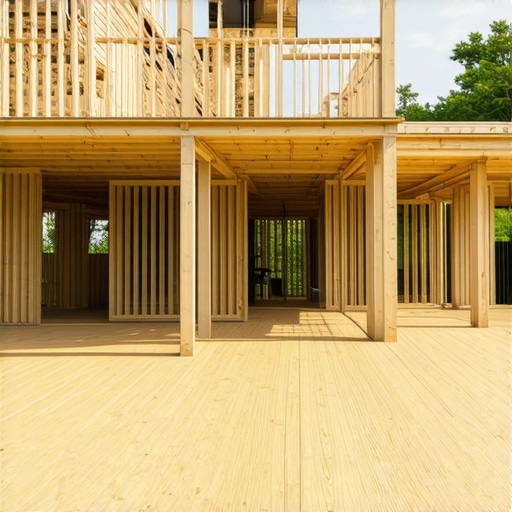
It was a sticky summer afternoon when I stepped onto my deck, only to feel that unsettling squish under my feet. The boards, which I had proudly installed just a few years earlier, were softening, warping, and developing unsightly cracks. That painful realization hit me—I had made a classic mistake. I had trusted my initial choice of wood without fully understanding the long-term consequences.
Hooking Into the Real Costs of Decking Materials
As a DIY enthusiast and seasoned builder, I’ve learned the hard way that not all woods are created equal, especially when it comes to outdoor structures. The temptation to save money with pressure-treated lumber for everything is strong, but my experience and countless projects have shown me a stark reality: **pressure-treated wood is suitable for framing but not for decking**. The difference lies in how the materials respond to moisture, UV exposure, and everyday wear.
Early in my journey, I used pressure-treated lumber for my deck surface. At first, everything looked fine. But within a few seasons, I faced fading color, splintering, and the dreaded warping that made me dread simply walking across my own backyard oasis. The repairs, replacements, and maintenance eventually cost me more than if I had invested in higher-quality materials from the start.
This realization is backed by industry insights, which highlight that pressure-treated lumber, while affordable and resistant to rot in framed structures, isn’t designed for prolonged exposure to the elements. Its chemical treatments, although effective against pests and decay, don’t prevent warping, splintering, or color fading when used as a deck surface.
Have you ever experienced the disappointment of deck boards rotting or warping just a few years after installation? If so, you’re not alone. Many homeowners and DIYers learn this lesson the hard way. That’s why I want to share what I’ve discovered: choosing the right materials can save you time, money, and frustration long-term.
In the next sections, I’ll walk you through the specific reasons why pressure-treated wood doesn’t hold up well as a decking surface and how you can select the best alternatives for durability and beauty. Whether you’re building new or updating your existing deck, understanding these key points will help you make smarter choices and avoid costly mistakes.
Ready to dive into the specifics? Let’s look at what makes decking materials perform better and how you can enhance your outdoor living space with confidence.
Choose High-Quality Composite Decking
Start by comparing different composite decking options, focusing on mineral core and capped polymer boards. These materials resist warping, fading, and scratching better than standard composites. When I built my last deck, I selected a mineral core board with a textured surface, which proved to be comfortable barefoot and highly resistant to the summer sun. Learn more about selecting the best composite decking materials.
Plan Your Support System Carefully
Ensure your joists are spaced correctly—typically 16 inches on center—to prevent sagging and excessive movement. Use galvanized or stainless-steel fasteners to avoid corrosion. During my project, I upgraded my joist hangers to heavy-duty galvanized ones, which significantly increased stability and longevity. Proper spacing and durable fasteners create a solid foundation that keeps your deck looking pristine.
Incorporate Protective Elements from the Start
Applying flashing tape and sealants at critical junctions, such as ledger boards and stair stringers, helps prevent water intrusion. I installed flashing with a double-layer technique, which effectively stopped any moisture from seeping into the house wall, adding years to the deck’s lifespan. For detailed guidance, see this expert tip.
Design Seamless Transitions and Stairs
Stairs should match the deck height precisely, with a rise between 7 and 8 inches and a tread depth of at least 11 inches for safety. For a sleek appearance, consider using hidden fasteners and matching the stair treads’ color to the decking. I customized my staircase with a 45-degree miter cut on the corners, resulting in perfect, clean joints that elevated the overall look. Review these detailed stair design tips.
Integrate Lighting and Accessories Strategically
Low-voltage LED fixtures embedded into stairs or posts can provide ambiance without cluttering the deck’s aesthetic. During my build, I installed lighting under the railing with a concealed wiring method, ensuring safety and style. This setup not only extended usability into the evening but also showcased the craftsmanship. Find inspiration at this guide on smart lighting integrations.
While composite decking has revolutionized outdoor living, many misconceptions still persist among homeowners and even some builders. Let’s dig deeper to expose what most people get wrong about this material and related techniques to ensure your project lasts for decades. One widespread myth is that all composite boards are equally durable, but in reality, many novice builders underestimate the importance of quality cores and surface treatments. For instance, mineral core composite decking, available from [this guide](https://deckdesignbuild.com/choosing-the-right-composite-decking-for-durable-low-maintenance-outdoor-areas), offers superior heat resistance and scratch resistance, traits often overlooked by those choosing cheaper alternatives. This nuance can make or break your outdoor setup, especially in full sun or high-traffic zones; neglecting it could mean costly repairs down the line. Additionally, a common mistake is believing that simple fasteners are enough to secure stairs and railings; experienced builders know that hidden fasteners, like those discussed [here](https://deckdesignbuild.com/the-hidden-bracket-secret-for-floating-deck-benches), not only create a cleaner look but also prevent loosening over time, significantly improving safety. Trusting traditional methods without considering the advanced techniques—such as installing properly spaced support beams and using corrosion-proof hardware—often leads to premature failure, especially in coastal environments, as highlighted by [industry expert insights](https://deckdesignbuild.com/why-some-composite-boards-get-slippery-and-how-to-spot-the-good-ones). What’s more, many underestimate the importance of proper transitions where stairs meet decks; a subtle but critical detail is ensuring the stair rise and run are calculated precisely—not just for comfort but for compliance and long-term stability. Check out [this post](https://deckdesignbuild.com/creating-seamless-transitions-stairs-as-key-elements-in-outdoor-living) for practical tips. Now, as advanced builders know, neglecting moisture management—especially around ledger boards and stair stringers—can turn your beautiful deck into a rotting nightmare in just a few seasons. Sealing, flashing, and proper ventilation are often skipped due to perceived complexity but are absolutely vital, as demonstrated in [this expert advice](https://deckdesignbuild.com/the-ledger-flashing-trick-that-keeps-deck-stairs-from-rotting-off-the-house). Remember, understanding these nuances isn’t just for seasoned pros; they can save you hundreds or thousands in repairs and ensure your outdoor space remains stunning and safe for years to come. Have you ever fallen into this trap? Let me know in the comments and share your experience with composite decking challenges—your tips might help others avoid costly mistakes.
Mastering Tool Selection for Long-Term Deck Success
One of the most crucial aspects of maintaining a beautiful, durable composite deck is having the right tools at your disposal. I swear by my cordless impact driver, specifically the Milwaukee M18 Fuel model, because its torque power and portability make fastening railings and stairs effortless, especially in tight spaces. For measuring and leveling, I rely on a Bosch digital laser level, which ensures precision when adjusting support beams or installing new components—accuracy that uniformity depends on. When it’s time to clean, I prefer a soft-bristle deck brush paired with a pressure washer set to around 1,500 PSI, which effectively removes dirt without risking damage to the surface—saving me from unnecessary refinishing later. Check out this lighting setup guide for a step-by-step on integrating LED lights with minimal fuss.
Adopting Proven Maintenance Methods
Routine checks are vital. I inspect my deck surfaces monthly for signs of wear, such as loose fasteners or minor warping, addressing issues immediately before they escalate. Every year, I apply a high-quality waterproofing sealant like Star Brite’s Premium Deck Sealant, which creates a protective barrier against moisture ingress—a key factor in prolonging the life of composite materials. Be sure to pay close attention to the ledger board area, sealing all joints and applying flashing tape as recommended in this expert article to prevent water intrusion and wood rot.
Planning for the Future of Your Outdoor Living Space
Looking ahead, I believe advancements in smart home integration will significantly impact outdoor decks, from automated lighting to climate control systems embedded within the structure. This trend is already emerging, with some companies developing weather-responsive deck covers and UV-monitoring systems that notify you when maintenance is needed. Staying ahead involves not just upgrading materials but also investing in tools and techniques that adapt to evolving technology. For instance, using a moisture meter like the Protimeter Surveymaster allows me to assess the internal water content of crucial support elements, helping me schedule maintenance before problems become visible—saving money and hassle. To see how these innovations come together, check out our latest trends forecast.
How do I maintain my deck over time?
Maintaining your deck isn’t just about occasional cleaning; it requires a systematic approach—regular inspections, proper sealing, and upgrading hardware as needed. For example, periodically replacing worn fasteners with corrosion-proof options, like stainless-steel screws, can prevent dangerous wobbling and structural issues. Incorporate preventative tools such as a magnetic impact driver attachment, which helps in quick replacement of loose screws without damaging the composite surface. One advanced tip I recommend is applying a thorough cleaning with eco-friendly, pH-balanced cleaning solutions like Simple Green Deck & Fence Cleaner, followed by a gentle rinse. This ensures your surface stays free of grime without degrading the finish. Give it a try on your next clean-up, and you’ll notice the difference in appearance and longevity. As you plan for long-term resilience, stay informed about emerging technologies and techniques—your outdoor living space will thank you for it.
3 Surprising Truths I Wish I Knew About Composite Decking
Trusting the hype without doing my homework cost me dearly—discovering the importance of mineral core technology and understanding how surface treatments impact longevity was a game-changer. I learned that not all composite boards are created equal—skimping on quality leads to warping and scratches, especially in sun-drenched southern regions. Now I know that investing in high-end boards with better UV resistance keeps your deck looking fresh for years without constant repairs.
Another lesson: hidden fasteners aren’t just for a sleek look—they prevent loosening over time and provide safer, sturdier stairs. I once used traditional screws, only to regret it when they loosened after a harsh winter. Upgrading my hardware made me realize that proper quick-attachment methods save frustration and enhance safety.
Finally, moisture management isn’t glamorous, but neglecting sealing around ledger boards and stair stringers leads to rot and structural issues. Applying flashing tape and proper sealing from day one, as I now do, ensures your deck remains a beautiful, safe sanctuary, even in heavy rain. Don’t underestimate these small details—they’re the secret to long-term quality.
Tools and Resources That Changed the Way I Built
My impact driver—specifically the Milwaukee M18 Fuel—made fastening composite boards effortless, especially in tight corners like stairs and railings. The Bosch digital laser level ensures precise alignment of support beams, eliminating guessing work. For cleaning, a soft-bristle deck brush paired with a pressure washer at 1,500 PSI keeps the surface pristine without damage.
For expert advice, I rely on this comprehensive guide on composite options to compare materials and find what best fits my climate. The recommended tools from this resource on seamless stair design help me achieve professional-looking results. Staying equipped with the right tools saves time and ensures durability every step of the way.
Your Next Step Toward Beautiful, Durable Outdoor Living
Building or updating a deck is more than just selecting materials; it’s about creating a space that elevates your lifestyle and stands the test of time. Embrace the lessons learned, invest in quality, and pay attention to the details that matter most. Your outdoor oasis is within reach—start today, and enjoy countless seasons of relaxation and beauty.
Have you experienced unexpected challenges with composite decking or stairs? Share your stories below—your insights might help others avoid similar pitfalls.
Comments are closed.