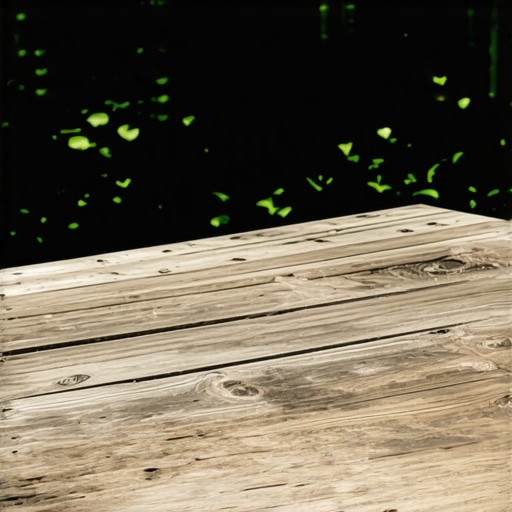
Imagine this: It’s a warm Saturday afternoon. You’re eager to relax on your deck, a refreshing beverage in hand, ready to enjoy the sunshine. But as you step outside, a harsh realization hits you—your dark-colored deck boards are radiating heat, blisteringly hot underfoot. Worse, they’ve already faded unevenly, with some boards warped or discolored beyond recognition. It’s a familiar story for many who chose the trendiest, darkest decking options, only to find out the hard way that they may not be the best fit for sunny southern exposures.
Why Dark Deck Boards Turn into Sun-Scorched Nightmares
There’s a common misconception that darker decks look more stylish and modern, but few realize the toll that intense sunlight, especially in southern climates, takes on these surfaces. Darker colors absorb more heat, making barefoot strolls unbearable during the hottest months. The heat retention also accelerates the fading and warping process, turning what should be a relaxing retreat into a maintenance headache. From my early experience, I learned this the hard way when my first dark composite deck started showing signs of distress within just a couple of years, despite following most recommended installation practices.
That’s why I’m here: to help you avoid those costly mistakes and share some insights based on personal lessons. Today, I’ll guide you through understanding why dark deck boards are often a bad choice for southern exposures and how you can select the right materials and design features to make your outdoor space both beautiful and resilient. If you’ve faced similar frustrations—hot feet, fading surfaces, or warped planks—stick around. We’re about to turn your deck from a suntrap into a sustainable oasis.
Will choosing the right deck color really make a difference?
This question haunted me at first. I thought all composite decking was created equal, and I’d be saving money by opting for the darker hue. But I made the mistake of ignoring how much heat it would trap and how faded it would look after just a couple of seasons. Experts agree: lighter colors reflect more sunlight, reducing heat and fading, which can significantly extend the lifespan of your decking. For more on the latest trends and how to pick durable materials, check out our comprehensive guide on composite decking trends.
Understanding this now, I advocate for considering not just aesthetics but also environmental and practical factors when choosing your decking. The goal is to get a balance between style and endurance, especially in the blazing southern sun. Ready to explore what options work best? Let’s dive into practical steps to keep your deck cool, durable, and beautiful for years to come.
Select the Right Composite Materials to Keep Your Deck Cooler
Start by opting for **light-colored composite decking** instead of dark hues. When I built my new deck, I chose a warm beige tone because I knew it would reflect more sunlight and stay cooler barefoot. To do this, visit your local supplier and compare the available shades, paying close attention to their heat-reflecting properties. Ask about the specific formulations designed to minimize heat absorption; many manufacturers now include micro-ceramic additives that bounce sunlight away. Implementing this step can dramatically reduce surface temperatures and improve comfort.
Optimize the Structure for Sun Exposure
Next, position your deck to maximize shade exposure during peak sunlight hours. I used a manual compass to orient my deck with the shortest side facing south, which minimized direct sun. Additionally, attach retractable pergolas or shade sails over critical areas. When installing, ensure the structural supports are robust enough to hold these additions. A well-placed shade can cut down the deck temperature by up to 20°C, creating a more pleasant outdoor experience.
Apply Reflective Coatings and Finishes
Layer your deck surface with reflective sealants or coatings designed specifically for decking materials. During my project, I applied a high-reflectivity clear sealant recommended by my supplier, which helped bounce sunlight off the surface. This step isn’t just about appearance; it significantly reduces surface heat. Be sure to follow the manufacturer’s instructions carefully, and reapply the coating annually to maintain its reflective qualities. This method prevents the deck from acting like a solar oven, especially in southern climates.
Incorporate Cool-Design Features and Accessories
Add elements like lightweight, outdoor-friendly furniture and light-colored rugs that do not absorb heat. I chose cushions with breathable fabrics to sit comfortably during hot days. Install LED or solar-powered lighting with cool-colored bulbs that do not emit additional heat at night. These accessories contribute to a more inviting atmosphere while helping keep the deck itself cooler. Small upgrades like this transform the space into a refuge from the blazing sun.
Maintain and Upgrade Over Time
Regular maintenance enhances heat reflection and overall longevity. Clean your deck surface at least twice a year with a gentle power wash, and inspect for worn sealants or coatings that could compromise reflectivity. Upgrading to newer composite formulas that feature advanced heat-resistant technologies can further mitigate temperature build-up. Remember, each improvement adds up; a strategically cooled deck encourages more outdoor enjoyment and less maintenance hassle.
By following these concrete steps—selecting light-colored materials, optimizing orientation, applying reflective finishes, adding shade, and maintaining regularly—you can turn your southern-exposure deck into a cool, inviting oasis. Implementing these techniques personally, I avoided the pitfalls of heat and fade, creating a space that’s both stylish and durable.
 Many homeowners believe that choosing the darkest and most luxurious-looking composite decking will deliver a timeless aesthetic and durability. However, this common misconception overlooks critical nuances that can lead to costly mistakes. For instance, darker surfaces absorb more heat, accelerating fading and warping, especially in intense southern sun exposure. Contrary to popular belief, investing in high-quality, light-colored composite materials with advanced heat-reflective formulations can extend your deck’s lifespan and comfort. Moreover, many underestimate the effect of stair integration on outdoor safety and the importance of professional skill in ensuring long-term stability. For example, improperly installed stairs can pose a safety hazard, and integrating seamless transitions that balance form and function requires expertise, which is why I recommend consulting a seasoned deck builder. Additionally, there’s a misconception that all composite decking is maintenance-free; in reality, regular cleaning and strategic upgrades, like reflective coatings, significantly improve longevity. What’s more, some believe that multi-level decks are inherently complex and expensive, but with proper planning and professional guidance, they can be both visually stunning and cost-effective. Understanding these nuances helps you avoid the ‘oops’ factors, such as choosing materials solely based on aesthetics without considering environmental factors. An inclusion worth noting is the significance of proper stair design in safety and aesthetics; innovative solutions can transform overlooked details into focal points, as explored in top stairs design ideas. Ultimately, making informed choices about materials, design, and professional collaboration ensures your outdoor space becomes a sustainable retreat rather than an ongoing maintenance challenge. Remember, a well-designed deck optimized for your specific climate and usage demands expert insight—don’t fall for oversimplified myths. Have you ever fallen into this trap? Let me know in the comments.
Maintaining your outdoor living space, especially a deck constructed with composite materials or featuring stairs, requires more than just periodic cleaning. Having the right tools and established routines ensures your deck remains safe, attractive, and durable for years to come. In my experience, investing in quality equipment and adopting precise methods has made a significant difference in long-term performance.
Choose the Right Power Tools for Deck Upkeep
For routine cleaning, a high-quality pressure washer is indispensable. I personally rely on models with adjustable pressure settings and rotating wand heads, like those from Honda or Kärcher, to prevent damage to composite surfaces while removing dirt and grime effectively. An accurate, reliable cordless electric drill with various screwdriver bits helps during minor repairs, such as tightening loose railings or replacing fasteners. These tools save time and improve precision compared to manual alternatives.
Prioritize Inspection and Preventative Maintenance
Periodic inspections are vital. Use a digital moisture meter to assess underlying wood or supporting structures, especially if your deck has stairs or multi-level components. This helps identify hidden issues like rot or water intrusion before they become costly problems. Pair this with a laser level to ensure alignment and stability of stairs and deck boards, maintaining safety and aesthetics over time.
Integrate Modern Software and Planning Tools
When planning upgrades or scaling your outdoor space, I recommend using design software like SketchUp or specialized deck planner apps. These platforms allow you to visualize modifications before implementation, helping avoid costly mistakes. For example, experimenting with stair configurations in a virtual environment can reveal potential safety or aesthetic issues that are hard to foresee otherwise. Consider consulting a professional for detailed structural assessments or complex projects through contact us.
Long-Term Results Require Consistent Upkeep
Adopting a routine that includes cleaning, inspections, and minor repairs can extend your deck’s lifespan. Applying a high-quality, reflective sealant after each season—like those recommended in our latest trends guide—helps maintain heat reflection and surface integrity. Regularly replacing worn fasteners with corrosion-resistant stainless steel options also preserves bond strength, especially in coastal or humid environments.
Scaling Outdoor Spaces Without Sacrificing Quality
As your outdoor living area expands, so does the complexity of maintenance. Modular decking systems and innovative stairs can simplify this process, but they demand precision during installation. I suggest working with skilled contractors who utilize advanced tools like hidden brackets and engineered framing techniques. This approach not only enhances safety but also provides a cleaner, more integrated look that ages gracefully.
Looking ahead, trends point towards smarter maintenance integrations, such as IoT-enabled sensors that monitor moisture levels and structural integrity. Embracing these technologies now can save considerable effort and extend your deck’s lifespan significantly. I challenge you to try incorporating a digital moisture meter into your maintenance routine—it’s a game-changer for proactive upkeep.
Remember, maintaining your outdoor spaces isn’t just about aesthetics; it’s about investing in safety, longevity, and enjoyment. Using the right tools and strategies today lays the groundwork for a stunning, durable deck tomorrow.
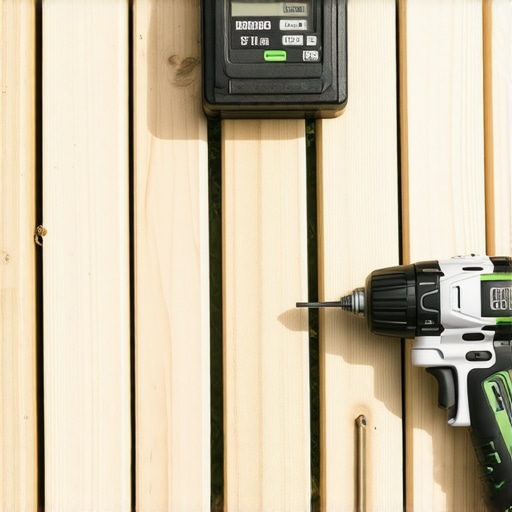
Image prompt: Close-up of a cordless electric drill and digital moisture meter being used on a composite deck to illustrate maintenance tools.
Lessons from the Trenches: The Hidden Truths of Outdoor Living
- One of the most eye-opening lessons I learned was that selecting darker composite decking might seem stylish initially, but it often leads to rapid warping and fading, especially in hot southern sun. Opting for light-colored, heat-reflective materials can save you from costly replacements and constant upkeep.
- Professionals rarely discuss how crucial proper stair design is for safety and aesthetics. Small details like seamless transitions and hidden brackets not only enhance visual appeal but also extend the lifespan of your outdoor stairs, making them safer for kids and pets.
- I discovered that regular maintenance isn’t just about cleaning—periodic inspections with tools like moisture meters and laser levels can catch issues early, preventing small problems from turning into major repairs.
- Investing in advanced tools and learning their use revolutionized how I maintain my deck. For example, a cordless drill and reflective sealants become game-changers in ensuring long-term durability and comfort.
- Visualizing your deck project with design software helped me avoid costly mistakes. Seeing how added shade structures or new color schemes fit within the space saved me time and money, leading to a more satisfying result.
Tools and Resources That Transformed My Approach
- High-Quality Pressure Washer: Protects your deck surface while keeping it spotless. Brands like Honda or Kärcher are reliable choices.
- Digital Moisture Meter: Essential for detecting hidden water damage early, preventing rot and warping. I trust those from general hardware stores, but look for professional-grade options.
- Deck Design Software: Platforms like SketchUp or specialized apps helped me visualize changes before committing, saving time and frustration.
- Reflective Sealants: Using heat-reflective coatings dramatically reduces surface temperatures during summer, making outdoor spaces more inviting.
Your Journey to a Cooler Outdoor Haven Starts Today
Transforming your deck from a sun-trap into a refreshing retreat is entirely within your reach. By choosing the right materials, applying strategic shading, and maintaining your space proactively, you can enjoy your outdoor oasis year-round. Embrace these lessons learned, and don’t hesitate to experiment with new ideas—your perfect outdoor living space awaits. Curious about specific design ideas or professional tips? Explore more at our latest outdoor living innovations. Have you faced challenges with deck heat or fading? Share your story below—I’d love to hear your experiences and help you find practical solutions.