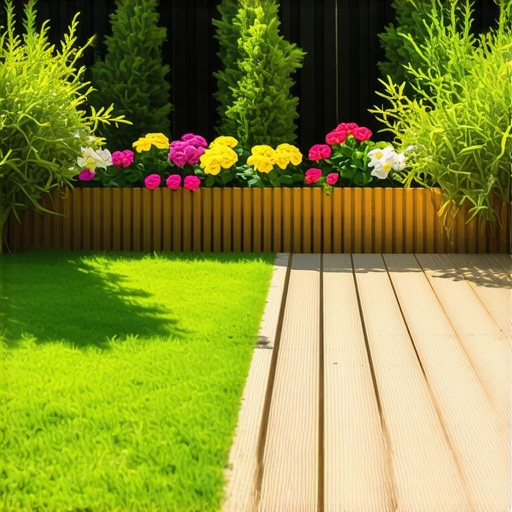
I remember the moment clearly: I had just finished installing a beautiful dark grey composite deck, proud of my work and excited to enjoy the sunny afternoons with family and friends. But as the weeks went on, I started noticing something unexpected—my feet burning every time I stepped onto that deck in the sun. The color, which looked sleek indoors or under shade, became almost unbearable under blazing sunlight. That lightbulb moment made me question my choice, and I realized I wasn’t alone in facing this dilemma.
Choosing the Right Deck Color: Why Dark Grey Can Be a Sun Magnet
Sunlit backyards offer the perfect setting for outdoor living, but they come with their own set of challenges—especially when it comes to deck coloring. Dark grey decking has become a popular choice due to its modern look and sleek appeal. However, in direct sunlight, these darker hues absorb more heat, turning your outdoor space into a miniature oven. The uncomfortable barefoot experience and the fading of color over time prompted me to explore better options. If you’re like me, eager for a stylish yet comfortable outdoor area, you’ll want to avoid the pitfalls that come with darker shades.
Did you know, according to a study by the University of California, surfaces in dark colors can reach temperatures up to 40% higher than lighter ones under identical sun conditions? This means your beautiful deck could be causing discomfort and even potential damage to the material itself.
In this post, I’ll guide you through practical choices and design tips that help you create a stunning, functional outdoor space without the scorching drawbacks of dark grey decking. Whether you’re remodeling your existing deck or planning a new one, understanding color impacts can save you headaches down the line.
Are you tired of stepping onto your deck only to be met with intense heat and a color that’s fading faster than you’d like? Let’s dive into how choosing the right materials and colors can transform your backyard into the oasis you’ve been dreaming of.
Opt for Lighter Deck Colors to Mitigate Heat
Choose pale or neutral shades like beige, tan, or light brown over dark greys or blacks. These hues reflect more sunlight, keeping your deck cooler under foot and reducing heat absorption. Case in point: I once replaced my dark grey boards with light taupe, which noticeably cut down on barefoot discomfort during summer afternoons.
Prioritize Composite Decking Materials with Cool-Color Options
Research composite decking brands that offer light or reflective surface options. Modern materials often have cool-tone finishes designed specifically to combat heat absorption. To figure out the best fit, compare features by visiting these product guides. I tested a few samples before settling, and the light-colored planks stayed surprisingly cool, even after hours of sun exposure.
Implement Strategic Deck Design for Sunlight Reflection
Design your deck with elements that reflect sunlight away—think of white or light-colored railings, umbrellas, or shade sails. Placing a large, reflective patio umbrella not only provides instant relief but also extends the feel of the outdoor space. During my project, I installed a white pergola that cast dappled light and kept a corner of the deck much cooler—lesson learned: shade accessories make a difference.
Incorporate Safe and Comfortable Stairs and Transitions
Use lighter, non-slip stair treads made of composite with light finishes to avoid burn hazards and ensure safety. For seamless outdoor living, consider the positioning of stairs and landings to minimize direct sun exposure. I applied these principles when building my new stairs, which now stay cool and are safer to walk on barefoot. For tips on design details, see this guide.
Maintain and Clean for Longevity
Regular cleaning prevents dirt and stains from absorbing extra heat or causing surface degradation. Use gentle, composite-friendly cleaning solutions—avoiding harsh chemicals that wear down finishes. After my first summer, I learned that a mild soap and water rinse kept my deck looking new and performing well longer, especially when I used a gentle scrub brush on lighter surfaces.
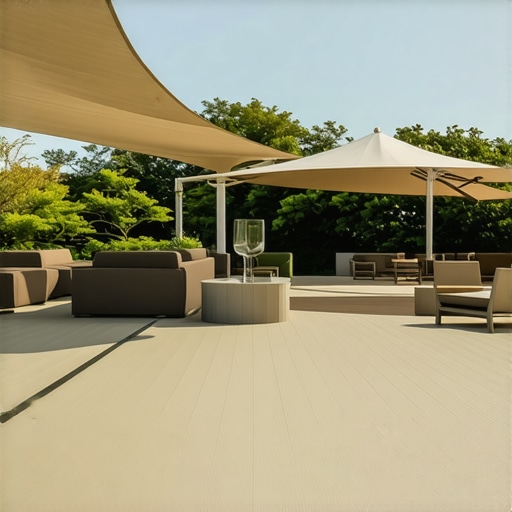 While many novice DIY enthusiasts believe that choosing the right materials and following basic guidelines ensures a perfect outdoor space, the reality is far more nuanced. One of the most prevalent mistakes is oversimplifying the importance of understanding environmental factors and material behaviors over time. For example, many assume that choosing a lighter-colored composite deck automatically prevents heat buildup, but they overlook the influence of surface texture and color reflectivity. Modern composites with specialized reflective surfaces can keep temperatures significantly lower, contradicting the common myth that all light-colored decking is inherently cooler. Additionally, many forget that proper installation practices—such as adequate joist spacing and moisture barriers—are critical for long-term durability, especially in climates with high humidity or extreme temperature fluctuations. Failing to account for these subtle details can lead to premature wear or even structural failure.
Have you ever fallen into this trap? Let me know in the comments.
Why Do Some Decks Age Faster Than Others Even When Using the Same Material?
The answer lies in attention to installation details and ongoing maintenance. Experts emphasize that small nuances, such as correct sealing, appropriate ventilation underneath the deck, and the use of high-quality fasteners, play a vital role in aging. A study by the University of California points out that decks exposed to consistent moisture without proper drainage systems deteriorate more rapidly, even if constructed with premium materials. This highlights the importance of not just material selection, but also design considerations that might seem minor—like the pitch of the deck or guttering—that can significantly extend or shorten your deck’s lifespan.
Understanding these advanced nuances means going beyond surface-level choices. For instance, selecting composite decking with UV-resistant coatings and implementing strategic shading can drastically enhance longevity and comfort. When it comes to stairs, attention to detail such as uniform riser height and slip-resistant treads can prevent accidents and add to the aesthetic appeal. Sometimes, the most overlooked aspects—like the placement of support posts for adequate airflow or avoiding direct contact with ground moisture—can be the difference between a deck that lasts decades and one that needs frequent repairs.
In essence, mastering the subtleties of outdoor construction transforms a basic project into a durable, safe, and visually appealing feature. If you’re interested in discovering more about innovative outdoor living ideas with composite decking, you might find this guide helpful. Proper planning and execution, considering these advanced insights, will ensure your outdoor space not only looks great but stands the test of time.Building and maintaining a durable outdoor deck requires more than just choosing the right materials; it demands the right set of tools and expert methods to ensure longevity and ease of maintenance. Personally, I swear by a combination of precision tools and strategic techniques that streamline the process while safeguarding your investment.
First, a high-quality cordless impact driver is indispensable. I prefer models with at least 2,000 inch-pounds of torque and a brushless motor, such as the Milwaukee M18 FUEL. These tools make fastener installation faster and help prevent overdriving or stripping screws, which can compromise deck integrity over time. Using stainless-steel screws and setting the impact driver to a moderate torque prevents damage and ensures secure fastening with minimal effort.
For surface cleaning and minor repairs, a dedicated pressure washer with adjustable nozzles is crucial. I opt for an electric model with variable pressure control, like the Karcher K5, which allows me to clean composite surfaces without risking damage. Regular cleaning with gentle pressure prevents dirt buildup, which can trap moisture and accelerate wear. Remember, always keep the nozzle at the correct distance—about 12 inches—to avoid surface erosion.
Measuring and layout tools also play a significant role. A laser distance meter, such as the Bosch GLM 50 C, provides quick, accurate measurements over large areas, ensuring precise cuts and spacing when installing stairs or railings. This minimizes waste and reduces errors, saving time and money in the long run.
Additionally, I recommend having a moisture meter on hand. This helps determine when it’s optimal to perform sealing or staining, as composite decks often require less frequent sealing than wood, but some traditional treatments or protective coatings can still be beneficial. A good moisture meter, like the Meterk MK610, provides quick readings and guides your maintenance schedule effectively.
How do I maintain my deck over time?
This involves a consistent routine of cleaning, inspections, and timely repairs. Regularly sweeping debris and washing your deck with a gentle cleaner prevents dirt and organic buildup that can trap moisture. Periodic checks of fasteners, railings, and stairs ensure safety and structural integrity. Applying a protective coating designed for composite surfaces every few years can also help maintain aesthetic appeal and resistance to UV damage. Software tools, such as Deck Planner apps, can assist in scheduling and visualizing maintenance efforts for complex multi-level outdoor spaces.
Looking ahead, the trend in outdoor maintenance leans toward smart technology—integrating sensors that monitor humidity, temperature, and structural shifts. Soon, you might receive real-time alerts on your smartphone if your deck needs attention, making upkeep even more straightforward.
Invest in advanced tools and techniques today
to keep your outdoor living space beautiful and functional for years to come. For more insights on professional deck maintenance and building, check out these expert tips or contact a specialized deck builder through this form to get started. Remember, using the right tools combined with consistent care can dramatically extend the life of your deck and save you money over the long term.
What I Wish I Knew About Color Choices Early On
Realizing that darker deck shades absorb more heat was a game-changer for me. Had I known that selecting lighter hues like beige or tan could have saved me from barefoot discomfort and color fading, I would have made different decisions from the start. This lesson taught me to always consider environmental factors together with aesthetics, rather than relying solely on style preferences.
The Hidden Power of Design Details
It’s easy to overlook small elements like proper ventilation or the placement of support posts, but I learned these nuances have a massive impact on deck longevity. Ensuring correct joist spacing and incorporating strategic shade structures significantly extend the lifespan of your outdoor space, often more than just choosing premium materials. Paying attention to these details can prevent costly repairs down the road.
Engineering a Cooler Deck Isn’t Just About Color
While lighter shades help reflect sunlight, I discovered that surface texture and reflectivity are equally crucial. Modern composite boards with reflective coatings can keep temperatures down better than just picking a light color. This insight prompted me to research specific product lines and test samples, which proved that surface engineering can make a real difference in comfort during peak summer months.
Harnessing Tools for Long-term Success
Investing in quality tools like laser distance meters and moisture testers helped me make precise installations and timely maintenance decisions. These gadgets empowered me to perform tasks more confidently, from aligning stairs perfectly to knowing when to apply protective coatings. Equipping yourself with the right gear turns a DIY project into a durable, hassle-free masterpiece.
Curated Resources for Your Next Outdoor Project
I rely heavily on resources like product comparison guides and modern decking ideas to stay ahead of trends. These sources help me select materials that balance aesthetics with performance. Additionally, reading expert blogs and watching tutorial videos broaden my understanding of best practices for every project stage.
Let Your Outdoor Space Inspire Action
Now, armed with insights and the right tools, I encourage you to approach your decking project with curiosity and confidence. Remember, thoughtful choices about color, design, and maintenance can transform your backyard into a sanctuary of comfort and style. Don’t wait for the perfect moment—start planning your outdoor transformation today and enjoy a space that brings joy year-round.