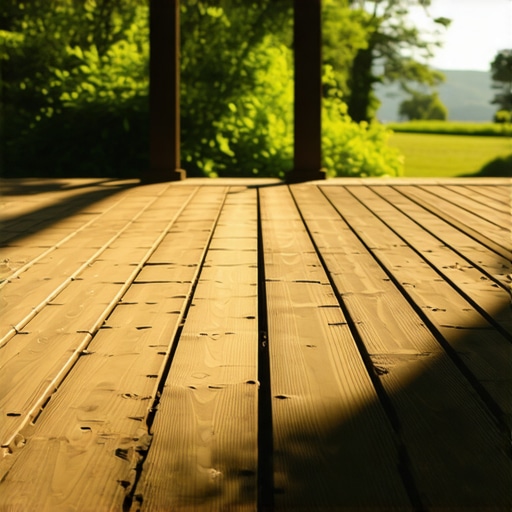
One summer afternoon, as I stepped onto my deck barefoot, I was met with an almost scalding sensation under my feet. I looked down at my dark brown decking, which, just a few years ago, looked sleek and inviting. But now, it was hotter than I expected—so much so that I hesitated before stepping onto it again. That lightbulb moment hit hard: dark decks in full sun can become uncomfortable, even dangerous.
Turning the Bright Sun into a Decking Dilemma
Ever since, I’ve kept a close eye on how sunlight affects outdoor spaces. I realized that my choice of dark brown decking was unintentionally turning my backyard into a heat trap. And I wasn’t alone—many outdoor enthusiasts face similar frustrations. Bright sunlight can turn a beautiful deck into an oven, making afternoons outside less enjoyable and more risky for barefeet and outdoor gatherings.
Is Dark Decking Really That Big of a Deal?
Early on, I made the mistake of dismissing the effect of color choices on heat absorption. I figured, “It will fade or discolor over time anyway,” and went with what looked good at the time. But I overlooked a key detail: darker colors absorb more heat. According to a study by the U.S. Department of Energy, dark surfaces can increase surface temperatures by up to 30%, turning your relaxing outdoor space into a mini sauna. Trust me, that was a costly oversight.
If you’ve ever experienced similar issues—burning feet, faded color, or just a less comfortable outdoor environment—you’re not alone. In fact, understanding the science behind color heat absorption can be transformative. Together, we’ll explore how to choose decking options that stay cool and inviting, even in the blazing sun, so you can enjoy your outdoor space without compromise.
Start with Color Choices That Keep It Cool
Picking the right decking color is the first concrete step. Opt for lighter shades like beige, tan, or light gray, which reflect sunlight rather than absorb it. I once replaced my dark walnut boards with a light composite, and the difference was shocking. I no longer had to test my feet every afternoon.
Use Reflective Deck Coatings and Accessories
Applying reflective paint or sealants can further reduce heat absorption. During my last re-deck project, I used a light-colored stain on the surface to reflect heat. It’s like giving your deck a mini sunblock—cooler feet guaranteed. Complement this with light-colored outdoor furniture and umbrellas; it’s like creating a shaded oasis.
Design for Shade from the Get-Go
Incorporate pergolas, awnings, or strategic landscaping to cast shade on your deck during peak sun hours. I engineered a custom pergola with adjustable louvers, which I can tilt to block harsh afternoon rays. This step requires planning but pays off in comfort and longevity of your decking.
Choose Materials That Stay Cooler
Composite decking tends to heat up less than traditional wood if chosen correctly. Look for options with mineral cores or light-colored composite boards that have high solar reflectance. I transitioned from dark wood to a light-colored composite, which stayed comfortably cool even in full sun.
Install Cooling Features Like Water Elements
Adding small water features or misters near your deck can dramatically improve comfort. I set up a solar-powered mister system that keeps the air humidity higher but the surface temperature lower. Think of it as outdoor AC on a budget—something you can learn more about at https://deckdesignbuild.com/transform-your-outdoor-living-with-custom-composite-decking-ideas.
Prioritize Proper Ventilation and Drainage
Ventilated designs prevent heat buildup underneath decking. When I redesigned my deck, I increased the spacing between joists and added vents beneath, which created airflow and reduced surface temperature. Even small tweaks like these ensure the deck isn’t trapping heat, making barefoot walks safer.
Maintain Cleanliness for Cooler Surfaces
Regularly sweep and wash your deck to prevent dirt and mold buildup, which can retain heat. I found that a gentle pressure wash kept my light-colored boards looking fresh and cool. Just avoid power washing in a way that damages the surface. To explore more expert cleaning tips, visit https://deckdesignbuild.com/how-to-clean-tree-sap-off-composite-without-ruining-the-finish.
Many outdoor enthusiasts and even seasoned builders often get caught up in popular trends or misconceptions when it comes to deck construction, stairs, composite decking, and outdoor living design. Let’s dig deeper into some overlooked nuances that can make or break your project. For instance, a widespread myth is that all composite decking is equally heat-resistant; in reality, different brands and formulations vary significantly in heat absorption, which affects barefoot comfort and longevity. According to research by the Deck Design Build team, understanding these material properties can save you headaches and ensure durability.
Another advanced point many miss is stair design. The common practice of using standard stringer layouts neglects to account for knotty or uneven terrain, which can cause dangerous wobbling or misalignment over time. Strategic framing, such as incorporating adjustable stringers, provides a more stable and safe solution. For detailed insights, check this guide.
A hidden trap in outdoor living projects involves the misconception that adding more built-in features, like seating or planters, doesn’t impact the structural integrity or aesthetic flow. Poor integration can lead to water pooling, rot, and a cluttered look. Framing with proper drainage and clean lines ensures both function and style are preserved. To learn more about creating seamless outdoor spaces, visit this resource.
What most people overlook is the importance of material choice concerning prolonged exposure to elements. Many default to pressure-treated wood, assuming it’s the most economical option, but this often leads to quicker rot and maintenance issues. Mineral-core composite options tend to outperform traditional wood, especially in moist or salty environments, as discussed in this article. Remember, investing in higher-quality materials can mean fewer repairs and more relaxation time.
Finally, the most insidious mistake is neglecting the importance of professional expertise. DIY may seem tempting, but without a comprehensive understanding of local building codes, load calculations, and safety standards, you risk code violations, safety hazards, and costly corrections. Engaging a professional deck builder not only ensures compliance but also brings invaluable insights that elevate your outdoor living setup. Learn about the benefits of expert collaboration at this link.
Have you ever fallen into this trap? Let me know in the comments.
Mastering Long-Term Deck Care with Proper Tools
Keeping your outdoor space in top shape requires the right equipment and a proactive maintenance routine. I swear by my cordless lithium-ion power washer for periodic cleaning of composite decks; its adjustable pressure settings allow me to remove dirt and mold without damaging the surface. Using a dedicated deck brush with synthetic bristles helps scrub stubborn stains, especially on textured surfaces. For detailed cleaning, I rely on a nozzle with a fan tip, which provides even water distribution and prevents surface erosion. Regularly inspecting and tightening fasteners with a torque wrench ensures structural integrity, especially after exposure to weather extremes.
Software and Planning Tools for Ongoing Projects
When designing multi-level decks or integrating stairs, I use CAD-based software like SketchUp. It helps visualize progress and plan for future modifications, such as adding lighting or outdoor kitchens. For more precise measurements, laser distance finders streamline layout adjustments, saving time and reducing errors. These tools are vital in preventing issues like uneven steps or misaligned rails, which could compromise safety or aesthetics.
How do I maintain my outdoor living setup over the years?
Consistent cleaning is fundamental—pressure washing every couple of years and applying protective sealants on wood surfaces extend lifespan significantly. I recommend using a high-quality, UV-resistant stain periodically on wooden stairs and railings to prevent fading and rot. For composite decking, selecting models with high solar reflectance, as discussed in this guide, reduces heat absorption and enhances comfort. Additionally, inspecting drainage systems and ensuring proper ventilation beneath decks—particularly in areas prone to humidity—further preserves your structures, as explained in the detailed research by the Deck Design Build team.
Planning to scale or modify your outdoor area?
Embracing modular components and adjustable framing systems allows you to expand or reconfigure without major overhaul. For example, installing adjustable stringers for stairs accommodates uneven terrain and future reshaping. Keeping a maintenance log with photos and notes helps track wear patterns and plan timely interventions. As outdoor living becomes more popular, investing in versatile tools and routine care ensures your space remains inviting and safe for years to come.
I encourage you to try integrating a laser distance finder combined with your CAD plans—you’ll be surprised how much precision this adds to your projects. To explore more on how professional tools can enhance your outdoor improvements, visit our contact page.
Lessons I Wish I Learned Sooner About Outdoor Living
One of the biggest surprises in my journey was discovering how little I understood about material heat absorption. I thought selecting a darker composite would be more aesthetic, but I underestimated how much hotter it would make my deck. Knowing that lighter colors reflect more heat has changed my entire approach to designing comfortable outdoor spaces. Also, I used to overlook the importance of proper ventilation, which led to moisture buildup and faster material aging. Installing vents beneath my deck has been a game-changer. Finally, I used to believe DIY was always cheaper and sufficient—until I realized how complex proper framing and safety standards are. Engaging with professionals has saved me time, money, and stress, ensuring my deck is both beautiful and safe.
Tools and Resources That Elevated My Deck Building Game
My essential toolkit now includes a laser distance finder; it ensures precise measurements, saving me from costly mistakes. I heavily rely on SketchUp for designing multi-level decks, helping me visualize before construction begins. Reading “Transform Your Outdoor Living with Custom Composite Decking Ideas” provided me with innovative ideas and detailed tips that I couldn’t find elsewhere. Additionally, I trust the insights from the professional deck builder resources to understand how to avoid common pitfalls and enhance my project quality. These tools and references have made my outdoor improvement efforts more enjoyable and successful.
Your Next Step Towards a Perfect Outdoor Space
Creating a durable, comfortable, and stylish outdoor living area is within your reach. Embrace the lessons from experience, leverage the right tools, and don’t hesitate to consult experts when needed. Remember, your outdoor space isn’t just an extension of your home; it’s a sanctuary you can craft yourself with patience and passion. Dive into more inspiring ideas at this resource to elevate your project. Now, it’s your turn—what has been your biggest challenge or success when designing your deck or stairs? Share below, and let’s learn from each other.