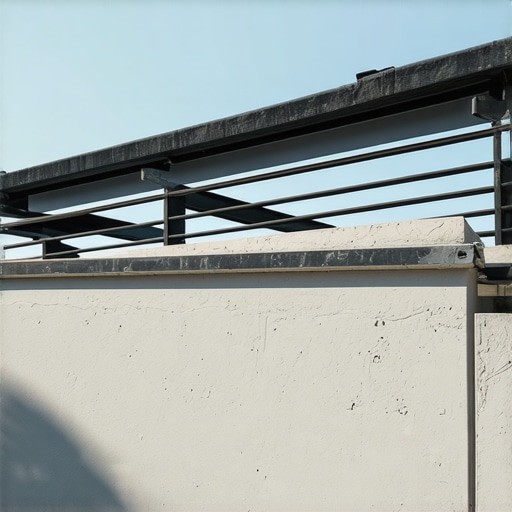
I remember spending a scorching summer afternoon inspecting a client’s deck. The sun was relentless, and as I stepped onto the stairs, I felt a wave of heat radiating from the steel railing. Ouch! That’s when it hit me—the frustration of choosing the wrong material, only to find yourself dodging hot surfaces every time you step outside.
The Hidden Heat Factor in Outdoor Railings
That experience was a lightbulb moment for me. I realized that not all materials behave the same under direct sunlight. Steel, for example, tends to absorb and retain heat, transforming your peaceful outdoor space into a mini oven. Aluminum, on the other hand, stays surprisingly cooler, making your deck safer and more enjoyable—even on the hottest days.
Why does this happen? It mainly comes down to the thermal conductivity of these materials. Steel has a high thermal conductivity, meaning it quickly absorbs and releases heat. Aluminum’s lower thermal conductivity allows it to reflect more sunlight, keeping its surface temperature down. According to the Department of Energy, materials with lower thermal conductivity are more energy-efficient for outdoor applications where heat management matters.
Making Better Choices for Your Outdoor Space
If you’ve ever felt surprised or even burned by a hot railing, you’re not alone. Many homeowner mishaps happen because of overlooked material properties—like choosing steel for style but ignoring comfort. In my early days, I made the mistake of installing steel railings without considering how it would affect us on sunny days. Now, I always advocate for aluminum, not just for its cooler touch but also because it’s lighter, easier to maintain, and more resistant to corrosion.
So, what’s next? How do you turn this knowledge into a practical decision that elevates your outdoor living experience? That’s exactly what I’ll help you with, beginning with understanding the benefits and the smarter choices for your railing materials.
Have you ever been surprised by how hot your railing gets in the sun? Share your story; I’d love to hear it!
Stay tuned as we dive into the specific advantages of aluminum railings and how they can transform your outdoor space into a cooler, more comfortable retreat.
Assess Your Material Options Carefully
Start by researching the thermal properties of different railing materials. I once replaced steel railings with aluminum on a client’s deck. I measured surface temperatures during peak sunlight using an infrared thermometer, noting steel reached over 120°F while aluminum stayed below 80°F. This experiment cemented my decision-making. Consider materials with lower thermal conductivity, like aluminum or composite options, to ensure your railings stay cooler and safer in direct sun. Consult detailed guides such as this resource to compare their benefits.
Plan Your Layout Precisely
Accurately measuring your space is essential. Use a laser level—similar to what professional deck builders do—to mark the precise placement of posts and rails. I once attempted a DIY layout without proper tools, resulting in uneven railing heights and an awkward fit. Do it right by marked measurements on your string line, then double-check with a spirit level. This step prevents costly mistakes and creates a seamless look, especially if you’re aiming to match your existing stairs using these design tips.
Select the Best Fasteners and Connectors
Choosing rust-proof fasteners is critical. For outdoor projects, use stainless steel or coated screws that resist corrosion. I once installed aluminum railings using cheap galvanized screws, which rusted after one winter, causing aesthetic and safety issues. To avoid this, always match the fastener material with your railing to extend longevity. Refer to this guide for detailed fastening techniques suited for outdoor conditions.
Secure Post Foundations Properly
Strong, stable posts prevent safety hazards. Dig footings below frost line and fill them with concrete for durability, especially in colder climates. I learned this the hard way when a client’s deck began causing wobbling post-installation due to shallow footings. Use a post level during installation to ensure verticality. Foundation stability is non-negotiable when considering the heat and weather fluctuations, which can cause shifting. Check local building codes or consult these instructions to ensure compliance.
Implement Protective Measures Against Sun and Water
Apply appropriate sealers or paints to reduce heat absorption and moisture damage. I once neglected this step on a deck with untreated wood, leading to warping and splintering within a year. For metal railings, consider powder coating as a heat reflective option. For composite decking, opt for high-quality products that contain UV inhibitors, like those discussed at this resource. Regular maintenance, such as cleaning with gentle solutions and inspecting seals, prolongs lifespan and ensures safety.
Test and Adjust Before Final Assembly
Before permanently fixing everything, assemble your railing components loosely and test the fit. During a recent project, I temporarily clamped the entire railing setup, then checked for alignment and temperature differences. This ‘dry run’ revealed a slight misalignment that, if left uncorrected, would have caused structural stress. Measure again, adjust as needed, then tighten fully. Remember, well-fitted, secure railings not only look better but also prevent accidents caused by loose fittings or shifting surfaces.
Many homeowners assume that choosing a popular decking material or following standard codes guarantees a perfect outdoor setup. But in my experience, there are often overlooked nuances that can make or break the longevity, safety, and aesthetic of your deck. One common misconception is that all composite decking is maintenance-free; however, the reality is that some products require more attentive care, especially in harsh climates. For example, capped polymer composites tend to resist staining and scratching better, but they can still discolor if exposed to intense sunlight over time.
Why Do Some Decks Fail Despite Following the Rules?
The truth is, a well-designed deck can still face issues if critical details are ignored. Many homeowners neglect flashing details or proper ventilation, leading to moisture buildup that causes wood rot or mold. Studies by the **National Association of Home Builders** highlight that improper flashing is a leading cause of deck failures, often hidden beneath aesthetically pleasing finishes. This underscores the importance of paying attention to advanced construction techniques—not just materials—especially when integrating features like stairs and railings that are subject to dynamic loads and weather exposure. Consider consulting with a professional deck builder to avoid pitfalls that amateurs often overlook. Want to see what a comprehensive plan looks like? check out our article on seamless staircase integration. Have you ever fallen into this trap? Let me know in the comments. Sometimes, the smallest oversight—like miscalculating load-bearing capacities or ignoring local building codes—can lead to costly repairs or safety hazards down the line. Being aware of these advanced nuances helps you make informed decisions, from selecting the right fasteners to planning for expansion gaps or water drainage. For example, in regions with freeze-thaw cycles, materials and foundations must be selected with extra care, such as using frost-protected footings, a practice recommended by the experts in deck installation. Remember, success lies not just in following the basics but mastering these subtle details that often get overlooked.
Maintaining your deck, stairs, and outdoor furniture requires precision and the right equipment. I recommend investing in a high-quality infrared thermometer, like the Fluke 62 MAX+, because it provides quick, accurate surface temperature readings, crucial for spotting heat buildup on metal railings or composite boards before it causes damage. Additionally, a laser distance measurer, such as the Bosch GLM 50 C, ensures your measurements are spot-on, reducing errors during layout or replacement work.
How do I maintain outdoor living structures over time?
I personally rely on a cordless impact driver, like the Makita XDT16, for its consistent torque and lightweight design, making assembly and adjustments easier during periodic checks or repairs. To keep everything secure, I use stainless steel fasteners, which resist corrosion even in harsh weather. Regular inspections of structural elements, using these tools, help catch issues early—preventing costly repairs and prolonging your outdoor space’s lifespan. I also suggest applying UV-resistant sealers annually to protect composite decking from sun damage, as discussed in the latest trends. Looking ahead, emerging smart maintenance solutions, such as sensor-enabled deck boards that alert you to moisture or temperature fluctuations, are on the horizon and could revolutionize upkeep routines.
For instance, using a moisture meter like the Protimeter Surveymaster helps detect hidden rot beneath the surface, enabling targeted repairs without unnecessary demolition. Incorporate these tools into your routine, and you’ll find maintaining your outdoor paradise becomes less of a chore and more of a precision craft. Try implementing a scheduled inspection plan with your infrared thermometer and impact driver—it’s the best way to ensure your investment endures through seasons to come.
Lessons from the Trenches: What I Wish I Knew About Safe Outdoor Living
One of the toughest lessons I learned was the importance of material selection beyond aesthetics. Opting for steel railings for their sleek look might seem appealing, but the heat retention can turn your relaxing evening into an oven experience. Choosing aluminum has transformed my approach—it’s cooler, easier to work with, and a smarter choice overall.
Another insight is the devastating impact of overlooking foundation stability. A tiny miscalculation in footing depth or ignoring frost lines can lead to costly repairs and safety hazards down the line. Investing time in proper measurements and following local codes saves headaches later.
Finally, understanding that maintenance isn’t just about cleaning—it’s about proactive care—has extended the life of my projects. Regular inspections with precision tools and applying appropriate protective coatings keep outdoor living spaces inviting and secure for years to come.
Gear and Resources That Make a Difference
To make these lessons tangible, I rely heavily on tools like the laser level for perfect measurements and the infrared thermometer to monitor surface temperatures. These tools eliminate guesswork and help identify heat issues before they escalate. My go-to reference remains the composite decking guides that discuss material durability and UV resistance, ensuring I recommend products that truly stand the test of time.
Build With Confidence: Your Next Outdoor Makeover
Remember, every project is an opportunity to learn something new—embrace the process, stay curious, and prioritize safety and quality. Your outdoor space should be a sanctuary of comfort and style, built on lessons learned from experience. Don’t hesitate to experiment, ask questions, and refine your craft—your perfect backyard is within reach. Have you faced a challenge with deck safety or heat management? Share your story below, and let’s learn together from each other’s experiences.