
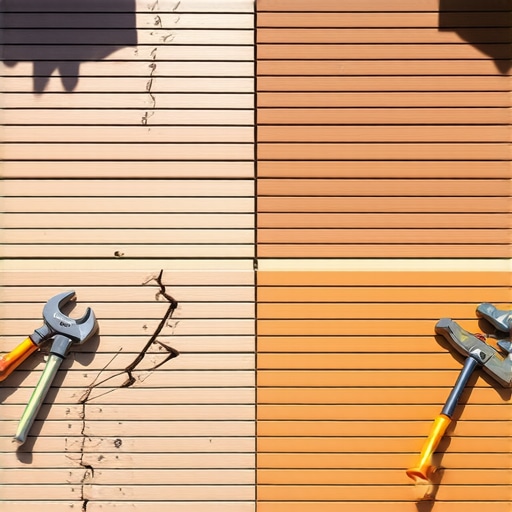
I remember stepping onto my newly installed outdoor deck, only to find a terrible surprise—some planks warped, others developed unsightly cracks, and overall, it looked worn out way too soon. That moment was a real lightbulb for me about the pitfalls of modern composite decking, especially as we approach 2026, when I noticed more reports of decks failing prematurely. It seemed like everyone was excited about the low-maintenance promise, but few knew the hidden risks lurking beneath the surface. If you’ve ever invested in a composite deck only to see it degrade in just a few years, I get your frustration. Today, I want to share what I’ve learned from personal experience and industry insights about why some decks fail and, more importantly, how you can avoid those costly mistakes. We’re going to dive into real-world reasons behind these failures and practical solutions that make a difference.
Spotting the common pitfalls before your deck turns into a disaster
In my early days of decking, I made the mistake of choosing a popular composite brand without doing thorough research—something I now know is a recipe for trouble. Many folks assume that all composite decking is created equal, but the truth is, quality varies widely. As the market evolves, more deck builders and homeowners are facing issues like warping, fading, or even structural problems, especially as we move toward 2026, when certain products face new regulations and material updates. According to a recent report, nearly 30% of composite decking installed in the last few years has experienced some form of failure—an eye-opener, isn’t it? Understanding why this happens is critical to protecting your outdoor spaces. If you’ve already faced these issues, you’re not alone. But here’s the good news: recognizing the causes can help you implement better practices, choose more durable materials, or even retrofit your existing deck to last longer. Before we get into solutions, I want to see if you’ve experienced the same frustrations—has your deck shown signs of early wear or damage? If so, stay tuned. We’ll cover what goes wrong—and how to fix it.
Is composite decking truly worth the hype?
A question I often hear is whether the promise of low-maintenance and durability is just marketing hype. Honestly, my early mistake was trusting big brands without scrutinizing their product lines or installation protocols. That cost me dearly when my deck started buckling in the first three years. Now, I know that choosing the right products and understanding their limitations makes all the difference. For example, some decking options are prone to heat buildup and warping, especially in direct sunlight, which is why considering climate and usage patterns is essential. If you’re on the fence about investing in composite materials, I suggest reading up on trusted industry standards or consulting experienced deck builders. You can even explore expert tips for creating durable outdoor spaces that stand the test of time—like those found in comprehensive guides on stylish stairs and seamless transitions. The key is to approach your project armed with knowledge, not just hope. As we explore the latest trends and best practices, I’ll guide you through straightforward steps to protect your investment and enjoy your outdoor living space for years to come.
Plan With Purpose Before Cutting Materials
Start by assessing your outdoor space thoroughly, mapping out the ideal location and size for your deck to ensure it fits your lifestyle. For example, I once measured my backyard to double-check that my selected deck size wouldn’t overshadow existing trees or fixtures, preventing future maintenance headaches. Precise planning is crucial to avoid costly redesigns later. Use a tape measure and graph paper or digital design tools to visualize your project. Then, set a realistic budget by listing all necessary materials and labor costs, factoring in high-quality composite decking options that resist warping and fading, as suggested in the [Ultimate Guide to Composite Decking](https://deckdesignbuild.com/composite-decking-options-the-ultimate-guide-in-2024).
Choose Durable Materials That Stand Up to Climate
Selecting the right materials is foundational. Opt for composite decking products that have proven durability in your climate, especially if you face intense sun, humidity, or cold conditions. I once upgraded from a generic brand to a premium composite with enhanced heat resistance, greatly reducing warping during summer months. Look for products with UV inhibitors and anti-slip features, which an experienced deck builder can help you verify. Remember, the longevity of your deck hinges on this choice; don’t cut corners here. Visit the [Best Deck Builder Tips](https://deckdesignbuild.com/best-deck-builder-tips-for-sturdy-stairs-durable-composite-decks-in-2024) for insights on selecting top-rated materials.
Measure, Mark, and Cut Precisely
Accuracy in measurement reduces errors, saving you time and money. Use a chalk line and a square to mark your cut lines clearly. I learned this the hard way when a small miscalculation led to uneven stairs that had to be rebuilt. When cutting, always double-check your measurements before making each cut and use a high-quality saw for clean, straight edges. Remember, material imperfections can compromise the structure, especially in critical components like stairs and supports. Ensuring precise cuts means seamless assembly and a professional finish. Check out [expert decking tips](https://deckdesignbuild.com/expert-deck-building-tips-elegant-stairs-durable-composite-decks) for more detailed advice.
Assemble With Strength and Safety
Begin by creating a solid foundation—use pressure-treated beams and concrete footings to prevent shifting or settling. I once built a temporary scaffold to hold my framing steady during assembly, which emphasized the importance of stability at every stage. Attach joists securely using galvanized screws and ensure proper spacing as outlined in [Deck Turnkey Guide](https://deckdesignbuild.com/ultimate-outdoor-living-guide-stylish-stairs-composite-decks-in-2024-2) to prevent sagging. Integrate flashing and sealing techniques to protect against moisture infiltration, especially at horizontal joints. For stairs, pay close attention to rise and run calculations to create a safe, slip-resistant surface. Incorporate [stylish, slip-resistant stairs](https://deckdesignbuild.com/7-slip-resistant-staircase-design-ideas-for-2026-decks) ideas to enhance both safety and aesthetics.
Securely Attach and Seal Everything
Use corrosion-resistant fasteners and waterproof sealants to lock each component together. When attaching the deck boards, stagger the joints for visual appeal and structural integrity. I once sealed my deck with a weatherproof stain, which significantly slowed the aging process, underscoring the importance of sealing. Regular maintenance, like resealing every few years, will extend your deck’s lifespan. Use a power washer and brush to clean beforehand, ensuring better adhesion of sealants. Considering climate-specific coatings enhances durability further. For guidance, consult the [Deck Building Masterclass](https://deckdesignbuild.com/stairs-deck-building-masterclass-boost-outdoor-living-in-2024).
Finish With Elegant Design Elements
Enhance your deck’s look by adding handrails, planters, and lighting. A well-designed staircase with integrated lighting creates a stunning transition between levels, making outdoor spaces more inviting, as explained in [Designing Safe and Stylish Stairs](https://deckdesignbuild.com/designing-safe-and-stylish-stairs-for-outdoor-decks-in-2025). Use decorative balusters and non-slip treads to combine safety with style. Consistent spacing and symmetry are key—measure carefully to prevent wobbly steps or uneven railings. Incorporate seating or planters into the design to maximize functionality, turning your deck into a true outdoor living room. For inspiring ideas, see [Outdoor Living Tips](https://deckdesignbuild.com/outdoor-living-made-easy-top-tips-for-durable-composite-decks-stylish-stairs-in-2024). Every element should balance form and function, ensuring your outdoor sanctuary is both beautiful and durable.Many homeowners believe that choosing the most popular composite decking brand guarantees durability and longevity, but in my experience, this is a dangerous misconception. The reality is, not all composite materials perform equally across different climates and usage patterns. For instance, a deck tested in moderate conditions may falter under extreme heat or humidity, leading to warping or fading—issues often overlooked in marketing materials. Relying solely on brand reputation without understanding the underlying specifications can trap you into costly repairs later.
An often overlooked nuance is the importance of proper *installation* techniques for stairs and decks. Many assume that a professional deck builder adds value only through design, but the real magic lies in precision and attention to detail during assembly. Improper fastening, unsupported spans, or neglecting moisture barriers can drastically reduce lifespan—this is where many stumble, thinking they’ve saved money only to face early deterioration. Be wary of common myths surrounding “DIY-friendly” solutions that promise easy shortcuts; complex structures demand expertise.
Thinking about designing seamless transitions between your deck and garden? Many neglect how critical the *connectivity* details are in ensuring long-term durability and aesthetic appeal. As discussed in [Creating Seamless Transitions], well-executed junctions prevent moisture intrusion and structural issues, ensuring your investment lasts.
Moreover, cutting corners on materials or ignoring climate-specific features can lead to hidden failures, especially as regulatory standards evolve. For example, new regulations around heat resistance and UV protection are shaping the market—selecting outdated options might seem cheaper initially but cost more in repairs.
Considering all these nuances, it becomes clear that successful outdoor living projects require more than just picking pretty materials; they demand a thorough understanding of advanced construction principles. Have you ever fallen into this trap? Let me know in the comments. For insights on selecting durable materials and avoiding these pitfalls, check out [Choosing the Right Composite Decking]. This deeper awareness can transform your outdoor space into a resilient oasis that withstands the test of time.
Keeping your outdoor spaces in top shape requires the right set of tools and a strategic approach. Over the years, I’ve refined my toolkit to ensure efficient maintenance, prolonging the lifespan of decks, stairs, and other elements. One foundational item I always recommend is a high-quality telescoping pole sander. It allows me to perform quick, thorough cleaning and light sanding of deck surfaces without the need for ladder work, especially useful for hard-to-reach areas. This tool has revolutionized my maintenance routine, saving me time and effort.
For deep cleaning, a power washer with variable pressure settings is indispensable. I personally prefer models that offer precise control over PSI to avoid damaging delicate composite surfaces—I’ve found that models from brands like Karcher or Simpson fit this criterion well. Proper cleaning preserves the deck’s appearance and prepares the surface for sealing or applying protective finishes. Remember, maintaining optimal cleanliness prevents mold, mildew, and early degradation caused by dirt buildup.
Applying UV-resistant sealants is another critical step, and for this, I rely on a high-quality paint sprayer with adjustable flow control. My go-to is a Wagner Control Spray Max, which provides even coverage and minimizes waste. It allows me to quickly and efficiently apply sealants or stains, ensuring a consistent finish that extends the deck’s life. Regular resealing, typically every 2-3 years, helps combat fading and weather-aging—an investment that pays dividends in durability.
To monitor the structural health of your outdoor structures, I recommend using a digital moisture meter. Moisture intrusion is a common cause of composite deck failure, especially in shaded or humid areas. I use a model like the Tramex Moisture Encounter, which provides quick readings and helps identify potential issues before they become serious. Addressing moisture problems early can save you from costly repairs down the line.
Looking ahead, I predict that integrating smart maintenance tools will become a game-changer. For example, apps that track weather patterns, UV exposure, and maintenance schedules could help homeowners plan the best times for sealing or repairs. Additionally, advances in ultrasonic testing may enable non-invasive assessments of deck supports and joists, ensuring long-term safety and stability.
How do I maintain my outdoor spaces over time?
One effective tip is adopting a scheduled routine using these specialized tools—cleaning with a power washer, inspecting with a moisture meter, and sealing proactively. Moreover, lifting your deck boards periodically to check for hidden mold or rot can prevent larger structural issues. Start small by experimenting with your sprayer to find the optimal flow rate, which ensures you don’t oversaturate the surface and compromise the composite material. Using these tools consistently will help your outdoor living area stay stunning and functional for years to come. For more advanced strategies, explore [expert tips on creating durable composite decks](https://deckdesignbuild.com/expert-deck-building-strategies-for-durable-stairs-outdoor-spaces) and elevate your maintenance game.
What I Wish I Had Known Before My First Deck
One of my most eye-opening lessons was realizing that not all composite decking is built for the same purpose. I once trusted a popular brand blindly, only to watch my investment warp and fade sooner than I expected. Now, I understand that durability begins with choosing materials designed for your specific climate and usage patterns—something I overlooked at first.
Another revelation was discovering how critical proper installation techniques are. Even the best materials can falter if not installed correctly, especially when it comes to stairs and transitions. Learning to prioritize structural integrity before aesthetic appeal saved me from costly repairs down the line.
Lastly, I realized the importance of ongoing maintenance—regular sealing, cleaning, and inspections are your best allies in extending your deck’s lifespan. Using trusted tools like a quality moisture meter or UV sealant sprayer—not just for aesthetics but for longevity—has been a game-changer in my outdoor space management.
Where I Turned for Expert Guidance and Tools
The best resources I’ve found include the Ultimate Guide to Composite Decking, which provides comprehensive insights into choosing the right materials and installation practices. For designing durable and stylish stairs, Creating Seamless Transitions offers actionable tips that elevate both safety and aesthetics.
My toolbox wouldn’t be complete without a reliable power washer, moisture meter, and sprayer—each helping me maintain and protect my deck efficiently. I’ve also relied on physical walkthroughs, inspecting for hidden issues, which proved invaluable in catching problems early before they escalated.
Taking Action Doesn’t Have to Be Overwhelming
The future of outdoor living is bright, filled with innovative materials and design ideas that prioritize durability and style. By applying what I’ve shared—whether it’s selecting the right composite, ensuring expert installation, or maintaining your deck—you can create a resilient outdoor sanctuary worth every penny.
So, are you ready to transform your outdoor space into a lasting retreat? Dive into the resources and tools that resonate with your project goals, and don’t hesitate to experiment with ideas that reflect your personal style. Remember, the journey to a perfect deck starts with knowledge and confidence.
Have you ever struggled with choosing materials or maintaining your outdoor space? Share your experiences below—I’d love to hear your story and help you navigate the next steps!