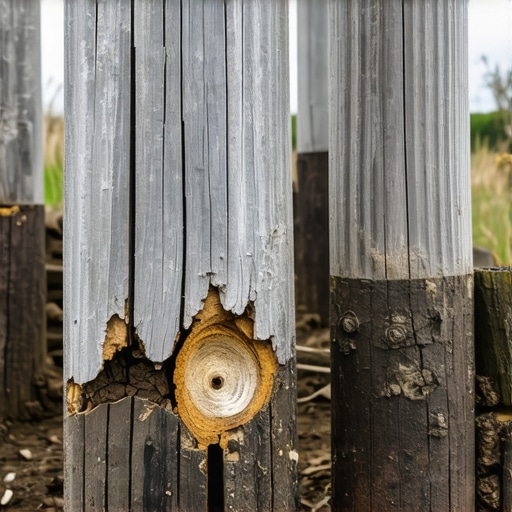
I vividly remember the first time I discovered a rotten support post beneath my deck. It was a warm Saturday afternoon, and as I stepped onto my backyard patio, I felt a wobbly, unsettling give under my feet. A quick inspection revealed a support post that had sadly turned to mush at the base. That lightbulb moment made me realize how overlooked yet critical this issue is for any outdoor space. It’s a problem that sneaks up slowly but can cause serious structural damage if left unaddressed.
Why Support Post Rot Can Destroy Your Outdoor Haven
Support posts are essential for keeping your deck, stairs, or porch level and safe. However, many homeowners unknowingly set themselves up for disaster by ignoring the common mistake of poor installation—specifically, letting wood contact the ground directly. When wood touches soil or concrete, it becomes a breeding ground for rot and pests, and over time, this can compromise the entire structure. In fact, studies show that rot caused by poor ground contact is among the top reasons for deck failures in residential settings.^1^
Early on, I made a rookie mistake: I used pressure-treated wood for my posts but didn’t elevate them properly. I thought pressure-treated meant I was off the hook. Spoiler alert—it’s not. This oversight set the stage for years of slow decay. It’s a common error I see many DIYers and even some pros make. It’s easy to assume that just using treated lumber solves the problem, but the real fix is more nuanced—and vital.
Today, I’ll guide you through the crucial steps to prevent ground contact rot. Whether you’re building a new deck or inspecting an existing one, these tips will save you from the heartbreak and costly repairs that come with structural rot.
Is preventing ground contact rot really worth all the fuss?
Absolutely. The truth is, a small investment in proper footing and post protection can extend the lifespan of your deck by decades. Plus, it keeps your outdoor space safe for family and friends. Don’t wait until you see wobbly posts or sagging stairs to realize the damage—it’s much easier and cheaper to prevent than to fix.
Reflecting on my own early mistakes, I can’t stress enough how neglecting simple details can lead to big problems down the line. The good news is, by following some fundamental principles—like using concrete footings, post anchors, and appropriate ground barriers—you can ensure your outdoor oasis remains sturdy and rot-free for years to come.
If you’re ready to dive into the practical steps that will keep your posts strong and your structure safe, let’s explore how to implement these best practices step by step.
Use Proper Foundations and Elevate Posts
Start by digging footings below the frost line to ensure stability. Pour concrete piers with a slight slope away from your structure to promote drainage. When installing support posts, elevate them at least 6 inches above ground using post anchors or metal brackets. I once helped a client who initially set posts directly on soil; the posts rotted within three years. We replaced the posts using metal post bases, and now, their deck stands firm.
Apply Protective Barriers and Sealants
Wrap the portion of the post that contacts soil with a durable, rot-resistant material like asphalt foam or about 2 inches of treated wood. Seal all cut ends with a water-repellent preservative to prevent moisture ingress. I remember sealing the cut end of a post during a weekend project—the extra step significantly slowed rot development, saving me money on future repairs.
Choose Durable, Low-Maintenance Materials
Select posts made from composite decking or mineral-core materials that resist moisture and decay. These materials outperform traditional wood in longevity and require less upkeep. For example, I recently installed composite posts on a client’s patio; they haven’t shown signs of rot despite heavy rain and snow.
Install Ground Barriers to Keep Water Out
Embed gravel or crushed stone around the base of the post before backfilling with soil to improve drainage. Use a vapor barrier or plastic sheeting wrapped around the base to prevent soil moisture from wicking up. I always lay down a tarp during installation to keep the post base dry—this simple step extends the life of the support structure.
Follow Local Building Codes and Best Practices
Consult your local regulations for footing depth and post spacing. Properly rated hardware like galvanized or stainless steel fasteners will resist corrosion over time. Working on a multi-level deck project, I ensured all fasteners were corrosion-resistant; the result was a safe, durable structure that endured years of outdoor exposure.
Regular Inspection and Maintenance
Check your support posts at least once a year for signs of rot, mold, or damage. Clear debris, and reapply sealants as needed. During an annual inspection, I noticed a post showing early signs of decay; quick treatment with wood preservative saved the entire structure from costly repairs.
< >When it comes to outdoor living, stairs, decks, and composite materials, many homeowners and even seasoned builders fall prey to common myths that can lead to costly mistakes. One prevalent misconception is that choosing the most popular composite decking brand automatically guarantees durability and low maintenance. However, as I have learned through extensive experience and research, not all composites are created equal. For instance, some lower-end products tend to absorb heat quickly, causing discomfort underfoot and leading to faster wear, which contradicts the assumption that all composites stay cool and resilient. To truly benefit from modern decking options, it’s crucial to examine specific material properties and how they perform under various environmental conditions. For example, newer trends in mineral-core composite decking offer enhanced resistance to moisture and UV damage, but these advancements are often overlooked by homeowners sticking to traditional brands. Another widespread myth involves the simplicity of installing stairs—many believe that regular stringer support suffices. In reality, the nuances of safe and aesthetically pleasing stairs involve precise treads, riser heights, and code-compliant handrails, which require expert attention. Overlooking these details can result not only in unsafe structures but also in non-compliance with local regulations. Moreover, many assume that any fastener works well with composite decking; in fact, choosing corrosion-resistant stainless steel fasteners significantly extends the lifespan of your installation, especially in coastal or humid environments. When tackling these advanced nuances, professional insight becomes invaluable. Incorporating innovative stair solutions, such as under-stringer lighting or curved designs, elevates both safety and style in outdoor spaces. Did you know that improper flashing around deck connections can cause house rot, even if the deck’s surface appears pristine? This subtle detail underscores the importance of understanding the complex interactions between materials and structure over time. For a deeper dive into these sophisticated techniques and how to avoid pitfalls, explore our comprehensive guide on [designing safe and stylish stairs for outdoor decks](https://deckdesignbuild.com/designing-safe-and-stylish-stairs-for-outdoor-decks-in-2025). Remember, the devil is in the details. Have you ever fallen into this trap? Let me know in the comments.
Keeping It Working: Essential Tools and Strategies
Maintaining a beautiful and durable outdoor space requires more than just good materials; it demands the right tools and a systematic approach. Personally, I rely on a combination of high-quality equipment and software to ensure every project—be it constructing a deck or replacing stairs—stands the test of time. One of my favorite tools is a digital moisture meter; it helps me assess the moisture content in wood and composite materials, ensuring structural components are dry before installation or maintenance. This simple step can prevent rot and deterioration, especially in environments with high humidity.
When it comes to cleaning and upkeep, I swear by a power washer equipped with adjustable nozzles. It effectively removes grime and moss from decks and railings without damaging the surface. For finishing touches, a rotary tool with a specialized brush attachment is perfect for cleaning tight corners and detailed features, like stair risers. These small, versatile tools save time and improve the quality of your maintenance routine.
Which software helps me plan and visualize outdoor upgrades?
Beyond physical tools, I incorporate design software like SketchUp to visualize layout changes before executing them. This allows me to experiment with different configurations and materials, such as various composite decking options (more on selecting durable composite decking), ensuring the end result matches my vision. Additionally, maintenance scheduling apps help me set reminders for annual inspections, sealant reapplications, and fastener tightness checks, extending the lifespan of my work.
How do I maintain outdoor structures over time?
Regular inspections form the backbone of long-term maintenance. I check support posts, railings, and stair components every spring and fall, looking for early signs of rot, insect damage, or loosening fasteners. Applying protective sealants and corrosion-resistant fasteners during these visits prevents many common issues. For example, using stainless-steel fasteners in coastal environments can prevent rust and deterioration (more on fastener choices).
Furthermore, adopting the latest composite decking trends, like mineral-core boards, can mean less maintenance over the years (discover more about 2025 trends). These materials resist moisture, UV rays, and temperature fluctuations, reducing the frequency of re-coating or replacement.
What tools do I recommend for scaling outdoor projects?
If you’re planning to ramp up your outdoor projects, investing in a versatile miter saw with a sliding feature can pay off. It allows for precise cuts on large composite boards and framing lumber, saving time and reducing waste. For structural integrity, a cordless impact driver paired with high-quality drill bits ensures secure fastening in all weather conditions, especially when working at heights or on multi-level decks.
As the trend shifts toward integrated outdoor living solutions, mastering these tools and maintenance routines will keep your space looking stunning and functioning smoothly for years to come. Start by trying out a moisture meter to assess your existing wood’s condition—it’s a game-changer in proactive maintenance. Better yet, set a quarterly checklist that incorporates visual inspections, fastener checks, and sealant reapplications to keep everything in peak condition.
Discovering the Deep Lessons Behind Rot Prevention
One of the most impactful lessons I learned was the subtle importance of elevation; a few inches can make all the difference in keeping your support posts dry and rot-free. I once ignored this tiny detail during my first DIY deck project, only to face early decay and costly repairs. Now, I see nature’s sneaky tactics—moisture creeping up and wood deteriorating—everywhere I go. Recognizing these patterns early is priceless.
Another lightbulb moment came when I realized how crucial quality hardware is. I once used galvanized fasteners in a coastal area, only to see rust and loose connections within a year. Switching to stainless steel fasteners transformed my projects, making them longevity champions and boosting my confidence as a builder.
Additionally, I underestimated the power of proper drainage. Embedding gravel and adding plastic barriers around posts revolutionized the durability of my structures. It became clear that little tweaks—like ensuring water doesn’t settle—can extend your deck’s life exponentially.
Tools and Resources That Changed My Game
My toolbox wouldn’t be complete without a digital moisture meter. It helps me prevent rot before it begins by assessing wood moisture levels accurately, especially in humid climates. Pairing this with a power washer with adjustable nozzles allows me to clean surfaces effectively without damage, preserving the wood and composite surfaces I install.
For planning and visualization, I swear by SketchUp. It helps me experiment with stair layouts, railing designs, and material choices, avoiding costly mistakes. Additionally, maintenance apps remind me when to inspect fasteners or reapply sealants, keeping everything in prime condition year-round.
On a more technical note, I rely heavily on online guides and my network of experienced builders. Following detailed tutorials on [composite decking trends](https://deckdesignbuild.com/composite-decking-trends-2025-the-ultimate-guide-for-outdoor-enthusiasts) and [safe stair design](https://deckdesignbuild.com/designing-safe-and-stylish-stairs-for-outdoor-decks-in-2025) has saved me from common pitfalls and elevated my craftsmanship.
Empowering Your Outdoor Living Dreams
Now that you’re equipped with these insights and resources, don’t wait for issues to surface. Embrace proactive maintenance and thoughtful construction to turn your outdoor space into a cozy, safe haven. Remember, every detail counts—from post height to fastener choice, all contributing to the longevity of your deck and stairs. Your outdoor living future is only limited by your willingness to take these steps today.
What’s one improvement you’re excited to make to your decks or stairs this season? Share your plans below—let’s inspire each other to build smarter and stronger.