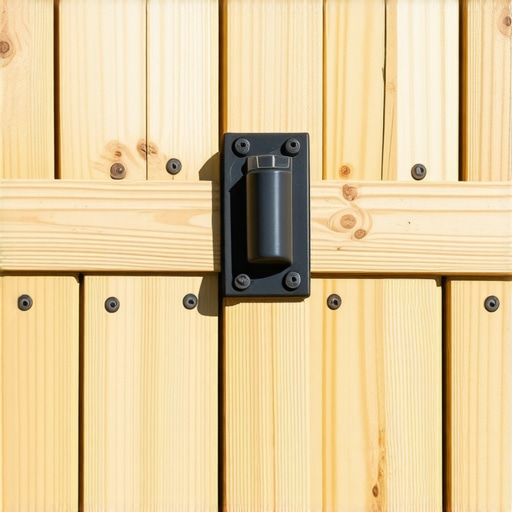
It was a sweltering summer afternoon when I finally realized my deck stairs were wobbling more than they should, threatening to turn a casual outdoor gathering into a safety hazard. That lightbulb moment hit hard—you know the one, when frustration turns into determination. Like many hobbyist DIYers and even seasoned deck builders, I had overlooked a crucial detail that would make all the difference: steel brackets. Discovering this secret saved me from ongoing wobble issues and made my stairs as sturdy as the rest of my deck.
Why Does the Right Support Matter So Much?
Deck stairs aren’t just about aesthetics; they’re a safety concern that shouldn’t be underestimated. Early in my project, I made the mistake of relying solely on traditional wooden supports, thinking they’d suffice. But after just a few months, the stairs started creaking and, more worryingly, pulling away slightly from the structure. That’s when I learned about the importance of steel brackets, which offer a rock-solid connection that wood simply can’t match. Using quality steel brackets is like giving your stairs a backbone—firm, reliable, and built to last.
Is Steel Brackets Really Worth the Hype?
At first, I was skeptical. I wondered if spending extra on steel brackets was justified, especially when I was already on a tight budget. However, I soon discovered that cheap, poorly installed brackets often lead to the very problems I tried to avoid: wobbling, squeaking, and even structural failure. My mistake was skipping the detailed research, which shows that properly installed steel brackets significantly improve the stability and longevity of outdoor stairs (source). This might seem like a small upgrade, but it yields big results over time.
Remove Existing Supports and Prepare the Site
Start by carefully removing any loose or damaged wooden supports from your stairs. Use a hammer and pry bar to loosen the existing brackets or supports, ensuring the area is clear. Clean the attachment points with a wire brush to remove debris and rust, creating a solid base for the new brackets. I once neglected this step and found my brackets poorly seated, which led to wobbling; thorough cleaning is key.
Measure and Mark for Accurate Placement
Precisely measure the width and height of each stair stringer where the brackets will attach. Use a tape measure and pencil to mark the exact spots, ensuring symmetrical support. During my first attempt, I underestimated the distance and ended up installing brackets unevenly, causing instability. Accurate measurement prevents this and ensures a level, sturdy staircase.
Select the Right Steel Brackets and Hardware
Choose heavy-duty steel brackets rated for outdoor use, preferably galvanized or powder-coated to resist corrosion. Match them with appropriate lag screws or bolts designed for outdoor pressure-treated wood or composite materials. I recommend visiting a local hardware store and consulting the expert guides to pick the best options. Skimping here can lead to fastener failure and wobbling issues.
Position and Attach the Brackets Firmly
Align each bracket precisely with your markings and drill pilot holes for the screws. Use a cordless drill with a suitable bit to prevent splitting the wood. Secure the brackets with lag screws, tightening firmly but avoid overdriving, which can damage the material. I once rushed this step and half-locked a bracket, which resulted in a slight wobble until I readjusted and tightened properly.
Test and Reinforce the Stability
After all brackets are installed, gently push or step on the stairs to check for movement. If any wobble persists, tighten the bolts further or add an extra bracket at vulnerable points. For additional strength, consider installing cross-bracing between the stringers using steel straps, much like the reinforcement system you might see in professional decks (see how pros do it). This final step ensures your stairs remain immovable, safe, and enduring through seasons.
Final Touches and Maintenance
Apply a weatherproof sealant on the brackets and surrounding wood to extend their lifespan. Regularly inspect for corrosion or loosening, especially after storms or seasonal changes. My experience teaches that diligent maintenance prevents small issues from escalating, keeping your deck stairs safe and stable for years to come.
 While many DIY enthusiasts believe that choosing any type of composite decking will automatically guarantee durability and easy maintenance, the reality is far more nuanced. One widespread misconception is that all composite materials perform equally well in harsh outdoor conditions. However, experts emphasize that the specific core composition, such as mineral-based cores versus polymer ones, dramatically affects weather resistance and longevity (source). This advanced insight can save you from costly repairs down the line.
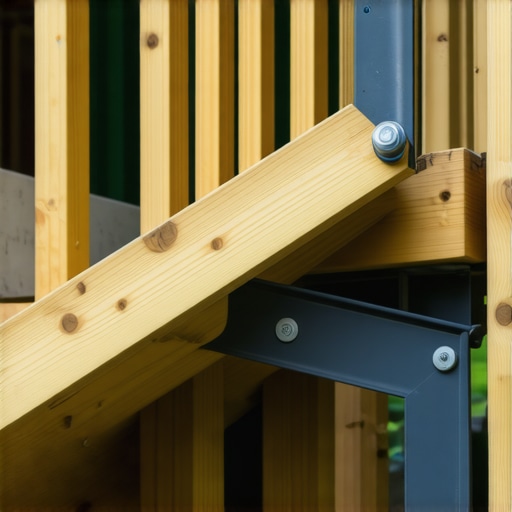
Another frequent mistake is overlooking the importance of proper framing and structural reinforcement—many assume that a quality deck surface alone suffices for long-term safety. In reality, precision in framing, including the use of steel brackets instead of traditional supports, is essential to prevent issues like stair wobble and deck sagging (learn why pros favor steel brackets). Skipping this step can lead to advanced problems that are difficult to fix later.
A common myth about outdoor stairs is that they should be built with standard woodworking techniques. Advanced builders recognize that proper installation involves specific nuances such as avoiding notching stair stringers improperly, which can weaken support and cause safety hazards. Applying techniques like housed stringers and strategic fastening treatments ensures stairs remain stable over decades, not just seasons (discover pro tricks for framing stairs).
For the seasoned DIYer, understanding the importance of seamless transitions in outdoor living spaces is vital. Elevated design elements, such as properly integrated stairs that connect different levels, require careful planning and execution to avoid uneven surfaces and trip hazards. Using expert tips for creating smooth, safe transitions can elevate the entire aesthetic and functionality of your outdoor area (see how professionals do it).
Beyond the structural, paying attention to advanced finish and maintenance practices enhances longevity. Applying breathable sealants around brackets and joints prevents moisture intrusion, a common oversight that accelerates corrosion and decay. Regular inspection and updating hardware, especially in coastal environments or regions with extreme weather, are practices often underestimated by amateurs.
The takeaway here is that mastering the nuances—from material selection to precise framing and advanced detailing—differentiates a good deck from a stellar one. Skipping these details may seem minor initially but can lead to significant costs and safety issues later. Have you ever fallen into this trap? Let me know in the comments.Creating a durable outdoor space requires more than just quality materials—regular maintenance and knowing which tools to use are key. To keep your deck, stairs, and composite decking looking pristine and functioning perfectly, investing in the right equipment makes all the difference. For example, I personally swear by a high-quality cordless impact driver, like the Milwaukee M18 Fuel, which provides the power and precision needed for securing brackets and fasteners without stripping screws or damaging wood. Its lightweight design reduces fatigue during long projects, allowing me to work more efficiently. Additionally, a digital moisture meter is invaluable for assessing wood and composite surfaces to determine if they need cleaning, sealing, or repairs, especially in climates with high humidity or seasonal fluctuations.
When it comes to cleaning, I recommend a good pressure washer with adjustable nozzles—preferably with a foam cannon attachment. This setup enables you to gently remove dirt, mold, and algae from decking surfaces without causing damage. Regular power washing not only improves aesthetics but also prolongs the lifespan of your materials by preventing buildup that can quicken deterioration.
For ongoing maintenance, keeping corrosion-resistant hardware like stainless steel or galvanized fasteners on hand ensures the structural integrity of your support systems over time. I also carry a small set of quick-blow rubber mallets, which are perfect for persuading loose fasteners or fitting composite boards into place without marring the surface.
Looking ahead, the trend is moving toward smart tools equipped with Bluetooth connectivity, allowing you to monitor battery life, usage stats, and even receive maintenance alerts. Incorporating these innovations can streamline your DIY projects and maintenance routines, making long-term upkeep more manageable.
### How can I maintain my outdoor living space over time?
A crucial aspect of longevity involves scheduled inspections—checking for loose brackets, signs of corrosion, or compromised joists. Applying a breathable, UV-resistant sealant annually helps protect the surface and minimizes weather-related wear. Don’t forget to verify that drainage systems are clear; water pooling can accelerate rot and damage. For steps and stairs, inspect the brackets and fasteners periodically, tightening or replacing them as needed. By adopting a proactive maintenance routine and using specialized tools, you’ll ensure your outdoor area remains safe and beautiful for years to come.
If you haven’t tried it yet, I recommend using a digital moisture meter to assess your deck’s condition accurately. It’s an easy step that can save you time and money in the long run by catching issues early. Plus, coupling this with regular power washing can drastically improve both appearance and durability, making your outdoor living space an oasis of comfort and safety. For more expert tips on maintaining your deck, consider reviewing professional advice on turning your garden into an oasis.
What I Wish I’d Known Before Drilling Support Supports
The biggest lesson I learned was the importance of investing in quality, properly installed steel brackets—they’re the backbone of durable stairs. Skipping detailed measurements and cleaning led to wobbling issues that could have been avoided, reminding me that patience pays off in every step of deck support installation.
Tools and Tips That Transformed My Project
Using a digital moisture meter helped me assess wood health before fastening, preventing future decay. A good impact driver made attaching brackets smoother and prevented damage, while a pressure washer kept my deck looking fresh—these tools are game changers for any outdoor builder.
Why Safety and Longevity Matter More Than Aesthetics
It’s tempting to focus solely on looks, but structural integrity ensures your outdoor space remains inviting and safe over time. Regular inspections, proper hardware choices, and sealing have extended my deck’s lifespan far beyond initial expectations, proving that quality always overcomes quick fixes.
The Power of Small Details in Big Outdoors
Seamless transitions between stairs and deck, hidden fasteners, and smart lighting assemblies create a polished, professional feel. These subtle touches not only enhance safety but also elevate the overall vibe, transforming a simple outdoor area into your personal oasis.
Getting the Most Out of Your Outdoor Improvements
My advice? Think beyond the immediate project—regular maintenance, thoughtful design, and using trusted resources like how pros reinforce stairs can save you headaches later. Embrace a long-term mindset, and your outdoor space will reward you with years of enjoyment.
Comments are closed.