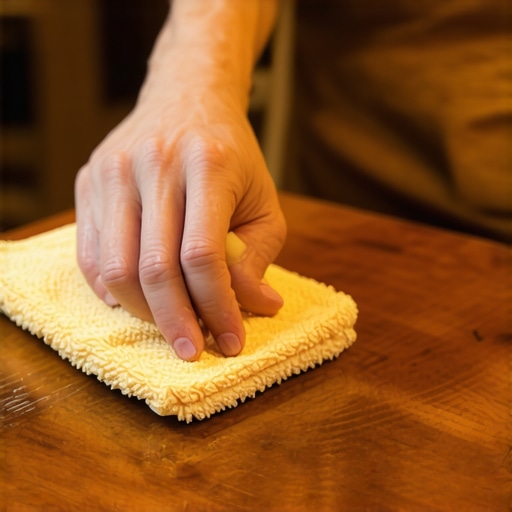
I remember the first time I stepped onto a beautifully finished deck and noticed those stubborn scratches marring the surface. My heart sank. It was a sunny Saturday, and I had spent so much time selecting the perfect composite decking—only to have it look less than perfect because of a tiny, seemingly insignificant mark. That lightbulb moment made me realize: scratches happen, especially in outdoor living spaces where kids, pets, and nature collide. But here’s the thing—I didn’t want to compromise the stunning grain pattern and durable finish of my composite decking. I needed a way to erase those scratches without damaging the grain or the surface’s integrity.
The Frustration of Scratched Composite Decking
If you’ve invested in capped composite decking, you probably love its low maintenance, resistance to rot, and realistic wood-like appearance. However, scratches are still an unwelcome guest. They can occur from anything—furniture dragging, kids’ play, or even debris carried by wind. And once those scratches settle in, they can be a real eyesore, diminishing your outdoor oasis’s beauty. I’ve tried countless home remedies and DIY hacks, some of which led to more harm than good. I learned the hard way that rubbing in random oils or abrasive cleaners can actually deepen the scratches or strip the finish, ruining the grain’s natural look.
What I needed was a method that would gently blend the scratch into the surrounding surface, preserving the wood grain and finish. That’s when I started digging into expert advice and product reviews—discovering that the right approach can make a huge difference. Interestingly, according to a recent trend report, quality composite decking products are designed with advanced surface coatings precisely for scratch resistance. But even the toughest coatings aren’t entirely immune when mishaps happen, which is why knowing how to repair minor surface damage is a valued skill.
What We’ll Cover Today
In this post, I’ll walk you through practical, experienced-backed techniques to erase scratches on capped composite decking without harming its grain or finish. You’ll learn which products are safe to use, how to gently buff out scratches, and the common mistakes to avoid. Whether your scratches are minor or a bit deeper, these tips will help restore your decking’s natural beauty. If you’ve ever been frustrated by surface marks and wondered if there’s a simple fix, stick around—I’ll guide you through the solutions that worked for me and many other outdoor enthusiasts.
Assess the Extent of the Damage
Start by closely inspecting the scratch to understand its depth and length. Use a bright light to examine whether it’s a superficial surface mark or deeper into the material, much like evaluating a small dent versus a gouge on a wooden surface. I once noticed a faint scratch near my pool area, which appeared minor but was actually deeper when I ran my fingernail over it. This first step prevents wasting effort on minor surface cleaning or over-application of repair products.
Clean the Area Thoroughly
Before any repair, clean the affected area with a gentle soap solution and plenty of water, removing dirt, pollen, and loose debris. Avoid harsh chemicals that might strip the finish—a lesson I learned when using abrasive cleaners that worsened the scratch. Use a soft-bristled brush or sponge, mimicking how you’d gently scrub a breakfast plate to preserve its shine. Dry the surface completely with a clean cloth to ensure proper adhesion of repair materials.
Choose the Right Repair Product
Select a composite-specific scratch filler or color-matched touch-up kit. For minor scratches, a wax-based filler works well, akin to filling in small cracks with a matching colored wax stick. For deeper gouges, consider a putty or epoxy designed for composite surfaces. I experimented with several products, applying a small amount with a putty knife, similar to patching a small hole in drywall, watching how the filler blended into the grain. Always test the product on a hidden area first to confirm color match and adhesion.
Application: Fill and Level
Apply the filler carefully to the scratch, pressing it into the damaged area. Use a plastic scraper or your finger (wearing gloves) to smooth the surface, removing excess material. Think of it as icing a cake: you want a thin, even layer that conforms to the surrounding surface. For shallow scratches, a gentle buff with fine abrasive pad or a dedicated polishing cloth can help blend the filled area into the rest of the deck. Patience here ensures a seamless repair—rushing may leave bumps or unevenness, which detracts from the natural wood grain.
Buffing Out Excess Material
Once the filler has cured, usually as per the product instructions, lightly sand the area with a fine-grit sandpaper (around 400 grit). This is like sanding a small woodworking project to achieve a polished look. Follow up with a soft cloth to remove dust, revealing a smooth, uniform surface. This step is crucial; I once neglected sanding, and the repair looked obvious until I sanded it later, which made a noticeable improvement.
Preserve the Texture and Grain
To match the finish, consider applying a finishing oil or a composite deck restorer that enhances the grain and gloss. Use a soft brush or cloth, applying evenly—to replicate the deck’s original look. Remember, the goal is to integrate the repair seamlessly into the existing surface. If you’re unsure, consult local experts or refer to resources like this guide for expert finishing tips.
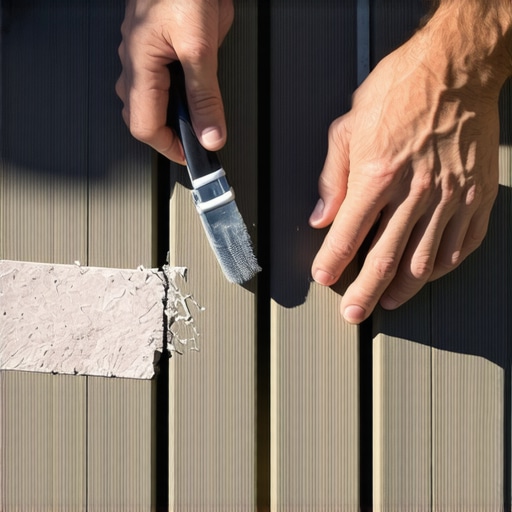
Illustration showing the step-by-step process of filling and sanding scratches on composite decking for a professional finish.
Many homeowners and even some professionals hold misconceptions about stairs and composite decking that can lead to costly mistakes. One of the most widespread myths is that simply choosing the highest rated scratch-resistant composite guarantees a maintenance-free experience. In reality, neglecting the nuances of installation, such as proper joist spacing and support framing, can cause long-term issues like sagging or wobbling, regardless of material quality. Expert advice stresses that even the best materials need meticulous framing and fastening techniques, which many overlook in favor of shortcuts. A common oversight is failing to account for load distribution—especially on stairs—that can result in premature wear or structural failure over time.
Why do even well-designed stairs become unsafe, and how can advanced framing techniques prevent this?
Delving into recent studies, structural engineers emphasize that optimal span lengths and steel reinforcement significantly prolong the life and safety of outdoor stairs. For instance, using innovative cantilever framing hacks, such as those detailed on this resource, ensures stability in high-traffic areas. Avoid falling into the trap of thinking that surface finishes alone can hide underlying structural deficiencies—attention to detail during framing prevents issues before they start. Additionally, myths about the ease of DIY installations often ignore the complexities of proper drainage, frost heave considerations, and code compliance, leading to hazards and costly repairs down the line. Keep in mind that a deck is an extension of your living space—bad design choices not only compromise safety but also diminish your outdoor enjoyment. Practical tips from seasoned deck builders, and insights from this article, highlight how professional intervention can elevate your project from mediocre to stunning. Remember, investing in expert consultation can save you from a host of pitfalls, ensuring your outdoor living space remains both beautiful and secure. Have you ever fallen into this trap? Let me know in the comments.
Keep it Running Smoothly with the Right Tools
Ensuring your deck and outdoor living features remain inviting and durable over time requires more than just good intentions—having the right tools makes all the difference. I personally rely on a combination of precision instruments and advanced products that enable me to perform maintenance efficiently and effectively. For instance, a high-quality orbital sander with fine grit pads is invaluable for gentle sanding between refinishing jobs, preventing scratches from worsening and restoring the grain’s natural beauty. Additionally, a cordless drill with variable speed control allows for precise tightening of fasteners, reducing the risk of wobbling or loosening over the years.
When it comes to cleaning, I swear by a pressure washer with adjustable settings. Setting the PSI correctly (around 1500-2000 PSI for composite decks) helps remove dirt and pollen without damaging the surface. A nylon brush attachment is gentle enough to scrub away stubborn stains while preserving the finish. For stains and minor scratches, I use a composite-specific touch-up kit that matches my decking color. Applying with a silicone spatula and blending carefully ensures seamless repairs, extending the deck’s lifespan and maintaining its appearance.
Future Trends in Deck Maintenance and Tools
Looking ahead, the trend is shifting toward smart maintenance technology. I predict that in the next few years, embedded sensors will monitor deck moisture levels, structural integrity, and even surface wear, alerting homeowners when repairs are needed. Tools equipped with Bluetooth connectivity and AI-driven diagnostics will revolutionize outdoor maintenance, making it more preventive than reactive. Embracing these innovations now, like investing in a moisture meter that syncs with your smartphone, can save time and money later.
How do I keep my outdoor living features functional long-term?
Routine inspections are key. I schedule bi-annual checks using a digital level and moisture meter to identify early signs of warping or moisture intrusion. Cleaning with eco-friendly, biodegradable solutions preserves the finish without compromising the environment. Regularly applying a protective sealant designed specifically for composite or wood surfaces helps stave off UV damage and staining. For complex repairs or upgrades, consulting a professional deck builder ensures that structural components, like joists and supports, are in top shape, preventing costly failures down the line. Many homeowners overlook the importance of proper framing; attention to detail here, including methods such as improved joist spacing, can significantly extend your deck’s life. For a comprehensive look at expert strategies, I recommend reading this detailed guide.
Elevate Your Maintenance Game: Try This Tool
One advanced tip I’ve found invaluable is using a digital laser level to check for unevenness on your deck surface. This device ensures that your flooring stays perfectly level, reducing the risk of water pooling and consequent rot. Plus, it helps in aligning new boards during repairs, ensuring a pristine, professional look. Incorporating this tech into your routine promises long-term durability and better aesthetics—give it a try and see the difference it makes!

Close-up of a homeowner using a digital laser level to ensure even decking surface and alignment during maintenance.
In the evolving world of outdoor living, staying ahead with the right tools can turn a simple deck into a lasting masterpiece. For more expert insights on creating resilient outdoor spaces, consider exploring this article on seamless transitions and stair safety. Remember, consistent maintenance and embracing technological advancements are your best allies in keeping your outdoor oasis spectacular for years to come.
Reflecting on my journey, I realize that the biggest lesson in maintaining beautiful outdoor spaces isn’t just about fixing scratches—it’s understanding the subtle art of preservation and the importance of attention to detail. One lightbulb moment was recognizing that even the toughest composite coatings can benefit from gentle, precise touch-ups rather than aggressive scrubbing, which can deepen existing scratches. Another insight was that relying solely on DIY solutions without assessing the depth of damage often leads to more trouble; a quick inspection can save time and restore confidence in your deck. Lastly, I’ve learned that blending repairs seamlessly into the natural grain of composite decking isn’t magic—it’s a meticulous process that demands patience and the right tools, like fine-grit sandpaper and matching fillers. Embracing these lessons has transformed my approach from reactive fixes to proactive care, ensuring my outdoor oasis remains stunning year after year.