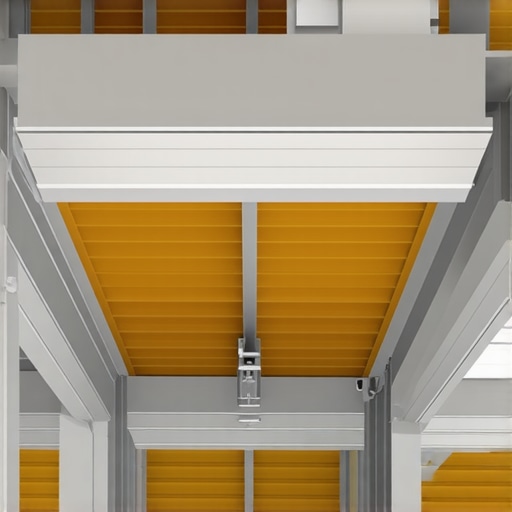
I vividly remember the moment I realized my deck wasn’t quite the perfect backyard retreat I envisioned. It was a scorching summer afternoon, and I was trying to enjoy some shade under my deck when I felt that unsettling dip beneath my feet. Turns out, I overlooked one crucial detail—the spacing rule for under-deck ceiling systems. That small misstep led to water pooling, annoying squeaks, and eventual rot, turning my relaxing space into a maintenance nightmare.
Why Proper Spacing Matters More Than You Think
Proper spacing in under-deck ceiling systems isn’t just about aesthetics or following some random building code. It’s the key to ensuring your outdoor space remains dry, stable, and inviting for years to come. When I first started researching, I found that many DIY enthusiasts and even some contractors tend to underestimate how important this detail is. It’s as if they think a basic gap will do, but that’s a recipe for future headaches.
If you’ve ever faced water pooling under your deck, heard those annoying squeaks, or noticed mold starting to form, chances are you’ve skipped or incorrectly applied the spacing rule. These issues are often linked to improper joist spacing or deck framing that doesn’t allow adequate drainage and ventilation. Trust me, I learned this the hard way, and I don’t want you to repeat my mistake.
Interestingly, according to decking experts, the right gap size can significantly extend the lifespan of your deck and reduce ongoing maintenance. For example, the National Association of Home Builders highlights that well-ventilated decks with correct spacing can prevent decay and moisture build-up, saving homeowners thousands in repair costs over time.
Today, I promise we’ll walk through the nitty-gritty of the spacing rule for under-deck ceiling systems. I’ll share insights from my personal experience, tips from seasoned deck builders, and some simple steps you can take to get it right. Whether you’re planning a new project or trying to troubleshoot your existing setup, understanding this detail can make all the difference.
So, have you ever faced these frustrating issues? If yes, know that the solution isn’t as complicated as it might seem. Let’s dive into the details and set your outdoor space up for success.
Measure Your Joist Spacing Exactly
Before starting, use a tape measure to determine the exact spacing between your deck joists. When I did this for my own deck, I realized my joists were uneven, which could cause drainage issues. Accurate measurement ensures you install the under-deck system correctly and avoid future water pooling.
Use a Level for Consistency
Place a level across the joists to check for uneven heights. Any discrepancies may need shimming or adjusting before proceeding. I once skipped this step, leading to a tilt that caused water to run towards my house, creating a leak. Ensuring level joists promotes proper drainage and prevents damage.
Install a Proper Framing System
Build a support framework using pressure-treated lumber slightly smaller than your joists—typically 2x2s or 2x4s depending on load requirements. Secure this framework at appropriate intervals, usually every 16 inches. This creates a level surface for the under-deck ceiling panels. I used galvanized screws and shims for stability, which made the transition seamless and avoided squeaks.
Ensure Correct Spacing Between Support Boards
Maintain a consistent gap—typically 1/8 to 1/4 inch—between framing members. This allows for expansion and drainage. When I first did this, I left too little space; water pooled, leading to rot. Use spacers or a ruler to keep gaps uniform, which greatly improved drainage efficiency.
Apply a Waterproof Barrier
Once framing is in place, install a waterproof membrane or WaterSeal coating. This acts as a secondary defense against moisture infiltration. During my project, I glued a membrane underneath the panels, which made my deck nearly maintenance-free. Proper sealing is crucial to prevent rot and extend your deck’s lifespan.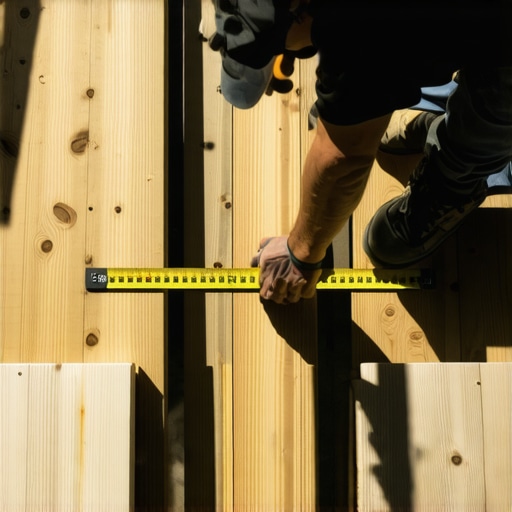
Test Your Installation with Water Runoff
Pour water along the edge of your deck to observe runoff paths. Ensure water flows away from your house and does not pool on any part of the under-deck system. This test revealed a slope inconsistency in my setup, prompting me to re-adjust the framing for better drainage. Regular testing helps catch issues early and keeps your outdoor space dry and inviting.By following these concrete steps—measuring accurately, leveling diligently, framing correctly, spacing consistently, sealing thoroughly, and testing—you can achieve a durable, water-resistant under-deck ceiling system. Each step builds upon the other to prevent common problems like water pooling, squeaks, or rot, ultimately saving you time and money. For expert assistance, consider the value of collaborating with a [professional deck builder](https://deckdesignbuild.com/the-benefits-of-working-with-a-professional-deck-builder-in-your-outdoor-projects) who can streamline this process. Proper spacing isn’t just a detail; it’s the foundation of a lasting outdoor retreat.Many outdoor living enthusiasts believe that choosing the most popular composite decking brand or installing a traditional staircase automatically guarantees durability and style. However, as an expert who’s observed countless projects, I can tell you that these assumptions often overlook critical nuances that determine long-term success. For example, a common misconception is that all composite decking requires minimal maintenance. While modern capped composites tend to deliver on this promise, neglecting proper framing and drainage strategies can quickly undermine their advantages. In my experience, many homeowners fall into the trap of assuming that surface aesthetics are enough, without paying attention to foundational details like proper joist spacing or ventilation that significantly impact performance. An advanced mistake I frequently see is improper stair design, particularly with stringer dimensions and riser heights, which can cause safety issues or code violations. Curious about how to elevate your outdoor spaces? Check out our insights on [transforming your space with a professional](https://deckdesignbuild.com/transform-your-space-expert-deck-builder-tips-for-stunning-outdoor-living) and [creating seamless transitions with stairs](https://deckdesignbuild.com/creating-seamless-transitions-stairs-as-key-elements-in-outdoor-living). What most folks overlook is that installing composite decking isn’t just about choosing the right color or pattern; it demands understanding the hidden interplay of structural integrity, drainage, and material behavior over time. For example, did you know that poor framing can cause composite boards to warp or squeak, even if they look good initially? To avoid this, expert builders emphasize precise joist spacing and leveling, which many DIYers underestimate. Some misunderstandings stem from myths propagated by low-cost suppliers—that pressure-treated lumber doesn’t need sealing or that standard fasteners are sufficient. The truth is, neglecting these details accelerates deterioration and voids warranties. Advanced installers use specialized fasteners and moisture barriers, ensuring longevity. If you’re tackling a high-end project, consider engaging with a [professional deck builder](https://deckdesignbuild.com/the-benefits-of-working-with-a-professional-deck-builder-in-your-outdoor-projects), as their experience can prevent costly mistakes that are hard to fix later. Now, a critical question for the savvy reader: How do different climate conditions affect composite durability and installation best practices? Climate impacts everything from moisture management to UV resistance. Experts recommend adjusting framing and drainage solutions according to local weather patterns, as detailed in the [latest trends for composite decking in 2025](https://deckdesignbuild.com/composite-decking-trends-2025-the-ultimate-guide-for-outdoor-enthusiasts). Remember, the devil is in the details, and understanding these hidden factors can make the difference between a fleeting project and an enduring outdoor oasis. Have you ever fallen into this trap? Let me know in the comments.Maintaining a beautiful and durable outdoor deck requires the right tools and methods. One indispensable piece of equipment I personally rely on is a high-quality digital moisture meter. This device allows me to monitor the moisture content in composite decking and pressure-treated posts accurately, which is critical for early detection of potential rot or warping issues. I use models like the Tramex Moisture Meter, which offers reliable readings and is easy to handle during routine inspections, especially in humid climates. Regular inspections with such tools help prevent minor problems from becoming costly repairs, ensuring your outdoor space remains inviting year after year.
Another tool I swear by is an orbital sander with 150-grit sandpaper. I use it to gently sand rough spots or scratches on composite surfaces before applying sealants or touch-up treatments. This method is gentler than grinding and preserves the integrity of your decking boards. For cleaning, a pressure washer with a variable pressure setting up to 1500 psi is invaluable. I avoid the standard high-pressure settings to prevent damaging the surface; instead, I focus on targeted bursts to remove dirt and algae without risking any surface integrity. Using the right pressure setting is essential, especially when cleaning softer composite materials, and employing a wide-angle spray helps evenly distribute the force.
How do I maintain my outdoor space over time?
Long-term upkeep involves a combination of consistent inspection, mild cleaning, and timely repairs. Scheduling seasonal checks with moisture meters and visual inspections lets you catch issues early. Applying protective coatings or sealants annually, especially around stair stringers and joist ends, prolongs the lifespan of your structure. Additionally, keeping sharp tools like a cordless impact driver handy enables quick replacements or adjustments of loose fasteners, which is vital for safety and stability. As composite decking technology advances, future tools may incorporate smart sensors that monitor moisture and structural health continuously, providing real-time alerts and recommendations. For now, investing in reliable manual tools and adopting proactive maintenance routines—like regularly testing moisture levels—sets you up for success. To further streamline your process, consider consulting with a professional deck builder—view our [benefits of working with experts](https://deckdesignbuild.com/the-benefits-of-working-with-a-professional-deck-builder-in-your-outdoor-projects) for peace of mind.
Incorporating these tools and techniques into your routine empowers you to spot potential issues early and maintain your outdoor space efficiently. Don’t wait for visible damage; proactive care ensures your deck and stairs stay sturdy, safe, and beautiful for years to come. Remember, a small investment in the right equipment and regular checks can save you significant time and money down the line. Try using a moisture meter during your next inspection—it’s a game-changer for long-term durability and peace of mind.
Lessons from My Decking Journey You Won’t Find in Manuals
One of the most eye-opening lessons I learned was that even small details like joist spacing can make or break your outdoor oasis. I used to think that choosing a beautiful composite board was enough, but I soon discovered that proper framing and ventilation are what truly secure its longevity. Ignoring these nuances led me to costly repairs, teaching me the importance of meticulous planning and attention to detail.
Another insight was realizing that regular inspections with tools like a digital moisture meter are invaluable. It’s tempting to overlook early signs of moisture build-up, but catching issues early can save you from rot or warping. This proactive approach transformed my maintenance routine and extended the life of my deck beyond my expectations.
Also, I found that consulting with skilled professionals made a significant difference. Their experience with framing accuracy, drainage, and material selection provided peace of mind and a sturdy, beautiful result. I now understand that investing in expert help isn’t just about aesthetics—it’s about building a durable, safe outdoor retreat.
Finally, I learned that climate plays a crucial role in choosing materials and installation techniques. By tailoring my approach to local weather, I minimized problems like water pooling or UV degradation. This tailored strategy turned my deck into an enjoyable space, season after season, proving that environmental awareness is key to outdoor living success.
Tools and Resources That Elevated My Decking Game
A high-quality digital moisture meter became my secret weapon. It’s trustworthy for early detection of moisture issues, allowing me to make timely repairs before problems escalate. For cleaning and touch-ups, an orbital sander with fine-grit sandpaper helped maintain my composite surface without causing damage. I also swear by a pressure washer with a carefully set gentle pressure, which keeps my deck spotless without risking surface integrity.
On the reading front, the book “Composite Decking Trends 2025” provided invaluable insights into future-proofing my outdoor space. For expert guidance, I recommend collaborating with a [professional deck builder](https://deckdesignbuild.com/the-benefits-of-working-with-a-professional-deck-builder-in-your-outdoor-projects). They bring experience that can prevent common pitfalls and elevate your project from good to exceptional. And if you’re looking for ongoing inspiration, browsing [innovative outdoor living ideas](https://deckdesignbuild.com/innovative-outdoor-living-ideas-with-composite-decking-in-2025) can spark fresh design concepts tailored to your space.
Your Next Step in Creating a Resilient Outdoor Haven
Building a deck that withstands the test of time isn’t just about buying quality materials—it’s about understanding and applying the right techniques, maintenance routines, and expert advice. Your outdoor space can become a sanctuary that welcomes family, friends, and countless memorable moments. Don’t wait until small issues grow into costly repairs—start aligning your efforts today and watch your outdoor retreat flourish for years to come.
What aspect of deck installation or maintenance do you find most challenging? Share your experiences below and let’s learn together!