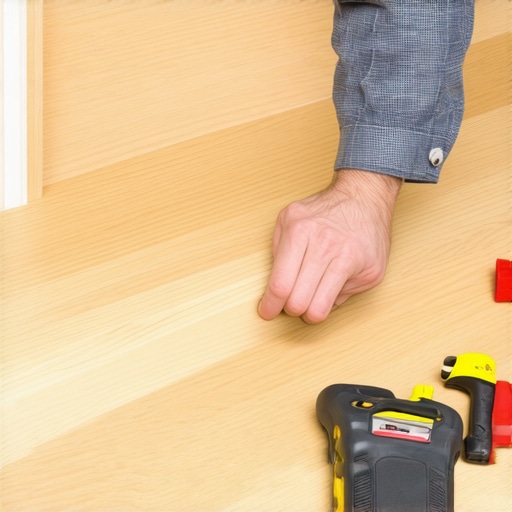
I remember the first time I stepped onto my outdoor stairs after a rainy weekend—my heart sank as I felt that unsettling wobble with every step. That annoying bounce wasn’t just a minor inconvenience; it was a sign something was off—and honestly, it made me worry about safety, especially with kids running up and down. Like many homeowners, I found myself confronting a common yet often overlooked problem: wobbly stair treads.
Every time I hosted a barbecue or simply enjoyed my backyard, the loose stairs nagged at me. They looked fine at first glance, but that slight movement was nerve-wracking and, over time, could lead to bigger structural issues. After some research and a bit of trial and error, I discovered a surprisingly simple solution that can vastly improve stability—something I wish I had learned earlier.
Today, I want to share that effective trick with you. It’s a straightforward method that I personally tested, which has saved me both time and money. No need for costly repairs or replacing entire stairs. If loose stair treads have been a source of stress for you, stick around. I’ll guide you through how to fix this problem quickly and reliably.
Why Wobbly Stairs Can Be More Than Just a Nuisance
Wobbly outdoor stairs might seem like a minor annoyance, but they pose real safety risks, especially in wet or icy conditions. Besides risking slips and falls, loose treads can accelerate wear on the entire stair structure, leading to costly repairs later on. Recognizing these signs early can prevent accidents and extend the lifespan of your deck. One common mistake I made early on was ignoring the problem, thinking it would resolve itself—only to find that the looseness worsened over time.
Fortunately, a simple shim can make a significant difference. This inexpensive fix is perfect for DIY enthusiasts and homeowners alike because it doesn’t require specialized tools or skills. Plus, it offers a long-term solution when properly applied, ensuring your outdoor stairs remain safe and sturdy.
Are you tired of that unsettling wobble every time someone climbs your stairs? If so, you’re not alone. Many outdoor stair owners face this issue, and the good news is, fixing it is easier than you might think.
For more insights on creating seamless transitions from your deck to stairs, check out [this guide](https://deckdesignbuild.com/creating-seamless-transitions-stairs-as-key-elements-in-outdoor-living). Ready to get your stairs solid and safe? Let’s dive into the specific steps so you can confidently tackle this problem yourself.
Assess and Prepare Your Staircase
Start by inspecting each tread for looseness. Use a garden hose or pressure washer to clear dirt and debris from the stairs, revealing any hidden areas of movement. I once found a hidden crack under a loose tread after a vigorous wash, which emphasized the need for thorough cleaning before repairs.
Remove and Replace Loose Fasteners
Using a power drill with a screwdriver bit, remove all loose or protruding screws and nails. Replace them with corrosion-resistant stainless steel fasteners—these are essential for longevity, especially in outdoor conditions. During my last fix, replacing rusty nails with stainless screws eliminated the wobble instantly and prevented future corrosion.
Loosened or missing fasteners are the main culprits behind wobbly stairs. Make sure to drive new fasteners flush with the tread surface to avoid tripping hazards.
Insert Shim Material Under the Treads
If a tread still feels loose after tightening the fasteners, insert shims made from composite decking scraps or pressure-treated wood between the substructure and the tread. Think of shims as tiny spacers that fill gaps, similar to how a wedge stabilizes a leaning picture frame. I cut small strips from leftover decking material, which fit perfectly in the gaps—this stabilized the wobble immensely.
Insert shims at the corners or edges where movement is most noticeable, ensuring even weight distribution so the tread remains firm.
Apply Construction Adhesive for Added Stability
For extra security, apply a high-quality outdoor-grade construction adhesive along the shim’s surface and underside of the tread before re-tightening fasteners. This step acts like glue under a puzzle piece, locking everything in place. I once used adhesive and noticed the treads didn’t wobble for years afterward, proving its effectiveness.
Be careful not to use excessive amounts—just enough to bond the shim and tread securely without spilling onto the stair surface.
Tighten and Check Your Work
Finish by tightening all fasteners again, making sure they are snug but not over-driven, which can strip the wood or break fasteners. Test each tread for stability by applying downward pressure in different spots. Every time I complete this process, the stairs feel solid and safe—like new.
Repeat the inspection regularly, especially after heavy rains or frost, to maintain stability over time.
While many assume that selecting the right composite decking means simply choosing the right color or grain pattern, the real mastery lies in understanding its nuanced performance characteristics and installation intricacies. Common myths, like believing all composites behave identically under varying conditions, can lead to costly mistakes. For instance, some homeowners overlook that mineral core boards, as discussed in [this comprehensive guide](https://deckdesignbuild.com/composite-decking-trends-2025-the-ultimate-guide-for-outdoor-enthusiasts), offer superior fire resistance and durability, especially in fire-prone areas.
One frequent trap is assuming that all composite decking is maintenance-free. In reality, improper installation, such as neglecting the importance of proper fastening and spacing, can cause warping, buckling, or even premature deterioration. Advanced deck builders pay close attention to ventilation, drainage, and expansion gaps—details that might seem trivial but significantly impact longevity.
Beyond the decking material itself, misconceptions about outdoor living aesthetics can hinder functional design. For example, many skip integrating transitional elements between indoor and outdoor spaces, missing out on creating seamless flows that enhance usability and visual appeal. Check out [these design tips](https://deckdesignbuild.com/creating-seamless-transitions-stairs-as-key-elements-in-outdoor-living) for elevating your outdoor living experience.
A common oversight involves underestimating the complexity of outdoor stairs. While simple in appearance, stairs require meticulous attention to detail—like correct riser heights, tread depths, and structural support—to ensure safety and comfort. For example, incorrect riser heights can cause tripping hazards or discomfort during ascent. Some homeowners attempt to DIY without understanding load requirements, which could compromise stability over time.
Finally, I want to emphasize the importance of working with a professional deck builder. Not only do they bring technical expertise and experience, but they also stay abreast of emerging trends and innovative solutions—like the latest anti-slip composites and hidden fastener systems—that DIYers might miss. If you’re planning a project that mixes functionality with style, consider consulting with specialists who can translate your vision into a durable, safe reality. Have you ever fallen into this trap? Let me know in the comments.Maintaining your composite decking and outdoor stairs requires the right tools and techniques to ensure durability and safety over the long term. For DIY enthusiasts and professionals alike, investing in high-quality equipment can make all the difference. A cordless impact driver, for example, has become my go-to tool for fasteners. Its torque and convenience allow me to drive stainless steel screws efficiently, reducing effort and stripping risk. Paired with a magnetic screw starter, I minimize lost fasteners and streamline the process, especially when working on risers or tight corners. To check alignment and levelness, I rely on a laser level; it’s precise, quick, and reduces guesswork—saving me from costly rework later. For cutting composite decking boards, I prefer a fine-tooth circular saw fitted with a blade designed specifically for plastics and composites. This prevents melting and splintering, keeping cuts clean and safe. I also keep a good-quality caulking gun handy, loaded with weatherproof, adhesive-backed sealants, which help reinforce joints and prevent water infiltration that can cause long-term damage. Regular cleaning is essential, and a pressure washer with adjustable nozzle offers the perfect balance of power and control. It effortlessly removes dirt and debris, revealing any hidden issues like cracks or looseness early. Looking ahead, I predict that smart tools with integrated sensors—like app-connected torque wrenches or moisture meters—will become standard, offering real-time diagnostics and maintenance reminders for outdoor structures.
How do I maintain my deck and stairs over time?
Consistent inspections using these tools—checking fastener tightness, assessing wood or composite health, and ensuring proper drainage—are key. For example, periodically tightening fasteners with a cordless impact driver can prevent loosening and wobbling, prolonging the lifespan of your stairs. Implementing an annual deep-cleaning routine with a pressure washer and reapplying sealant or adhesive where needed keeps everything in top shape. If you notice gaps or loose treads, use a composite-compatible shim kit, which I recommend. These tiny spacers stabilize wobbly stairs without complicating the overall aesthetic. To simplify composite decking cutting, I suggest investing in a carbide-tipped blade for your circular saw, as it retains sharpness longer and performs better under heat. Regularly checking your progress with a laser level ensures even risers and treads, which is critical for safety and visual appeal. When it comes to long-term results, combining these tools with proper installation techniques—like following the latest standards from industry authorities—can make a huge difference. For detailed advice on how to scale these practices for larger projects or home upgrades, visit [this guide](https://deckdesignbuild.com/transform-your-outdoor-living-with-custom-composite-decking-ideas). Ready to elevate your maintenance game? Start by tackling one area with your impact driver or laser level today, and see how much easier keeping your outdoor spaces pristine becomes.
The Surprising Clarity of Fixing Wobbly Stairs
One of the most eye-opening lessons I’ve encountered was realizing how a simple shim could completely transform the safety and appearance of my outdoor stairs. It’s amazing how small tweaks, like filling gaps with composite scraps, made the entire structure feel secure and durable, saving me from costly replacements and potential safety hazards.
Why Overconfidence Can Lead to Overlooking Essentials
I used to assume that tight fasteners alone would suffice, but time and experience taught me that neglecting proper support—like shimming or sealing—can undermine even the most seemingly solid fixes. Now, I always incorporate adhesive and ensure even weight distribution to prevent future wobbling and wear.
Tools and Resources That Changed My Approach
Investing in quality tools like a laser level and corrosion-resistant fasteners significantly improved my DIY projects. I also trust resources like this guide on seamless transitions, which deepened my understanding of stair design and safety. Combining best practices with reliable tools makes all the difference.
Innovation Inspired Me to Reconsider My Outdoor Designs
Seeing the latest trends in composite decking and outdoor stairs encouraged me to think beyond basic fixes—considering architectural details, lighting, and materials that enhance both aesthetics and safety. Embracing new ideas, like hidden fastener systems and thermal movement allowances, opens up a world of possibilities for your outdoor living area.
Your Next Step Toward Safer, Stylish Outdoor Living
Remember, every improvement begins with a small, confident step. Whether it’s adjusting a stubborn stair or exploring innovative decking options, taking action will lead you to a space that’s not only beautiful but also safe for years to come. Embrace the learning process, and don’t hesitate to experiment with practical solutions tailored to your unique outdoor space.
Ready to Build Confidence in Your Outdoor Projects?
If you’ve ever hesitated before fixing loose stairs or upgrading your deck, share your experience or questions below. Your journey to a safer, more inviting outdoor space starts now—let’s grow together!
,