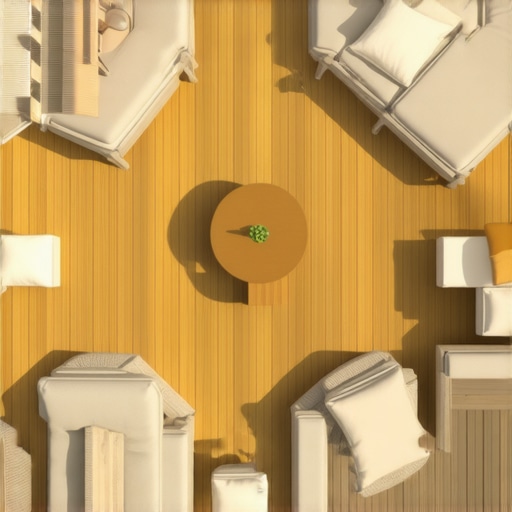
It was a warm summer evening when I finally finished building my dream circular deck, only to realize that my carefully chosen furniture setup didn’t quite work. Chairs felt awkward, the table blocked pathways, and it just didn’t invite conversation like I hoped. That lightbulb moment made me realize—arranging furniture on a circular deck isn’t just about placing pieces randomly; it’s about understanding the space and flow.
Creating Harmony in Your Circular Outdoor Space
Designing a functional and inviting circular deck can be a real puzzle. Early on, I made the mistake of treating it like a traditional rectangular patio—placing furniture in a grid or along the perimeter without regard for the circle’s natural flow. This led to cramped spots and awkward walkways. After some trial and error—and quite a few rearrangements—I discovered that embracing the deck’s shape, instead of fighting it, makes all the difference.
So, what’s the secret? It’s about grouping furniture in a way that fosters conversation, maintains easy movement, and highlights the deck’s aesthetic appeal. Today, I want to share the practical principles that will help you arrange your circular deck furniture with confidence, turning that blank canvas into a cozy, functional oasis.
Is Overthinking Your Deck Layout Actually Worth the Effort?
Let’s face it—many of us worry that a perfect layout is complicated or requires a pro. I used to think so too. But what I learned early on is that simple, intentional arrangements pay off. I also made the mistake of believing furniture size doesn’t matter—until I tried to fit a large sectional into a tight curve, which ended up looking awkward and feeling crowded.
If you’re like I was, facing the frustration of a less-than-stunning outdoor space, you’re not alone. But the good news is, with a few expert tips, you can transform your circular deck into a beautifully arranged retreat. For innovative ideas on achieving a modern look, check out [this inspiring guide on composite decking trends for 2025](https://deckdesignbuild.com/innovative-outdoor-living-ideas-with-composite-decking-in-2025), which illustrates how thoughtful furniture placement complements design.
Now, let’s dive into how to map out your furniture placement so it works with your deck’s curves, creates inviting zones, and enhances your outdoor living experience.
Map Out Your Space Before Placing Furniture
Begin by sketching your deck’s outline or using a digital layout tool. Identify the central point or focal area, then divide the space into zones, much like slicing a pizza—this helps visualize where seating, tables, and walkways will go. I did this with painter’s tape on my deck, creating a rough map that revealed how much room each zone could occupy without crowding the space or obstructing pathways.
Embrace the Curves with Symmetrical Arrangements
Instead of forcing rectangular furniture into circular space, opt for rounded or modular pieces that follow the deck’s shape. For example, I used an L-shaped sectional that naturally curved with the deck’s edge, maximizing seating without blocking movement. Think of your deck as a river—furniture should flow with it, not fight against it.
Create Conversation Zones with Grouped Furniture
Position tables and chairs in small clusters, about 4-6 feet apart. I arranged mine in a semi-circle facing inward, which encouraged interaction. Consider placing a central fire pit or water feature as an anchor point around which seating naturally orients. This setup invites gatherings while keeping pathways clear.
Use Visual Anchors to Define Spaces
Incorporate rugs, planters, or lighting to visually separate zones. I placed a patterned outdoor rug under my main seating area, which subtly delineated that space. This technique helps guests perceive different zones without physical barriers, much like different rooms in a house.
Ensure Easy Movement and Accessibility
Leave at least 2-3 feet of clearance for traffic lanes. When I rearranged my furniture, I checked walking paths by simulating movement—was it smooth or did I bump into chairs? Use a simple string or chalk lines to mark walkways during setup, then adjust until flow feels natural. Remember, a well-flowing deck is like a well-tuned dance floor, where everyone moves comfortably.
Adjust Based on Usage and Space Dynamics
Flexibility is key. I found that some arrangements looked great on paper but felt cramped when I tested them in real life. Be prepared to swap pieces or reposition furniture as you observe how you and your guests use the space. Think of your deck as a living room outdoors—adaptability enhances comfort and functionality.
Final Tip: Wait Before Securing Layouts
Rather than fixing furniture permanently right away, experiment with different arrangements over a few days. After moving things around, I realized that some configurations actually enhanced the flow better than initial plans. Use lightweight furniture during trial runs so you can easily tweak the setup, turning your circular deck into an all-season gathering spot.
Many outdoor enthusiasts and even seasoned deck builders share a common misconception: that following the basic principles guarantees a perfect space. But let’s dig deeper. One of the most overlooked nuances is understanding how material selection influences long-term performance, especially when considering composite decking. While many believe plastic-based boards are maintenance-free, in reality, they can suffer from color fading and scratching if not properly specified. According to industry experts, choosing the right composite decking involves examining core materials and UV resistance properties, which not everyone is aware of. This oversight often leads to premature replacement costs and frustration.
Another common myth revolves around stairs. Many assume that installing standard stringers and risers is sufficient for safety. However, advanced outdoor designs incorporate detailed load calculations and weatherproofing techniques. For example, using galvanized steel supports can dramatically increase the lifespan of stairs in coastal regions. Neglecting these details can result in structural failures over time. Interested in elevating your staircase game? Check out [this guide on designing safe and stylish stairs](https://deckdesignbuild.com/designing-safe-and-stylish-stairs-for-outdoor-decks-in-2025) to avoid costly mistakes.
So, what often trips up even experienced builders? One trap is underestimating the significance of proper framing and joist spacing. An improperly designed framework can cause deck boards to warp, squeak, or even collapse. Expert builders emphasize the importance of precise calculations and meticulous installation to prevent these issues. Incorporating hidden fasteners and sealing techniques not only enhances aesthetics but also improves durability. For a comprehensive approach, consider reviewing insights from [professional deck builders](https://deckdesignbuild.com/deck-builder-insights-designing-your-dream-outdoor-space) that delve into best practices.
Let’s clarify a common misconception about aesthetics: many think that standard layouts and generic furniture arrangements suffice. But the real secret lies in creating customized zones that fit your space’s unique shape and your lifestyle needs. For instance, incorporating multi-level platforms or integrated staircases not only maximizes space but also adds visual appeal and functionality. Remember, the devil is in the details—small adjustments in the placement of stairs and seating can make a significant difference. To learn more about innovative design ideas, explore [this inspiring collection](https://deckdesignbuild.com/innovative-outdoor-living-ideas-with-composite-decking-in-2025).
Finally, a crucial advanced mistake is neglecting the climate-specific considerations that influence material choice and structural design. Coastal environments demand corrosion-resistant fasteners, while shaded areas may require different decking finishes to prevent mold and mildew. Experts recommend consulting local building codes and environment-specific guidelines to ensure longevity and safety. Missing these nuances can compromise both safety and aesthetic longevity over time.
Have you ever fallen into this trap? Let me know in the comments. For more expert insights and tailored solutions, don’t hesitate to contact us through our [contact page](https://deckdesignbuild.com/contact-us-2). Remember, successful outdoor living is about mastering the details that most overlook—it’s what transforms a good space into a great one.
Keep It Working: Essential Tools for Deck Maintenance
Maintaining a beautiful and durable outdoor deck requires the right tools. I personally swear by a combination of power washers with adjustable settings and premium-grade deck scrapers. The power washer, especially one with variable pressure controls, allows me to remove dirt and grime without damaging the composite surface. I use a soft-bristle deck brush in conjunction with a high-quality cleaner designed specifically for composite materials. This approach ensures the deck remains clean and attractive over the years, reducing the risk of mold and staining.
For routine inspections, I recommend investing in a digital moisture meter. Moisture intrusion can cause warping or mold growth in hidden areas, so checking humidity levels helps catch issues early. A laser level is also indispensable when checking for unevenness or misaligned stairs; it saves hours compared to traditional bubble levels when working on large or complex surfaces.
Software and Planning—Staying Ahead of Wear and Tear
In recent years, I’ve adopted 3D planning software to visualize future modifications and maintenance projects. Programs like SketchUp help me simulate changes before physically altering the outdoor space, saving time and money. Additionally, I keep an updated maintenance schedule using dedicated apps to track sealing, power washing, and repair dates—this proactive approach prevents small problems from escalating and extends the deck’s lifespan.
How do I maintain outdoor decks over time?
Regular cleaning with a gentle power washer, annual sealing (or restaining if applicable), and tightening or replacing loose fasteners are crucial. For composite decks, I pay close attention to UV resistance coatings and avoid harsh abrasives that can dull the surface. According to industry insights, integrating weather-resistant hardware such as stainless-steel screws and galvanized supports can drastically improve durability, especially in coastal zones. For comprehensive details on choosing durable materials, check out this guide on composite decking trends for 2025.
Long-Term Results Through Proper Care
Consistency in maintenance yields long-term benefits. I’ve seen decks that look brand new after five years simply because they underwent routine inspections and cleaning. Applying protective finishes or sealants every couple of years helps prevent moisture ingress and UV damage. When I notice areas where the finish wears thin, I reapply using specialized outdoor sealants designed for composites, which I find enhances longevity and appearance.
Scaling Up for Larger Projects
For bigger decks or multi-level installations, automated tools like oscillating multi-tools with blade attachments help remove stubborn debris and reach tight corners. Advanced repair kits, including epoxy fillers, are useful for fixing small cracks before they grow into major problems. As outdoor spaces grow, integrating smart maintenance systems—like moisture sensors connected to home automation—could become a game-changer, providing real-time data for optimum upkeep.
Incorporating these tools and strategies ensures your outdoor deck continues to serve as a beautiful, safe, and functional extension of your home. Don’t hesitate to try one of these advanced maintenance tips, such as using a moisture meter regularly, and observe how it prolongs your deck’s life. For more tailored advice, consider consulting with a professional deck builder by visiting their contact page.
Secrets I Wish I Discovered Sooner About Outdoor Living
- Pairing form with function is critical; I once prioritized aesthetics over flow, which led to awkward gatherings. Embracing the deck’s natural curves with modular furniture transformed my space into a welcoming haven.
- Over-engineering can be a trap; sometimes, simple arrangements with intentional focus yield better results than complex layouts. Less truly is more when it enhances movement and conversation.
- Material choices subtly influence long-term enjoyment. I learned that selecting UV-resistant, weatherproof composites and high-quality fasteners saves headaches and money in the long run.
My Toolbox for Outdoor Mastery
- Flexible power washers help maintain a pristine look without risking damage. I also swear by moisture meters to prevent hidden issues—a small investment that saves big repairs.
- SketchUp and similar software are game changers for visualizing before committing. Keeping a maintenance schedule, whether digitally or on paper, keeps the deck in top shape and extends its life.
- Reliable fasteners like stainless-steel screws and quality sealants are worth every penny—they ensure durability, especially in coastal areas prone to corrosion.
Lighting a Fire in Your Outdoor Vision
Pairing practical tips with genuine passion transforms outdoor spaces into personal retreats. The journey from a bare deck to a lively gathering spot is filled with discoveries—each one making your outdoor living more meaningful and enjoyable. Keep experimenting, learning, and refining—your perfect outdoor space is within reach.
What unexpected lesson have you learned while designing your outdoor space? Share your story below—I’d love to hear about your journey to creating a beautiful deck that reflects your style and needs.
For more tailored guidance, consider reaching out through our contact page and let’s turn your outdoor vision into reality.
,