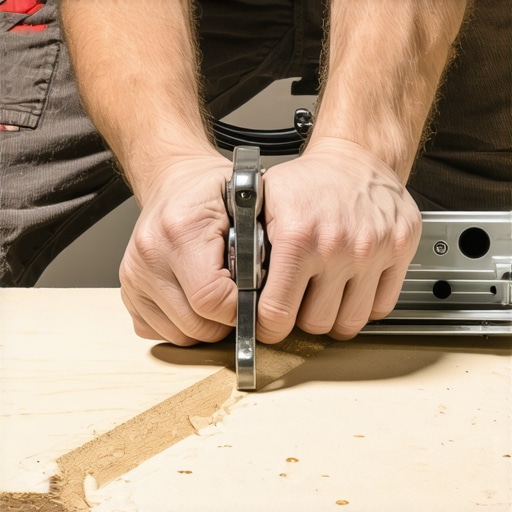
Ever spent hours installing your deck fascia only to find those pesky gaps and uneven mitered corners ruining the clean, professional look you envisioned? I’ve been there — frustrated, second-guessing my skills, and wondering if I’d ever get it right. One breezy Saturday, as I stared at my imperfect cut joints, a lightbulb moment hit me: perfect mitered corners aren’t just about fancy cuts; they’re about technique, patience, and understanding the nuances of composite materials.
The Importance of Flawless Corners in Outdoor Living
Getting that tight, seamless joint in your fascia isn’t just aesthetics — it’s about durability and long-term performance. Uneven corners can lead to water infiltration, which inside the frame can cause rot, mold, and ultimately compromise your deck’s integrity. Plus, a polished finish elevates the entire visual appeal of your project, making it look professionally built, not DIY-adjacent. If you’ve ever noticed how some decks seem to have those perfect, crisp corners that make everything look crisp and refined, you know what I’m talking about.
Is Attention to Detail Really Worth the Extra Effort?
Let me tell you — yes, it absolutely is. I once rushed my fascia cuts, thinking I could save time. The result? Gaps that collected dirt and water, leading to early wear. It was a valuable lesson — cutting corners on craftsmanship costs more in the long run. Now, I take pride in getting those corners just right, which is why in this post, I’ll walk you through some tried-and-true techniques that simplify the process and deliver those crisp, clean ends everyone admires.
For more tips on creating stunning outdoor spaces, check out [transform your space with expert deck builder tips](https://deckdesignbuild.com/transform-your-space-expert-deck-builder-tips-for-stunning-outdoor-living). And if you’re considering how to integrate stairs seamlessly into your design, [creating seamless transitions with stairs](https://deckdesignbuild.com/creating-seamless-transitions-stairs-as-key-elements-in-outdoor-living) is a great resource.
Before we dive into the how, I want to make sure you’re not skeptical — I know it sounds like a lot of work, but once you master these techniques, you’ll wonder how you ever did this any other way. Let’s get started on turning imperfect cuts into perfect corners, giving your deck that professional, high-end look it deserves.
Set Up a Precise Cutting Station
Begin by organizing your workspace with a sturdy workbench and securing your miter saw. Use clamps to stabilize the stock. I once tried to cut fascia on a wobbling table, resulting in uneven edges; since then, I learned that stability is crucial for accuracy. Ensure your saw is calibrated correctly, aligning the blade angle for perfect 45-degree cuts, which are standard for corners. Using a square guide can also improve precision.
Measure and Mark Carefully
Measure the length of each fascia piece accurately, accounting for any overhang or special angles. Use a sharp pencil or chalk for marks, and double-check measurements before cutting. I once rushed measurements and had to redo an entire side, which delayed my project but taught me the importance of patience in measurement accuracy.
Cutting the Fascia Pieces
Set your saw for a 45-degree cut and make slow, steady passes. Keep your hands clear and follow the marked lines carefully. For angled corners, measure the exact miter angles required; sometimes, a 44.5-degree cut is necessary depending on the soffit or fascia design. I once miscalculated the angle and ended up with a gap, which I corrected by sanding the joint for a better fit.
Dry Fit to Check Fits and Joints
Before permanently attaching, dry-fit the pieces to see how they come together. Adjust as needed—small adjustments like sanding or fine-tuning can make a big difference. My experience with a tight fit taught me that patience during dry fitting prevents costly mistakes during final installation.
Assembly and Securing the Corners
Apply adhesive to the mitered edges if desired, then join the pieces at the corners. Use clamps to hold the joint tight while fastening with appropriate nails or screws. Ensure fasteners are flush to avoid surface imperfections. I once used too long nails and damaged the fascia surface; now, I measure fastener length carefully to prevent this.
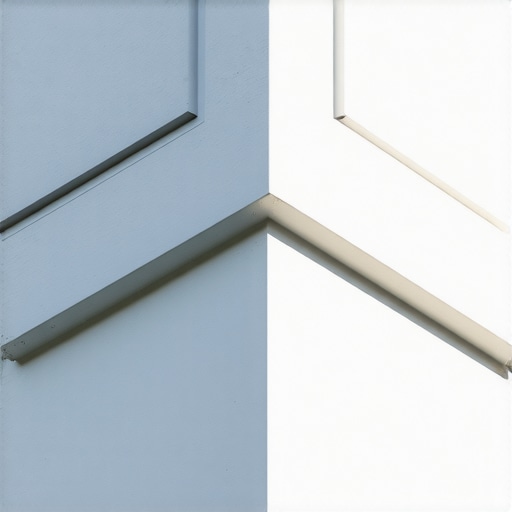
Close-up of mitered corners on composite fascia, showing precise cuts and seamless joint.While many DIY enthusiasts believe they understand the basics of building decks and stairs, there’s a layer of nuance that often goes unnoticed, leading to costly mistakes. One common myth is that using standard fasteners and generic cuts guarantees a professional finish. In reality, details like proper screw depth and miter accuracy are critical for long-lasting, visually appealing results. For instance, I once overlooked the importance of precise screw placement, resulting in surface blemishes that took hours to fix. Don’t underestimate the impact of small missteps—skimping on these nuances can compromise structural integrity and aesthetic quality.
Another trap many fall into is assuming all composite decking is alike. The truth is, not all materials perform equally under different climates. According to a 2024 study by the Outdoor Living Research Group, capped polymer composites with mineral cores resist moisture and UV damage far better than cheaper alternatives, ensuring your project endures for years.
What Advanced Techniques Can Elevate Your Deck Construction?
Expert builders incorporate hidden supports and precise framing techniques that enhance stability without sacrificing style. For example, installing double rim joists at the edges creates a stronger frame and cleaner look, especially around stairs and fascia. Also, understanding the importance of proper spacing between boards, especially in variable temperatures where expansion occurs, can prevent warping and buckling. This subtle detail often escapes DIYers but is vital in your project’s longevity. Want to learn more about optimizing your deck design? Check out this guide on maximizing outdoor space.
A common oops is neglecting proper drainage, which can accelerate rot in wooden framing or cause water pooling on composite surfaces. Elevating your joists and installing drain holes in deck stairs acts as a simple yet effective solution—something I learned the hard way. For advanced builders, incorporating a drainage mat under the decking can also prevent moisture buildup, extending the lifespan of your materials. Don’t fall into the trap of overlooking these critical details; they make all the difference in creating a durable outdoor haven.
Finally, many underestimate the complexity of seamless transitions between staircases and decks. Achieving flush connections with careful measurements and professional framing techniques unlocks a look that feels integrated and polished. For ideas tailored to your project scale and budget, explore this resource on seamless transitions. Remember, mastering these nuances not only elevates your craftsmanship but also ensures safety and functionality for years to come.
Have you ever fallen into this trap? Let me know in the comments.Maintaining a beautiful and durable outdoor deck requires the right tools and a consistent routine. One of my go-to instruments is the laser level; it ensures all framing and surface alignments are perfectly straight, saving me hours of rework. Additionally, a high-quality pneumatic nail gun speeds up fastening tasks while reducing user fatigue, which is crucial during large projects. For cleaning composite decking, I recommend a soft-bristle deck brush paired with a gentle, biodegradable cleaner—avoiding pressure washers that can damage surface layers over time.
How do I maintain my deck over the years?
Regular inspections are vital; check for loose fasteners, inspect for water damage, and address stains promptly. I also find that applying a UV-resistant, waterproof sealant every two years keeps the decking looking fresh and extends its lifespan. As trends advance, we’re seeing smarter maintenance solutions, such as embedded moisture sensors that alert you when areas need attention, much like the innovations highlighted in the 2025 composite decking trends report. Incorporate these tools and habits into your routine, and you’ll enjoy a stunning, long-lasting outdoor space. For detailed guidance on selecting the best hardware and maintenance practices, visit our expert tips page. Don’t hesitate—try out using a laser level for your next project and experience the difference precision makes.
Overcoming the illusion that flawless deck fascia corners come solely from premium materials or complex tools is a realization that transformed my approach to outdoor projects. The real secret lies in refined technique and patience, turning a DIY challenge into a source of pride and durability. Through years of trial, I discovered that micrometric adjustments and understanding material behavior elevate your finishing game beyond the amateur level.
Lessons That Changed My Approach to Deck Fascia
- Precision Over Speed: Rushing through cuts leads to gaps and uneven joints. Slowing down the process allows for better control and cleaner fitting.
- Dry Fitting Is Your Best Friend: As tempting as it is to fasten immediately, dry fitting your mitered pieces reveals hidden gaps and misalignments, saving time on corrections later.
- Master the Miter Angle: Even a slight deviation from 45° can cause unsightly gaps. Use a high-quality miter saw calibrated regularly for consistent results.
- Material Dynamics Matter: Composite fascia expands and contracts differently than wood. Incorporate small allowances in your measurements to accommodate these changes.
- Embrace Small Gaps for Water Management: Slight gaps at corners can help with drainage, preventing water pooling and rot—yes, even in composite installations.
Tools and Resources That Elevate My Deck Work
- A quality compound miter saw has been crucial for precise cuts, offering repeatability and safety.
- A good square and calibrated angles help me ensure symmetry, especially on uneven terrain.
- Dry-fitting planks and joints with clamps and wedges allows for adjustments before permanent fastening.
- Online tutorials and expert blogs have offered invaluable insights that no shop manual provides.
Keep Your Drive Alive: Turn Challenges into Triumphs
Building perfect fascia corners isn’t just about aesthetics; it’s an investment in your deck’s longevity and your own crafting confidence. Every imperfect cut is an opportunity to learn, adapt, and become more skilled. Remember, the difference between a good deck and a great one often lies in those tiny finishing details. Embrace the process, celebrate small successes, and watch your outdoor space transform into an elegant retreat. Ready to tackle those corners with newfound confidence? Share your experiences below or ask for advice—we’re in this journey together!