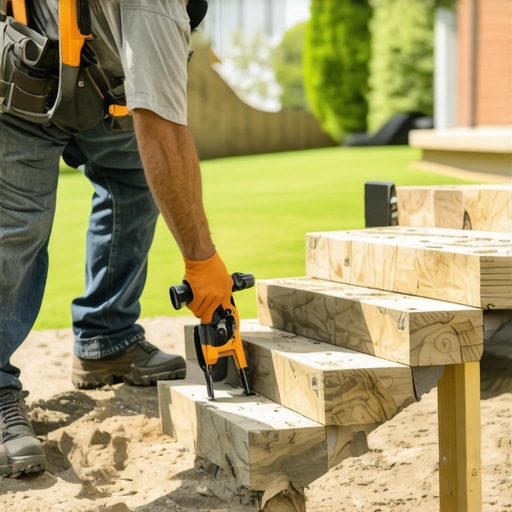
It was a hot summer day when I first realized one of my most frustrating outdoor projects—building deck stairs on uneven ground—wasn’t going as smoothly as I’d hoped. I vividly remember standing there, gazing at my uneven staircase, feeling that familiar mix of disappointment and determination. That moment was a lightbulb for me: why is it so challenging to get perfect, level stairs when the ground isn’t perfectly flat? As a DIY enthusiast and someone passionate about outdoor living, I knew I wasn’t alone in this struggle.
The Secret to Level Deck Stairs on Sloped Terrain
Navigating the world of deck building, especially on sloped ground, can feel like an uphill battle—literally. I’ve learned from years of trial, error, and a few mishaps that achieving perfectly level stairs isn’t just about aesthetics; it’s about safety, durability, and making your outdoor space truly inviting. In this post, I’ll share my personal strategies and insights to help you conquer this challenge and create the deck stairs you’ve always envisioned.
Is It Really Worth the Hassle to Level Stairs on Sloped Ground?
Trust me, early on I made the mistake of underestimating the importance of proper leveling. It’s tempting to cut corners or hope that shimming the steps later will do the trick. But I found out the hard way that uneven stairs can lead to tripping hazards, uneven wear, and a look that screams DIY amateur. Did you know, according to home safety experts, improperly built stairs are a leading cause of trips and falls outdoors? This realization pushed me to refine my approach.
If you’ve ever faced the frustration of trying to make uneven steps look right, you’re not alone. The good news is, with a few key techniques and a bit of patience, you can achieve a level, safe set of stairs even on the most sloped ground. Ready to dive into the steps that turned my decks from wobbly to wow? Let’s start with understanding the root of the problem and how to address it from the ground up.
Build a Solid Base with Proper Site Preparation
Begin by clearing the area and marking the location of your stairs. Use a long level or a string line to identify the highest point and the slopes. When I built my deck stairs last summer, I first measured the highest ground point and marked it with stakes. From there, I chalked a level line across the slope, which became my reference for all subsequent measurements. This preplanning prevents surprises later and ensures your stairs will be level regardless of uneven terrain.
Set the Stringer Layout Carefully
Use a combination square or framing square to lay out your stringers, the inclined supports that hold the steps. On uneven land, I cut the top of each stringer at different heights to match the slope, ensuring the treads sit evenly. Think of the stringer as a runner on a hill: you want the top end to match the highest point, with the rest pitched accordingly. Secure these stringers temporarily and double-check with a builder’s level, adjusting as needed before final attachment.
Adjust the Ground and Frame for Stability
Next, prepare the footing for each stringer. Dig holes for concrete if necessary, especially on loose or sloped ground, to prevent shifting over time. When I did this, I used adjustable deck piers that allowed me to tweak their height; this made leveling much easier. Level each footing individually, ensuring the top of the structure will be perfectly horizontal. This step is crucial: a slight miscalculation here can make your stairs uneven or wobbly. Use a transit level for accuracy over longer spans, especially on large decks.
Install Treads with Precise Leveling
Once the stringers are secured, cut your treads to match the width of your stairs. Place each tread on the stringers, then use shims or spacers to level each one. I recommend choosing composite decking for low maintenance; however, you must ensure each board is perfectly flat. Use a carpenters’ level on each board, and shim as needed underneath. If you’re working with uneven ground, adding small vertical spacers between the ground and the lowest part of the tread can compensate for dips or rises.
Fine-Tune and Secure Everything
With your steps approximately in place, step back and check the overall levelness. Walk up and down the stairs, observing any wobbling or unevenness. In my experience, small adjustments—like adding or removing shims—make a big difference. Once satisfied, fasten the treads securely with corrosion-resistant screws and ensure the stringers are bolted tightly to the deck frame. This tight fit prevents wobbling over time and prolongs the lifespan of your stairs.
Apply Finishing Touches for Safety and Style
Finally, inspect your stairs for any sharp edges or loose components. Consider installing non-slip stair treads or grip tape, especially if your climate sees a lot of rain or frost. Proper lighting enhances safety, making your steps visible at night. For a professional finish, explore different top stair designs to complement your overall deck aesthetic. With careful planning and these concrete techniques, your outdoor stairs will be safe, stylish, and perfectly level—even on the most uneven ground.
While many DIY enthusiasts believe they understand the basics of composite decking and outdoor stairs, real craftsmanship requires attention to nuanced details that often trip up even seasoned builders. A common misconception is that choosing the most popular composite brand guarantees durability; however, experts emphasize that installation techniques and environmental considerations are far more critical. For example, improper spacing between boards can lead to warping or buckling under temperature fluctuations, contradicting the widespread myth that composite materials are completely maintenance-free. Additionally, many assume that standard fasteners are sufficient for coastal or high-moisture environments, but specialists recommend stainless steel or aluminum fasteners to prevent corrosion and ensure longevity.
A lesser-known but impactful mistake involves the framing and support structure of stairs. Overlooking slight elevation differences at the ground level can cause misalignment over time, resulting in wobbling or uneven risers. This is especially true if one fails to account for ground movement or soil settling, which can compromise the stability of the entire structure. Advanced deck builders know that detailed site prep, such as installing adjustable piers and accurately leveling each component, is essential to avoid this trap.
Consider also the importance of slope and drainage. Miscalculating water runoff or neglecting proper flashing detail can lead to water infiltration, damage, and rot, especially at deck joist ends or beneath stair landings. Experts suggest integrating dedicated drainage systems and using vapor barriers to mitigate these risks—something many overlook during initial planning.
Furthermore, the illusion that composite decking is inherently safer for stairs may lead some to neglect critical safety features like adequate riser height, non-slip surfaces, and proper lighting. Slight variations here can impact safety dramatically. For instance, stairs with inconsistent riser heights may cause trips, undermining the presumed safety advantage of composite materials.
Finally, one of the most insidious errors is ignoring local building codes and manufacturer guidelines. Relying solely on personal intuition instead of official standards can result in code violations, fines, or unsafe structures. May I remind you to consult your local regulations or an experienced professional deck builder for expert insights.
In summary, understanding the subtle, often overlooked nuances in composite decking installation and outdoor stair design is key to long-term success. By paying attention to detail—like appropriate framing, drainage, and code compliance—you’ll avoid costly mistakes and build a truly durable outdoor space. Have you ever fallen into this trap? Let me know in the comments.
Keep Your Deck in Top Shape with the Right Tools
Maintaining a durable and beautiful outdoor space requires more than just initial construction finesse; it demands consistent upkeep using targeted tools. One of my personal favorites is a high-quality digital moisture meter. This device helps me monitor the moisture content in my composite decking, ensuring that I catch potential issues like warping or mold before they become costly repairs. I prefer models with an instant-read display—this saves time during inspections and provides precise readings. Regularly checking moisture levels is crucial since moisture accumulation can accelerate material degradation, especially in humid climates.
Another indispensable tool is a deck brightness and cleanliness sensor. Though less common, these sensors help evaluate light reflection and cleanliness, critical factors for maintaining safety and aesthetics. A clean surface with proper slip resistance significantly enhances safety, especially in high-traffic or outdoor entertaining areas. An electric pressure washer with adjustable nozzles allows me to refresh the surface without damaging the finish—just ensure you use a low-pressure setting and appropriate cleaning solutions. This approach extends the lifespan of composite boards and outdoor stairs, preventing buildup that can harbor mold or lead to slips.
Harnessing Technology for Hassle-Free Upkeep
Software plays a significant role in managing ongoing maintenance. I recommend laptop-based project management tools like deck project planners that track maintenance schedules, replacement timelines, and suppliers. Utilizing digital calendars with reminders ensures you don’t neglect routine tasks such as reapplying protective finishes or inspecting fastener tightness. Over time, these small interventions preserve your deck’s structural integrity, saving you from expensive repairs and extending the overall lifespan.
Looking ahead, the future of outdoor living maintenance will likely lean heavily on smart technology. From automated moisture sensors that communicate with your smartphone to AI-powered inspections, the potential for proactive care will grow. Investing in these emerging solutions now positions you for long-term success while reducing manual effort.
How do I keep my outdoor living space functioning reliably over time?
Implementing a systematic maintenance routine fueled by the right tools and tech is vital. Start by integrating moisture monitoring devices during regular inspections, and leverage modern project management apps to set up ongoing schedules. Additionally, staying updated with trends, such as composite decking trends for 2025, helps you adopt innovative solutions early. Remember, the key is consistency—small, consistent efforts boost your outdoor space’s resilience and beauty over the years. For instance, try regularly applying a protective sealant specifically designed for composite surfaces, which can prevent fading and surface wear, especially if you live in a region with intense sunlight. Want to take your maintenance game to the next level? Consider investing in a smart sensor system that alerts you when moisture reaches problematic levels, drastically reducing emergency repairs and preserving your investment in outdoor living.
The Hardest Lesson I Learned About composite decking,stairs,outdoor living,deck builder
One of the most valuable lessons I discovered was the significance of meticulous site prep. Rushing this step or assuming ground adjustments aren’t crucial can lead to wobbly or uneven structures down the line. Taking the time to level, compact, and stabilize the ground not only saves frustration later but also extends the lifespan of your deck and stairs.
Precision Matters More Than You Think
Initially, I believed that measuring and cutting were the most critical parts. However, I realized that even minor miscalculations in the framing or support placement can ripple into major issues—like uneven steps or structural instability. Investing in good tools and double-checking measurements can make a world of difference.
3 Myths About composite decking,stairs,outdoor living,deck builder That Held Me Back
First, the idea that composite decking doesn’t require maintenance is misleading. While easier to care for than wood, it still benefits from proper cleaning and occasional inspections. Second, many assume that all fasteners are interchangeably suitable, but stainless steel fasteners are crucial in coastal environments to prevent corrosion. Lastly, I used to think that complicated designs were only achievable by pros, but with the right knowledge, many stunning custom features are within reach for DIYers like us.
Embracing Local Regulations and Expert Advice
Skipping local building code checks might seem tempting to save time, but it’s a mistake. Non-compliance can lead to unsafe structures or costly modifications later. My experience has shown that consulting with a professional and reviewing guidelines ensures your project is both safe and durable—plus, it gives peace of mind.
Where to Go from Here
If you’re eager to elevate your outdoor living space, I recommend exploring the latest trends in composite decking for 2025. Upgrading your skills and knowledge will empower you to tackle projects confidently, knowing that every detail counts. Remember, your outdoor space is an extension of your home—making it safe, stylish, and inviting is a worthwhile investment.
So, what’s one detail you’re ready to refine in your next deck or stair project? Share your thoughts below—I’d love to hear your plans and help troubleshoot any hurdles!