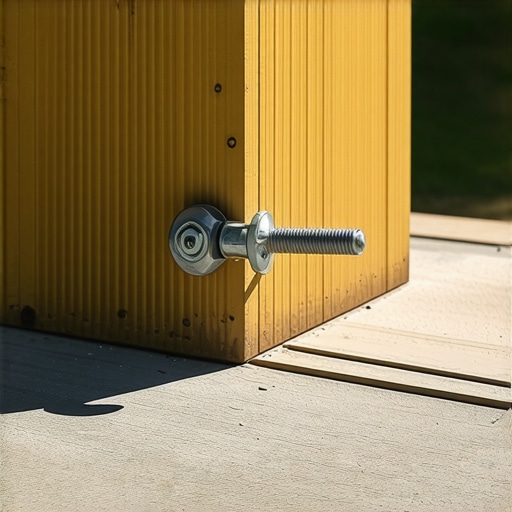
There was a morning not too long ago when I stepped onto my deck and immediately felt that unsettling wobble. At first, I thought it was just the boards settling, but as I inspected closer, I realized the pain point — a loose railing post. It hit me then: one simple bolt, just one, could have been the difference between a safe outdoor relaxation spot and a potential hazard. It’s a lightbulb moment many homeowners overlook until it’s too late.
The Hidden Danger of Ignoring Railing Post Security
This realization isn’t unique to me. Many outdoor living enthusiasts have, at one point or another, skipped over the importance of properly securing their deck’s railing posts. Why? Because it’s not the most glamorous part of deck-building, and it’s easy to think a few nails will suffice. But when a sturdy post wobbles, it compromises not only the safety of everyone on your deck but also the integrity of the entire structure. According to the Consumer Product Safety Commission, deck-related injuries are surprisingly common, often caused by poorly secured railings or unstable posts. That’s a stark reminder: overlooked details can turn an enjoyable space into a dangerous one.
I’ve learned from personal experience that a tiny detail — the right bolt — can save you from costly repairs and prevent accidents. The good news? Once you understand which bolt to use and how to install it correctly, you can avoid these problems entirely. So today, I promise to share my insight on the one bolt you need to secure your deck railing posts effectively, ensuring your outdoor space remains safe, sturdy, and beautiful for years to come.
Are You Falling for the Myths About Deck Fasteners?
Early on, I made the mistake of thinking that standard nails or generic screws could do the job. Spoiler: they can’t — especially for critical components like railing posts that endure the elements and daily use. Trust me, choosing the proper fastener is essential for durability. Want to avoid common pitfalls? Keep reading; I’ll walk you through the best methods to pick and install the right bolt for your deck.
Now, let’s dive into the step-by-step process that will give you peace of mind and a deck you can enjoy safely and confidently. Wondering if your current setup is up to the task? Let’s find out.
Identify the Right Bolts Before Starting
My first step involved assessing the existing railing posts. I measured the diameter of the post holes and checked the manufacturer’s recommendations. It’s essential to match the bolt size and type precisely; using the wrong fasteners could compromise safety. I remembered that, unlike common nails, lag bolts or through-bolts are ideal for securing heavy-duty railing posts, especially in outdoor conditions. This initial step saved me from ordering incompatible hardware and ensured a proper fit.
Remove Old or Loose Fasteners Carefully
When I approached the railing, I carefully unscrewed any outdated or rusted nails and screws using a cordless drill with a socket adapter. Applying steady pressure avoided damaging the wood. It’s comparable to extracting a stubborn seed from soil without disturbing surrounding plants. Proper removal prevents future issues like splitting or weakening the post, which can occur if old fasteners are left in place.
Align the Post and Mark Drilling Spots
Aligning the post correctly is crucial. I checked the vertical plum using a level and marked the drill points on the post with a pencil. Precise marking ensures the bolt passes through the center of the post, providing maximum strength. Think of this step as laying out the foundation for a building—accuracy here determines stability in the long run.
Drill Pilot Holes with Precision
Next, I drilled pilot holes at the marked points, using a drill bit that matched the bolt’s diameter. Drilling a smaller hole prevents splitting the wood and makes inserting the bolts easier. I didn’t rush this step; instead, I clamped the post to a sturdy work surface to prevent movement, ensuring clean, straight holes—like creating a guide track for smooth assembly. A well-executed pilot bore reduces the risk of damaging the post during fastening.
Insert and Tighten the Bolts Securely
With the pilot holes ready, I threaded the lag bolts through plumbing and into the post. Using a socket wrench, I tightened each bolt until snug, but not overly tight—over-tightening could squeeze the wood and cause cracks. I recall that, similar to tightening a bicycle axle, even pressure is key. Using a torque wrench can help apply consistent force, ensuring each bolt holds the post firmly without inflicting damage. This step culminates in a secure, wobble-free railing that can withstand years of outdoor use.
Check Stability and Adjust as Needed
Finally, I tested the stability by gently applying pressure to the railing. If movement persisted, I made slight adjustments, tightening bolts incrementally. This ensured no loose spots remained. Regularly inspecting these bolts over time is like scheduling maintenance—preventing surprises before they become hazards. Remember, sturdy railing posts are the backbone of any safe deck, and using the right bolts combined with proper installation techniques guarantees longevity and peace of mind.
For more insights on durable deck construction, consider exploring choosing the right composite decking or consulting with a professional deck builder to refine your outdoor project.
,While many homeowners focus on choosing the right composite decking and stylish stairs, there are nuanced pitfalls even seasoned pros sometimes overlook. For instance, a prevalent misconception is that all composite materials behave identically under prolonged sun exposure. However, studies show specific formulations contain UV inhibitors that degrade faster if not properly selected, affecting aesthetics and structural integrity over time. Recognizing these subtle differences can significantly extend your outdoor space’s lifespan. Moreover, many assume that professional deck builders always recommend the most popular brands, but experienced builders often tailor material choices based on climate-specific performance, wind loads, and foot traffic. This personalized approach ensures durability beyond generic solutions, leading to fewer maintenance surprises. Beware of the trap where homeowners upgrade their decks without considering drainage patterns, leading to water pooling and eventual rot, especially under stairs or near foundation walls. Proper slope and drainage solutions are often underappreciated but crucial details. Also, advanced builders avoid common mistakes like insufficient joist spacing, which can cause composite boards to warp or crack prematurely. Maintaining tight tolerances during framing is essential for a flawless finish and long-term stability. For those venturing into stairs design, forget cookie-cutter layouts; integrating innovative railing systems and seamless transitions enhances both safety and curb appeal. Consult resources like [creating seamless transitions in outdoor living](https://deckdesignbuild.com/creating-seamless-transitions-stairs-as-key-elements-in-outdoor-living) or [expert tips on composite decking](https://deckdesignbuild.com/choosing-the-right-composite-decking-for-durable-low-maintenance-outdoor-areas) to elevate your project. Remember, understanding these hidden nuances helps you avoid costly mistakes and assures a truly professional outcome. Have you ever fallen into this trap? Let me know in the comments.
Maintaining a beautiful and durable outdoor living space requires more than just good materials; it demands the right tools and a strategic approach. Over the years, I’ve discovered that investing in high-quality equipment not only streamlines the process but also ensures long-term results that stand up to the elements. Today, I want to share the essential tools I rely on to keep my decks, stairs, and outdoor areas in top shape, along with insights on how these tools can elevate your project.
Power Drills and Impact Drivers for Precise Fastening
My go-to power tool is a high-torque impact driver, specifically the DeWalt Xtreme Subcompact Impact Driver. Its compact size allows easy handling in tight spots, and the power ensures that lag bolts securing railing posts or framing work are driven without stripping or slipping. The impact mechanism provides consistent torque, reducing user fatigue during extended sessions. For drilling pilot holes, I prefer a variable-speed drill like the Bosch PCC520B 12V Max 3/8 Inch Drill/Driver—small but mighty, it offers precision and control, essential for avoiding splits in composite decks or pressure-treated wood. These tools are reliable, durable, and backed by excellent warranties, making them worth the investment.
Specialized Fastening Systems for Longevity
Fasteners are critical when it comes to long-term performance. I recommend using corrosion-resistant lag screws and hidden fasteners tailored for exterior use. For deck framing, stainless steel or coated screws like the GRK FASTEX Outdoor Screws offer superior resistance to rust, especially in coastal or humid environments. For installing composite decking, I favor snap-lock hidden fasteners—they create a clean surface while preventing moisture infiltration beneath the boards, prolonging their lifespan.
Laser Leveling and Measurement Equipment
Accurate leveling is vital for both safety and aesthetics. I trust the Bosch GPL 3.0 Laser Level. Its self-leveling features and visible laser lines help me achieve perfect horizontals and verticals, especially when aligning stairs or installing railing systems. Precise measurement reduces errors and saves time during setup, ensuring your deck remains structurally sound over years of outdoor exposure. As a rule of thumb, investing in quality measurement tools pays off in both the short and long term.
Power Saws Designed for Composite Materials
When cutting composite boards, I use a DeWalt DCS577 Flexvolt Cordless Circular Saw. Its adjustable bevel allows me to make accurate angled cuts without hassle, and its blade is optimized for plastic-rich materials, preventing melting or chipping. A quality saw with a sharp blade minimizes waste and ensures precise cuts—crucial for seamless transitions and professional finishes. Remember, a clean cut is not just aesthetic; it also reduces the risk of cracks and water intrusion.
Future of Deck Maintenance Tools and Techniques
Looking ahead, I predict smart technology will play a bigger role in outdoor maintenance. Devices equipped with sensors can monitor structural integrity and alert homeowners before problems escalate. Incorporating such tech can save significant repair costs and extend your outdoor living area’s lifespan. Stay tuned to innovations that combine traditional craftsmanship with digital precision, helping you maintain your deck efficiently and effectively.
How do I sustain my outdoor spaces over time?
One advanced strategy I recommend is regular application of protective coatings, like a high-quality sealant for composite surfaces. Using tools such as a foam roller or a sprayer like the Chaplin 1400 Watt HVLP Spray Gun ensures even coverage without waste. This not only preserves the appearance but also reinforces resistance against UV damage and moisture infiltration. Incorporate routine inspections into your maintenance schedule; check for loose fasteners, signs of rot, or warping, and address them promptly. These small, consistent efforts will keep your outdoor spaces looking great and functioning safely for decades.
Ready to take your deck maintenance to the next level? Try using a laser level for perfect alignment or a power impact driver with torque control to save time and effort. These tools transform the often daunting task of outdoor maintenance into a streamlined, satisfying process. For more detailed insights on durable decking solutions, be sure to explore our guide to selecting the right composite decking—you’ll see how proper tools help every step go more smoothly.
What I Wish I Knew Before Building My First Deck
One of the biggest lessons I learned is that attention to detail, especially when it comes to fasteners and drainage, can make or break your outdoor project. I initially underestimated the importance of choosing corrosion-resistant hardware, which led to early rusting and loose railing posts. Now, I always prioritize high-quality fasteners that withstand the elements, saving time and money in the long run.
Another insight was the significance of proper framing and joist spacing. Overly spaced joists caused sagging and warping in my composite decking, highlighting that following manufacturer guidelines isn’t optional but essential. This experience underscored how meticulous planning during framing guarantees a flawless final look and structural integrity.
I also discovered that seamless transitions and consistent lighting can dramatically boost your outdoor area’s appeal. Rather than rushing through measurements for stairs or hoping for perfect cuts, taking the extra time for precise alignment has created safer, more inviting outdoor spaces I genuinely enjoy.
If you’re considering a deck overhaul or new stairs, remember that understanding these nuanced details and investing in proper tools can prevent costly mistakes. For example, using impact drivers and laser levels, as I do, has transformed my approach from tentative to confident, ensuring every piece fits perfectly. Curious how these tips can elevate your project? Keep digging into resources and personal experiences to find what works best for your outdoor space.
My Favorite Tools That Make Outdoor Living Easier
Having a dependable impact driver like the DeWalt Xtreme Impact Driver is a game-changer for fastening railings and securing joists quickly. Coupling this with a laser level such as the Bosch GPL 3.0 helps me ensure everything is aligned perfectly—saving me headaches during installation and down the line. A quality cordless circular saw like the DeWalt DCS577 enables clean cuts on composite boards, reducing waste and enhancing the finished look. Lastly, measuring tools such as the Bosch laser measure give me the confidence that every angle and length is spot-on.
Investing in these tools isn’t just about convenience; it’s about building with precision that lasts through seasons of sun, rain, and wind. If you’re serious about outdoor living, selecting the right equipment makes all the difference — and it’s worth every penny.
Now It’s Your Turn to Create Something Lasting
Every deck, stairway, and outdoor space reflects personal style and careful planning. When you incorporate the lessons learned from experienced builders and invest in high-quality tools, you set yourself up for success. Imagine stepping onto a beautifully crafted, wobble-free railing or enjoying a safe, seamless stair transition — these are attainable goals with the right knowledge and equipment. So, don’t be afraid to start, and remember that each project is a chance to learn and improve for the next.
Are you ready to give your outdoor space the attention it deserves? Share your plans or ask questions in the comments — I’d love to hear about your own deck adventures!