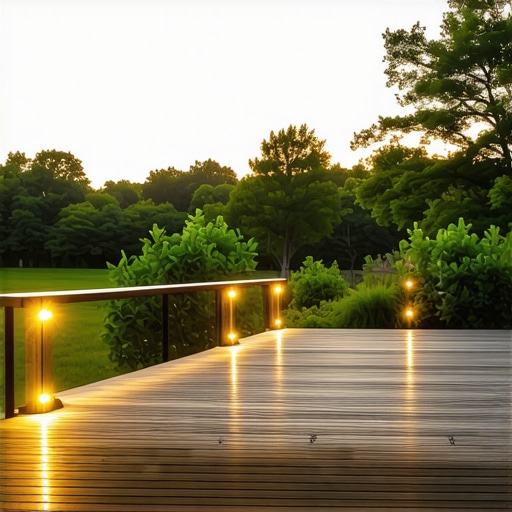
I remember the first time I stepped onto a tiny backyard deck and felt… underwhelmed. It was cramped, awkward, and somehow made the whole outdoor space seem smaller. That lightbulb moment hit me hard: why do some decks feel inviting and expansive while others feel like they’ve been squeezed into a corner? Turns out, it’s often all about the lighting.
Transform Your Deck, Transform Your Space
What if I told you that a simple lighting trick could make your small outdoor area appear much larger—without any costly renovation? Over the years, I’ve experimented with numerous lighting strategies, but one approach consistently stands out for boosting the perceived size and comfort of compact decks. I’ll walk you through how thoughtful lighting can create a sense of openness and sophistication, even on a tight budget.
Is Bright Enough Always Better? Quality Over Quantity
Early on, I made a common mistake—overloading my deck with too many bright, glaring lights. It didn’t look inviting; it looked harsh. I learned that the key isn’t just blasting light everywhere but playing with brightness, color, and placement. Focused, indirect lighting creates depth, casting shadows that give the illusion of a larger space. According to experts, strategic lighting can visually expand outdoor areas by up to 30%. That was an eye-opener for me! Want to see how subtle lighting adjustments can do the same for your deck? If you’re tired of feeling cramped in your small outdoor space, this simple trick might be your game changer.
Have you struggled with making your small deck feel more spacious despite limited square footage? If so, I invite you to explore this lighting approach that has transformed my outdoor living experience and could do the same for you. We’ll dive into the specific techniques next, so stay tuned for actionable tips to elevate your backyard ambience.
Start with Layered Lighting Effects
Divide your lighting into three layers: ambient, task, and accent. I once attempted to light my deck with just bright overhead fixtures, but it felt harsh and small. Instead, I installed warm string lights (ambient), subtle LED strips along stair risers (task), and focused spotlights on plants and features (accent). This layering created depth and an illusion of space, similar to how a professional deck builder might design comprehensive lighting for a seamless look. Incorporate custom composite deck lighting ideas for inspiration.
Use Bright but Soft, Indirect Lights
Bright lights aren’t always welcoming. I replaced my glaring floodlights with soft, diffused LEDs tucked into railings and under the eaves. Think of it like a cozy lantern rather than a spotlight. These indirect lights reduce shadows and make the space appear larger by minimizing harsh contrasts, much like how a well-designed staircase uses stair transitions to connect spaces smoothly. When choosing fixtures, opt for warm color temperatures (around 2700K-3000K) to mimic the glow of twilight.
Expose Architectural Features with Uplighting
Brighten the vertical surfaces — like railings or textured wall panels — with uplights. I once added small spotlights pointing upwards at my deck posts, which created vertical visual interest and made the container plants appear taller. This technique adds perceived depth, making the entire space feel more expansive. For best results, place uplighting around outdoor features and architectural details.
Strategically Place Lights to Create Illusions of Space
Ever notice how adding light between overlapping elements clears the view? I used this principle by installing tiny LED fairy lights along the edges of my deck planks, which visually extends the decking line. Also, avoiding overly bright, uniform lighting helps prevent the space from shrinking visually. Think of it like creating a ‘visual corridor’ that guides the eye further into the yard. Use space-maximizing lighting arrangements to effectively broaden your deck’s appearance.
Incorporate Hidden Lights for Seamless Design
Hidden fixtures not only maintain aesthetic appeal but also produce subtle glow that enhances depth perception. I embedded recessed LED lights in the underside of steps and under rail caps, avoiding cluttered fixtures. This approach is similar to how a skilled deck builder designs seamless outdoor transitions, emphasizing clean lines and flows. Plus, concealed lighting minimizes glare while maximizing the impact of shadows, creating a more spacious feel.
Experiment and Adjust for Optimal Effect
Lighting design isn’t a set-it-and-forget-it task. I spent weekends adjusting the color, brightness, and placement of my fixtures, eventually finding a setup that expanded my deck’s visual boundaries. Use dimmers to fine-tune the ambient brightness and create different moods for evening gatherings or quiet nights. Remember, the key is to mimic natural light patterns and avoid uniform, overly bright settings that flatten spatial perception. Use resources like deck builder insights to refine your technique.When it comes to outdoor decks and stairs, many homeowners and even some DIY enthusiasts fall into familiar traps that compromise safety, style, and longevity. While it’s tempting to stick with popular myths or shortcuts, understanding the nuanced details can significantly elevate your project. Let’s dig deeper into some common misconceptions and advanced mistakes, so you can avoid costly or dangerous errors.
Is there really a one-size-fits-all for deck stairs? Not at all.
Many believe standard measurements suffice for all applications, but experts emphasize that stairs must be tailored to users’ needs and local codes. For example, proper stair design involves considering rise, run, and handrail height to ensure safety and elegance. Overlooking these details can lead to uneven steps or non-compliance, risking accidents and fines. Another common myth is that pressure-treated wood is the only durable option. In reality, selecting advanced composites and ensuring proper framing reduces maintenance and extends lifespan, especially in harsh climates. For a deep dive into suitable materials, visit composite decking choices.
Advanced Mistakes: Overlooking nuance in deck integration
One crucial aspect often ignored is how stairs seamlessly connect with the overall deck design. Many installers neglect proper framing techniques, leading to stability issues over time. Implementing a well-designed ledger board attachment, using corrosion-resistant fasteners, and ensuring level stringers are steps that do more than just meet code—they enhance safety and aesthetics. Missteps here can cause uneven stairs or even structural failure. A subtle yet vital detail involves proper drainage; neglecting it can lead to water pooling around the foundation, accelerating wood rot and inviting pests. Always incorporate drip edges and flashing, as discussed in transition techniques.
What about outdoor living beyond stairs? The secret is in details.
Many overlook how lighting, architectural features, and privacy elements influence the usability of decks and stairs. Incorporating layered lighting not only improves safety but also extends usability into the evening hours, creating a cozy atmosphere. Moreover, embedding hidden fixtures for a seamless appearance or designing custom privacy screens elevates the space from functional to luxurious. Remember, the key to lasting outdoor spaces is acknowledging these nuanced elements during planning and execution, not just as afterthoughts. For inspiration and professional insights, explore outdoor living tips. Have you ever fallen into this trap? Let me know in the comments.Maintaining your outdoor deck and stairs over time requires the right tools, consistent methods, and a strategic approach. From selecting specialized cleaning equipment to using software designed for project management, efficiency is key. I personally rely on a high-quality cordless drill with variable speed settings, which makes tasks like installing new fixtures or adjusting existing hardware effortless. For cleaning, a composite-friendly pressure washer with adjustable pressure settings allows me to remove grime without damaging the surface—especially important when dealing with newer composite boards that can be sensitive to high pressure. Incorporating digital inspection tools, such as moisture meters, helps monitor wood health and catch potential issues before they escalate, aligning with insights from deck maintenance experts. Prediction-wise, I foresee increased adoption of smart monitoring devices integrated into decking systems, enabling homeowners to receive real-time alerts about structural needs or potential failure points, extending the longevity of their investments. Wondering how to maintain your deck’s safety and aesthetic appeal over the years? Regular inspections combined with the right power tools and software streamline this process. For example, scheduling routine checks with moisture meters and inspecting fasteners with magnetic tools can make a significant difference. As your deck ages, pay close attention to fastener integrity and wood condition—addressing these issues proactively reduces long-term costs and minimizes safety risks. Integrating maintenance routines with digital task management apps can keep your project on track, ensuring timely repairs before minor issues become major hazards. I recommend setting monthly reminders using project management software like Trello or Asana to organize inspections and maintenance tasks efficiently. For improving your ongoing deck care, try implementing one of these advanced tips—like using a moisture meter regularly or upgrading to weather-resistant fasteners—that can save you money and prolong your decking’s life. Taking proactive steps now ensures your outdoor space remains inviting and safe, year after year. Need help choosing the right tools for your deck maintenance? Reach out through our contact form and we’ll guide you through selecting equipment tailored to your project’s needs.
Over the years, I’ve realized that the secret to a captivating outdoor space isn’t just in the materials or design but in how you bring it to life with lighting. One lightbulb moment that transformed my small deck into an expansive oasis was understanding the power of layered, indirect lighting. It’s these nuanced choices—like placing uplights to highlight architectural features or using soft string lights—that create an illusion of space and warmth. If you’ve ever felt that your deck looks cramped despite an elegant design, remember that lighting holds the key to expanding perceived space and elevating ambiance. Incorporating subtle, well-placed fixtures can turn a simple outdoor area into a personal retreat. Ready to illuminate your deck like a pro? Explore the innovative strategies that can make your outdoor living space feel larger and more inviting today!