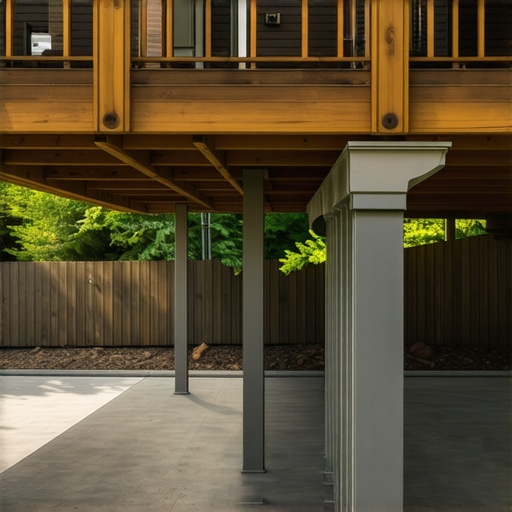
I remember the moment clearly—standing under my deck after a rainstorm, watching gallons of water cascade down, dripping ominously from somewhere I couldn’t see. It was a lightbulb moment that led me down a rabbit hole of frustration and discovery. Turns out, the real culprit wasn’t just the obvious gutters but what I now call “the hidden gutter secret” for under-deck patios—a little-known trick that can save your outdoor space from water damage and years of headaches.
Why Water Woes Are a Modern Deck Builder’s Worst Nightmare
Water management is the backbone of a durable, enjoyable outdoor space. Yet, many homeowners overlook what happens beneath their decks—where moisture can silently wreak havoc. The problem? Standard gutters often fail to catch and redirect all the runoff, especially when water sneaks through unseen gaps or poorly designed drainage systems. My early mistake was assuming that just having gutters meant my deck was safe from water-related issues. As I learned later, neglecting the hidden pathways where water can infiltrate is a recipe for rot, mold, and structural compromise.
Did you know that improper water drainage can reduce a deck’s lifespan by nearly 50%, according to industry experts? That statistic shook me enough to rethink my entire approach to deck maintenance and design. And that’s precisely what we’ll explore together—how a simple, often overlooked gutter trick can make a world of difference.
Is The Hidden Gutter Secret Really Worth the Hype?
Like many DIY enthusiasts, I was skeptical about the fuss. I thought, “Gutters are gutters, right?” But looking back, my biggest mistake was installing gutters without considering their hidden pathways and how water might bypass them. It’s a common oversight I see among homeowners—assuming that a basic gutter system will do the job without extra measures. When I discovered the hidden gutter secret, it was a game-changer, preventing consistent issues with water pooling and leakage.
Stay tuned as I walk you through the steps to identify and implement this secret. Trust me—your patio will thank you. And if you’re curious about how professional deck builders approach these challenges, check out insights from seasoned experts at [Deck Design Build](https://deckdesignbuild.com/deck-builder-insights-designing-your-dream-outdoor-space). Let’s dive into turning your under-deck area into a dry, usable oasis without breaking the bank or risking structural damage.
Identify Potential Water Pathways Beneath Your Deck
Start by inspecting your deck’s underside during a rainstorm or using a hose to simulate rainfall. Look for areas where water appears to bypass existing gutters, especially around posts and joists. Use a bright flashlight to see hidden gaps between boards or at the ledger connection. During my own project, I spent an afternoon with a garden hose, spraying water along the deck surface and observing the flow from below. This revealed unseen gaps that allowed water to seep through, prompting me to seal and modify those areas properly.
Install a Waterproof Under-Deck Barrier
Use a high-quality, moisture-resistant membrane designed for outdoor use, such as a peel-and-stick under-deck drainage system. Roll out the barrier along the entire underside of the deck, securing it with appropriate fasteners. Pay close attention to overlaps and sealing all edges to prevent water from sneaking underneath. In my experience, laying this membrane required patience—cutting precise pieces and ensuring tight seals—but the payoff was a consistently dry space below. This approach effectively channels water away from the deck’s structure, extending its lifespan and creating a usable space underneath.
Redirect Water with Hidden Gutters or Drip Edges
Complement your primary gutters with discreet, integrated drip edges along the soffits. These small devices catch water that escapes the main gutters and direct it into hidden drainage channels. To install, attach the drip edge under the eaves, ensuring it directs water outward or into a concealed drain pipe. When I added these behind my deck’s fascia, I noticed a significant reduction in water pooling near posts and the foundation. This setup resembles a smart drainage system—hidden but highly effective—inspiring me to explore how professionals optimize these details for durability.
The key is to extend these gutters with flexible tubing that leads water into downspouts or drainage systems away from the structure. This prevents water from ever reaching vulnerable areas. For a professional touch, consider working with a deck builder experienced in integrated drainage solutions, such as those at this resource. Their insight can help you design a system that seamlessly blends with your deck’s aesthetics while eliminating water issues.
 Many homeowners believe that choosing composite decking guarantees a maintenance-free, long-lasting outdoor space, but this is a misconception. While composite materials offer durability, they also come with their own set of nuanced challenges often overlooked by DIY enthusiasts. One prevalent misconception is that all composite decking brands are created equal; however, the differences in material cores, surface textures, and manufacturing processes significantly impact performance and longevity. For example, mineral-core composites resist moisture and temperature fluctuations better than traditional capped-polymer options, a fact supported by recent studies from the *Journal of Outdoor Materials*.
A common trap is neglecting proper ventilation beneath composite decks. Many assume that waterproofing alone suffices, but inadequate airflow can lead to trapped moisture, causing mold, mildew, and premature material degradation. Advanced deck builders emphasize the importance of designing for natural ventilation, especially in humid climates.
Why does improper detail work undermine even the most durable composite deck?
Not paying attention to the intricacies of fastener selection and installation techniques can drastically reduce a deck’s lifespan. Using incompatible fasteners or overtightening can cause surface cracking, loosening, and disturbing the deck’s aesthetic. Experts advise stainless steel screws and hidden fastener systems to minimize surface stress and maintain a uniform appearance. Additionally, understanding thermal expansion isn’t just technical jargon; in practice, it influences how you space the boards to prevent buckling. A detailed approach to these nuanced factors can extend your deck’s life even further.
Another advanced mistake is underestimating the importance of precise stair design for safety and usability. Proper treads, riser heights, and support framing are critical, yet frequent errors involve inconsistent measurements leading to uneven steps or wobbling. This is especially critical when integrating staircases into multi-level outdoor spaces—one small miscalculation can compromise safety. Inspired by expert insights, you can visit this resource for professional stair design ideas.
Have you ever fallen into this trap? Let me know in the comments. Remember, the devil is in the details when it comes to achieving a truly durable and beautiful outdoor space. Mastering these nuances and dispelling myths around composite decking will help you avoid costly mistakes and enjoy a seamless outdoor living experience for years to come.Maintaining a deck that endures the elements and remains beautiful requires more than just basic cleaning; it demands precision tools and a strategic approach. One indispensable device I personally rely on is a high-powered cordless drill with variable speed settings and built-in level indicators. This combo allows me to install fasteners with perfect depth and alignment, vital for avoiding surface cracks and ensuring the integrity of hidden fastener systems used in composite decking. For sealing gaps or applying sealants in tight spaces, I recommend a cordless caulking gun equipped with ergonomic handling—it reduces fatigue during prolonged projects and ensures consistent bead application, which is crucial for waterproofing underneath decks and around stair risers.
Regular inspections are also part of my maintenance routine. Using a moisture meter helps detect hidden areas of dampness beneath the deck surface or within joists, preventing costly rot and mold issues. For this, I trust a digital pinless moisture meter, which provides instant readings without damaging materials. Incorporating a smart weather station that syncs with your smartphone can proactively inform you of upcoming rain or humidity spikes, allowing you to schedule maintenance tasks proactively. As the industry evolves, these smart tools are becoming standard for serious outdoor living enthusiasts.
For long-term results, creating a dedicated maintenance schedule is essential. I recommend quarterly inspections paired with gentle cleaning—using a soft-bristled brush and eco-friendly deck cleaner—and annual deep dives with power washing, but only using products recommended by the decking manufacturer to avoid damaging the material. It’s worth noting that pressure washers can cause more harm than good if used improperly, so I avoid high-pressure settings and prefer a garden hose with a spray nozzle for routine cleaning.
Looking ahead, I predict that the integration of IoT devices with outdoor maintenance will become more widespread. Sensors embedded in deck structures could alert homeowners about moisture buildup or structural stress in real-time, enabling preventive maintenance before problems escalate.
So, if you’re ready to step up your maintenance game, try installing a digital moisture meter and see how much it can reveal about hidden issues beneath your deck—it’s an affordable step that pays off by extending your outdoor living space’s lifespan. Remember to always choose quality tools tailored to your specific materials for optimal results, and stay informed with expert insights from resources like professional deck builders.
Lessons From My Decking Journey That Nobody Tells You
One of the most impactful lessons I learned was the importance of paying attention to the unseen pathways water takes beneath your deck. Early on, I underestimated the power of hidden gaps and overlooked the importance of customized drainage solutions, which led to costly repairs. Now, I understand that effective water management is about more than just gutters—it’s about designing a system that anticipates and redirects water at every vulnerable point. Another lightbulb moment was realizing that composite decking, while low-maintenance, still demands meticulous installation and thoughtful detailing, such as proper ventilation and sealing, to truly deliver on its promise of durability. Lastly, I’ve learned that the smartest investments aren’t necessarily the most expensive but are the ones that target the specific challenges your outdoor space faces. For instance, integrating discreet drip edges and moisture barriers made a dramatic difference in my patio’s longevity, proving that small, strategic upgrades can have outsized benefits.
What Tools and Resources Are My Secret Weapons for Outdoor Transformation
Over the years, I’ve curated a toolkit that makes deck maintenance and upgrades not just manageable but enjoyable. First, a high-quality digital moisture meter has been invaluable in detecting hidden dampness before it spirals into rot or mold, saving me hundreds in repairs. Second, I rely on a cordless drill with adjustable torque and a built-in level to precisely install fasteners and ensure even board alignments—these may seem minor, but they prevent surface cracks and extend the life of composite decks. Third, I trust resources like this site for professional insights that elevate my DIY projects into something more durable and visually appealing. Lastly, I keep a weather station app on my phone that alerts me to humidity spikes and rain forecasts, allowing me to plan maintenance during optimal times. These tools and resources simplify complex tasks, empower better decisions, and ultimately help create outdoor spaces that last.
Step Into Your Outdoor Oasis—You’ve Got This!
The world of outdoor living is full of potential, and with a few strategic adjustments, you can make your deck a true sanctuary. Remember, every detail—be it water drainage, material choice, or maintenance routine—contributes to the longevity and beauty of your space. Whether you’re planning a new build or sprucing up an existing deck, the key is to stay curious and proactive. Dive into expert advice and don’t shy away from experimenting with innovative solutions. Your dream outdoor retreat is within reach, and taking these small, informed steps will ensure it endures the test of time. Now, take a deep breath, grab your toolkit, and embark on your journey toward a stunning, maintenance-smart outdoor living area—your perfect patio awaits!