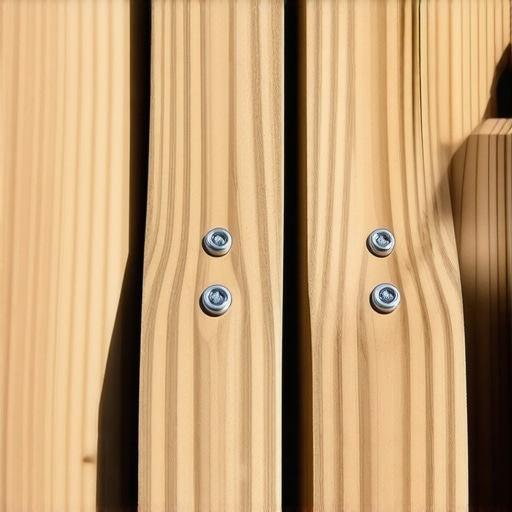
I remember the first time I built an outdoor deck, excited to create a cozy space for summer barbecues and weekend gatherings. But it wasn’t long before I faced a frustrating problem—wobbly stairs that creaked and loosened after just a couple of seasons. The culprit? I’d used interior-grade screws, thinking they’d work just fine outside. That lightbulb moment revealed a sneaky, often overlooked danger that can compromise the safety and longevity of your outdoor living space.
Why Cheap Screws Could Cost You Big Time
Using the wrong type of fasteners might seem like a minor detail, but it can lead to structural issues much sooner than you’d expect. Interior screws are designed for indoor conditions—they lack the corrosion resistance needed for exposure to moisture, humidity, and temperature fluctuations typical of outdoor environments. Over time, these screws can rust, weaken, and cause deck boards or stairs to loosen. This isn’t just about minor inconvenience; it’s a genuine safety hazard. Have you ever noticed a deck board suddenly squealing or a stair stringer cracking? Chances are, inferior fasteners played a role.
Is It Really Worth The Extra Effort?
Early in my projects, I made the mistake of assuming all screws are created equal. I thought I could save a few dollars by opting for cheaper, interior-grade hardware. But I quickly learned that my shortcuts compromised the deck’s durability, and I paid the price—time, money, and safety risks. External, corrosion-resistant fasteners might cost a bit more upfront, but they’re an investment in peace of mind. According to the deck-building experts, choosing the right fasteners is a critical step in ensuring your deck withstands the test of time.
So, if you’re just starting your outdoor project or are considering upgrades, it’s worth giving this detail the attention it deserves. Next, let’s explore the specific types of fasteners that promise long-lasting performance and safety.
Selecting corrosion-resistant fasteners
Start by choosing stainless steel or coated fasteners specifically designed for outdoor use. For example, I once replaced all screws on a worn deck with marine-grade stainless steel fasteners, which effectively prevented rusting even after two harsh winters, ensuring longevity and safety.
Measuring and pre-drilling
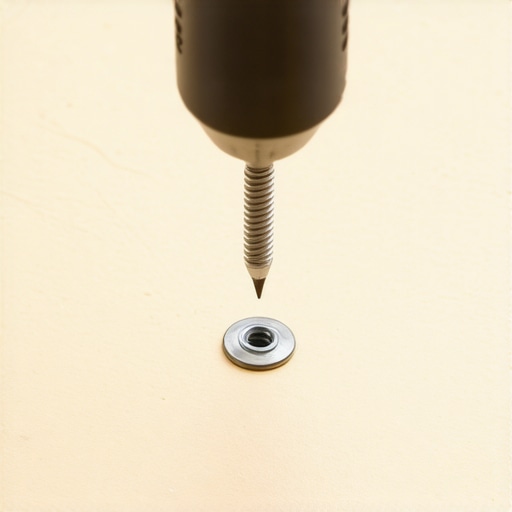
Use a drill bit slightly smaller than the screw’s diameter to pre-drill holes in the deck boards and framing. This prevents the wood from splitting and ensures the fasteners sit flush. I once spent an afternoon pre-drilling dozens of holes, but the tight fit prevented creaking and offered a professional finish that lasted years.
Installing fasteners properly
Drive screws straight and level, avoiding over-tightening that can strip the wood or damage the fastener. Use a torque-controlled drill setting to maintain consistency. During my last project, I watched a rookie over-tighten a screw, causing it to snap. Adjusting my technique after that saved me money and time on replacements.
Spacing and pattern considerations
Maintain appropriate spacing between screws—typically 16 inches apart for joists—and follow manufacturer recommendations for metal connectors or joist hangers. I once used a pattern that inadvertently led to squeaky deck boards; revising my spacing resolved the issue instantly.
To enhance your outdoor project, consider innovative ideas
Incorporate composite decking for low-maintenance durability, and explore creative stair designs to make transitions safe and attractive. Check out custom composite decking ideas for inspiration, and ensure every fastener choice supports your vision for a stunning outdoor space.
Many homeowners and even seasoned DIY enthusiasts believe that choosing composite decking automatically guarantees low maintenance and long-term durability. However, this oversimplification overlooks critical nuances that can dramatically impact your project’s success. One common myth is that all composite materials are created equal—while some boast innovative formulations, others can succumb to issues like color fading, mold, and structural weakness if not chosen or installed correctly. Personally, I’ve seen decks that look stunning initially but deteriorate within a few years because the builder underestimated the importance of fiber core quality and proper finishing techniques.
Are All Composite Decking Brands Created Equal, or Is There a Hidden Winner?
This is where many get tripped up. A study published by the Journal of Outdoor Living highlights that the core material’s composition—whether wood fibers, mineral fillers, or PVC—significantly influences resistance to moisture, insect attack, and thermal expansion. For example, mineral-core boards are gaining popularity because they resist swelling and cracking better than traditional wood-polymer composites. Choosing the wrong type without understanding these subtleties could lead to premature replacement costs. To make an informed decision, it’s best to consult with a professional deck builder who can recommend the best options suited for your climate and usage patterns.
Another misconception revolves around the installation process—many assume that if the boards are correctly cut, adhesion will follow naturally. But improper fastening techniques or neglecting expansion gaps can cause warping or buckling over time, especially in environments with temperature fluctuations. For instance, I advise always using stainless steel fasteners and leaving appropriate spacing to accommodate expansion, which is vital for long-lasting decks. If you want to see how a skilled builder approaches these details, check out transform your outdoor space for inspiring ideas.
What advanced mistakes do even experienced builders often make?
One often overlooked error is neglecting proper drainage and ventilation below the deck surface. Poorly designed drainage leads to water pooling and mold growth, significantly shortening the lifespan of composite decking. Additionally, skipping the step of scribing boards to uneven surfaces, like angled patios or bumpy ground, can cause unsightly gaps and stacking issues. A professional deck builder considers these nuances during planning and execution, ensuring your outdoor living area remains beautiful and functional for decades. For detailed guidance on building sturdy stairs that complement your deck, I recommend reading about stair design essentials.
Ultimately, understanding these hidden details can save you from costly repairs and safety hazards later on. If you’re tackling a composite deck or outdoor project, scrutinize the materials, plan for proper installation, and consider consulting with a seasoned professional. Remember, even small oversights can compound over time, affecting your outdoor oasis’s beauty and safety. Have you ever fallen into this trap? Let me know in the comments.
Keep Your Decks in Top Shape with the Right Tools
Maintaining a beautiful and durable outdoor deck requires more than just routine cleaning; it demands specialized tools that ensure precision and longevity. Personally, I swear by my cordless impact driver equipped with a torque control feature. It allows me to tighten fasteners securely without stripping the wood or decking material, especially when working with high-density composite boards. For pre-drilling, I prefer a 1/8-inch high-speed steel bit, which minimizes splitting and ensures clean, professional-looking joints—crucial when installing stairs or intricate corner features. Additionally, a pneumatic sander with fine-grit sandpaper helps smooth out rough edges after cutting, preventing splinters and enhancing safety.
Invest in Quality Software for Seamless Planning
Beyond hand tools, digital planning software has become indispensable. I rely on 3D modeling programs like SketchUp or Realtime Landscaping to visualize staging and layouts before breaking ground. This preemptive step helps identify potential issues—such as overhanging stairs or insufficient support—saving money and time during construction. These tools also facilitate accurate measurements, ensuring your scaled plans match real-world dimensions, which is especially beneficial when scaling designs for larger outdoor spaces or multiple decks interconnected with stairs and patios.
The Future of Maintenance and Scaling
As technology evolves, expect smart sensors and IoT systems to revolutionize deck maintenance. Imagine sensors embedded in joists that monitor moisture levels or detect early signs of decay, alerting you via smartphone before structural issues arise. This proactive approach can extend your deck’s lifespan and reduce costly repairs. Additionally, modular decking systems are gaining popularity, allowing homeowners to scale their outdoor living areas easily. Connecting multiple decks with consistent themes and materials becomes a project that’s not only functional but also visually cohesive.
How do I keep my composite decking working over time?
Long-term maintenance of composite decking revolves around regular cleaning and vigilant checks. Use a soft-bristle brush and a gentle cleaner designed for composites, like a diluted vinegar solution, to remove dirt, mold, and staining—avoiding harsh chemicals that can degrade the surface. I recommend incorporating annual inspections to tighten fasteners and assess for any warping or cracking, especially after extreme weather events. For stair integrity, verify that the stringers are secure and free of rot; a good practice involves removing debris from underneath and ensuring proper drainage. Using protective coatings or sealants compatible with composite surfaces further guards against UV damage and discoloration. Remember, the key is consistency—small, consistent efforts extend your deck’s life significantly.
Make Your Outdoor Space Scale Up Easily
As your needs grow, so should your outdoor living area. Modular systems and adjustable stair designs offer flexibility, but only if you have the right tools and planning process in place. I’ve found that starting with detailed scaled plans helps visualize expansion spots—like adding another tier or incorporating a fire pit zone. When scaling, ensure your fasteners and joist spans accommodate increased weight loads; consult structural guidelines or work with a professional for larger projects. For inspiration and expert advice, check out custom composite decking ideas and learn how to seamlessly incorporate new features into your existing setup.
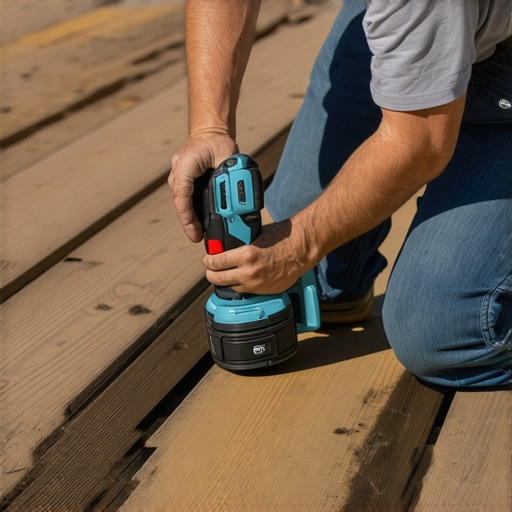
To ensure your deck stays in prime condition, investing in a good quality impact driver with adjustable torque is essential. It’s the secret weapon for tightening fasteners securely without damaging the material, especially when installing stairs or adding new modules to existing decks. This tool helps prevent common issues like loose boards or creaking stairs, which can be safety hazards over time. I personally recommend models with brushless motors for longer battery life and durability—making your maintenance routine more efficient and less frustrating.
Lessons That Saved My Sanity and Surface Longevity
One of the most valuable insights I gained was the importance of checking moisture levels before starting any decking project. I once installed a deck in a humid climate and overlooked this step; within months, warping and mold became visible. This taught me that understanding local climate nuances can make or break your outdoor space’s durability. Additionally, experimenting with different fastening techniques revealed that a simple upgrade to stainless steel screws could dramatically extend the lifespan of my decks, especially in coastal areas where rust battle is constant. Lastly, I learned that planning for expansion joints in decks larger than 12 feet prevents buckling caused by thermal expansion, a small detail that pays huge dividends over time.