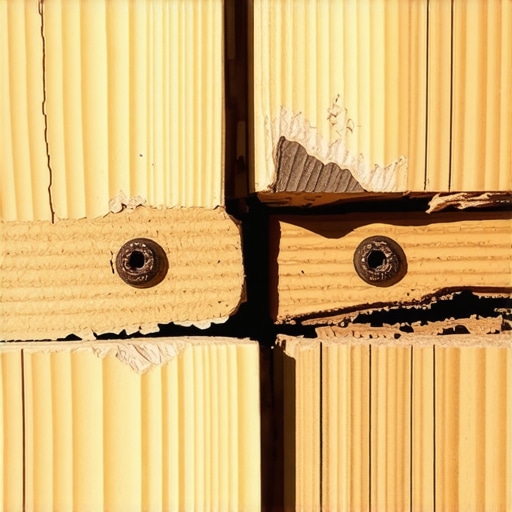
I remember the first time I built my own deck. Excited, eager to get everything just right, I grabbed the first box of screws I could find at the local big-box store. They seemed like a good deal, and I was under the impression that saving a few bucks upfront was a smart move. But months later, I learned a harsh lesson that no amount of savings could undo. My deck, once the perfect weekend getaway spot, started warping, squeaking, and loosening—thanks to those cheap screws that weren’t built to last.
Why Cutting Corners on Deck Hardware Can Cost You Big
Many homeowners and DIYers believe that choosing inexpensive deck screws is a minor decision—just a way to save a few dollars. But that short-term savings often mask the long-term costs. Cheap screws are typically made from lower-grade metals or coatings that don’t hold up to the outdoor elements. Over time, exposure to moisture, temperature changes, and UV rays cause these screws to corrode, weaken, and fail. When that happens, your entire deck is at risk. I learned this lesson the hard way, and I want to help you avoid the same mistake.
Choosing the right fasteners isn’t just about durability; it impacts safety and the aesthetic integrity of your outdoor space. A deck held together with compromised hardware can become unstable, leading to accidents or costly repairs. This is why investing in high-quality, corrosion-resistant screws is a wise decision that can save you thousands down the road.
If you’ve ever noticed your deck boards popping loose or your railing wobbly after a few seasons, chances are it’s due to inferior hardware. Interested in learning how to choose screws that stand the test of time? Keep reading, because I’ll guide you through the crucial differences and the steps to ensure your deck remains sturdy and beautiful for years to come.
Is it really worth paying more for quality screws, or am I just overthinking it?
Early in my project, I made the mistake of assuming all screws were created equal. It wasn’t until I replaced the entire deck after just five years that I realized how critical quality fasteners are. Don’t fall into the trap of thinking that a few extra dollars will break the bank—think of it as an investment in your home’s safety and your peace of mind. According to the ICC (International Code Council), using treated and corrosion-resistant fasteners is a best practice that can extend the lifespan of outdoor structures significantly. Now, I always recommend sourcing screws from reputable suppliers and avoiding the cheapest options on the shelf.
What about you? Have you faced issues with deck stability or boards coming loose prematurely? If so, you’re not alone. The good news is, with a little knowledge and the right materials, you can avoid repeating my mistake. Up next, I’ll walk you through how to identify the best screws for your deck, so you won’t be paying for cheap hardware later.
Choose High-Quality, Corrosion-Resistant Screws
Start by selecting screws specifically designed for outdoor use, such as stainless steel or coated galvanized fasteners. During my initial project, I mistakenly bought cheap, uncoated screws, which rusted within two years, ruining my deck’s appearance and structure. Opting for premium fasteners ensures durability against moisture, UV rays, and temperature fluctuations, much like armored armor protecting your deck’s integrity.
Use Proper Tools and Technique for Fastening
Employ a quality drill with a screwdriver bit that fits your screws snugly. Apply consistent pressure and avoid over-tightening; this prevents damaging composite or wood and ensures even holding strength. I once used a hammer instead of a drill to drive screws into composite decking, resulting in wallowed screw heads and compromised connections, illustrating why proper tools and technique are critical.
Set Screws to the Correct Depth
Adjust your drill’s clutch or use a depth-setting bit to ensure screws sit flush or slightly below the surface. This avoids trip hazards and maintains a smooth deck surface. During a renovation, I failed to set depth correctly, causing unevenness that demanded costly rework. Paying attention to screw depth maintains both aesthetics and safety.
Follow the Manufacturer’s Spacing and Placement Guidelines
Adhere to the spacing specs provided for your decking material—typically 16 inches on center for framing and specific spacing for boards and fasteners. Proper spacing allows for expansion and contraction, reducing warping or cracking. I once neglected to leave enough space between boards, leading to buckling after hot weather. Proper spacing is like giving your deck room to breathe, extending its lifespan.
Anchor Stairs and Railings Securely
Focus on connecting stairs and railings with robust fasteners, such as the 2-bolt system for posts that might wobble, ensuring stability. I added a new set of stairs without reinforcement, and they wobbled within months. Reinforcing these connections prevents accidents and costly repairs later, making your outdoor space safer and more inviting.
Regularly Inspect and Maintain Fasteners
Periodically check for rust, corrosion, or loosened screws. Tighten or replace as needed, especially after harsh winters or storms. During one inspection, I noticed some screws had loosened, causing slight creaks; tightening them restored sturdiness. Consistent maintenance keeps your deck safe and beautiful, avoiding reactive fixes that are more costly.
Consider Professional Help for Complex Projects
For intricate or large-scale decks, consultation with a seasoned deck builder can save time and prevent mistakes. They understand the nuances of proper fastening, especially for multi-level or composite decks. Check out the benefits of working with a professional, to determine when expert input is worthwhile. I once attempted my own complex stair transition without professional guidance, which led to uneven steps; hiring an expert would have ensured precise, durable results.
When designing outdoor spaces, many enthusiasts fall prey to myths that can compromise both safety and aesthetics. One prevalent misconception is that all composite decking is maintenance-free, which isn’t entirely true. While modern composite materials reduce upkeep, they still require proper cleaning and occasional inspections to prevent mold and staining. Relying solely on this belief can lead to overlooked issues that diminish your deck’s lifespan.
Another common mistake involves underestimating the importance of proper staircase design. Many assume that installing standard railings and steps suffices, but advanced considerations like slip resistance, load capacity, and seamless transitions are crucial for safety and visual harmony. For example, installing stairs without addressing proper drainage can cause water pooling, leading to slippery surfaces and wood rot. Curious about how to elevate your stairs effectively? Check out these expert tips.
Let’s discuss a hidden nuance many overlook: the structural integration of decks with existing landscaping. A shallow understanding of load distribution can lead to uneven settling or deck movement over time. Overlooking soil type and drainage can cause settle-in or uplift, jeopardizing safety and requiring costly repairs. An expert approach involves comprehensive site analysis and suitable foundation choices, like pier systems tailored to your terrain. This advanced step ensures durability, especially when working with complex landscapes.
Have you ever fallen into this trap? Let me know in the comments.
Why do many new deck builders underestimate the impact of environmental factors like climate and soil? The answer lies in a superficial understanding of local conditions. Research shows that ignoring site-specific factors can reduce deck longevity by up to 30%. For instance, areas with high humidity and clay soils need specialized footing solutions. To design truly lasting outdoor spaces, it’s vital to integrate these insights into your planning process. For more on expert deck-building strategies, explore these professional tips.
Invest in Quality Tools for Long-Term Results
Having the right equipment is essential for maintaining your outdoor living space efficiently. I personally rely on a cordless impact driver for most fastener applications because of its portability, consistent torque, and ability to reduce user fatigue. Unlike standard drills, impact drivers deliver concentrated power, making tasks like replacing old screws or installing new hardware much easier without stripping heads or causing damage. My go-to model is the Milwaukee M18 Fuel Impact Driver, which features brushless motors for durability and extended battery life—crucial when working on large projects or routine maintenance.
For cleaning and preventative care, a high-quality pressure washer is indispensable. I prefer a model with adjustable pressure settings and a rotating nozzle, which allows me to gently clean composite decking without causing surface etching or damage. Regular cleaning removes debris and mold, extending the lifespan of your materials. Remember, using the right nozzle and pressure prevents dislodging fasteners or damaging the surface finish. An underrated tool in my kit is a tire valve probe, perfect for clearing out clogged drainage holes or weep vents that collect debris over time, preventing water pooling and rot.
Embrace Software for Planning and Design
While manual tools keep your deck in shape, software solutions help plan and visualize your projects long-term. I use SketchUp for 3D modeling of deck layouts, especially when considering modifications or scaling up. Its intuitive interface allows me to check clearances, visualize integrated lighting, or plan stair transitions meticulously. For estimating costs and materials, spreadsheets are surprisingly invaluable; they keep track of fasteners, lumber, composite boards, and other components, making budgeting and ordering more precise. These tools ensure your deck remains functional and aesthetically appealing as you add features or adapt to new needs over time.
Plan for Future Maintenance and Scaling
Designing your outdoor space with maintenance in mind means choosing the right materials and craftsmanship. I recommend sealing composite decking with a high-quality cleaner and brightener every few years, which restores its original color and provides an extra barrier against stains and mold. For framing, using stainless steel or aluminum fasteners reduces corrosion, especially in saltwater or humid environments, which I detail in articles like here. Planning your deck with scalability in mind involves leaving space for future features—like additional seating, built-in lighting, or under-deck storage—so that modifications are seamless and don’t compromise longevity.
How do I maintain my outdoor deck over time?
Consistent inspection is key. Regularly check for loose fasteners, signs of corrosion, or surface wear. Tighten screws with your impact driver, replace rusted hardware, and clean surfaces annually. Additionally, I recommend consulting a professional for periodic comprehensive assessments, especially if you notice any shifting or structural concerns. Remember, proactive maintenance saves money and extends the lifespan, turning your deck into a long-term investment rather than just an occasional project.
Incorporating advanced tools, planning software, and a maintenance routine can dramatically improve your outdoor living space’s durability and beauty. For ideas on how to elevate your entire project, explore these upcoming trends. Start with one smart upgrade—like toggling to impact drivers—and watch your outdoor space flourish for years to come.
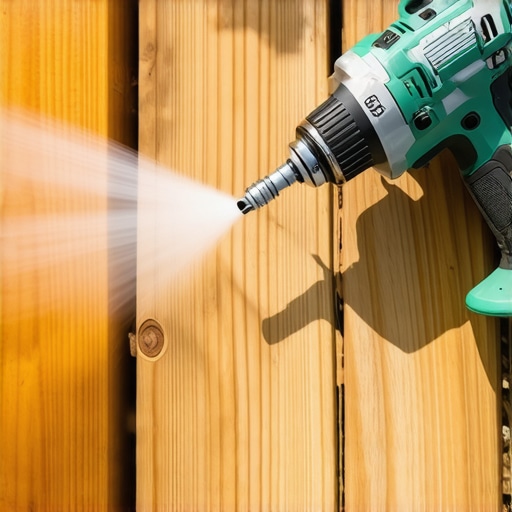
Building a deck isn’t just about laying down some boards and calling it a day; it’s a craft that demands patience, knowledge, and attention to detail. My journey taught me that shortcuts—like choosing the cheapest screws or neglecting proper installation techniques—can turn a beautiful outdoor space into a costly headache. But with the right insights and tools, you can avoid these pitfalls and create a deck that stands the test of time.
Lessons Hidden in My Deck Building Fumbles
- Save smart, not cheap: Investing in high-quality, corrosion-resistant screws initially saved me from endless repairs and safety concerns later. Recognizing the true cost of cheap hardware was a lightbulb moment that reshaped my approach.
- Precision trumps hurry: Rushing through fastener placement or neglecting proper depth alignment compromised my deck’s safety and aesthetic. Patience with tools like impact drivers and setting correct screw depths makes a significant difference.
- Inspect before it’s too late: Routine checkups for rust or loosened screws uncovered issues early, preventing major failures and ensuring ongoing safety. A proactive mindset transforms maintenance from a chore into a safeguard.
- Landscaping matters: Ignoring soil conditions and drainage in site analysis led to uneven settling. Understanding my terrain emphasized the importance of site-specific planning for durability.
- Tools shape outcomes: Using the right impact driver or pressure washer meant fewer mistakes and cleaner results. Personal experience showed that quality tools aren’t just convenience—they’re essential allies in construction.
Gear and Guides That Make a Difference
- My favorite impact driver: The Milwaukee M18 Fuel Impact Driver offers reliability and power, preventing stripped screws and reducing fatigue. It’s an investment that pays for itself in smoother builds.
- Site planning software: SketchUp helped visualize complex deck layouts, ensuring proportions and safety features fit perfectly. Visual planning minimizes errors and maximizes satisfaction.
- Expert resources: I trust articles like creating seamless transitions for stairs for nuanced advice on integration and safety—crucial details often overlooked by amateurs.
- Maintenance tips: Regular inspections and gentle cleaning routines extend your deck’s lifespan. Curious about professional maintenance routines? This guide offers strategies that keep your outdoor space pristine.
Seize the Opportunity, Build Beyond Expectations
Your outdoor living space is an extension of your home and personality. Every nail, screw, and board is an opportunity to craft something that not only looks great but endures through years of seasons and storms. Don’t let past mistakes hold you back—instead, embrace the knowledge that helps your deck age gracefully and safely. Whether you’re planning a simple platform or an elaborate multi-level retreat, remember that thoughtful choices and quality materials make all the difference.
Ready to elevate your outdoor project to the next level? Share your own challenges or successes in building durable decks below—I’d love to hear about your journey.
Explore inspiring ideas and professional tips at these upcoming trends to keep your outdoor space both beautiful and resilient for years to come.