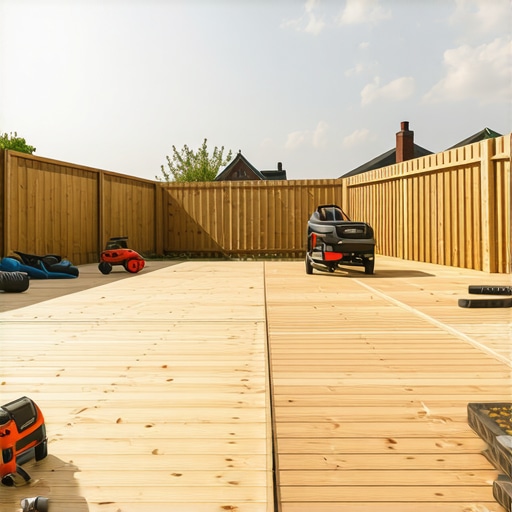
It was a warm Saturday afternoon when I stepped outside and immediately regretted it. My neighbor’s new deck looked great—at first glance. But as I got closer, I noticed the uneven gaps between boards and a peculiar wobble when walking on it. That’s when I remembered the day he rushed to finish that project regardless of permits and inspections. A sudden sense of unease washed over me. Why? Because I had been there before, shortcuts and all, only to pay a hefty price later.
The Real Price of Skipping Permits: More Than Just a Fine
Permits are often seen as a bureaucratic hassle, but they serve a vital purpose. They ensure your project adheres to local safety codes, prevent costly mistakes, and protect your property value. When you skip this step, you might save time and money upfront, but the long-term consequences can be drastic. I learned this the hard way early in my building journey, by assuming that a quick DIY deck wouldn’t attract attention or cause problems. That mistake cost me more than I could have imagined.
Did you know that, according to the National Association of Home Builders, nearly 60% of contractors recommend obtaining permits for outdoor structures to avoid future legal issues and safety concerns? Ignoring permits may seem harmless now, but it’s a gamble with your home’s integrity.
Will Cutting Corners Save You Money or Cost You Everything?
I’ve been there—believing I could sidestep the process to save a few bucks or time. My early mistake was not consulting the local building codes or hiring a licensed professional. That simple oversight led to structural problems down the line, with some parts of my deck sagging under the weight of furniture and foot traffic. It was a wake-up call. Now, I always recommend working with certified deck builders who understand the nuances of local regulations. For insight into choosing the right professional, check out [this guide on working with a skilled deck builder](https://deckdesignbuild.com/the-benefits-of-working-with-a-professional-deck-builder-in-your-outdoor-projects).
So, if you’ve ever wondered whether your outdoor project could come back to bite you, stick around. We’ll explore exactly how to navigate the permit process, avoid costly mistakes, and build a deck that stands the test of time and local codes—no shortcuts required.
Plan Your Deck with Precision
Start by sketching your desired layout, considering space, traffic flow, and future upgrades. Measure your yard carefully to decide on size and shape, and mark the area with stakes and string. For example, I once measured my backyard twice before cutting any wood, which helped prevent costly mistakes later. Creating a detailed plan reduces errors and saves time during construction.
Select the Right Materials for Durability and Style
Choose composite decking for low maintenance and long-lasting beauty. When selecting boards, consider color, texture, and resistance to weather. I once opted for a light-colored composite that stayed cool underfoot, unlike dark options that heat up. Also, incorporate hidden fasteners for a sleek look—this method avoids unsightly screws and promotes even board spacing. Check out this guide for choosing the best composite material.
Prepare a Solid Foundation
Lay out your footings with proper spacing—usually 12 inches apart for residential decks. Use a post-hole digger to set piers or concrete footers below the frost line to prevent shifting. When I built my first deck, I used a laser level to ensure the beams sat perfectly flat, which made installing the flooring much easier. Solid footing prevents future wobbling and structural issues.
Frame the Deck Frame with Care
Assemble the perimeter and inner joists using galvanized or stainless steel fasteners to resist corrosion. Double-joist the perimeter for extra stability—particularly over unsupported spans. Align all components precisely; I once used temporary braces during framing to keep everything square, saving hours of adjustments later. For smooth transitions between stairs and deck, see this article.
Build Safe, Stylish Stairs and Railings
Select stringers that match your deck height and use strong hardware to secure them. For stability, cut stringers with a jig, ensuring consistent angles. When installing stairs, I used adjustable jigs to get perfect rises and run; this prevented wobbly steps and tripping hazards. Consider modern railing designs that maximize space and safety—more info is available at this resource.
Finish with Attention to Detail
Seal all edges and gaps with backer rod and sealant to prevent water infiltration. When laying the decking, leave gaps around 1/8 inch to allow for expansion. I also painted the underside of my deck to prevent rot and pests. Lightly sand the surface before applying stain or protective finish for an even look. Proper finishing enhances the longevity and appearance of your outdoor space.
Incorporate Lighting and Accessories
Wiring deck lights requires careful planning—keep wiring concealed and use weatherproof fixtures. I installed LED strip lights along the stairs for safety and ambiance, making my deck an inviting outdoor living area. Use these tips to avoid electrical issues. Adding a few well-placed accessories completes the look and functionality of your deck without clutter.
While many assume that choosing composite decking is simply about selecting the color and style, the truth is that there are subtle but critical nuances that can make or break your outdoor project. For instance, a common misconception is that all composite boards are equally resistant to UV rays and temperature fluctuations. However, experts point out that mineral core composites outperform traditional polymer composites in high-heat environments, preventing warping and discoloration over time. This detail often goes unnoticed and can lead to premature replacement costs.
Are You Falling for This Common Myth About Composite Decking?
Many homeowners believe that sealed and treated wood alternatives are cheaper and easier to maintain than composite. But studies show that untreated wood decks require more frequent sealing, staining, and repairs, which can amount to significantly higher long-term costs. A 2023 report from the Building Materials Association emphasizes that properly specified composite decking, especially mineral core types, offers a better return on investment by reducing maintenance and extending lifespan.
Beyond material choices, many overlook the importance of proper installation techniques, such as ensuring proper ventilation underneath the deck to prevent moisture buildup. Poor ventilation is a silent culprit that can lead to mold, rot, and structural instability despite using high-quality materials. As a seasoned deck builder, I advise paying close attention to substructure design—using double joist framing in high-traffic areas—and consulting professional resources like this guide on professional deck building for advanced insights.
What About Stairs and Transitions—Are You Overlooking These Key Details?
Accurately planning for seamless transitions from your deck to stairs not only enhances aesthetic appeal but also safety. Many underestimate how improper stringer installation or inconsistent riser heights can turn a stylish project into a trip hazard. Advanced builders consider the precise slope and anchoring techniques—often using adjustable jig systems and double-joist framing—to ensure stability and uniformity. For reference, this resource on stair transitions offers valuable tips.
In outdoor living, lighting setup is frequently handled as an afterthought, yet it profoundly impacts usability and ambiance after sunset. Thoughtful wiring that accounts for weatherproofing, electrical codes, and strategic placement of fixtures can transform a deck from a functional space into an inviting haven. To avoid common pitfalls like wiring exposed to elements or uneven lighting, I recommend consulting specialized resources—like this guide on deck lighting wiring.
Building your outdoor space is not just about picking the right materials but understanding the intricate nuances that influence longevity and safety. Always approach your project with a keen eye for these hidden details, and consider collaborating with experienced professionals who can navigate these complexities with finesse. Have you ever fallen into this trap? Let me know in the comments and share your experiences with composite decking or outdoor upgrades.
Keeping Your Decks and Stairs in Prime Condition
To ensure your outdoor living space remains stunning and safe over the years, investing in the right tools is crucial. I personally rely on a high-quality cordless drill with variable speed settings and a set of stainless-steel fasteners. The cordless drill offers mobility and precision when installing or replacing fasteners, especially in tight spots where corded drills struggle. Stainless-steel fasteners are indispensable near water or salt air, preventing corrosion and ensuring long-term stability. For detailed projects, I use a laser level to verify that framing and decking boards remain perfectly aligned, reducing the need for future adjustments and rework. Additionally, a cold chisel and hammer help when trimming or removing stubborn fasteners or damaged boards without risking damage to the surrounding material.
Another essential tool I swear by is a moisture meter. This device allows me to check the moisture content in wood or composite materials before installation, minimizing the risk of warping or mold growth caused by hidden moisture. Proper ventilation underneath the deck is vital—using a digital anemometer helps verify adequate airflow, which prevents moisture buildup and extends the lifespan of your structure. As composite decking advances, understanding how to maintain it with simple yet effective tools saves time and money.
What’s Next in Outdoor Maintenance Tools?
The future points toward smart, connected tools—like app-enabled moisture meters and Bluetooth sensors—that enable real-time data monitoring. These innovations offer more precise insights, allowing for proactive maintenance rather than reactive repairs. Keeping your outdoor features working seamlessly isn’t just about tools; it’s about adopting a maintenance mindset. Regular inspections using a few core tools—such as a screwdriver, level, and moisture meter—can prevent small issues from turning into costly repairs. For long-term quality, consider working with a professional deck builder who understands the latest materials and techniques, such as selecting composite boards with enhanced UV and temperature resistance, detailed in this resource.
Don’t forget, consistent maintenance is key—schedule annual checkups and refresh sealants or protective coatings as needed. Implementing a routine with the right tools ensures your outdoor spaces stay beautiful, functional, and safe for years to come. To keep your project on point, try using a digital moisture meter to assess your boards before sealing or staining; early detection of moisture issues can significantly prolong your deck’s life.
The Hardest Lesson I Learned About composite decking,stairs,outdoor living,deck builder
Nothing replaces hands-on experience, especially when it comes to outdoor projects. I once underestimated the importance of double-joist framing in high-traffic areas, which led to sagging and costly repairs. Now, I’ve learned that paying attention to every detail, no matter how small, makes all the difference.
3 Myths About composite decking,stairs,outdoor living,deck builder That Held Me Back
Believing that all composite boards resist warping equally or that DIY shortcuts save money was a trap I fell into early on. Confirmation of these myths came at a high price, teaching me to choose high-quality materials and trusted professionals for critical steps.
What Experts Won’t Tell You About composite decking,stairs,outdoor living,deck builder
Many overlook the importance of proper ventilation beneath the deck, which, as I learned, prevents moisture buildup and extends lifespan. Working with seasoned deck builders brings invaluable insights that can save money and improve safety and durability over time.
Curated Recommendations
My favorite tool for ensuring precise measurements during deck framing is a laser level—that little device is a game-changer for square and level installations. I also rely on stainless-steel fasteners to combat corrosion near coastal environments, guaranteeing longevity. When selecting composite decking, I trust the mineral core options highlighted in this resource, which offer superior UV and temperature resistance. For inspiration and practical tips, the comprehensive guide on deck builder insights has been invaluable in elevating my projects.
Your Turn to Try
Building durable, beautiful outdoor spaces isn’t just about materials—it’s about understanding the subtle details that turn a good project into a great one. Challenge yourself to incorporate these lessons, and don’t hesitate to collaborate with experienced professionals who can help navigate complex bowls of regulations and craftsmanship. Every backyard has the potential to become an oasis; the key is in the details—and you now have a brighter understanding of how to master them.
What’s your biggest takeaway from this journey into outdoor living? Have you faced challenges with deck components or materials that taught you a valuable lesson? Share your story below—let’s learn and grow together in creating better outdoor spaces!