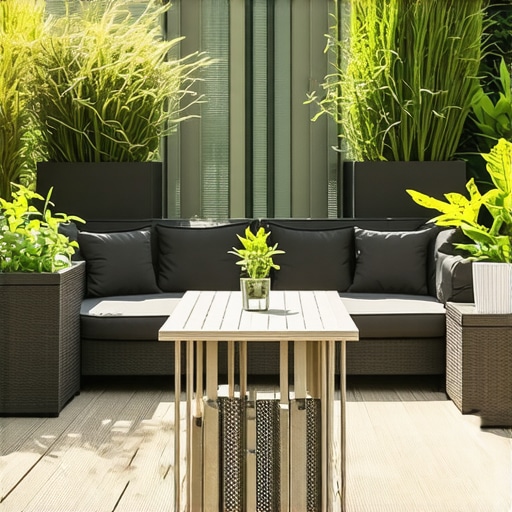
Walking out onto my tiny balcony one summer evening, I realized I was staring at a sea of clutter and awkwardly placed furniture. It hit me then—designing a functional outdoor space in narrow areas isn’t just about adding furniture; it’s about making every square inch count. I used to think my cramped deck was a lost cause, but after some trial and error, I discovered layout secrets that transformed my tiny outdoor oasis. If your narrow deck feels more suffocating than relaxing, don’t worry—you’re not alone. Today, I’ll share proven strategies to optimize limited space, making your outdoor area both beautiful and usable.
Why Narrow Spaces Need Smart Furniture Planning
Limited space can seem like a curse, especially when you’re eager to create a cozy outdoor retreat, but it also offers a unique design challenge. A well-planned furniture layout avoids the cluttered, awkward feel that can make narrow decks seem even smaller. The goal is to maximize functionality without sacrificing style or comfort. I’ve learned firsthand that a strategic arrangement can open up your deck, making it appear larger and more inviting. For example, choosing multi-functional furniture and strategic positioning can dramatically improve usability.
When I started focusing on furniture placement, I realized that the key lies in creating clear pathways while maintaining enough space for socializing and relaxing. Instead of traditional bulky tables and chairs, opt for sleek, lightweight pieces that can be easily moved or adjusted. This approach not only saves space but also allows for a dynamic outdoor environment. For inspiration, check out our ideas on modern composite deck designs that embrace minimalism.
Now, let’s get into the specifics of making your narrow outdoor space both functional and stylish.
Is Clutter the Biggest Enemy of Small Decks?
Absolutely. Early in my project, I made the mistake of packing my deck with unnecessary furniture, which made the space feel even smaller. I learned that decluttering is crucial. How? Select only essential pieces, and consider built-in options or fold-away furniture that can be stored when not in use. This frees up space and keeps the deck feeling open. Removing excess items instantly gives the impression of greater width and height.
To prevent clutter from reappearing, I recommend carefully planning your furniture placement to maintain natural walkways and sightlines. Remember, every piece should serve a purpose, and space-saving designs can be both functional and beautiful.
If you’re unsure how to get started, I suggest consulting with a professional deck builder who can help optimize your layout. You can reach out to experts through our contact page for personalized advice. Now that we’ve covered the importance of decluttering, in the next section, I’ll guide you through specific furniture arrangements that make the most of your narrow outdoor space.
Pick the Right Furniture to Open Up Space
Start by selecting furniture that fits the scale of your narrow deck. Opt for sleek, multi-functional pieces like foldable chairs or a narrow bench with storage underneath. I once replaced bulky outdoor dining sets with slim, stackable chairs and a compact table, which instantly made the deck feel more open. When choosing materials, go for lightweight aluminum or composite options that are easy to move and clean, ensuring an uncluttered look. Visit custom composite decking ideas for inspiration on modern options.
Utilize Vertical Space Effectively
Maximize your limited footprint by going vertical. Install wall-mounted planters, vertical garden panels, or hanging lights to draw attention upward. This creates an illusion of height and adds greenery without eating into the floor area. I mounted narrow shelving units along the wall to display potted plants, which added color and depth while freeing up seating space. For seamless transitions and aesthetic consistency, consider consulting outdoor stair and transition ideas.
Design Pathways That Cut Through Clutter
Clear pathways are essential for functionality and safety. Use narrow decking boards or contrasting colors to create visual guides, directing movement without blocking views. I once laid a thin strip of composite decking with contrasting color to delineate a walkway, which kept furniture away from traffic zones. This trick maintained openness and prevented the space from feeling crowded. For ideas on inspiring deck and stair layouts, explore deck and stair ideas for any budget.
Create Focal Points to Draw the Eye
A small space can still have eye-catching features. Use a compact fire pit, a vertical water fountain, or a stunning piece of outdoor art as focal points. I added a sleek, low-profile fire bowl in the corner, which became the gather spot during cool evenings. Position these features strategically to enhance the perception of space and guide movement naturally. Incorporate custom composite decking designs to complement focal points and create a cohesive look.
Install Low-Profile Decking and Maximum Safety Measures
Select decking materials like capped composite that are low-profile and slip-resistant. Properly spaced boards allow for water drainage and prevent pooling, which keeps the deck safe. I used hidden fasteners to create a smooth surface, avoiding trip hazards. Also, ensuring your stairs are designed for tight spaces is crucial; consider stair construction tips to optimize access. Remember, safety isn’t just about materials—well-placed railings and thoughtful lighting can make all the difference.
Many homeowners and even some professionals believe that choosing the most affordable materials or following popular trends guarantees a successful outdoor project. However, these misconceptions can lead to costly mistakes and subpar results. For instance, a common myth is that composite decking is completely maintenance-free; in reality, understanding its nuances—like selecting the right type for your climate and usage—is crucial for longevity. As an expert in outdoor living design, I’ve seen these oversights compromise safety, durability, and aesthetic appeal. Recognizing that not all composite products are created equal helps avoid pitfalls that can cause warping or fading prematurely.
Another often overlooked detail involves stairs and transition areas. Many assume that standard stringer layouts suffice, but improper framing or neglecting specific design considerations can result in unstable steps or tripping hazards. For example, adjusting stair riser heights for slope or uneven ground isn’t just about aesthetics—it’s about safety and compliance. Consulting detailed resources like this guide on seamless transitions can prevent costly adjustments later.
The most critical mistake I’ve encountered relates to neglecting the hidden forces at play—such as water drainage, load distribution, and environmental exposure—that influence longevity. Many builders focus solely on surface appearance but overlook how waterproofing or proper flashing can avert rot and structural failure. For example, improper flashing around ledger boards is a common trap that can cause severe house rot, yet it’s entirely preventable with proper techniques.
Have you ever fallen into this trap? Let me know in the comments.
What often trips up even experienced builders is underestimating the importance of detailed planning and site-specific adjustments. A perfect deck design on paper may falter because of overlooked nuances like ground slope, local climate, or material expansion. This emphasizes the value of working with a professional who can tailor solutions to your unique circumstances. For instance, utilizing expert insight can save time, money, and frustration in the long run.
In essence, achieving a successful outdoor space involves more than just pulling together trendy materials or standard layouts. It requires an understanding of the subtle factors—climate considerations, advanced structural techniques, and material nuances—that influence durability and safety. Keep educating yourself about these hidden aspects, and you’ll ensure your project stands the test of time.
Protect Your Investment with Proper Maintenance
Maintaining your outdoor deck, stairs, and composite decking isn’t a set-it-and-forget-it task. Regular inspections and timely repairs can significantly extend the lifespan of your project. Visual checks for loose fasteners, cracked boards, or signs of water intrusion are crucial—don’t wait until minor issues become costly repairs. Use a waterproof LED flashlight during evening inspections to spot hidden damages that might be overlooked in daylight.
Tools I Recommend for Long-Term Upkeep
For effective maintenance, I rely on a few key tools. A high-quality cordless electric drill with a variable speed setting makes re-tightening loose screws quick and efficient—stainless steel screws like those I choose resist corrosion near water and salt air. An infrared thermometer helps monitor decking temperature and prevent warping, especially with composite materials sensitive to temperature fluctuations. Additionally, a flexible putty knife allows for scraping stubborn residues or old sealants without damaging the surface. Investing in a good-quality pressure washer with adjustable pressure settings ensures you can clean grime and mold without harming delicate finishes.
Future Trends in Deck Maintenance Tools
Looking ahead, smart sensors embedded in decks could provide real-time alerts for moisture buildup or structural movements, reducing surprise failures. Companies are developing IoT-connected hardware that syncs with smartphone apps—enabling proactive maintenance and planning. As digital integration advances, I predict a shift toward fully automated, self-cleaning decks with embedded UV sterilization and weather sensors, making upkeep a hands-off affair.
How do I maintain my outdoor living spaces over time? Consider regularly scheduling professional inspections that utilize drone or infrared scanning technology—these can detect issues before they escalate.
For example, periodic assessments with a professional deck builder can reveal hidden rot or pest damage, ensuring your outdoor oasis remains safe and inviting. If you’re unsure about the best maintenance practices or want expert advice tailored to your setup, reach out through our contact page. Remember, a well-maintained deck not only retains its beauty but also safeguards your investment and family safety.
Don’t forget, the key to longevity isn’t just in regular cleaning but also in using the right tools and techniques. Try incorporating a moisture meter into your routine—it provides real-time data and helps decide when maintenance or repairs are truly needed. These small steps today can save you headaches tomorrow, keeping your outdoor living space stunning and functional season after season.
Three Surprising Truths I Discovered About Narrow Decks
First, effective use of vertical space can transform your tiny outdoor area into a lush paradise—mounting planters or installing hanging lights elevated both the look and functionality. Second, less truly is more—by decluttering and selecting multi-purpose furniture, I found that open, inviting spaces are more achievable than I initially thought. Lastly, pay attention to safety — small spaces with clever design can hide hidden hazards, and proactive measures prevent accidents, saving time and money in the long run. These lessons reshaped my entire approach and can do the same for you.
Tools and Tips That Changed My Outdoor Game
I swear by a compact cordless drill for quick fixes, a high-quality water-resistant sealant to prolong the lifespan of my surface, and a digital moisture meter to keep tabs on unseen issues. Books like Transform Your Outdoor Living and Maximizing Space with Modern Designs helped me think outside the box and master space optimization. These resources don’t just provide facts—they inspire confidence and spark creativity in outdoor design projects.
Light the Path Forward With Your Outdoor Vision
Remember, every small outdoor space is an opportunity waiting to be unlocked. With thoughtful planning, the right tools, and a little courage to experiment, you can turn even the narrowest deck into a personal oasis. Take that first step today—dive into new ideas, and don’t be afraid to make mistakes. Your outdoor paradise is within reach, and I’m excited to see your unique touch come to life. Ready to start transforming your outdoor space? Share your plans below or reach out for personalized guidance through our contact page. Let’s build something amazing together!