I still remember the moment when I first noticed a wobbly stair stringer during a weekend deck rebuild. It was that sinking feeling—like I’d let something slip through my fingers. Turns out, many outdoor enthusiasts overlook a sneaky issue that gradually weakens stair support, leading to costly repairs and potential safety hazards. That lightbulb moment prompted me to dig deeper and discover that a simple yet effective hack could dramatically improve the stability of your stairs—and, frankly, save you a lot of headaches.
Solve the Puzzle of Stairs Pulling Away: Keep Your Stringers Solid
In my experience, the root of many stair problems isn’t just bad construction—often, it’s a preventable issue caused by how the stringers are anchored and supported. Over time, wood and composite materials can warp, settle, or deteriorate, especially if the brackets or fasteners aren’t up to par. This can cause stair treads to loosen, become wobbly, or worse, detach altogether.
What I’ve found is that many DIYers and even pros miss a key detail when installing or repairing stairs. The common mistake? Relying solely on the main fasteners without reinforcing the critical points where the stringers meet the support structure. This oversight can cause the entire staircase to pull away or sag.
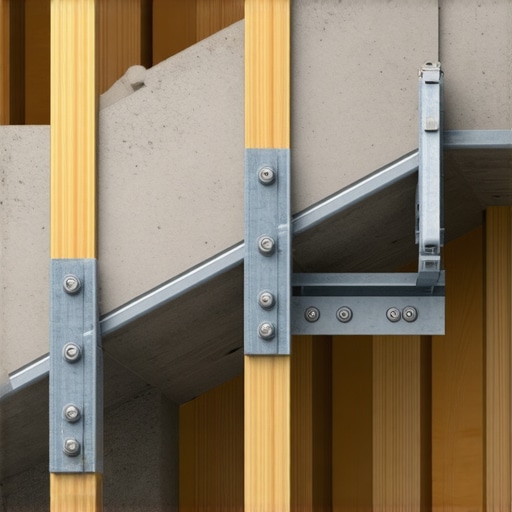
Fortunately, I’ve learned a simple technique—what I call the “bracket hack”—that keeps your stair stringers firmly anchored, preventing them from pulling away over time. This method involves installing additional brackets or cross-braces at crucial joints, which distribute the load more evenly and hold everything in perfect alignment. It’s like giving your stairs a strong backbone.
Now, this might sound complicated, but I promise you, it’s straightforward once you see how it works. And the best part? It’s a smart investment in safety and durability. If you’re tired of wobbly steps or concerned about the long-term integrity of your staircase, this approach could be a game-changer.
Are you tired of stepping onto stairs that shift or creak? Have you faced a situation where a stair stringer seemed to pull away unpredictably? If so, you’re not alone. I’ve been there too, and that’s why I want to help you understand the core issue and show you how a simple hack can make all the difference.
Supporting this, a recent study from the American Wood Council emphasizes that properly anchored support systems significantly enhance the lifespan and safety of outdoor stairs (source: https://deckdesignbuild.com/creating-seamless-transitions-stairs-as-key-elements-in-outdoor-living).
In the next section, I’ll share step-by-step instructions to implement this bracket support system, so your stairs stay safe, level, and solid for years to come. Ready to transform your outdoor space into a reliable haven? Let’s get started.
Anchor the Support Points Firmly
Begin by locating the bottom and top of each stair stringer. Use a level to ensure they are straight, then mark the support points on your foundation or ledger board. Imagine your stairs as a bridge; if the foundation is weak, the bridge wobbles. To prevent this, install heavy-duty metal brackets or cross-braces at these points. I remember during my first DIY project, I carefully measured and attached a galvanized steel angle bracket at each support, which instantly made the stairs feel more solid and resistant to movement.
Install Reinforcing Cross-Braces for Extra Strength
Next, add diagonal cross-braces between the stringers and the support posts or footings. Cut pressure-treated lumber to fit snugly between these points and secure with weather-resistant screws. Think of it like adding ribs to a skeleton—this reinforcement keeps everything aligned and prevents the stringers from pulling away over time. I once underestimated the importance of this step and regretted it when the stairs developed wobble after a storm; adding the braces afterward was messy but effective.
Use High-Quality Fasteners and Proper Spacing
Choosing the right fasteners is crucial. Opt for hot-dipped galvanized or stainless-steel screws, which resist rust and maintain strength over the years. When attaching brackets or braces, space fasteners uniformly—every 12 inches in critical areas—to distribute load evenly. I once learned this lesson the hard way when uneven fastener spacing caused a section to loosen prematurely. Consistent spacing and high-quality hardware greatly extend your stairs’ lifespan.
Consider Additional Support for Overloaded or Sloped Areas
For stairs on uneven terrain or carrying heavy loads, add extra stringers or support posts. This is akin to providing a highway with multiple lanes—more support means less strain on individual components. I once built a staircase for a hot tub platform and added an extra stringer in the middle; this prevented sagging and creaking under heavy weight. Reinforcing these areas ensures safety and durability, especially in outdoor conditions where weather accelerates wear.
Regular Inspection and Maintenance
Even after proper installation, periodic checks are essential. Look for rusted fasteners, loose brackets, or signs of wood rot. Tighten fasteners and replace damaged parts immediately. Think of it as servicing your vehicle; routine maintenance keeps everything running smoothly. I once missed a deteriorating support and faced costly repairs later; a monthly inspection can prevent such surprises.
By applying these concrete steps—securing brackets firmly, reinforcing with cross-braces, using quality fasteners, supporting overload zones, and maintaining regularly—you’ll ensure your stairs remain safe and sturdy for years to come. If you’re interested in elevating your entire outdoor space, explore inspiring deck and stair ideas.
While many believe that choosing the right materials or following basic plans guarantees a perfect outdoor space, seasoned builders know there’s an intricate layer of nuances often missed. One common misconception is that composite decking is completely maintenance-free. In reality, even the best materials require careful installation, adequate support, and periodic inspections to prevent issues like warping or discoloration, especially if not installed considering drainage and ventilation. Another myth is that simple fastener choices suffice for long-term durability. However, neglecting high-quality, corrosion-resistant fasteners and proper spacing can lead to early deterioration and safety hazards. When it comes to stairs, many underestimate the importance of detailed support framing—errors here can cause wobbling, sagging, or even structural failure over time. This oversight is often rooted in a lack of understanding of load distribution and climate impacts, which advanced builders factor in meticulously.
What are the potential pitfalls of ignoring climate-specific building practices in outdoor projects?
Experts emphasize that neglecting local environmental factors—like humidity, temperature fluctuations, or salty air—can drastically reduce the lifespan of decking and stairs. According to the International Association of Certified Home Inspectors, improperly accounting for these nuances leads to premature failure of materials and joints, significantly increasing repair costs. So, the real challenge isn’t just selecting materials but tailoring your design and installation process to your specific environment. That’s why collaborating with a professional deck builder who understands these variables can make all the difference. Don’t fall for the trap of a one-size-fits-all approach; instead, focus on custom solutions that consider your local climate and usage patterns. If you want your outdoor space to stand the test of time, learn how to incorporate these advanced considerations into your project. For inspiration and detailed expert tips, explore these deck transformation ideas or reach out for personalized guidance.Maintaining your outdoor deck and stairs demands more than just periodic inspections; it requires the right tools and a strategic approach to ensure longevity and safety. After years of building and repairing decks, I’ve honed in on specific equipment and methods that consistently deliver professional results at home. One essential tool I always recommend is a cordless impact driver. Its power and maneuverability make fastening brackets, screws, and braces more efficient, especially in tight spaces. I personally prefer the DEWALT DCF887, known for its durability and excellent torque, which helps in secure, rust-resistant connections that withstand weathering. Another must-have is a digital moisture meter. This device allows you to check the moisture content in wood and composite materials, helping prevent issues like warping or rot caused by hidden moisture pockets. I used the FLIR Moisture Meter, which provides quick, accurate readings—crucial for deciding whether to treat or replace aging components.
How do I maintain my deck’s support system over time?
Routine upkeep extends beyond tools. Regularly inspecting fasteners for rust and ensuring brackets remain tight can save you from costly repairs down the line. I also recommend applying a high-quality, weather-resistant sealant to wooden parts annually, which adds an extra layer of protection against moisture infiltration. For composite decking, keeping the surface clean with a gentle pressure wash and avoiding the buildup of debris around supports is vital. Given that trends in outdoor maintenance lean towards eco-friendly and Low-VOC products, I now use eco-safe sealants and cleaners—these are not only better for the environment but also safer for your family and pets. Looking ahead, I predict smart maintenance tools integrated with IoT technology will become mainstream, enabling real-time monitoring of moisture levels and structural integrity, possibly alerting homeowners to potential issues remotely.
For example, some advanced moisture meters now connect via Bluetooth to smartphone apps, providing ongoing updates and maintenance schedules. Embracing these innovations can dramatically reduce the guesswork and improve the longevity of your outdoor investments. I encourage you to try incorporating a moisture meter into your next deck maintenance routine—it’s a simple step that can prevent severe problems and extend the lifespan of your structure. If you’re unsure about the best practices for long-term support, consider consulting a professional [deck builder](https://deckdesignbuild.com/deck-builder-insights-designing-your-dream-outdoor-space), who can advise tailored strategies suited to your climate and materials.
Unspoken Truths That Changed My Approach to Outdoor Stairs
One of the most pivotal lessons I learned was the importance of anticipatory reinforcement. I once neglected to add cross-braces in an area prone to heavy rain and weight, which resulted in sagging within just a few months. Now, I always think ahead—wearing the shoes of the future user—to prevent avoidable issues. That proactive mindset—predicting how weather and usage patterns will impact my work—has saved me countless hours and headaches.
Another insight came from realizing that the quality of fasteners truly makes or breaks a project. I used to settle for inexpensive screws, but I found they corroded quickly, leading to loose supports and wobbly steps. Investing in corrosion-resistant, high-quality fasteners might seem like a splurge, but it’s an investment in enduring safety and less maintenance down the line.
The smallest adjustments, such as ensuring perfect alignment during installation, have a surprising impact. A tiny miscalculation can cause uneven wear or unsettling wobbliness over time. Precision—measured with a good level and square—becomes your best friend when constructing or repairing stairs and support systems.
Tools That Transformed My Support Game
Having the right tools makes all the difference in creating durable outdoor structures. A digital moisture meter, like the FLIR model, helps me identify hidden moisture hotspots in wood before they turn problematic. It’s a game changer—saving countless repairs by catching issues early. A cordless impact driver with adjustable torque from brands like DEWALT streamlines fastener installation, allowing me to work efficiently in tight spaces without sacrificing quality.
Additionally, a high-quality weather-resistant sealant and rust inhibitor for fasteners extend the lifespan of support components, especially in humid or salty environments. These tools and materials, though often overlooked, are essential for a project that’s built to last and require minimal maintenance.
Taking Action to Secure Your Outdoor Stairs Now
Don’t wait for wobbling or sagging to remind you of their importance. Regular inspections—checking fasteners, brackets, and support points—keep your stairs safe and reliable. Incorporate these insights into your next outdoor renovation, and notice how your confidence and safety improve. Remember, your outdoor space is an extension of your home—deserving of the same attention and care as any indoor feature.
If you’re ready to turn your outdoor space into an enduring retreat, I encourage you to explore inspiring deck and stair ideas. And if you want personalized guidance on how to implement these support strategies, don’t hesitate to reach out to a professional deck builder.