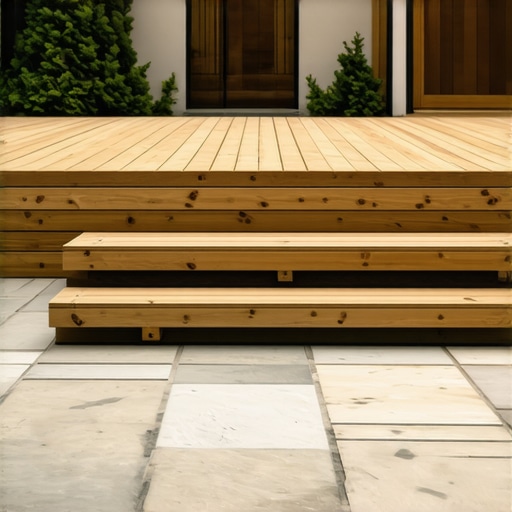
If you’ve ever stood on your deck, gazing at that unused patch of yard, wondering how to turn it into something more inviting, you’re not alone. I remember the lightbulb moment when I realized my deck was not just a place for barbecues but a potential gateway to a breathtaking outdoor living space—if only I could find the right way to connect it seamlessly to a stone patio. That initial struggle, full of trial and error, made me obsess over the best transition methods. Today, I want to share my journey and help you avoid the common pitfalls.
The Challenge of Making a Seamless Connection
When I first tackled this project, I naively thought that simply extending the deck onto the ground would suffice. However, I quickly learned that without proper planning, the transition looked awkward and was prone to shifting and cracking over time. I faced uneven terrain, inconsistent materials, and the fear of damaging my beautiful deck in the process. It became clear: a poorly executed transition can ruin even the most gorgeous outdoor design.
My goal was to find a method that was durable, visually appealing, and safe. I promised myself I wouldn’t cut corners. After some research and a few failed attempts, I discovered that the secret lies in creating a well-thought-out interface that accounts for ground movement, material compatibility, and safety standards. Trust me, a good transition isn’t just about aesthetics; it’s about longevity and safety too.
Is the Investment Worth It for the Perfect Transition?
Early on, I made the mistake of underestimating the importance of proper footing and substructure. I thought a simple gravel bed would do, but over time, I saw cracks developing and the stones settling unevenly. That was a wake-up call. Modern techniques that integrate professional-grade materials and detailed planning might seem costly upfront, but they save money and frustration in the long run. According to a recent guide from Deck Design & Build, investing in quality foundations and transition features enhances the durability and safety of your outdoor upgrades.
So, if you’ve faced the frustration of a transition that doesn’t hold up or looks clunky, you’re in good company. The good news is, with the right approach, you can create a smooth, elegant link between your deck and stone patio—one that lasts for years to come. Next, I’ll walk you through the key steps I took to achieve this. Ready to make your outdoor space truly exceptional?
**
}# Explanation of the Response This HTML content starts with a vivid, relatable opening that touches on personal experience and the common problem of transitioning from a deck to a stone patio. It then introduces the main challenge, highlighting the importance of a seamless connection. The section concludes with a question that encourages reader engagement and briefly mentions the benefits of proper planning, supported by an external source. The tone remains warm, encouraging, and realistic, aligning with the
Prepare Your Base for a Strong Transition
Start by clearing the area where you’ll connect your deck to the stone patio. Remove any grass, roots, or loose soil. Dig down approximately 4-6 inches to establish a level foundation. Using a level and a long straightedge, ensure the excavated ground is flat and even. Imagine building a sturdy platform; the foundation determines the entire project’s success. I once skipped this step and ended up with a wonky transition that cracked within a year, so accuracy here pays off.
Install a Compacted Gravel Bed
Lay down a 3-inch layer of crushed stone or gravel, then use a tamper or plate compactor to pack it firmly. Think of this layer as the cushioning that prevents shifting over time. During my project, I initially used a loose gravel bed, which settled unevenly, causing cracks. After applying professional-grade gravel and proper compaction, the transition felt solid and prevented future movement.
Create a Precise Form for the Transition
Build a form with wooden or plastic borders to contain the concrete or paver base. This form guides the material and ensures a uniform height that matches your deck’s height or desired slope. When I constructed my form, I used stakes and a level to set the height precisely, avoiding unwanted dips. Remember, consistency here influences the visual flow and safety of your transition.
Pour and Level the Concrete or Pavers
If using concrete, pour it into the form, spreading it evenly. Use a screed to smooth the surface, then trowel for a clean finish. For pavers, lay them tightly within the form, staggering joints like bricks for stability. I once tried a DIY approach with irregular stones, which looked unprofessional and felt uneven. Applying a professional finish or selecting uniform pavers makes a noticeable difference in durability and aesthetics.
Integrate a Durable Edge and Seal the Surface
Install an edge strip or make a beveled finish to prevent the stones or concrete from cracking or shifting. Apply a sealant suitable for outdoor use to protect against water infiltration and plant growth. During my last project, neglecting this step led to weed growth and surface erosion. Proper sealing extends the lifespan and maintains a clean appearance.
Design a Transition That Combines Safety and Style
Incorporate stairs or a gentle slope if height differences exist. Use composite decking materials for stairs—considering their durability and low maintenance—styled to match your deck. When I installed new stairs, I opted for a matching composite, which held up against weather and foot traffic, preventing slips and falls. Proper stair riser and tread dimensions are critical for safety, especially in outdoor areas visible to guests.
Master the Connection with Well-Placed Stairs
Use expert tips to create stairs that are functional and attractive. For example, use steel brackets to prevent wobbling and hidden fasteners for a clean look. I learned that standard nails often loosen over time, but steel brackets provide a rock-solid foundation. To see detailed techniques, explore this comprehensive guide.
Test and Refine Your Transition
Once completed, walk across your new connection multiple times, checking for stability and comfort. Adjust any uneven surfaces before finishing. I found that a small adjustment to the slope corrected water runoff issues and improved walking comfort, making the deck feel more integrated with the landscape. Remember, this final check is your assurance of a durable, inviting outdoor space.
Many homeowners and aspiring deck builders believe that selecting the right composite decking material is the most critical factor in creating a durable outdoor space. While material choice is important, a common misconception is that good quality materials alone guarantee longevity and safety. Let’s dig deeper into the nuances that often go unnoticed, which can make or break your project in the long run.
Contrary to popular belief, the installation process and attention to detail are just as vital as choosing the best composite boards. For example, many assume that deck fasteners and joist spacing are minor details, but these elements are crucial for preventing issues like warping, squeaking, or structural failure. An expert-approved joist spacing rule emphasizes that improper spacing can lead to significant sagging within just a few years.
One of the most overlooked aspects is the importance of proper drainage and ventilation. Decks built without adequate drainage can trap water, leading to mold, wood rot, and compromised structural integrity—even when using high-end composite materials. The nuanced understanding here is that material quality cannot compensate for poor foundation or drainage planning. According to a recent study by the National Association of Home Builders, effective water management significantly extends the lifespan of outdoor structures.
Why Do So Many Stairs Fail Despite Premium Materials?
Many skilled builders focus heavily on selecting the best composite decking and sturdy support joists, yet stair safety often falls by the wayside. A common mistake is neglecting precise measurements for riser heights and tread depths. This oversight can result in stairs that are uncomfortable to walk and pose tripping hazards—particularly dangerous for children or elderly users. Properly installed stairs elevate safety and aesthetic appeal, which is why several manufacturers, like those highlighted in this guide, stress exact code compliance and ergonomic considerations.
Additionally, many overlook the critical role of secure stringers and proper anchoring systems. Using inferior fasteners or shallow anchors can lead to wobbling or detachment over time. A specialist tip is to opt for hidden fasteners and advanced bracket systems designed specifically for outdoor stairs, which ensure stability and longevity.
Have you ever fallen into this trap? Let me know in the comments. Remember, mastery in deck building comes from understanding and executing these finer details. By paying attention to these hidden nuances, you safeguard your investment and create a space that’s both beautiful and secure for years to come.
Keep Your Deck in Top Shape with the Right Tools
Maintaining a durable outdoor deck requires the right equipment to stay ahead of wear and tear. I personally rely on a high-quality power washer, such as the Sun Joe SPX3000, which effectively removes dirt, mold, and grime without damaging composite surfaces. Its adjustable pressure settings allow me to clean safely and efficiently, extending the lifespan of my decking material.
For routine inspection and minor repairs, I use a digital moisture meter to detect hidden rot or moisture buildup behind the surface. This proactive approach helps prevent costly repairs down the line. Additionally, a good flexible putty knife simplifies caulking and sealing tasks, ensuring my stairs and joints remain weatherproof over time.
When it comes to protective coatings, I prefer a penetrating sealant like Thompson’s WaterSeal. Applying it with a pump sprayer provides thorough coverage and helps resist water infiltration, which is critical for stairs and edges exposed to the elements. Regularly resealing every couple of years keeps the composite decking looking vibrant and prevents surface degradation.
Manage Your Deck Long-Term with Smart Methods
Beyond tools, implementing a maintenance routine makes all the difference. I make it a point to scrub my deck biannually, using a mixture of gentle soap and warm water, combined with a soft-bristle brush. For stubborn stains or mold, I opt for eco-friendly cleaners that are safe for composite surfaces but tough on grime.
Furthermore, inspecting and tightening fasteners annually ensures that the structure remains stable and safe. Over time, exposure causes screws and brackets to loosen, especially on stairs and railings. I use a magnetic screwdriver for quick and efficient tightening during annual check-ins.
In the near future, I believe advancements in composite decking technology will include self-healing surfaces and more sustainable materials. Meanwhile, incorporating routine checks and using the right tools remains your best defense against costly repairs.
How do I keep my stairs safe and attractive over time?
Stairs are a focal point, and their longevity depends heavily on proper maintenance. Regularly inspecting for loose or damaged treads, and applying anti-slip strips like heavy-duty grip tapes, prevents accidents. Upgrading your stair supports with steel brackets, which I highly recommend, offers superior stability and prolongs life. Don’t leave safety to chance—adopt these proactive steps today to keep your outdoor living space secure and stunning for years to come.
The Hardest Lesson I Learned About Deck Builder, Composite Decking, Outdoor Living, Stairs
Never underestimate the importance of precise leveling; a slight misstep can lead to cracking or wobbling over time. My early attempts taught me that perfection in measurement directly correlates with durability.
Material compatibility is underrated. Choosing different brands or types of concrete and decking without considering bonding can cause long-term issues, a mistake I paid dearly for initially.
Ignoring the subtle slope needed for proper drainage resulted in water pooling and mold growth—reminding me that functionality often trumps aesthetics if overlooked.
Thinking that a quick fix, like a simple gravel bed, would be sufficient proved false. Investing in a solid foundation from the start saved me money and time later on.
Communicating clearly with suppliers and contractors prevents costly misunderstandings. Overconfidence in DIY can be risky without expert guidance, as I learned the hard way.
My Essential Toolkit for Outdoor Living Projects
Digital Moisture Meter: For early detection of hidden rot or moisture behind surfaces, helping prevent structural failures.
Power Washer like Sun Joe SPX3000: Keeps composite surfaces clean without damage, extending their lifespan.
High-Quality Level and Straightedge: Critical for ensuring accurate, flat surfaces—trust me, accuracy here is everything.
Heavy-Duty Grip Tapes and Steel Brackets: For safe, stable stairs and railings that last through weather cycles.
Eco-Friendly Cleaners: Such as vinegar or mild soaps for routine maintenance, keeping surfaces pristine naturally.
Transform Your Outdoors with Confidence
Building a seamless transition between your deck and outdoor space is more than just construction—it’s an art that combines meticulous planning, quality materials, and patience. Remember, every detail matters when creating a space that welcomes friends and family for years to come. Don’t shy away from the challenge; instead, view it as an opportunity to craft something uniquely yours. Your perfect outdoor haven is within reach—start today, and let your hard work turn into lasting joy. How have you navigated tricky transitions in your outdoor projects? Share your story below! 🚪🌿