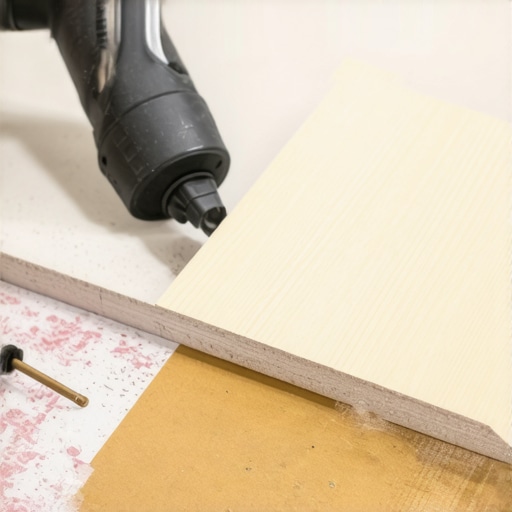
It was a sunny Saturday afternoon when I finally decided to tackle a small project in my backyard—a new deck to enjoy those warm summer evenings. As I measured and cut the composite boards, I quickly realized my biggest challenge: sealing those pesky cut ends. I knew ignoring this step could lead to costly damage down the line, but I didn’t quite know how to do it right. Have you ever found yourself with a pile of freshly cut composite decking and wondered how to protect those exposed ends? You’re not alone. Many DIYers and professionals alike overlook this detail, only to face warped boards, rot, or discoloration later. Today, I want to share with you a reliable method I’ve refined over the years that keeps those cut ends looking pristine and functioning properly for years to come.
The Importance of Sealing Composite Board Ends
Sealing the cut ends of composite boards isn’t just about aesthetics; it’s a crucial step in maintaining the integrity and durability of your outdoor surface. Unsealed ends expose the core material, which can absorb moisture, leading to swelling, cracking, or even mold growth. This is especially true in climates with high humidity or frequent rainfall. According to recent studies, moisture infiltration is one of the biggest threats to composite decking longevity, and sealing cut ends creates a water-resistant barrier that prevents this damage before it starts.
Common Mistakes That Might Trip You Up
Early in my projects, I made the mistake of rushing through sealing the ends, thinking paint or regular outdoor stain would do the trick. It wasn’t until I noticed a warped board after just a few months that I realized I had overlooked a vital detail. Sealing with the right product and technique is essential. Proper sealing involves choosing materials specifically designed for composite materials and applying them thoroughly to all exposed edges. Want to learn more about the best products and methods? Check out [this comprehensive guide](https://deckdesignbuild.com/how-a-skilled-deck-builder-can-turn-your-garden-into-a-private-oasis) for insights from seasoned professionals.
Now that you understand why sealing ends matters, let’s dive into how you can do it efficiently and effectively, ensuring your deck remains beautiful and sturdy for years to come. Whether you’re building a new deck or just replacing some boards, sealing those cut ends is a step that can’t be skipped. Ready to discover the techniques that will save you time and money? Let’s get started!
Gather the Right Materials and Prepare Your Workspace
Start by selecting a high-quality sealer or end grain treatment specifically designed for composite materials. Clear your workspace of debris and ensure good ventilation. Wearing gloves and safety glasses is essential to protect your skin and eyes from chemicals. Prepare a clean cloth or brush for application and have a putty knife or scraper handy to remove any splinters or loose debris from the cut ends.
Clean and Dry the Cut Ends Thoroughly
Before sealing, wash the cut edges with a damp cloth to remove dirt, dust, and any residual debris. Allow the ends to dry completely—this may take 30 minutes to an hour—especially in humid conditions. Proper cleaning ensures better adhesion of the sealant and prevents trapping moisture beneath the coating, which could lead to swelling or mold growth over time.
Apply the Sealant Generously to Exposed Edges
Using a brush or roller, apply the chosen sealer evenly to all cut ends. Think of this step as giving your boards a protective armor—cover every nook and cranny to prevent moisture infiltration. For small or intricate areas, a foam brush can help reach tight spots. Be generous; a thick, even coat ensures optimal water resistance. Avoid pooling excess product, which can drip or create uneven coverage.
Allow Adequate Curing Time and Repeat if Necessary
Follow the manufacturer’s instructions regarding curing time, typically 24 hours. During this period, keep the boards dry and protected from rain or excessive humidity. For added assurance, especially in exposed environments, consider applying a second coat after the first has dried. This double-layer approach enhances durability, much like a second armor layer in outdoor armor systems, providing extra protection against moisture.
Inspect and Maintain the Sealed Ends Regularly
Periodically check the sealed edges for signs of wear, cracking, or peeling—think of it like routine maintenance of a garden fence. Small touch-ups with additional sealant can keep the protective barrier intact. A well-maintained sealant prolongs the lifespan of your composite decking, preventing costly repairs or replacements down the line. Remember, sealing isn’t a one-time job; regular upkeep ensures your deck remains in top shape for years to come.
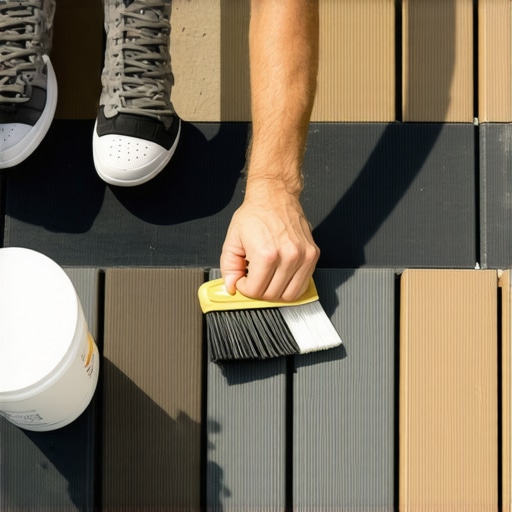 When it comes to creating stunning outdoor spaces, many enthusiasts and even professionals often fall prey to misconceptions that can lead to costly mistakes. One pervasive myth is that composite decking requires less maintenance than traditional wood, but in reality, choosing low-quality materials or neglecting proper sealing can cause premature wear and discoloration, undermining your investment. Additionally, some assume that all stairs are created equal, but overlooking the nuances of riser heights and tread depth can compromise safety and comfort—something experienced deck builders are well aware of. Don’t be lulled into thinking that DIY is always cheaper; improper installation of supports or neglecting proper flashing can lead to structural failures down the line.
A critical advanced consideration involves understanding how climate influences deck longevity. For instance, moisture infiltration isn’t just a surface issue; it penetrates core materials, causing swelling, mold, or rot if not properly addressed. Expert studies, such as those published in the *Journal of Materials in Civil Engineering*, emphasize the importance of tailored sealing and drainage solutions in high-humidity regions.
Have you ever fallen into this trap? Let me know in the comments. For those looking to elevate their outdoor spaces beyond basic setups, consulting with a professional can help avoid these pitfalls and ensure your project stands the test of time. Check out [this guide](https://deckdesignbuild.com/transform-your-space-expert-deck-builder-tips-for-stunning-outdoor-living) for insights on transforming your backyard into a functional and beautiful retreat. Remember, paying attention to these advanced nuances makes all the difference in creating outdoor living areas that are truly durable and enjoyable.Maintaining your outdoor living spaces, especially decks and stairs, requires specialized tools and consistent methods to ensure longevity and safe use. I prefer using a cordless oscillating multi-tool, like the Dremel Multi-Max, for detailed cleaning and sanding of tough spots on composite boards. Its compact size allows precise work in tight corners, which is critical when preparing surfaces for sealing or repairs. Additionally, I rely on high-quality, bristled nylon brushes—specifically designed for outdoor maintenance—to scrub dirt and oxidation without damaging the composite surface. For application, I favor spray foam sealants, such as Sikaflex, to ensure even coverage of end grain treatments, which I consider essential for long-term performance.
How do I keep my outdoor surfaces in top shape over time?
Consistent inspection and cleaning are vital. Using a digital moisture meter helps identify areas with excess moisture infiltration—an important step as moisture is the primary enemy of outdoor structures. Regularly reapplying protective coatings, especially after cleaning, reinforces the barrier against weathering. Employing a small, portable leaf blower to clear debris before detailed maintenance saves time and preserves the integrity of the sealant. Looking ahead, innovations like smart moisture sensors integrated with maintenance apps could revolutionize outdoor space upkeep, providing real-time alerts when attention is needed. To stay ahead in outdoor living, I recommend trying a maintenance routine that combines mechanical cleaning tools with targeted sealant reapplication—think of it as giving your deck a regular health check. For more insights on extending your deck’s life, explore [composite decking trends for 2025](https://deckdesignbuild.com/composite-decking-trends-2025-the-ultimate-guide-for-outdoor-enthusiasts). Proper tools and a disciplined approach will ensure your outdoor areas remain stunning and safe for years.
What I Wish I Knew Before Sealing Cuts
One of the most underestimated lessons I learned was that not all sealants are created equal—using a product designed specifically for composite ends made a huge difference in durability. Also, I discovered that thoroughly cleaning and drying the cut ends before sealing prevents moisture entrapment, which can cause swelling or mold over time. Making this a routine, rather than an afterthought, has significantly extended the life of my decks.
Another lightbulb moment came from realizing that applying multiple coats of the right sealer, following manufacturer instructions, enhances water resistance. Rushing through this step or skimping on coats often results in premature damage, which is costly and frustrating. A little extra patience with proper application pays off in a deck that stays looking fresh for years.
Tools and Resources that Changed My Approach
Having the right toolkit made sealing and maintenance much easier. I rely on a cordless oscillating multi-tool for precise cleaning around edges and tight spots—it’s a game changer for detailed prep work. For sealing, high-quality nylon brushes and foam applicators help achieve even coverage without mess. For learning and inspiration, I regularly consult trusted resources like the comprehensive guides on selecting durable composite decking and innovative outdoor living ideas in 2025 trends.
Additionally, a digital moisture meter keeps me alert to hidden dampness areas, helping me catch problems early before they escalate. The investment in quality tools and sources has saved me time, money, and plenty of headaches—it’s worth it to protect your outdoor space.
The Unexpected Power of Routine and Knowledge
Perhaps most surprisingly, I found that regular inspections and reapplications of sealants are the secret to a truly long-lasting deck. A simple routine of cleaning, checking for cracks or peeling, and resealing when needed keeps the protective barrier intact. This proactive approach means fewer surprises and less repair work down the line.
Learning these less obvious, but impactful lessons transformed how I care for my outdoor projects. It’s not just about building or sealing once—it’s about developing an ongoing mindset of maintenance and quality. If you embrace this, your investment in composite decking and outdoor living space becomes increasingly rewarding, lasting much longer and looking better over time.
Ready to Keep Your Outdoor Space Flawless?
Applying these personal insights and trusted tools can make a real difference in how your deck ages and performs. Whether you’re sealing new cuts or maintaining an existing setup, adopting these habits will ensure your outdoor living space remains beautiful and functional for years to come. Remember, close attention to detail is the key—don’t overlook this vital step in your project journey.