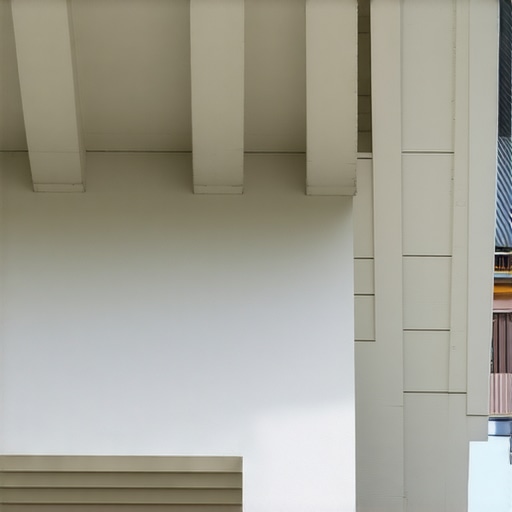
I remember the first time I looked at my backyard deck after installation, feeling a wave of disappointment. Those unsightly, rough joist ends stared back at me like an unfinished puzzle. It was a classic case of ‘I should have known better,’ but I was too eager to get the project done. That moment changed everything. I realized that hiding those raw meat-looking ends was not just about aesthetics; it was about creating a smooth, inviting space where friends and family would want to gather.
The Secret to a Clean, Professional Finish
Hiding ugly joist ends with fascia boards is one of those small details that can make or break your deck’s overall appearance. But here’s the thing—it’s easier said than done. When I first tried, I overlooked some key steps, which resulted in loose fascia panels and visible gaps. Early mistakes like ignoring proper measurements or using the wrong fasteners can turn a simple project into a frustration fest. Over time, I learned that with the right approach, you can achieve a seamless look that makes your outdoor space feel polished and well-designed.
Is All Fascia Always the Right Choice?
I’ll be honest—I was skeptical at first about whether fascia boards would really hide those ends effectively or if they would look bulky. My early attempt involved hastily attaching whatever seemed available, leading to uneven edges and a messy look. But I discovered that choosing the right material and proper installation techniques are crucial. For example, selecting low-maintenance composite fascia can save you time and ensure longevity. Curious how I finally got it right? Stay tuned, because I’m about to share step-by-step tips that will turn your hide-and-seek job into a sleek finish.
Ready to transform your deck’s look? Let’s dive into the practical techniques that can elevate your project from DIY mistake to impressive masterpiece. Whether you’re dealing with existing decks or planning new ones, these tips will help you avoid pitfalls and achieve stunning results—trust me, I’ve been there.
Prep the Area and Gather Materials
Start by clearing the deck beneath the joists, removing any debris, and inspecting for damage. For materials, choose fascia boards made from composite or pressure-treated wood that match your deck’s style and climate. Have fasteners, spacers, and a saw ready. When I built my own deck, I realized that having all supplies on hand minimized delays and mistakes, ensuring a cleaner finish.
Measure and Cut Fascia Boards Precisely
Accurately measure the length of each joist end to determine your fascia board cuts. Use a quality miter saw for clean, straight cuts. I once hurried through this step and ended up with uneven edges, which took extra time to fix. Remember, precise measurements are key to a seamless look and avoiding gaps. For complex projects or curved sections, consider using flexible measuring tools or templates to trace contours.
Attach Fascia Boards Securely
Begin by positioning the fascia board flush against the joist ends, ensuring it covers all raw edges. Use spacers to maintain consistent distance from the joists, preventing bowing. Fasten with corrosion-resistant screws or hidden fasteners designed for composite or pressure-treated materials. During my first attempt, I used the wrong length screws, which caused the fascia to loosen over time. Double-check fastener length and spacing—typically every 12 inches—for stability. For added durability, consider using clips or brackets for extra support. Learn more about fastening techniques in our article on fasteners that last.
Address Irregular Joist Ends
If your joists are uneven or have rough edges, sand or trim them to create a smooth surface before attaching fascia. I once ignored this and found that gaps appeared over time, detracting from the overall appearance. Using a power sander with medium grit can smooth out rough edges efficiently. For irregular cuts, a multi-tool can help refine angles and curves, especially around posts or curved sections. Proper preparation prevents future issues and ensures a sleek, professional look. For inspiration on designing seamless transitions, explore seamless outdoor transitions.
Fine-Tune the Finish for a Perfect Look
Once attached, check alignment with a level to prevent sagging or unevenness. Consider caulking small gaps with exterior-grade sealant for a flush appearance and added protection against water intrusion. Paint or stain the fascia to match or contrast your deck, enhancing visual appeal. I discovered that post-installation painting protects fascia boards from weathering, extending their lifespan. Use a quality exterior primer and paint designed for outdoor use. Regular maintenance keeps the fascia looking sharp and prevents deterioration. This finishing touch elevates your deck from basic to stunning, turning functional covering into a design feature.Many homeowners enter the world of outdoor living with a desire to enhance their space but fall prey to misconceptions that can derail their projects. One prevalent myth is that all composite decking is maintenance-free. While composites are designed for low upkeep, they still require proper cleaning and periodic inspections to prevent mold and staining, especially in humid climates. Overlooking these nuances can lead to premature deterioration, despite the material’s reputation for durability. Another misconception is that building stairs is a straightforward process—many underestimate the importance of precise measurements and code compliance, which can result in unsafe or uneven steps. The difference often lies in the details, such as understanding load capacities and correct riser-tread ratios, which are vital for safety and longevity.
Are DIY Tricks Sabotaging Your Deck’s Safety and Style?
It’s tempting to rely on quick fixes or popular DIY hacks, but these can backfire when it comes to complex elements like stair stringers or concealed fasteners. For example, using the wrong fasteners or ignoring flashing details around ledger boards can lead to structural issues like rot or water damage. Properly installed seamless transitions between stairs and decking not only enhance aesthetics but also ensure safety, especially over time. Remember, shortcuts often cost more in repairs down the line. Consider consulting expert sources or professionals to guarantee your project meets safety standards and visual expectations.
Have you ever fallen into this trap? Let me know in the comments.
When planning your outdoor space, pay close attention to the nuances that many overlook: accurate measurements, appropriate fasteners, and compliant designs. For instance, understanding the subtle differences in joist spans can prevent bounciness, and selecting the right finish can drastically extend the life of your decking surfaces. Instead of settling for generic approaches, invest in learning these details that elevate a project from average to exceptional. Exploring innovative approaches, like integrating lighting into stairs or designing multi-level decks, can further maximize your space and enjoyment. Discover more about these advanced techniques and proper installation methods by visiting resources on joist rot prevention or latest composite trends. Mastery of these subtleties ensures your outdoor living area remains safe, beautiful, and resilient for years to come.Building and maintaining a deck requires the right equipment and a strategic approach to ensure long-term durability and visual appeal. One of my favorite tools is the **Mitutoyo Digital Caliper**, which I rely on for precise measurements of joist spacing and fascia cuts. Accurate measurements are vital when installing composite decking or finishing stairs, as even a fraction of an inch can lead to gaps or uneven surfaces. I automate part of this process with **Laser Distance Measurers** like the Bosch GLM 50 C, which allows me to quickly measure large spans across your outdoor space, especially useful when planning extensions or complex multi-level designs. For cutting, I prefer the **DeWalt XR Cordless Circular Saw**, as its cordless design gives me mobility without sacrificing power, enabling precise, clean cuts on-site without dragging cords around uneven outdoor terrain.
Reflecting on my journey with outdoor projects, I realize that the true magic lies in those seemingly minor decisions—how I measure, select materials, and finish corners. Those lessons, hardened through trial and error, taught me that perfection isn’t achieved overnight but through deliberate attention to detail. Embracing this mindset changed my approach, making every deck I build look more professional and stay resilient against time and weather.
Lessons That Changed My Deck Design Philosophy
- Raw ends hide better with custom-cut fascia: Initially, I thought generic boards would suffice, but tailored cuts fit snugly, creating a seamless look that also protects against moisture infiltration.
- Measuring is everything—even a quarter-inch matters: I underestimated this at first, and it showed in gaps and uneven joints. Using precision tools and double-checking measurements saved me headaches later.
- Proper fastening makes all the difference: Cheap screws loosen, leading to wobbly fascia. Upgrading to corrosion-resistant fasteners designed for outdoor use ensured longevity and stability.
- Sanding rough edges preserves aesthetics and safety: Skipping this step resulted in splinters and an unpolished appearance. Light sanding before installation refined the finish and protected the material.
- Finishing touches elevate your project: Painting or staining fascia not only enhances visual appeal but also extends its life, keeping your deck looking fresh for years to come.
Tools & Resources That Boost My Confidence
- Quality Fasteners: I trust them for reliability in harsh weather conditions, preventing costly repairs.
- Measuring Tools: A laser distance measurer and digital caliper help me achieve perfect cuts every time.
- Leveling Shims: They ensure my deck stays even on uneven ground, avoiding future structural issues.
- Design Inspiration: Regularly browsing professional projects keeps my ideas fresh and my standards high.
Your Turn to Elevate Your Outdoor Space
Every project is an opportunity to learn and refine your craft. Paying close attention to details like measurement, material selection, and finishing touches makes all the difference between a good deck and a standout masterpiece. Remember, the secret is not just in the big picture, but in mastering those small, deliberate steps that ensure durability and beauty. Start implementing these insights today, and watch your outdoor space transform into a true reflection of your effort and vision.
What small detail has made the biggest difference in your deck-building experience? Share your story below—I’d love to hear how a tiny change led to a major improvement.