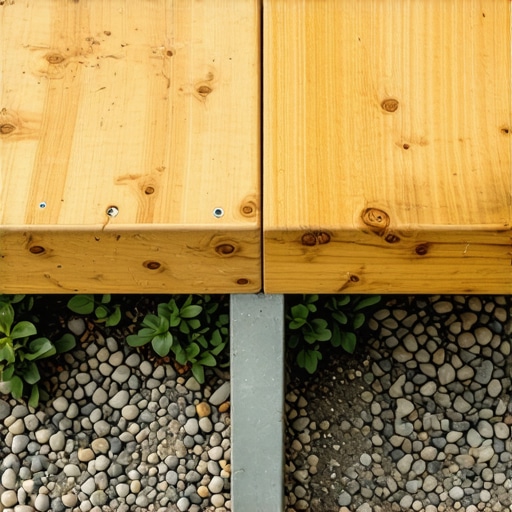
I remember the first time I built a deck and discovered those unsightly concrete footings glaring at me from beneath. It was a bright Saturday morning, and I was eager to enjoy my new outdoor space. But as I looked at the bare, gray slabs peeking out, a nagging thought crept in: how could I hide those eyesores without sacrificing structural integrity? That lightbulb moment led me down a rabbit hole of research, experiments, and, finally, successful solutions I want to share with you.
The Hidden Eyesores That Dull the Charm of Your Deck
Many of us who try to maximize our outdoor living space quickly realize that concrete footings—those chunky supports leveling your deck—stick out like a sore thumb. Not only do they ruin the aesthetic, but if left unaddressed, they can also detract from your overall design and even reduce your deck’s value. When I first thought about hiding them, I felt overwhelmed. I didn’t want to compromise the stability or safety of my deck just to make it look better.
What I’ve learned over years of experience is that you don’t need to settle for those glaring grey blocks. With a few clever tricks, they can become virtually invisible, seamlessly blending into your landscape. Today, I’ll walk you through proven methods to conceal those concrete footings, ensuring your deck looks professionally finished and inviting.
Is Covering Just Aesthetic or Worth The Effort?
Initially, I wondered whether hiding the footings was just about looks or if it truly mattered. Honestly, the difference isn’t just superficial. According to expert advice, visual appeal can significantly influence your home’s curb appeal (source: [Deck Design & Build](https://deckdesignbuild.com)). Plus, a well-concealed foundation can prevent dirt and debris buildup, making maintenance easier.
Now, I admit, I made the mistake early on of simply planting shrubs or piling gravel around the footings—approaches that looked natural but didn’t hold up under weather changes or wear. That experience taught me the importance of sturdy, weather-resistant solutions that serve both form and function.
Are you tired of seeing those concrete eyesores every time you step outside? If so, keep reading. We’re about to delve into simple yet effective ways to hide or even transform those slabs into attractive features, so your deck becomes the backyard retreat you’ve envisioned.
Choose the Right Material to Cover Footings
Start by selecting durable, weather-resistant materials like lattice panels, decorative screens, or cedar slats that blend naturally with your landscape. During my last project, I used painted lattice panels secured to a wooden frame—simple and cost-effective. The key is to pick something that withstands the elements and matches your aesthetic.
Measure and Prepare the Area
Accurately measure the footing dimensions to cut your covering material. For my deck, I used a tape measure to determine the square footage, then cut lattice panels accordingly with a circular saw. Careful measurement prevents gaps and ensures a snug fit, giving your deck a polished look.
Build a Supporting Frame
Create a sturdy frame using pressure-treated lumber or steel brackets anchored to the ground. This acts as the skeleton for your cover. I once attached steel brackets directly to the footing using anchor bolts, which provided a firm base. This support keeps the covering stable, even in high winds.
Attach and Secure the Covering Material
Fasten your lattice or panels to the supporting frame using outdoor-rated screws or nails. During my installation, I pre-drilled holes to prevent splitting and secured each panel tightly. Proper fastening prevents movement and ensures longevity.
Add Finishing Touches for Visual Appeal
Paint or stain your panels to match your deck or landscape, making them blend seamlessly. I painted mine a soft green, which harmonized with my garden. Alternatively, planting climbing plants like ivy or clematis around the panels can soften the edges and create a natural barrier.
Implement Built-In Planters for Style and Function
For a more integrated approach, consider building built-in planters that double as footings covers. I embedded a rectangular planter around one footing, filling it with lush flowers. This method disguises the footing while adding greenery, enhancing your outdoor space’s visual interest.
 While many believe that selecting the right composite decking material and proper construction are enough to ensure a successful outdoor project, the truth runs deeper. One widespread misconception is that all composite decks are virtually maintenance-free; however, nuances such as UV stability and material composition significantly impact longevity and appearance over time. Experts emphasize that understanding the specific formulation—like mineral-based composites versus traditional PVC—can make a difference in avoiding premature warping or discoloration (source: [Composite Decking Trends 2025](https://deckdesignbuild.com/composite-decking-trends-2025-the-ultimate-guide-for-outdoor-enthusiasts)). Additionally, when it comes to stairs, many assume that standard stringer design suffices, but advanced builders validate that incorporating steel brackets or hidden fasteners enhances stability and safety, especially on uneven terrain. A common pitfall is neglecting proper drainage and ventilation; overlooked gaps can lead to trapped moisture, promoting mold and rot, which is often an afterthought during initial construction. Furthermore, numerous projects fail to account for weather variations, resulting in decks that buckle or warp during extreme temperatures. This is where expert insight plays a role—installing flexible joist hangers and choosing materials with thermal expansion properties can mitigate such risks.
Why do some decks age faster despite following standard guidelines?
Advanced builders point out that the key lies in understanding local climate conditions and selecting materials accordingly. For instance, in coastal areas, corrosion-resistant fasteners and stainless steel components are crucial to prevent rust and structural degradation over time. Ignoring this nuance can nullify years of aesthetic and structural investment. Moreover, the common mistake of underestimating the importance of seamless transitions—such as integrating stairs with the deck—can cause tripping hazards and create points of water infiltration, compromising the entire structure’s durability. Installing these elements with precision and following best practices, such as those described in [Designing Safe and Stylish Stairs](https://deckdesignbuild.com/designing-safe-and-stylish-stairs-for-outdoor-decks-in-2025), can dramatically extend the lifespan.
Remember, a well-constructed deck isn’t just about aesthetics; it’s a complex system influenced by myriad subtle factors. Overlooking these details—like proper flashing, ventilation, or material compatibility—can lead to costly fixes down the line. It’s like the difference between a pretty facade and a fortress built to withstand weather, time, and use. So, next time you plan your project, ask yourself: am I considering all these hidden nuances?
Have you ever fallen into this trap? Let me know in the comments. For more insights on building durable, safe, and stunning outdoor spaces, explore our guide on [Creating Seamless Transitions with Stairs](https://deckdesignbuild.com/creating-seamless-transitions-stairs-as-key-elements-in-outdoor-living) or check out the latest [composite decking trends for 2025](https://deckdesignbuild.com/composite-decking-trends-2025-the-ultimate-guide-for-outdoor-enthusiasts).Maintaining your outdoor deck and composite decking over time requires more than just periodic cleaning; it calls for a strategic approach involving specialized tools, reliable software, and consistent practices. One essential tool I rely on is a cordless oscillating multi-tool. Its versatility allows me to tackle tasks ranging from removing stubborn mold to making precise cuts for repairs. I prefer models with variable speed settings because they give me the control needed for delicate veneer repairs or installing new fasteners without causing damage. For example, using a flexible blade attachment, I can precisely trim or clean tight corners, which is crucial for maintaining a polished look.
Additionally, a good quality power washer with adjustable pressure settings is indispensable. I typically use a pressure washer with a rating of around 2,000 PSI for cleaning composite decks, ensuring I remove dirt and algae without gouging the surface. To protect delicate materials, I often set the nozzle at a wider spray angle, especially when working on newer composite boards, like those discussed in the latest [composite decking trends for 2025](https://deckdesignbuild.com/composite-decking-trends-2025-the-ultimate-guide-for-outdoor-enthusiasts).
On the software front, I recommend deck management apps like DeckPlanner or project tracking tools such as Trello. These help me keep schedules, plan upgrades, and record maintenance activities. Setting reminders for quarterly inspections ensures small issues don’t evolve into costly repairs. For example, scheduling annual inspections of fasteners and brackets allows early detection of wear or corrosion, especially in coastal environments where salt accelerates degradation.
Predictively, the future of outdoor deck upkeep leans heavily into automation and smart technology. Imagine pressure washers with AI-driven nozzles that adjust the pressure based on surface material in real-time or sensors embedded in the deck structure warning you of structural weaknesses long before they become visible. Incorporating these innovations will make maintenance more manageable and extend the lifespan of your deck.
**How do I keep my deck looking pristine over time?** Consistent cleaning with the right equipment, annual inspections, and leveraging technology are critical. I also recommend exploring [building with durable, low-maintenance materials](https://deckdesignbuild.com/choosing-the-right-composite-decking-for-durable-low-maintenance-outdoor-areas) to minimize ongoing effort. Don’t hesitate to try out a new tool like an oscillating multi-tool for those tricky repairs—it’s a game-changer for DIY enthusiasts. Regular upkeep not only preserves your deck’s beauty but also ensures safety and long-term value, making your outdoor space a true retreat for years to come.
Over the years, I’ve learned that the key to a truly stunning deck isn’t just in choosing the right materials but also in paying attention to the details others often overlook—like those stubborn concrete footings. Discovering how to seamlessly hide them transformed my outdoor space and can do the same for yours.
Secrets That Turn Eyesores into Hidden Treasures
- One lesson I wish I had embraced earlier is that bold choices in landscape design, like integrated planters or vertical screens, can double as footings concealment without sacrificing style.
- Sometimes, simplicity is best. I found that attaching painted lattice panels or cedar slats directly to supporting frames creates a natural, durable barrier that complements any landscape.
- My most unexpected discovery was how plant climbs like ivy or clematis can soften the look of your concealment structures, turning functional solutions into visual features.
- Investing in quality weather-resistant materials means your concealment won’t just look good initially but will age gracefully, saving you time and effort in the long run.
Tools and Resources That Changed My Approach
For anyone serious about hiding those pesky footings, here are some of my personal favorites. A cordless oscillating multi-tool, especially with variable speeds, makes trimming and delicate repairs a breeze, ensuring clean, precise edges. I trust tools like the decks and stairs resource for detailed DIY advice. When it’s time to clean or maintain, a pressure washer with adjustable PSI keeps your coverings looking fresh without damage. For planning, I rely on apps like DeckPlanner to visualize projects and track maintenance schedules, which helps extend the life of your concealment solutions.
Looking ahead, embracing smart technology, like sensors that monitor soil moisture or structural health, could revolutionize how we maintain our outdoor spaces. Staying informed through guides on latest composite decking trends and professional tips can give you an edge in crafting durable, low-maintenance decks that stand the test of time.
Forge Your Path to a Deck That Impresses
Building or upgrading a deck with hidden footings isn’t just about aesthetics—it’s about creating a harmonious outdoor environment that invites you to relax and entertain. With thoughtful planning, the right tools, and a bit of creativity, your deck can become a personal oasis where form meets function beautifully.
Have you ever tried one of these concealment techniques? I’d love to hear about your experience in the comments. For more inspiration and expert advice, explore our guide on transforming outdoor living spaces and start your journey today.
Comments are closed.