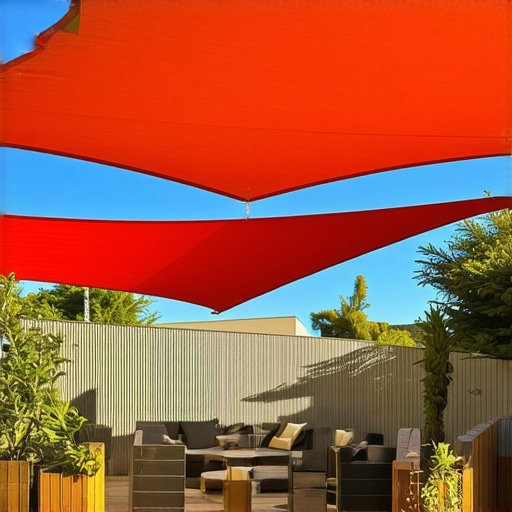
I remember countless summer afternoons sitting on my deck, squinting into the glaring sun, wishing for just a little relief. No tall trees or natural canopy in sight—just open sky and relentless heat. It hit me one day that without natural shade, my outdoor living space felt more like a sunbaked oven than a relaxing retreat. That realization sparked a quest to discover practical, stylish, and durable shade solutions that could stand up to my deck’s sunshine challenge.
Why Shade Matters on Decks Without Natural Cover
If your outdoor space lacks the comforting shelter of mature trees, you’re likely familiar with the struggle of battling the sun’s blazing rays. Not only does this make outdoor lounging uncomfortable, but it can also harm furniture and decking materials over time. I’ve learned through personal experience that effective shading is more than just a convenience—it’s essential for creating an enjoyable, usable outdoor area. Proper shading can transform a hot, unused corner into a cozy haven for family dinners, reading, or simply unwinding after a long day.
The good news? Today, I’ll share how to choose the *best shade sail* options for decks like ours—those without natural tree cover—so you can finally enjoy your outdoor space to the fullest.
Could You Be Falling for Common Shade Myths?
In my early days of improving my deck, I made a costly mistake: thinking that standard umbrellas or cheap tarps would do the job. Spoiler alert: they don’t last long and often look tacky. Early on, I overlooked how important quality materials and proper installation are, which led to cluttered, sagging, and ineffective shade. Let me tell you, trusting cheap solutions is a mistake I’ve learned to avoid. When you’re serious about creating a shaded oasis, investing in the right shade sail is key. It’s akin to choosing the right deck materials—like [composite decking](https://deckdesignbuild.com/choosing-the-right-composite-decking-for-durable-low-maintenance-outdoor-areas)—quality matters for longevity and appearance.
Understanding the importance of selecting the right shade sail can make all the difference in how your outdoor space performs and how long it lasts. So, if you’ve faced similar frustrations, you’re in good company—stay tuned, because we’re about to explore the best options for your deck.
,
Select the Ideal Shade Sail Material
Choose fabrics like solution-dyed acrylic or high-density polyethylene (HDPE) that resist fading, mold, and UV damage. During my project, I opted for HDPE because it provided robust UV protection and maintained its color after months of sun exposure. Always verify the material’s UV rating; a sun protection factor (SPF) of 50+ is ideal for prolonged outdoor use.
Measure and Plan Your Shade Coverage
Accurately measure your deck’s dimensions and identify the areas that need shading most. Use a fabric tape measure and mark the points where the sails will be anchored. I used a chalk line to visualize the intended shade pattern, which helped prevent miscalculations during installation. Remember, a slight overhang enhances water runoff and provides extra shade, so consider adding a few extra inches to your measurements.
Anchor Points Must Be Secure and Adjustability Considered
Install sturdy anchor points—such as steel eye bolts or beams—capable of handling the tension. During my installation, I attached turnbuckles at each corner to allow for tension adjustments later. Proper tension prevents sagging and flapping, which can cause wear and noise. Think of it like building a suspension bridge: tension and stability are key to longevity.
Use Heavy-Duty Hardware and Protective Coatings
Opt for galvanized or stainless-steel hardware to prevent rust. I coated my anchor points with a marine-grade sealant, mirroring techniques used in boat construction, ensuring corrosion resistance. This step is crucial if your deck is exposed to salty coastal air or high humidity.
Install the Shade Sail Thoughtfully
Begin by attaching the sails to the anchor points, tightening gradually with the turnbuckles to avoid uneven tension. During my attempt, I started at one corner and worked my way around, constantly checking for even stretch and levelness. Using a spirit level during installation can ensure your shade stays flat and visually appealing.
Maintain and Adjust Your Shade Regularly
Inspect fasteners and fabric for signs of wear or damage, especially after storms or high winds. During my last check, I noticed a small tear developing on one edge, which I reinforced immediately. Regular maintenance prolongs the life of your shade sail and keeps your deck shade-effective year-round. If your space lacks natural cover, mastering these steps transforms your deck into a cool oasis—just like I’ve managed in my own backyard—without relying on natural greenery. For additional ideas on optimizing outdoor living spaces, visit this resource.
Many homeowners and even seasoned DIYers believe that selecting materials or designing features like stairs is straightforward, but the nuances often trip up the unwary. One common myth is that all composite decking is created equal; in reality, the quality varies dramatically, with some brands offering superior UV resistance and less thermal expansion. As I’ve observed, choosing the wrong type can lead to warping, fading, and costly replacements sooner than expected. It’s essential to evaluate manufacturer specifications and expert reviews, such as those found in this guide to ensure durability and sustainability.
Another frequent mistake is underestimating the importance of proper stair design. People often overlook the significance of consistent riser heights or the necessity of proper support framing, which can lead to uneven, unsafe steps. This is especially critical when integrating stairs with decks that have complex geometries or variable terrain. For advanced outdoor spaces, I recommend reviewing these innovative stair design solutions to prevent costly errors.
How can a detailed understanding of deck load capacities influence your design choices?
This is a question that often escapes initial planning but is vital for safety and longevity. Excessive or uneven loading can compromise structural integrity, especially in decks supporting hot tubs, outdoor kitchens, or frequent gatherings. Consulting structural experts or leveraging detailed load calculations, such as those discussed in this resource, can save you from costly mistakes. Remember, overlooking such nuanced factors might lead to premature wear or even structural failure. Think about it: investing a little more in thorough planning yields long-term peace of mind and better enjoyment of your outdoor oasis.
Furthermore, selecting the right hardware and fasteners is often underestimated. Using coated or stainless-steel fasteners reduces corrosion risk, especially in salt-air coastal regions, prolonging the life of your deck and stairs. The proper tensioning of shade sails or the elevation adjustments of stairs also play a crucial role in maintaining aesthetic appeal and safety over time. Don’t fall into the trap of skimping here—quality hardware and meticulous installation boost your outdoor space’s durability. For detailed hardware techniques, check out this article.
Ultimately, understanding these nuanced aspects—material selection, structural support, hardware quality, and detailed design—is what elevates an outdoor project from average to extraordinary. Don’t get caught off guard by overlooked details that could undermine your efforts. Remember, a well-designed deck with thoughtfully integrated stairs, composite materials, and outdoor amenities can significantly increase your property’s value and your enjoyment. Have you ever fallen into this trap? Let me know in the comments and share your experiences or questions!
Tools That Make Maintenance a Breeze
Maintaining your deck, stairs, or composite decking doesn’t have to be a chore when you have the right tools. I swear by my cordless impact driver, which speeds up fastener replacement and adjustments, especially when securing hidden fasteners on the last boards, as discussed in this guide. Also, a good orbit sander with dust extraction capability helps keep the deck surface clean and smooth for years of enjoyment.
For cleaning stubborn stains on composite surfaces, I prefer a soft-bristle deck brush paired with a specialized cleaner, rather than power washing, which can damage the boards over time. A deck-specific pressure washer with adjustable psi allows me to clean without risking damage, and I always follow manufacturer recommendations to avoid voiding warranties.
Essential Software for Planning and Design
Digital tools have transformed how I approach outdoor projects. Using 3D modeling software, like SketchUp or proprietary deck design apps, helps me visualize complex features such as built-in privacy screens or custom stairs, which you can explore in these ideas. I also leverage project management apps like Trello to keep track of supplier orders, tools, and maintenance schedules, ensuring nothing slips through the cracks.
Long-Term Results Require Regular Checks
My routine now includes annual inspections with a sturdy flashlight and a notepad. I look for signs of wear—such as loose fasteners, potential wood rot at stair stringers, or tear in shade sails. Maintaining precise tension in shade sails with a tension meter ensures they stay taut and effective, preventing sagging and wear, as highlighted in this article.
How do I keep outdoor living features functioning over time?
The key is a mix of good tools, smart planning, and consistent inspections. For instance, investing in high-quality hardware like marine-grade stainless steel fasteners has paid off—especially in coastal environments—to combat rust and corrosion. Regular application of protective coatings to support structures extends their lifespan significantly. Spatial planning tools help me ensure that even as my deck evolves, I can adapt and scale without sacrificing durability or safety.
Looking ahead, I predict the trend toward smart outdoor systems will accelerate. Automated lighting, sensor-based shade adjustment, and weather-responsive watering systems are just on the horizon, making maintenance even easier. To get ahead, try integrating a simple moisture meter and a comprehensive maintenance schedule—these small investments can save huge headaches down the line. Want to see how I set up my system? Visit this resource.
The Hardest Lessons I Learned About deck builder,stairs,composite decking,outdoor living
One of the most impactful lessons I encountered was realizing that investing in premium materials and proper installation can save you from costly repairs and frustration down the line. I once attempted a quick fix with cheap shade sails, only to find them sagging and tearing after a few storms. That taught me to prioritize quality and correct tensioning techniques, which made my outdoor space more durable and enjoyable. Another revelation was understanding that every outdoor feature, from stairs to lighting, influences the overall safety and aesthetic, reminding me to pay attention to the details that truly matter in design and maintenance. Lastly, I learned that planning for future upgrades—like integrating automated shades or smart lighting—can elevate your outdoor living experience significantly, making your deck not just beautiful but truly functional.