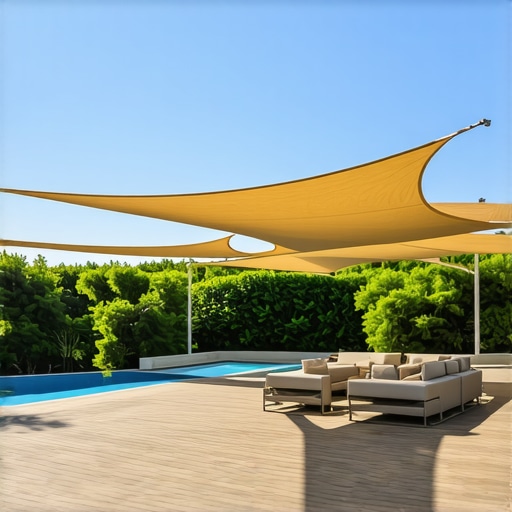
I’ll never forget the summer I realized my outdoor lounge was turning into a sun-scorched oven. Sitting on my deck, I noticed the glaring sunlight bouncing off the new composite decking, making it almost impossible to enjoy my outdoor space during the afternoon. I loved my backyard, but the blazing heat and relentless rays had become my biggest obstacle. That lightbulb moment led me on a quest to find a practical, stylish solution—one that didn’t involve trimming trees or embarking on costly roof renovations.
Why Shade Sails Might Be Your Best Bet for a Deck Without Overhead Cover
Living in a region without mature overhead trees or existing structures overhead often means accepting the sun’s unfiltered power. But you shouldn’t have to sacrifice outdoor comfort just because nature hasn’t provided the shade. Enter shade sails—flexible, attractive, and surprisingly effective options that can turn your sun-baked deck into a cozy oasis.
There’s a reason why more homeowners are turning to shade sails for their decks. According to recent deck trends for 2025, outdoor shading solutions like sails are gaining popularity for their versatility and aesthetic appeal. Plus, they’re budget-friendly compared to retrofitting beams or installing permanent structures. Think of shade sails as the stylish armor against harsh sunlight—improving usability, protecting your investment, and elevating your outdoor space’s overall vibe.
But here’s the catch—many people, myself included early on, make mistakes like choosing the wrong fabric or ignoring proper installation. That’s why it’s critical to understand what works best for your particular deck. Are you ready to explore how to select and install the perfect shade sail? Let’s dive into how you can turn that sunny nightmare into a shaded sanctuary.
Can You Trust Shade Sails to Actually Keep Your Deck Cool?
Honestly, I was skeptical at first. I remember thinking, “Will a piece of fabric really block enough sun and heat?” I learned the hard way—my initial choice of a cheap, thin sail barely shaded anything, let alone kept the heat away. The truth is, not all shade sails are created equal. The real game-changer is choosing a high-quality, UV-resistant fabric designed for outdoor durability. When installed correctly, they can block up to 95% of harmful UV rays, drastically reducing the surface temperature of your deck and making outdoor lounging enjoyable again. For expert advice on this, check out the tips for selecting durable outdoor materials.
Have you faced similar doubts or tried shading solutions that didn’t quite work? If so, don’t worry—you’re not alone. We’re about to explore the key considerations to ensure your shade sail investment pays off and keeps you comfortably shaded for years to come.
Select the Perfect Fabric for Your Shade Sail
Think of your shade sail fabric as the skin of a protective cloak—its quality determines how effective and durable the shade will be. To choose wisely, opt for UV-resistant, high-density polyethylene material that blocks up to 95% of the sun’s harmful rays. During my own project, I made the mistake of selecting a cheap, lightweight fabric, which barely shaded anything and faded quickly. I learned that investing in quality seats you for the long haul. For more in-depth fabric choices, visit this guide on outdoor materials.”} ,{Many homeowners fall prey to oversimplified notions about outdoor living spaces, composite decking, and deck construction, often leading to costly mistakes. One widespread myth is that high-quality materials alone guarantee longevity, but forget to consider proper installation techniques and nuanced design details that truly make a difference. For example, installing decking boards without understanding thermal expansion can cause warping over time—something that experts have highlighted as a critical factor in durable outdoor spaces. To avoid such pitfalls, working with a skilled deck builder who knows these intricacies is essential.
Another advanced mistake is neglecting the importance of proper drainage and ventilation, especially when designing stairs and transitions. Poorly planned drainage can lead to rot and structural issues that are often overlooked during initial planning phases.
How can understanding thermal movement improve your deck’s lifespan?
Many assume that composite decking is entirely maintenance-free and impervious to issues like expansion, but recent studies indicate that even capped composites can undergo thermal expansion, affecting fit and finish over years. Recognizing this nuance allows for strategic spacing and fastening methods, which can save hundreds of dollars in repairs down the line. For more insights on selecting materials that withstand environmental changes, visit this guide on durable outdoor materials.
Avoiding these advanced traps requires a keen eye for detail and an understanding that successful outdoor projects are about more than just aesthetics—they involve sophisticated considerations about materials, design, and environmental factors. Think of it as elevating your project from just ‘good enough’ to truly outstanding. Have you ever fallen into this trap? Let me know in the comments.
Maintaining your outdoor deck and associated structures requires the right tools and a strategic approach. As someone who’s spent years building and caring for decks, I can attest that investing in quality equipment streamlines maintenance and extends the lifespan of your materials. One essential tool I rely on is a high-quality power washer with adjustable pressure settings, such as the Simpson Cleaning 3500 PSI Gas Pressure Washer. It allows me to clean composite decking effectively without risking damage, especially when combined with a gentle deck cleaning solution like Durascrub Deck & Fence Wash. Remember, regular cleaning removes dirt, mold, and debris that can deteriorate your surface over time.
Personalized Maintenance Routines Make a Difference
Beyond cleansers, maintaining your deck’s integrity involves inspecting fasteners, joints, and framing annually. I recommend using a magnetic inspection mirror to peek into hard-to-see areas and a sturdy cordless drill with a screwdriver bit for tightening loose screws and fasteners. Periodic tightening ensures that your deck remains stable, especially around stairs and railings. For a more comprehensive approach, consider scheduling seasonal inspections—intensifying care during wet or cold months when materials are more susceptible to wear.
Choosing the Right Software for Project Planning
When planning upgrades or new installations, I use software like SketchUp for 3D modeling. It helps visualize how new stairs or fencing will integrate with existing structures, enabling precise measurements before purchasing materials. This level of planning minimizes waste and avoids costly mistakes. Expert insights on deck planning highlight how software tools have revolutionized project accuracy and efficiency.
Future Trends in Outdoor Maintenance
Looking ahead, I predict that automation will play a bigger role. Autonomous robots equipped with cameras and sensors could soon perform routine inspections, alerting homeowners to issues like loose fasteners or structural weaknesses before they become serious problems. Integrating IoT devices into your decking system—such as moisture sensors—can also provide real-time data to optimize maintenance schedules. Embracing these innovations now can save time and money while ensuring your outdoor oasis remains safe and inviting.
How do I keep my outdoor decking and stairs functioning smoothly over time?
Consistent, proactive care is key. Regularly cleaning your decking with appropriate equipment, inspecting fasteners, and making timely adjustments or repairs can prevent small issues from escalating. For stairs specifically, paying close attention to connection points and ensuring proper drainage prevents wood rot and loosening over the years. For intricate projects like custom stairs, working with a qualified deck builder ensures longevity and safety.You might also consider applying protective finishes or sealants that are specifically designed for composite materials, as recommended in the latest outdoor surface maintenance guides. Try integrating a maintenance plan with scheduled inspections and cleaning—your future self will thank you for the effort.
The Hardest Lesson I Learned About outdoor living,composite decking,deck builder,stairs
Early in my outdoor transformation journey, I underestimated how crucial proper planning is—failing to account for thermal expansion led to warped deck boards and costly repairs. It taught me that even high-quality materials need nuanced installation techniques, especially in changing climates. Now, I always double-check spacing and fastening methods, knowing that small details preserve longevity and aesthetics.
3 Myths About outdoor living,composite decking,deck builder,stairs That Held Me Back
One prevailing myth is that composite decking is entirely maintenance-free—yet, without regular inspections and cleaning, surfaces can degrade early. Another is that DIY projects can forgo professional consultation; honestly, expert insight saves time and prevents mistakes, especially with complex stairs design. Recognizing these myths has been pivotal in achieving durable, beautiful outdoor spaces.
What Experts Won’t Tell You About outdoor living,composite decking,deck builder,stairs
Many professionals keep silent about how vital proper drainage and ventilation are—neglecting these can cause rot despite high-end materials. Additionally, thermal movement is often overlooked; understanding this can help you choose the right fasteners and spacing, extending your deck’s lifespan. Embracing these behind-the-scenes tips has been a game-changer in my projects.
My Essential Toolkit for outdoor living,composite decking,deck builder,stairs
From a high-quality power washer like the Simpson Cleaning 3500 PSI to inspection tools such as magnetic mirrors, I rely on these to keep my decks in top shape. Precise measurement software like SketchUp further streamlines planning and prevents waste. Investing in these tools has significantly enhanced my craftsmanship and efficiency in outdoor projects.
Books That Changed How I View outdoor living,composite decking,deck builder,stairs
“Decks: Design, Construction, and Maintenance” by Steve Cory offers insights beyond surface aesthetics, emphasizing environmental considerations and durability—reading it profoundly influenced my approach. Another favorite is “The Complete Guide to Decks” by Black & Decker, which is perfect for practical, step-by-step guidance. These resources have become my trusted companions in creating resilient outdoor havens.
Your Turn to Try
Building and maintaining beautiful outdoor spaces is a continuous learning process—every project is unique, and surprises happen. Embracing advanced techniques like proper drainage, material selection, and expert consultation can make all the difference. If you’re ready to elevate your outdoor living, start with small changes today—your future self will thank you.
What’s the biggest obstacle you’ve faced when working on your deck or shade solutions? Share your story below—I’d love to hear your insights and challenges!
,