
I remember the first summer after installing my new composite deck. Eager to add a splash of color and comfort, I bought a beautiful outdoor rug, only to realize a few weeks later that beneath it, my boards were starting to show signs of mold and rot. It was a lightbulb moment for me—some rugs can turn into moisture traps, especially if you’re not careful about choosing the right materials. Not only was I dealing with unsightly messes, but I also risked damaging my deck’s structure, which was both frustrating and costly.
Why Picking the Right Outdoor Rug Material Is Crucial for Your Deck’s Longevity
Ensuring your outdoor living space remains inviting and durable means paying attention to what lies beneath. Choosing the best outdoor rug materials isn’t just about style; it’s about protecting your investment. Materials that trap moisture can create a breeding ground for mold, mildew, and wood rot, compromising the integrity of your deck over time. In my experience, a careful selection of rug materials has been one of the simplest ways to preserve my deck for years to come.
Is Everyone Overhyping Synthetic Rugs? Myths Debunked
Initially, I thought that any outdoor rug would be fine as long as it was labeled weather-resistant. I made the mistake of ignoring the material composition and focusing solely on appearance. This led to mats that looked great but trapped more moisture than I expected. According to a study by the [University of California Cooperative Extension](https://ucanr.edu), synthetic materials like polypropylene can be resistant to fading, but they can also trap humidity if not designed properly. The key is finding one that breathes and dries quickly, keeping moisture out of your decking boards.
Are you tired of dealing with soggy, moldy rugs that ruin your outdoor vibe? Do you want to enjoy your backyard without the constant worry of deck rot? If so, understanding the right materials for your outdoor rug is the first step. In the upcoming sections, I’ll walk you through the best choices and share insider tips to help you make a wise investment that lasts.
Ready to transform your outdoor space? Let’s dive into the top materials that will keep your boards dry and your patio beautiful.
Select Durable Materials That Resist Moisture
Start by removing the guesswork. I once bought a cheap, bright-patterned rug that looked great but turned my deck into a soggy mess in the rain. To avoid this, opt for materials like polypropylene or tightly woven synthetic fibers designed for outdoor use. These materials dry quickly and don’t trap moisture, effectively reducing mold and rot.
Pre-Design Inspection: Know Your Deck’s Environment
Before selecting a rug, assess your deck’s exposure. Is it shaded or exposed to intense sunlight? Is it prone to pooling water? During a rainy week, I noticed my lightweight rug stayed damp longer on my shaded back porch. Choosing water-resistant, breathable fabrics kept my deck dry and prevented damage. Use a moisture meter or simply observe water puddles to understand your specific environment better.
Measure and Match Your Space Precisely
Proper sizing prevents tripping hazards and reduces folds that trap water. I learned this the hard way when I underestimated my deck’s irregular shape, causing a ripple in the rug that collected debris and moisture. Use a tape measure or laser distance tool for accuracy, then select a rug size that fits snugly, with at least 3 inches of clearance around the edges for ventilation and cleaning.
Secure The Rug Properly to Prevent Movement and Water Traps
Anchor your rug using outdoor-safe tape or non-slip rug pads. During a summer party, my unruly rug shifted, creating a gap that retained water and dirt. I fixed this by applying double-sided weather-resistant tape along the edges and placing a slip-resistant pad underneath. This not only keeps it in place but also allows air circulation to aid drying.
Regular Maintenance Is Key
Incorporate routine cleaning into your outdoor upkeep. I schedule monthly inspections, removing debris, and hosing down the rug with a mild detergent. After cleaning, I always let it dry completely before placing it back. This practice prevents mold buildup and extends the lifespan of both the rug and my deck boards.
Opt for Materials That Enhance Airflow
Materials like woven synthetic fibers facilitate better airflow, helping moisture escape. I replaced my old, dense rug with a vented polypropylene option, which improved drying time and kept my deck clean. Check product labels for breathability features or consult with a professional for recommendations.
Incorporate Design for Aesthetic and Function
Choose colors and patterns that hide dirt and complement your outdoor aesthetic. When I selected a neutral-toned, textured rug, it hide dirt well and added elegance. Use the design to your advantage—darker shades can mask stains, but ensure the material remains breathable and moisture-resistant.
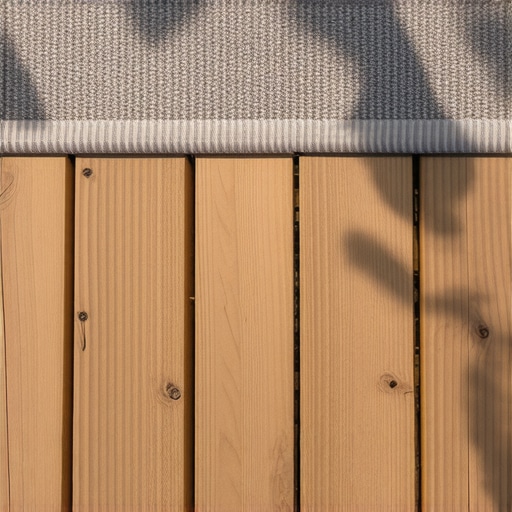 While many novice deck builders focus on selecting the right materials and basic designs, there are subtle nuances that, if misunderstood, can lead to costly mistakes or compromised safety. One widespread misconception is underestimating the importance of understanding the structural intricacies of stairs and framing. For instance, some believe that simply following standard code requirements suffices, but expert insights reveal that customizing stair dimensions and load considerations—especially for heavy loads like hot tubs—can make a significant difference in durability and usability. According to a study by the [National Association of Building Inspectors](https://nabi.org), overlooked load calculations are a leading cause of deck failures, emphasizing the need for precise engineering beyond generic codes.
Have you ever considered that the common advice to just ‘use pressure-treated wood’ for decking might overlook crucial factors like local climate and maintenance longevity? Many get caught in the trap of choosing materials solely based on initial cost, ignoring long-term performance, especially in coastal or high-humidity environments. For example, composite decking trends for 2025 highlight that newer mineral-core options offer superior resistance to moisture, mold, and UV degradation, challenging traditional preferences. Exploring these advanced materials can help you eschew frequent repairs and replacements.
When it comes to outdoor stairs, the nuances are even more critical. A frequent mistake is neglecting proper riser and tread proportions that optimize safety and comfort. While building codes often specify minimum dimensions, incorporating human factors—like the natural walking rhythm—can drastically improve walking comfort and safety for all age groups. The key is designing stairs that are not just compliant but also ergonomic. For in-depth insights, check out [this guide on modern outdoor stairs designs](https://deckdesignbuild.com/elevate-your-home-top-stairs-designs-for-modern-outdoor-spaces), which discusses how tailored stair sizing enhances both aesthetics and functionality.
Additionally, the misconception that all fasteners are equal can be dangerous. Using non-corrosive screws—like stainless steel—is often overlooked, especially in coastal areas where salt spray accelerates metal degradation. This oversight isn’t just about longevity; it also affects structural integrity—loose or failing fasteners can cause deck components to become unstable. Investing in the right fasteners and understanding their correct installation techniques is crucial. For example, a hidden routine is pre-drilling to prevent splitting and ensure tight fastening, which preserves the deck’s safety and look.
Finally, do you know the importance of ventilation and moisture management beneath your deck? Many builders focus solely on choosing weather-resistant decking boards but ignore the critical airflow underneath, which prevents mold, rot, and structural weakening. Proper flashing, drainage gaps, and venting systems act as the unseen protectors of your deck’s lifespan. For more on this, see [how a skilled deck builder can turn your garden into a private oasis](https://deckdesignbuild.com/how-a-skilled-deck-builder-can-turn-your-garden-into-a-private-oasis).
Understanding these advanced nuances and avoiding common myths can dramatically extend your outdoor space’s lifespan and safety. Remember, the devil is often in the details. Have you ever fallen into this trap? Let me know in the comments.Maintaining your outdoor deck requires more than just occasional cleaning; it involves using the right tools and adopting effective methods to ensure durability over time. Personally, I rely on a few specialized tools that have made my deck maintenance routine efficient and thorough. One essential item is a high-quality power washer with adjustable pressure settings. I prefer models like the Sun Joe SPX3000, which allows me to clean the surface without risking damage to composite or wood materials. Using a pressure washer with a variable nozzle lets me remove dirt, mold, and debris without causing splinters or dishing out the surface. Another vital tool is a long-handled deck brush combined with a mild cleaning solution—this helps reach tight corners and under-railing areas that often collect grime. For stubborn stains, I reach for a composite-friendly cleaner, such as Star Brite’s Composite Deck Cleaner, guaranteed to neutralize mold and algae without etching or discoloring the surface. Regular inspections are crucial; I utilize a moisture meter like the Luster Leaf Rapitest Digital to monitor moisture levels beneath my deck, which is especially important for composite decking that relies on proper drainage and ventilation. These tools have empowered me to catch issues early, preventing costly repairs or replacements. Looking ahead, the trend seems to favor smart maintenance solutions—think Wi-Fi-connected sensors that continuously monitor moisture and weather impact, alerting you before problems escalate. Adopting such technology could revolutionize how we care for our outdoor spaces.
How do I keep my deck functioning smoothly over time?
Routine maintenance is key. Schedule biannual deep cleanings, inspect fasteners and railings for corrosion or looseness, and ensure drainage gaps remain clear. Periodically reapply a protective sealant or a penetrating oil designed for composite materials; this enhances longevity and keeps surfaces looking fresh. Remember, using the right tools—like a pressure washer with adjustable settings and specialized cleaners—makes all the difference in maintaining the integrity of your deck. Don’t hesitate to experiment with advanced techniques, such as installing vapor barriers beneath the boards to improve airflow and moisture escape, as recommended by experts in wooden structures. Try incorporating a moisture meter into your routine—it’s a small investment that provides peace of mind and helps you catch issues early, saving significant costs down the line. For more detailed advice on elevating your outdoor space’s durability, check out [this guide on transforming your deck with professional insights](https://deckdesignbuild.com/transform-your-space-expert-deck-builder-tips-for-stunning-outdoor-living). Ready to take your deck maintenance to the next level? Consider testing your moisture levels regularly with a digital meter and adjusting your cleaning schedule accordingly. Your deck’s lifespan will thank you.
What I Wish I Could Tell My Younger Self About Deck Building
One of the most valuable lessons I learned was the importance of understanding the environment where your deck resides. In my early days, I overlooked how sunlight, humidity, and foot traffic could influence the longevity of materials, leading to mistakes that cost me time and money. Recognizing that each outdoor space is unique taught me to tailor my choices—like selecting breathable, moisture-resistant composites for coastal areas or shaded decks—ensuring durability and peace of mind.
Another insight came from experimenting with fasteners. I used standard nails initially, only to discover they loosened and created hazards. Transitioning to stainless steel, corrosion-resistant screws made a monumental difference. This small change extended the life of my railing and prevented costly repairs. It reaffirmed that investing in quality hardware not only safeguards safety but also preserves aesthetics over the years.
Finally, I realized that regular inspections and maintenance are non-negotiable. Setting a schedule for deep cleaning, checking fastener tightness, and monitoring moisture levels helped me catch issues early. Incorporating tools like a moisture meter turned routine upkeep into a proactive strategy. My biggest breakthrough was understanding that maintaining a deck is an ongoing process—one that, when approached with patience and proper knowledge, transforms a simple outdoor space into a lifelong retreat.
My Top Tools and Resources for Deck Longevity
- Stainless Steel Fasteners: These are my go-to for durability, especially in harsh climates. Their resistance to corrosion ensures structural integrity over many seasons.
- Moisture Meter: Investing in a reliable moisture meter was eye-opening. It helped me detect hidden moisture issues beneath decking boards before they became serious problems. Check out options like the Luster Leaf Rapitest Digital for accurate readings.
- Quality Deck Cleaners: Regular cleaning prevents mold and extends the appearance of my deck. I trust brands like Star Brite for their gentle yet effective formulations.
- Online Guides and Expert Blogs: Resources such as this comprehensive guide have been instrumental in fine-tuning my knowledge, especially about modern materials and techniques.
Keep Building — Your Outdoor Oasis Awaits
Embarking on deck projects or maintenance with a mindset focused on longevity and detail makes all the difference. Every time I invest a little extra effort or recall a lesson learned, I improve not just the structure but also the joy of my outdoor living space. Remember, durability isn’t just about choosing the right materials—it’s about consistent care, smart tool use, and a passion for perfecting your backyard retreat. So, are you ready to elevate your deck’s lifespan and create an outdoor space that truly lasts? Share your biggest challenge or success below—I’d love to hear how your journey is unfolding!
,