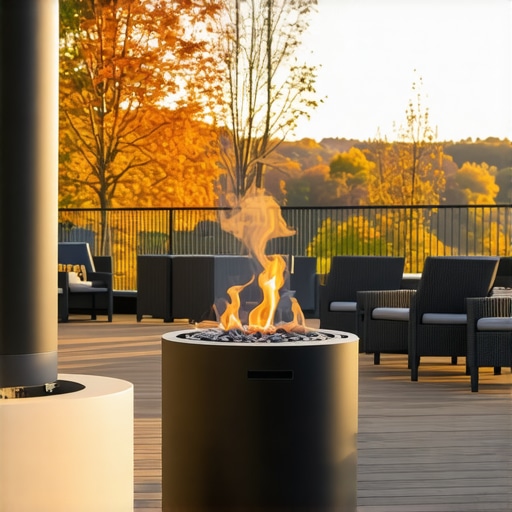
It was a chilly October evening when I finally realized my outdoor deck was becoming less inviting. Despite my best efforts, those crisp breezes and dropping temperatures kept me off the space I had envisioned as an extension of my home. That lightbulb moment made me ask: how can I continue to enjoy my deck well into late autumn? If you’ve faced the same frustration—seeing your outdoor space go unused because of the cold—you’re not alone. In fact, many outdoor enthusiasts discover that without proper heating, their beautiful decks turn into uncomfortable frost zones, especially when hosting friends or enjoying quiet evenings alone.
Why Heating Your Deck Matters More Than Ever
In today’s busy world, creating a cozy outdoor retreat isn’t just about aesthetics; it’s about maximizing your home’s living space. With the popularity of composite decking and seamless outdoor designs, many of us have invested significant time and resources into creating inviting environments. Yet, as temperatures dip, these spaces often become off-limits. A good outdoor heater can bridge that seasonal gap, transforming your deck from a chilly afterthought into a warm sanctuary. Interestingly, according to a report by the American Society of Heating, Refrigerating and Air-Conditioning Engineers, adding outdoor heating solutions can extend outdoor living seasons by a remarkable 3-4 months in colder climates.
Is the Hype About Deck Heaters Just Backcountry Fiction?
Early on, I made a common mistake—overestimating the power of simple space heaters meant for indoor use. They barely warmed my space and drained the neighborhood of their effectiveness or safety warnings. It was a wake-up call about understanding the right type of heater for outdoor use and the importance of proper installation. If you’ve ever been tempted to pick up any heater labeled ‘outdoor-safe’ without doing your homework, I urge you to consider professional guidance. Real outdoor heating solutions not only keep your space warm but also ensure safety and efficiency. Curious about the options? Check out [this guide](https://deckdesignbuild.com/choosing-the-right-composite-decking-for-durable-low-maintenance-outdoor-areas) for how decking materials can maximize your outdoor enjoyment alongside heating tips.
Choose the Right Type of Heater
Start by selecting a heater suitable for outdoor use; infrared and gas patio heaters are popular for their efficiency. I once bought a small ceramic space heater intended for indoor spaces, which barely warmed my deck and was unsafe outdoors, leading to a messy troubleshooting session. To avoid this, read product specifications carefully and prefer models explicitly rated for outdoor environments.
Plan Your Layout and Placement
Visualize your deck and decide where heaters will do the most good without obstructing walkways or seating areas. Think of your deck as a stage; the right placement of heaters acts like stage lighting, illuminating every corner evenly. During my first attempt, I placed a heater too close to a patio umbrella, which led to awkward safety concerns. Use a tape measure to maintain safe distances, and consider the wind direction to optimize heat distribution.
Consider Power Sources and Safety
Ensure your chosen heaters match your power supply—electrical outlets or gas lines. For electric heaters, you might need to install outdoor-rated outlets and extension cords. Gas heaters require proper ventilation and safe gas line connections. I struggled initially by plugging a heater into an indoor outlet, causing frequent tripping. Later, I installed dedicated outdoor outlets following electrical safety standards, which improved performance and safety.
Install Supporting Structures if Needed
Some heaters need mounting brackets or stands. Use a sturdy, level surface or wall mount to prevent tipping. Think of this as anchoring a sail; stability is crucial for safety. I once tried placing a heater on a wobbly table, and it nearly tipped over during a gusty evening, which was a lesson in the importance of stable mounting options.
Secure Cord and Gas Line Safety
Route cords away from walkways to prevent tripping hazards, and secure gas lines following manufacturer instructions. Use weatherproof covers to shield outlets and connections from rain and snow. I learned the importance of weatherproofing after my outdoor outlet short-circuited during a rainstorm, rendering my heater useless until I fixed the wiring.
Test and Fine-Tune Positioning
Once installed, turn on the heater and observe coverage. Adjust placement to eliminate cold spots and ensure even heat distribution. During my initial testing, I noticed that moving the heater five inches closer to the seating area significantly increased comfort, emphasizing the value of fine-tuning post-installation.
Maintain Regular Safety Checks
Schedule routine inspections for electrical connections and gas lines. Clean heaters regularly to prevent dust buildup that can impair functioning. For example, I once neglected to clean my heater’s vents and experienced decreased efficiency, reminding me that regular maintenance keeps your outdoor heating effective.
By following these concrete steps, your deck transforms from a chilly space into a year-round outdoor haven. Remember, safety and proper planning are key to enjoying cozy evenings without worry.
,While many assume that a straightforward approach works for designing decks and outdoor spaces, **the truth is far more nuanced**. A common misconception is that choosing the most popular composite decking brand guarantees a hassle-free experience. However, **not all composites are created equal**, and selecting the wrong type can lead to warping, fading, or installation headaches. Experts stress the importance of understanding the specific **material properties** like UV resistance and thermal expansion to ensure longevity, as highlighted in a recent study on composite trends.
Are You Falling for the One-Size-Fits-All Deck Strategy?
Many DIY enthusiasts and even some pros underestimate **advanced load calculations and structural nuances**, which can result in unsafe stairs or unstable railings. For instance, overlooking the **load-bearing capacity of certain framing techniques** can cause long-term safety risks. A common trap is assuming that standard spacing and fastening methods suffice across all projects—**but precise, site-specific considerations are critical**. To deepen your understanding, check out [this insight](https://deckdesignbuild.com/deck-builder-insights-designing-your-dream-outdoor-space) on customizing your deck design.
What Most Get Wrong About Outdoor Stairs and Safety
A frequent mistake is **ignoring proper span and rise ratios** when building stairs, leading to discomfort or safety hazards. Many focus on aesthetic details like baluster placement but neglect **the importance of stair treads’ depth and slip resistance**, which directly impact user safety. For example, using smooth, untextured composite treads without anti-slip treatment increases fall risk, especially in wet conditions. Incorporate features like textured surfaces and proper lighting to mitigate these issues, as discussed in [this guide](https://deckdesignbuild.com/innovative-stairs-solutions-for-safe-outdoor-deck-access).
Why Do Some Stairs Fail Even if They Look Perfect?
The hidden culprit often lies in **insufficient fastening methods or poor stringer support**, which can cause wobbling or creaking over time. When installing stairs, overreliance on nails instead of deck screws can compromise stability due to **nail loosening or withdrawal** under load. Additionally, neglecting **adequate flashing and drainage around the stair stringers** can lead to rot and structural failure. This underscores the significance of **professional guidance**—a reliable deck builder considers these subtle yet vital details. For expert advice, visit [this detailed article](https://deckdesignbuild.com/creating-seamless-transitions-stairs-as-key-elements-in-outdoor-living). Have you ever fallen into this trap? Let me know in the comments. When it comes to outdoor living, understanding the **nuances and avoiding common pitfalls** can elevate your space from good to spectacular. Remember, a well-designed deck isn’t just about looks—**it’s about safety, durability, and enjoyment for years to come**.Maintaining your outdoor deck over time requires the right tools, consistency, and a strategic approach. First, I rely heavily on a high-quality cordless power washer, such as the Karcher K5, to remove dirt and prevent buildup that can compromise composite decking surfaces. Its adjustable pressure settings allow me to clean effectively without damaging the material. For sealing and protective treatments, I recommend using a dedicated deck sprayer like the Orbit ProSpray, which ensures even application of sealants or stain finishes, extending the lifespan of your boards.\n\nBeyond cleaning tools, investing in a moisture meter helps me monitor the wood’s condition precisely. A cyberTechmoistureMeter is invaluable for early detection of excess moisture penetration, especially in high-humidity environments, helping prevent rot and warping. Regular inspections with these tools enable proactive maintenance, which significantly reduces long-term repair costs.\n\nIn terms of software, I leverage deck design programs like SketchUp or the Deck Designer app to visualize modifications or expansions before committing physically. These tools assist in ensuring structural integrity and aesthetics, which is crucial when scaling your outdoor living space or adding features like stairs or built-in seating. Their simulation capabilities prepare you for real-world challenges, saving both time and money.\n\nFor ongoing upkeep, I follow a monthly maintenance schedule that incorporates these tools—cleaning, inspecting, sealing, and planning upgrades. This proactive approach keeps my deck beautiful and functional for years. Looking ahead, the trend leans toward automation; robotic pressure washers and smart moisture sensors will increasingly simplify long-term maintenance. Embracing these innovations now can future-proof your outdoor investments.\n\n
How do I maintain my deck and stairs over time?
Perform regular inspections with a moisture meter to identify issues early, clean surfaces with a power washer set to the appropriate pressure, and reapply protective sealants using an even sprayer. Don’t forget to check structural elements like stairs and railings, tightening fasteners and replacing worn components promptly. For example, replacing deteriorated stairs early with custom solutions from a professional can prevent safety hazards and save money. If you’re considering expanding or upgrading, consult a skilled deck builder—discover how an expert can help maximize your outdoor space safely and stylishly by visiting our [contact page](https://deckdesignbuild.com/contact-us). To streamline and enhance your maintenance routine, I highly recommend trying a moisture meter combined with a power washer tailored for composite materials. These tools make a tangible difference in maintaining safety, beauty, and durability over the years, ensuring your outdoor oasis remains inviting and worry-free. Remember, *consistent care today results in a beautiful, functional deck tomorrow.*
What I Wish I Knew When Installing My First Deck
One of the most valuable lessons I learned early on was the importance of detailed planning and trusting craftsmanship over shortcuts. Rushing the measurement process led to uneven steps, reminding me that patience and precision pay off in the long run. Never underestimate the power of thoroughly researching the best materials and techniques—these small details can prevent costly mistakes down the line.
The Hidden Factors That Make or Break Outdoor Heating Success
While choosing a heater seems straightforward, understanding wind patterns, proper insulation, and safe power sources significantly impacts performance. I once installed a heater without considering prevailing winds, and it rendered my efforts ineffective. Now, I always take the time to observe my space and plan placement meticulously, ensuring warmth reaches every corner comfortably.
Why Structural Support Is Your Best Friend
Unsuspecting deck builders often underestimate load capacity, leading to sagging or, worse, unsafe structures. My biggest breakthrough was learning about proper framing techniques and the importance of using double joists where needed. Investing in solid foundations not only prolongs your deck’s lifespan but also keeps your family safe, which is truly priceless.
Investing in the Right Tools for Lasting Results
From moisture meters to high-quality power washers, the tools I’ve adopted have transformed my maintenance routine. A good moisture meter helps me catch issues early, preventing rot, while a powerful but safe pressure washer restores my deck’s beauty. Over time, these investments prove their worth by saving me from costly repairs and providing peace of mind.
Lighting Up Your Outdoor Oasis: Bright Ideas to Try
Subtle lighting enhances safety and ambiance, but the small details make a big difference. I discovered that placing LED strip lights under railings and using solar stakes along walkways creates a magical environment. Thoughtful lighting not only extends your outdoor enjoyment but also highlights your craftsmanship—making every evening special.
Curated Resources to Elevate Your Deck Building Journey
To deepen my knowledge, I rely on expert guides such as the comprehensive deck design insights and trusted suppliers of high-quality composite decking materials for durability and low maintenance. These resources keep me informed about latest trends and best practices, ensuring that every project I undertake stands the test of time.
Your Outdoor Future Starts Now
Transforming your deck from a simple outdoor space into a stunning retreat begins with taking small, informed steps. Embrace both the technical nuances and aesthetic possibilities—your effort will reward you with countless memorable evenings outdoors. Remember, each project is an opportunity to learn and grow as a builder and outdoor enthusiast.
What challenge have you faced when trying to add outdoor heating or build stairs? Share your story below—I’d love to hear your experience and offer advice!
,