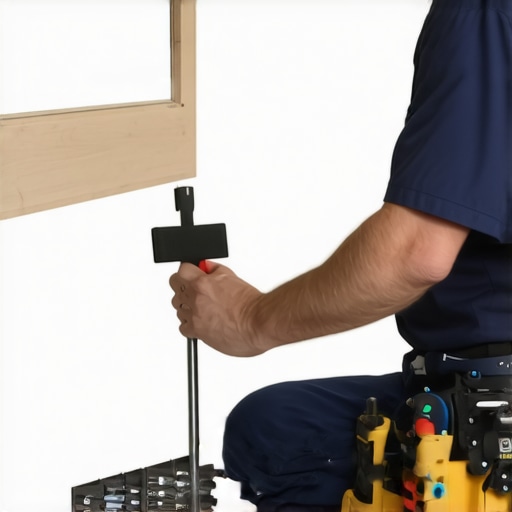
Imagine this: You’re finally wrapping up your outdoor project—your new deck looks stunning, the stairs invite you to step out, and the fascia boards frame everything perfectly. But then, a year later, those boards start warping, loosening, or worse, popping off just as you’re hosting friends. I’ve been there, and honestly, it’s a frustrating experience that many homeowners overlook until it hits them hard.
It was during one hot summer afternoon that I realized my mistake. I had used standard wood screws—nothing fancy, just what I had lying around—to secure my composite fascia boards. As days turned into months, I watched as those screws expanded and contracted with the heat and moisture, causing gaps and wobbles. That lightbulb moment made me dig deeper into the world of fasteners, and I discovered a game-changer: Skip the usual wood screws and opt for specialized fasteners designed for composite decking.
Today, I want to share my experience and guide you through why this simple switch can save you headaches and money in the long run. If you’re planning to upgrade or maintain your outdoor space, understanding the right fasteners is crucial. We’ll explore the differences, the common pitfalls, and how choosing the correct hardware can ensure your fascia boards stay pristine for years.
Why Standard Wood Screws Fall Short with Composite Boards
The core issue with traditional wood screws is their design. They’re made for wood, which is a natural, forgiving material that shrinks and swells minimally. Composite fascia boards, however, are engineered products with specific formulations that react differently to environmental changes. When you use regular wood screws, they can deform, corrode, or lose grip over time.
A common mistake I made early on was ignoring these differences. I thought that since a screw is a screw, any would do. But over time, I noticed gaps forming along my fascia edge, and some screws popped out after months of exposure. That’s when I learned about corrosion-resistant, composite-friendly fasteners, which have specialized coatings and geometry, allowing them to expand and contract without losing their hold.
Trust me, the difference is striking. Using the right screws isn’t just about aesthetics; it’s about structural integrity and safety. Plus, the cost of replacing screws or fixing warping issues far exceeds the initial investment in better hardware. Want to see how expert builders approach this? Check out how a skilled deck builder can turn your garden into a private oasis, or explore inspiring outdoor ideas that incorporate durable materials for every budget.
And yes, avoiding these pitfalls is easier than you think once you know what to look for. So, if you’ve faced loose fascia boards or unsightly gaps, this might just be the solution you need. Up next, we’ll cover the specific types of fasteners you should be considering for your composite project.
Choose corrosion-resistant fasteners to match the environment
During my recent porch upgrade, I learned firsthand how important fastener selection is. I replaced my basic screws with stainless steel screws, which resist rust from moisture exposure. This step significantly improved the longevity of my fascia boards, preventing warping and loosening over time. Use corrosion-resistant fasteners designed specifically for composites to avoid common issues. Tip: Always check the manufacturer’s recommendations for fastener material compatibility with your composite decking or fascia.
Pre-drill holes to prevent splitting and ensure tight fit
I found that pre-drilling holes was crucial when securing fascia boards, especially on edges or end grains. This step prevents the composite material from splitting under the pressure of the screw, which can lead to gaps and instability. Use a drill bit slightly smaller than the screw diameter, and apply steady pressure to create a clean hole. This method also helps align the fasteners precisely, improving overall appearance and durability. It’s a simple, yet effective practice that I now swear by for all fascia projects.
Use landscape or stainless steel screws for flexibility and strength
In my project, I swapped out regular wood screws for high-quality stainless steel screws used in landscape applications. These screws offer greater flexibility, accommodating the expansion and contraction of composite boards without losing grip. This is especially important for fascia boards that are exposed to sun and humidity fluctuations. Remember, selecting the right screw type directly impacts how well your fascia boards stay in place and look finished. For more insights, you might want to explore how to prevent composite boards from creeping.
Secure fasteners with proper spacing and depth
During my installation, I paid attention to fastener spacing and depth. I typically placed screws every 16 inches along the fascia, ensuring even support distribution. Using a drill with a depth-stop collar, I set the screws to seat just below the surface without overdriving, avoiding damage to the composite surface. Proper spacing prevents warping, while correct depth maintains a smooth finish. If you’re unsure about spacing and depth, a quick review of [deck stair and fascia installation](https://deckdesignbuild.com/creating-seamless-transitions-stairs-as-key-elements-in-outdoor-living) can guide you.
Seal or paint fastener holes if desired for extra protection
To add an extra layer of protection, I filled the screw holes with a matching sealant and lightly painted over. This step helps prevent water ingress, which could cause internal swelling or corrosion. While not always necessary, sealing is especially beneficial in areas with heavy rainfall or humidity. It also provides a polished look, making the fascia boards appear clean and finished. Keep in mind, using a sealant compatible with composite materials ensures long-lasting performance.
While many homeowners have adopted composite decking for its low maintenance and durability, there’s a prevalent misconception that all composite boards are created equal. **Let’s dig deeper into this belief and uncover the nuances that can make or break your outdoor living experience.** One common myth is that any composite material will behave similarly over time, but the reality is that different formulations and manufacturing processes lead to significant variations in performance. For example, mineral-core composites tend to warp less and resist scratching better, especially in high-traffic areas, compared to traditional PVC-based boards. _Trust me, understanding these nuances can save you from costly replacements and unpleasant surprises._ An advanced mistake I see often is neglecting the importance of proper framing and installation techniques tailored specifically for composite materials—improper support can lead to sagging, especially with newer, more flexible boards. **Have you ever fallen into this trap? Let me know in the comments!** Additionally, many assume that all fasteners are suitable for composite decks. However, using incompatible screws or nails that aren’t corrosion-resistant can accelerate deterioration—a trap that even experienced DIY enthusiasts sometimes overlook. To truly optimize your outdoor space, consulting a seasoned deck builder can make a significant difference. They can help you select the right materials and design features, like seamless transitions and stairs, to ensure your investment lasts for years to come. Remember, composite decking is a complex material with many factors influencing its longevity. Don’t fall for oversimplified advice; instead, embrace the detailed knowledge that elevates your project from ordinary to exceptional.
Maintaining your composite decking and outdoor living features requires the right tools and a strategic approach to ensure longevity and performance. From specialized fasteners to cleaning equipment, using quality tools makes all the difference. My go-to tool for fastening composite fascia boards is the Makita Impact Driver with a set of #2 stainless steel bits. It provides sufficient torque and prevents cam-out, ensuring each screw seats perfectly without damaging the material. The impact driver’s variable speed setting helps control driving force, especially crucial when working near edges to prevent splitting.
Another essential piece of equipment is a cordless, battery-powered orbital sander. I prefer models with hook-and-loop disc attachments because they allow quick disc changes and reduce surface marring. Regular sanding helps remove minor scratches or surface irregularities that may accumulate over time, especially if sealing or painting is part of your upkeep routine. Pair this with a high-quality vacuum with HEPA filtration to keep dust to a minimum during maintenance tasks.
Investing in a digital moisture meter is a game-changer. It helps monitor moisture content in your fascia and decking boards, alerting you to potential issues like trapped water or internal swelling. This proactive approach lets you address problems before they escalate, maintaining performance and appearance.
How do I maintain my composite deck over time?
Consistent cleaning is vital. I use a deck-specific pressure washer with adjustable settings — typically around 1,500 PSI — to remove dirt, pollen, and algae without risking damage. Attach a wider spray nozzle to distribute water evenly, preventing gouges on the surface. When stubborn stains or mold appear, I turn to a cleaning solution with oxalic acid, which is effective yet gentle enough to avoid harming the composite’s surface. Always follow manufacturer recommendations for cleaning agents to preserve your warranty.
Applying a specialized composite surface cleaner—like those formulated with surfactants designed for low-maintenance decking—helps restore the boards’ appearance. After cleaning, a light application of a protective sealant designed for composites can extend the surface’s vibrance and resist staining. Remember that routine inspections for loose fasteners, especially on stairs and railings, can prevent safety hazards and structural issues. Bolts and screws should be checked semi-annually and tightened or replaced as needed.
Looking ahead, the trend in outdoor living maintenance is shifting toward smart monitoring systems. Future developments may include IoT-enabled sensors that track moisture levels and surface wear in real-time, alerting homeowners through smartphone notifications. This tech-driven approach aligns perfectly with the growing demand for seamless, hassle-free outdoor spaces.
Want to optimize your maintenance game? Try integrating a moisture meter into your routine and schedule regular cleanings with a pressure washer at low PSI. These steps, combined with the right tools, can dramatically extend the life of your composite deck and keep it looking brand new for years. For inspiration on designing durable and elegant outdoor spaces, check out expert deck builder tips.
One of the most valuable lessons I learned in my outdoor building journey is the importance of choosing the right fasteners from the start. Skipping that step can lead to costly repairs and compromised safety down the line. If you’re serious about creating a durable, beautiful outdoor space, investing in specialized, corrosion-resistant screws designed for composite materials isn’t just a detail—it’s a game changer. Moreover, understanding the subtle differences in composite formulations and installation techniques can help you avoid common pitfalls that even seasoned DIYers face. Remember, a well-planned project with the right hardware can transform not just your yard, but your entire outdoor experience for years to come. Don’t settle for quick fixes; prioritize quality and knowledge to truly elevate your outdoor living spaces.