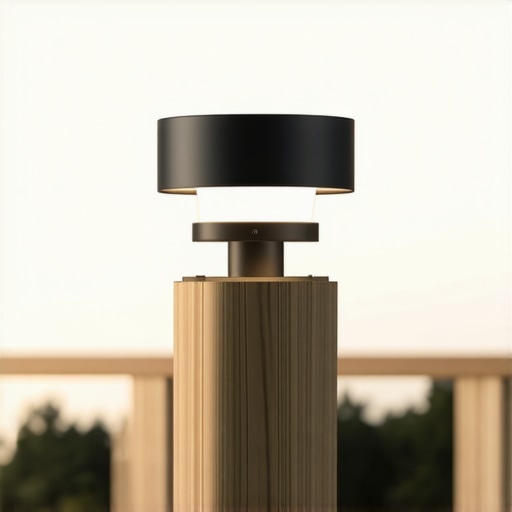
It happened during a summer barbecue. I was flipping burgers, enjoying the crackling sounds and warm breeze, when I took a step back—and nearly tripped over a twisted, clattering solar cap on my deck post. That moment—embarrassing but eye-opening—made me realize how much I was neglecting one of the simplest yet most critical details in outdoor lighting. If you’ve ever struggled with uneven, flickering, or downright ugly solar caps on your deck posts, you’re not alone. For years, I relied on those cheap, round solar caps—thinking they’d make lighting effortless. But they often left me frustrated, with dim illumination or worse, unstable fixtures that looked, frankly, lousy.
Today, I’m here to tell you there’s a better way. A way that combines durability, style, and safety—without breaking the bank. In this post, I’ll share what I’ve learned from my trial-and-error journey, and how swapping out those traditional solar caps for a smarter solution transformed my outdoor space.
Why Your Deck’s Lighting Deserves a Fresh Approach
Lighting plays a crucial role in outdoor living. It’s not just about visibility; it’s about ambiance, security, and creating a space where you can relax after sunset. Yet, so many homeowners settle for quick fixes—like those round solar caps—that end up undermining the beauty and safety of their decks. Common issues include poor illumination, frequent malfunctions, and an overall lack of aesthetic appeal. Worse yet, cheap solar caps can deteriorate quickly, exposing the electrical components to the elements, which jeopardizes both safety and longevity.
From my experience, these issues often stem from the materials and design of the caps themselves. The typical round solar caps are usually made from plastics that degrade under UV rays, leading to cracks and dislodgement. Plus, their round shape doesn’t always provide optimal light distribution or secure attachment, causing uneven lighting or parts falling off over time.
Optimizing outdoor lighting isn’t just about replacing a cap; it’s about rethinking the entire approach. When I experimented with alternative designs—like solar caps with integrated steel or aluminum components—I discovered that they last much longer and provide far more consistent illumination. Incorporating well-designed outdoor lighting solutions not only enhances safety but also elevates your deck’s overall appeal.
Want to avoid the pitfalls I faced? Consider how your current setup might be holding you back and whether it’s time for an upgrade. Curious to see concrete options? I’ll guide you through the best methods and products that ensure your deck lighting is both brilliant and resilient.
Let’s get into the nuts and bolts of replacing those problematic solar caps with a solution that truly works. For a comprehensive look at how high-quality materials can impact your outdoor projects, check out this guide on [composite decking trends for 2025](https://deckdesignbuild.com/composite-decking-trends-2025-the-ultimate-guide-for-outdoor-enthusiasts), which emphasizes durability alongside style.
Remove Old Solar Caps Carefully to Prevent Damage
Before installing new fixtures, gently detach the existing solar caps using a flat-head screwdriver, applying steady pressure to avoid cracking the plastic. During a project last summer, I learned that rushing this step often led to shattered caps and additional costs. Take your time, and if needed, use a plastic pry tool for better control. Once removed, inspect the post for any damage or moisture ingress, sealing cracks with outdoor-grade silicone to protect your wiring and prolong the lifespan of your new lighting setup.
Choose the Right Material for Durability and Style
When selecting replacements, opt for high-grade materials like aluminum or stainless steel that resist corrosion and UV degradation. I found that metallic caps with integrated sealing gaskets stayed pristine much longer than cheap plastic models. For guidance, refer to [how a skilled deck builder can optimize your outdoor space](https://deckdesignbuild.com/how-a-skilled-deck-builder-can-turn-your-garden-into-a-private-oasis), which emphasizes quality materials for longevity. Picking the right material not only ensures durability but also elevates your deck’s aesthetics, making your lighting installation both functional and stylish.
Prepare the Post Surface for a Secure Fit
Ensure the post surface is clean and free from debris or old adhesive. Using a wire brush or sandpaper, roughen the area slightly to improve adhesion for mounting hardware. I once ignored this step, resulting in shaky fixtures that wobbled and flickered. After cleaning and sanding, apply a thin layer of outdoor epoxy or high-strength adhesive to the underside of the new cap. Secure it with clamps or heavy objects until fully set—usually 24 hours. This process guarantees a snug fit, preventing movement that could compromise electrical connections and lighting consistency.
Install High-Quality Solar or Electrical Components
If your design involves solar-powered fixtures, select models with high-efficiency solar panels and weather-resistant batteries. For wired options, use outdoor-rated wiring and waterproof connectors. I experimented with different brands and found that premium solar modules provided twice the illumination and lasted longer into the night. Proper wiring and sealing prevent moisture ingress and electrical failures. For additional insights, see [the benefits of working with a professional deck builder](https://deckdesignbuild.com/the-benefits-of-working-with-a-professional-deck-builder-in-your-outdoor-projects), which highlights that expert installation ensures safety and performance. Take care to route wiring neatly and secure connections with weatherproof tape or sealant to prevent corrosion.
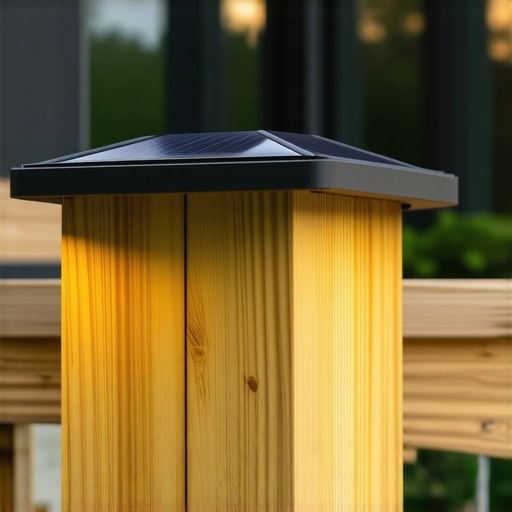
Imagine a sleek, corrosion-resistant solar cap mounted securely atop a wooden post, with integrated lighting casting a warm glow across the deck area. The fixture is illuminated, showcasing a perfect install that combines style with longevity, demonstrating a successful upgrade.When it comes to designing and building your outdoor living space, many homeowners believe that the key is choosing high-quality materials and following standard building codes. However, even experienced deck builders often get tripped up by subtle yet crucial factors that significantly impact durability and safety. One common myth is that using thicker decking boards always results in a longer-lasting deck; in reality, proper installation techniques and correct material choices tailored to your climate are far more important. For example, selecting composite decking with the right resin composition can prevent warping and fading, but only if installation voids or improper support spacing are avoided—these are advanced details that can make or break your project.
Let’s talk about the often-missed details that distinguish a mediocre deck from a professional masterpiece. Many DIY enthusiasts underestimate the importance of proper drainage around the post footings, leading to moisture accumulation that causes wood rot or steel corrosion over time. Implementing a well-designed drainage system, alongside correct flashing techniques, is essential—fail to do so, and your deck could develop issues within just a few years.
Another common trap is neglecting the nuances of stair safety and aesthetics. While most think that standard stringers and handrails suffice, advanced projects demand precise stringer scribing to account for uneven terrain and ensuring that treads are slip-resistant and comfortably spaced. Cutting corners here results in safety hazards and aesthetic dissonance. Professional insights suggest that integrating lighting into stairs not only enhances safety after sunset but also elevates visual appeal; for example, using glare-free LED strip lights embedded in the treads can create a seamless look, which you can explore further in designing stylish stairs.
Programming your deck for resilience goes beyond material selection. Proper fastening methods are often misunderstood; individuals tend to use regular nails or cheap screws, but these are prone to corrosion and loosening. Experts recommend stainless steel fasteners with minimal expansion and contraction properties, especially when working with composites—this prevents unsightly pops and gaps. This might seem minor, but overlooking fastening nuances can lead to structural instability.
Have you ever fallen into this trap? Let me know in the comments.
For a comprehensive understanding of material selection, check out [choosing the right composite decking](https://deckdesignbuild.com/choosing-the-right-composite-decking-for-durable-low-maintenance-outdoor-areas). Additionally, consider how maximizing outdoor space with intelligent stair designs can enhance your deck’s functionality—I highly recommend reviewing [deck and stair ideas for every budget](https://deckdesignbuild.com/maximizing-outdoor-space-inspiring-deck-and-stair-ideas-for-every-budget). Remember, a well-informed approach and attention to detail set a truly professional project apart, making your outdoor oasis both beautiful and resilient.Maintaining your deck over the years requires more than just occasional cleaning; it demands the right tools and a strategic approach to upkeep. Investing in quality equipment ensures your outdoor living space remains safe, attractive, and durable for decades. For frequent inspections, a high-powered LED flashlight, like the Fenix PD36R, is invaluable for spotting early signs of damage or mold, especially in shaded or hard-to-reach areas. Its bright, adjustable beam allows you to identify issues before they escalate, saving you money and effort down the line.
When it comes to cleaning, a power washer with adjustable pressure settings—such as the Sun Joe SPX3000—can make the job efficient without risking damage to composite decking or stairs. I prefer this model because it offers dual spray wands and a soap dispensing system, enabling deep cleaning with minimal arm fatigue. Regular brushing with a soft-bristle deck brush prevents dirt and algae buildup, which can deteriorate surfaces over time.
For routine maintenance, applying a breathable sealant tailored for composite and hardwood materials can prevent moisture infiltration and reduce fading. The Rust-Oleum Hel-Seal is a go-to product for me due to its long-lasting UV resistance and compatibility with various surfaces. Remember, sealing isn’t a one-and-done task; it should be repeated every two to three years, depending on exposure.
Maintaining stairs and railings also involves checking fasteners and joints. A precision tool like the Dewalt DWHT65027 stud locator helps identify structural issues hidden beneath surfaces, ensuring that bolts and brackets remain tight and secure. This proactive approach prevents wobbling and safety hazards, especially in high-traffic areas.
As the trends in outdoor construction evolve, incorporating smart sensors that monitor humidity and movement is becoming increasingly popular. For instance, installing wireless moisture sensors from brands like Inkbird allows you to track potential problem areas in real time, enabling preventive measures before rot or mold develop.
Looking to the future, automation and IoT integration will likely become standard in deck maintenance, making it easier to uphold safety and aesthetics with minimal manual effort. Embracing these advancements now positions you ahead in outdoor living management.
For those eager to elevate their deck’s longevity, I recommend trying out a combination of these advanced tools—especially the moisture sensors and high-quality sealants. Regularly updating your toolkit not only simplifies maintenance but also prolongs the lifespan of your investment.
How do I keep my outdoor spaces in prime condition over time?
Consistent inspection, timely cleaning, and applying the right protective products are crucial. Incorporate tools like the Fenix PD36R flashlight for inspections and the Sun Joe power washer for cleaning to streamline your routine. Don’t forget, addressing minor issues promptly prevents costly repairs later. For in-depth guidance, check out this resource on choosing durable composite decking materials. A proactive mindset paired with reliable tools keeps your outdoor living area safe, stunning, and lasting for years to come—so invest in quality equipment today and make maintenance a breeze.
Lessons From My Deck Building Journey That Changed Everything
One of the most surprising insights I discovered was how much attention to detail impacts outdoor lighting’s durability and beauty. I used to think that a simple solar cap was enough, but I learned that material quality and proper sealing are game-changers, saving me money and headaches in the long run.
Another lightbulb moment was realizing that installation isn’t just about aesthetics—it’s about safety and safety alone. Ensuring a snug fit with good materials prevents wobbling and flickering, which can be dangerous at night. Patience during the prep phase truly pays off.
The importance of thinking ahead also hit me hard. Upgrading to high-efficiency solar panels and weatherproof wiring might seem extra, but these investments drastically improve performance and lifespan, turning my deck into a cozy, safe haven after sunset. These lessons have shaped my approach, making me a more confident outdoor project enthusiast.
My Top Tools and Resources That Keep My Deck Lighting Sharp
If you’re serious about transforming your outdoor lighting, I swear by a couple of tools and sources. First, the guide on choosing durable composite decking helped me understand material choices that stand the test of time and weather.
For maintenance, a quality power washer like the Sun Joe SPX3000 has made cleaning much easier—no more scrubbing with a brush for hours. Pair it with a high-grade sealant such as Rust-Oleum Hel-Seal, which keeps the surface protected against UV and moisture.
Finally, I recommend a good moisture sensor system from brands like Inkbird to monitor hidden trouble spots. Being proactive keeps your outdoor lighting shining bright and functioning safely year-round. Trusted sources like these give me confidence that my deck stays spectacular, season after season.
Your Turn to Shine Bright: Take Action Today
The future of outdoor deck lighting is all about smart materials, careful installation, and ongoing maintenance—things that anyone can master with the right mindset. Remember, upgrading your solar caps isn’t just about aesthetics; it’s about safety, longevity, and creating an inviting outdoor retreat that you’ll enjoy for years.
Now, I challenge you: what’s the one area of your outdoor space you wish to improve most? Share your thoughts below, and let’s build those dreams into reality together!