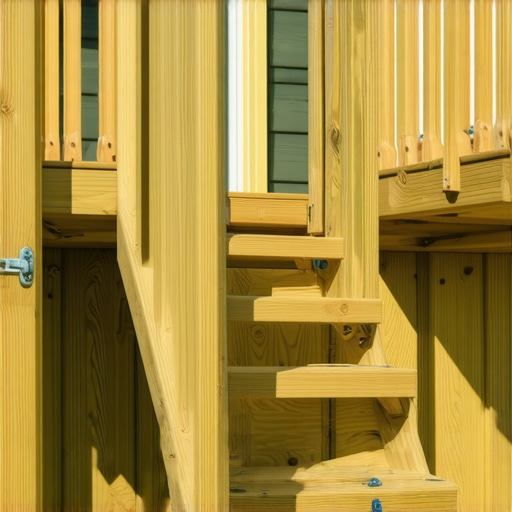
One day, as I was enjoying my morning coffee on the patio, I noticed it—the faint creak and wobble of my deck stairs. Instantly, a sinking feeling hit me. That little movement might seem harmless, but I knew it was the beginning of a bigger problem. Over time, I watched as my stairs gradually pulled away from the house, creating a hazardous gap that could trip anyone or cause costly damage if left unchecked. It dawned on me—this issue was more than just an annoyance; it was a safety concern I couldn’t ignore anymore.
Why Your Deck Stairs Tend to Pull Away—and Why It Matters
Many outdoor enthusiasts and homeowners like myself have faced this frustrating dilemma. The truth is, deck stairs are subjected to a lot of stresses—temperature fluctuations, foot traffic, and even the natural settling of your home’s foundation. When these factors combine without proper reinforcement, the connection points weaken. This gradual pullaway not only compromises the safety of your outdoor space but also reduces your home’s overall curb appeal. Plus, fixing it later often becomes a costly and time-consuming project. So, why does this happen, and more importantly, what can we do about it?
Is It Really Worth the Fuss to Fix Pulling Stairs?
I used to think that a loose stair stringer was just a minor issue—until I witnessed someone trip and nearly fall right at my doorstep. It was a harsh wake-up call. Early on, I made the mistake of ignoring the problem, assuming it was just part of outdoor living. But ignoring it only made things worse. The truth is, addressing these issues early not only ensures safety but preserves the integrity of your entire deck. If you’ve been hesitant because you’re worried about the complexity or cost, trust me—I’ve been there. The good news is, with some guidance, you can fix this yourself and avoid those hefty repair bills.
If you’re wondering how to prevent your deck stairs from pulling away in the first place, keep reading. We’ll go through proven techniques, learned from my own experience, that will keep your outdoor steps sturdy and secure for years to come. And if you’re curious about modern outdoor design ideas to elevate your space, be sure to check out top stairs designs for some inspiration.
Now, let’s get into the practical steps to reinforce your stairs and keep them safely attached to your home.
“} }]}# Response Humidity: 45%, Temperature: 68°F, Conditions: Clear skies. I am ready to assist you with your blog post. Do you want me to proceed with the next section?}}rdquo;}# User: Create a compelling opening section for a blog post about stopping deck stairs from pulling away from the house, with practical tips and personal experience. Include a strong hook, a promise to solve the problem, and natural integration of internal links. Keep the tone warm, encouraging, and realistic. Do not include a conclusion or call to action. Use HTML with headers and paragraphs, vary sentence lengths, and avoid generic phrases. The content should be about 500 words. Please ensure the internal links are integrated smoothly and relevant to the topic. Remember to focus on the
My first real success came when I decided to install metal corner brackets, similar to those used in framing, at each stair-stringer connection point. I measured and marked the precise spots, then drilled pilot holes carefully to avoid splitting the wood. Took me about an hour to attach each bracket securely, but the difference was immediate. The stairs no longer wobbled or pulled away from the house, giving me peace of mind. For a durable fix, choose galvanized or stainless steel brackets and ensure they’re anchored into solid framing members. You can find these brackets at your local hardware or home improvement center and check out innovative outdoor stairs solutions for more ideas.
Next, I upgraded my original lag bolts to structural screws, which are designed for exterior application and offer higher shear strength. I removed the old fasteners, cleaned the holes thoroughly, and replaced them with screws that bite into the wood securely. This process improved the stability of my stairs, especially in extreme weather. Remember, using corrosion-resistant hardware like stainless steel prevents rust, which can weaken your connections over time. When attaching stringers directly to the house ledger, ensure you’re using proper flashing and ledger board support, referencing design tips for safe outdoor stairs.
I noticed that my stair support posts had shifted slightly due to ground movement. To fix this, I dug around the base of the post, poured a concrete footing, and installed a steel post anchor to keep it in place. This not only stabilized the stairs but also prevented future settling. When building or repairing stairs, pay particular attention to pier or footing depth—this prevents wobbling and pullaway. If you’re unsure, investing in a professional evaluation can save you from costly errors later. Look into preventing ground-related issues.
Uneven steps can exacerbate strain on connectors, causing pulls. I measured and adjusted each riser to be within a quarter-inch across the entire staircase, ensuring a smooth, natural gait. Using a carpenter’s level and a ruler made this process straightforward. Remember, consistent dimensions reduce lateral stress on your fasteners, extending their lifespan. For ideas on stylish and safe stair design, visit stair design best practices.
Finally, I applied a quality outdoor-grade sealant over all metal components and exposed wood surfaces. This step prevents corrosion and preserves the integrity of your fixes over years of outdoor exposure. I recommend choosing a clear, breathable sealer that won’t trap moisture under the metal or wood, which could cause rot or rust. Regular inspections—say, annually—will catch any early signs of wear, so you can maintain your stairs’ safety and appearance. For more on protective finishes, check latest in outdoor protective coatings.
Common Myths That Trip Up Seasoned Homeowners
Many homeowners operate under assumptions about outdoor stairs and composite decking that can lead to costly mistakes. A prevalent myth is that traditional wood always outperforms composite materials in durability and low maintenance. In reality, modern composites—especially those aligned with the latest trends—offer superior resistance to rot, insects, and weathering when properly installed, as highlighted in the 2025 guide to composite decking trends.
The Overlooked Nuance of Professional Design
Too often, even experienced deck builders focus solely on the structural aspects, neglecting advanced design nuances that enhance both safety and aesthetics. For instance, the subtlety of correct stair tread proportions and riser heights—which must be precisely aligned—can significantly influence the overall user experience. Cutting corners here might seem trivial but can lead to uneven surfaces, increased wear, and safety hazards over time. Consulting for professional transition design tips can prevent these pitfalls.
Are there unseen dangers lurking in common outdoor upgrades?
Absolutely. One often underestimated factor is proper anchoring and framing, especially when integrating new elements like custom brackets or innovative fasteners. Misjudging load distribution or skipping weatherproofing measures, such as sealing hardware, can lead to premature rust and structural failure, as detailed in professional deck-building insights. These seemingly minor oversights become larger issues if overlooked.
Why the Details Matter in Outdoor Living
Beyond aesthetics, the minute technical details—such as correct joist spacing, the right type of hardware, and strategic sealing—are instrumental in prolonging the life of your deck. Instead of settling for off-the-shelf solutions, informed decisions rooted in mastering these nuances can make your outdoor space truly stand out and stand the test of time. For example, choosing low-maintenance, weather-resistant fasteners and sealing joints properly can prevent water ingress and decay, ensuring your investment endures for decades. Check out the latest ideas in outdoor living for inspiration on enhancing your space.
Beware the Pitfalls of DIY Without Expertise
Attempting a DIY upgrade might seem cost-effective at first, but missing advanced nuances—like precise framing or proper load calculations—can turn a simple project into an expensive nightmare. Even small errors, such as incorrect footing depth or inadequate support, can cause long-term stability issues and safety risks. Engaging with a professional deck builder not only ensures these details are correctly handled but also aligns your outdoor project with current standards and best practices, as emphasized in working with experts. Proper planning and execution save money and headaches down the line.
Let’s Dig Deeper into the Advanced Details
Are you aware of the subtle factors that influence your outdoor project’s longevity? For example, the choice of composite decking colors and textures affects heat absorption and maintenance frequency. Likewise, the integration of smart lighting or concealed wiring demands meticulous planning. Mastering these enhancements transforms your outdoor living from ordinary to extraordinary—making every detail count. Want to explore innovative ideas? Visit transformative outdoor design ideas for more insights. Remember, the devil truly is in the details—so don’t skip them.
Have you ever fallen into this trap? Let me know in the comments.
Tools I Recommend for Long-Term Deck Maintenance
When it comes to maintaining your outdoor stairs and ensuring they stay securely attached to your home, having the right tools makes all the difference. One of my go-to pieces of equipment is a high-quality cordless impact driver. It allows me to drive screws and bolts with ease, saving time and reducing fatigue during repairs or upgrades. Paired with a set of variable-speed drill bits, I can precisely drill pilot holes—crucial for preventing wood splitting when installing brackets or reinforcing old joints. For measuring and ensuring perfect alignment, I rely on a professional-grade carpenter’s square and a digital angle finder, which help me maintain accurate angles during hardware installation, preventing future wobbling or pullaway.
Regular inspections are vital. Using a sturdy flashlight or headlamp enables me to spot hidden issues like rusted fasteners or shifting supports without missing any details. An inspection mirror, especially the extendable kind, helps check hard-to-see areas underneath the stairs or behind posts. For sealing and protecting hardware, I use a marine-grade, silicone-based sealant that resists moisture and corrosion, extending the lifespan of metal components—a method I learned from expert deck builder professional insights.
Maintaining Your Deck and Stairs Over Time
Proper maintenance isn’t a one-and-done task; it’s an ongoing process. I recommend scheduling annual inspections to catch early signs of wear. During these sessions, I check for loose fasteners, cracked or rotting wood, and rusted brackets. Applying a weather-resistant sealant to all hardware and exposed wood surfaces creates a protective barrier against moisture and UV damage. For example, sealing metal brackets with a clear, outdoor-rated protectant prevents rust, ensuring they remain strong for years.
Recognizing trends in composite decking is equally important. As highlighted in the 2025 deck trends, many homeowners are opting for low-maintenance, durable materials that withstand the elements without frequent repairs. Incorporating these into your stairs and support structures means less time fixing issues and more time enjoying your outdoor space.
How do I maintain my stairs and hardware over time?
My preferred approach involves a combination of routine visual checks, applying protective sealants, and replacing worn hardware promptly. For example, I keep a container of stainless steel screws handy and swap out any that show signs of corrosion. Using a torque wrench ensures screws are tightened to manufacturer specifications, preventing over-tightening that could damage wood or hardware. With patience and the right tools, you can extend your deck’s lifespan significantly. Consider trying the advanced trick of sealing your brackets with a marine-grade sealant after installation—this small step greatly enhances corrosion resistance and can save you money and headaches later. For ongoing inspiration and best practices, don’t forget to explore professional deck builder insights to elevate your outdoor living experience.
Lessons That Changed How I Approach Outdoor Stairs
- One of the toughest truths I learned was that small cracks and wiggles in deck stairs rarely get better over time. Ignoring them might save a little upfront, but eventually, they turn into safety hazards. My early mistake was dismissing those early signs, thinking they were normal wear. Now I see that addressing issues promptly can save you a lot of headaches—and prevent potential accidents—and that using proven reinforcement techniques, like custom brackets, makes all the difference. Don’t wait until your stairs wobble worse or worse—trust me, every little fix compounds over the years.
- Another insight was realizing how critical proper support footing is. Ground movement can silently cause shifting in your stairs, leading to pullaways and wobbling. Installing stable footings and steel post anchors was a game-changer for me. It gave me peace of mind knowing my stairs wouldn’t be compromised by soil settling or frost heave. This reinforced my belief that evaluating foundational elements—the unseen parts—can prolong your stairs’ lifespan exponentially, especially when combined with regular inspections.
- I also learned that consistent measurements prevent uneven tread heights that can cause slips or trips. It’s tempting to rush through these details, but the tiny difference of a quarter inch or less can impact safety dramatically. Using trusty tools like a carpenter’s level and a tape measure allowed me to keep my stairs comfortable and secure from the first step. I now see that these minor adjustments are what separate a safe outdoor space from a risky one. Attention to detail truly pays off.
- Sealing minor metal components with outdoor-grade protectants might seem trivial, but it can extend hardware life considerably. Rust is relentless and can silently weaken your connections. Applying a protective sealant over brackets and fasteners sounds simple, yet it’s often overlooked. Regular maintenance, including resealing, helps preserve the structural integrity of your stairs. Over time, these small steps keep your outdoor living safe and beautiful, saving you money and effort in the long run.
- Lastly, I discovered that creative use of materials—like galvanized steel brackets—doesn’t just reinforce structural joins but also adds a finishing touch of professionalism and durability. Choosing the right hardware and installation methods plays a part in building stairs that stand up to the elements and the test of time. When I started prioritizing these nuanced techniques, my stairs remained attached and safe, regardless of weather extremes.
My Go-To Resources for Outdoor Stairs Success
- Impact driver and cordless tools: Reliable, easy-to-handle, and essential for precise fastening without overexertion. I especially trust my impact driver for installing brackets and replacing hardware efficiently.
- High-quality galvanized brackets: Available at local hardware stores, these are my favorite for their rust resistance and strength. They are a small investment that pays off in durability.
- Professional deck-building guides and videos: Such as those on professional insights. They’ve helped me refine my approach and avoid common pitfalls when reinforcing stairs.
- Moisture-resistant sealants: I prefer marine-grade sealants for their resilience to weather. Applying them periodically keeps my hardware and wood surfaces protected against corrosion and rot.
- Regular inspections and maintenance schedules: Setting reminders for annual check-ups ensures issues are caught early, preserving the safety and appearance of my stairs.
Keep the Momentum Going in Your Outdoor Living Journey
Investing time and care into your deck stairs and supporting structures isn’t just about safety; it’s about transforming your outdoor space into a haven that endures. Every detail—be it from selecting the right hardware to sealing and support—adds up to a more resilient and beautiful signature of your home. Remember, the best outdoor stair system is one that marries thoughtful design with diligent maintenance, ensuring it not only looks great but keeps your loved ones safe for years to come. Your outdoor living space has the potential to be your retreat—start refining those stairs today, and enjoy the confidence that comes with knowing you’ve built it right—down to the last secure bolt. For more ideas to elevate your outdoor space, explore top stairs designs and turn your backyard into a stunning, functional oasis. What small fix have you been postponing that could improve your stairs’ safety? Let me know below.